Jeep Grand Cherokee vs. Toyota 4Runner: A Comparison

When it comes to choosing a midsize SUV that offers a blend of off-road capability, comfort, and reliability, two names often come to mind: the Jeep Grand Cherokee and the Toyota 4Runner. Both of these vehicles have earned a reputation for toughness and versatility, but they cater to slightly different audiences. In this comparison, we’ll dive deep into the features, performance, and overall value of these two popular SUVs to help you decide which one is the better fit for your lifestyle.

1. Performance and Engine Options

Jeep Grand Cherokee

  • Engine Options: The Jeep Grand Cherokee offers a range of engines to suit various driving needs. These include the standard 3.6-liter V6, a powerful 5.7-liter V8, and a high-performance 6.4-liter V8 available in the SRT model. There’s also the supercharged 6.2-liter V8 found in the Trackhawk, delivering an impressive 707 horsepower.
  • Towing Capacity: Depending on the engine, the Grand Cherokee can tow between 6,200 and 7,200 pounds, making it a strong contender for those who need to haul trailers or boats.
  • Fuel Efficiency: The Grand Cherokee offers decent fuel efficiency for its class, with the V6 engine achieving up to 26 mpg on the highway.

Toyota 4Runner

  • Engine Options: The Toyota 4Runner is powered by a single engine: a 4.0-liter V6 that produces 270 horsepower. While reliable, this engine is less powerful compared to the Grand Cherokee’s options.
  • Towing Capacity: The 4Runner can tow up to 5,000 pounds, which is sufficient for most recreational activities, though it falls short of the Grand Cherokee’s capacity.
  • Fuel Efficiency: The 4Runner’s V6 engine offers slightly lower fuel efficiency, with up to 19 mpg on the highway, reflecting its older powertrain design.

2. Off-Road Capability

Jeep Grand Cherokee

  • Off-Road Models: The Grand Cherokee Trailhawk is the model of choice for serious off-road enthusiasts. It comes equipped with Jeep’s Quadra-Drive II 4×4 system, an electronic limited-slip rear differential, and skid plates, making it highly capable on challenging terrains.
  • Ground Clearance: The Grand Cherokee offers up to 10.8 inches of ground clearance with its adjustable air suspension system, which is advantageous when tackling rocky or uneven paths.
  • Terrain Management: Jeep’s Selec-Terrain system allows drivers to choose between multiple modes (Auto, Snow, Sand, Mud, Rock) for optimized performance in various conditions.

Toyota 4Runner

  • Off-Road Models: The 4Runner TRD Pro is Toyota’s top off-road variant, featuring FOX® shocks, a locking rear differential, and Crawl Control, which makes it highly adept at handling rugged trails.
  • Ground Clearance: The 4Runner offers 9.6 inches of ground clearance, which is slightly less than the Grand Cherokee but still substantial for off-road adventures.
  • Terrain Management: The 4Runner comes with Toyota’s Multi-Terrain Select system, which adjusts throttle and traction control for optimal performance on different surfaces.

3. Interior and Comfort

Jeep Grand Cherokee

  • Interior Quality: The Grand Cherokee boasts a more refined and luxurious interior, especially in higher trims. Premium materials, leather upholstery, and wood accents create a sophisticated cabin.
  • Technology: The Uconnect® infotainment system with an 8.4-inch touchscreen, Apple CarPlay, Android Auto, and available navigation are some of the tech highlights. An optional 19-speaker Harman Kardon audio system adds to the premium feel.
  • Space: The Grand Cherokee offers ample passenger space, particularly in the front and rear seats, but its cargo space (36.3 cubic feet behind the second row) is slightly less than the 4Runner’s.

Toyota 4Runner

  • Interior Quality: The 4Runner’s interior is functional and durable, with a focus on utility rather than luxury. It features easy-to-clean materials, but the overall design is more rugged and less refined.
  • Technology: The 4Runner comes with an 8-inch touchscreen, Apple CarPlay, Android Auto, and a simple-to-use interface. However, it lacks the high-end features found in the Grand Cherokee.
  • Space: The 4Runner shines in cargo capacity, offering 47.2 cubic feet of space behind the second row. This expands to 89.7 cubic feet with the seats folded down, making it ideal for carrying large loads.

4. Safety and Reliability

Jeep Grand Cherokee

  • Safety Features: The Grand Cherokee comes with a host of advanced safety features, including adaptive cruise control, blind-spot monitoring, lane departure warning, and automatic emergency braking.
  • Reliability: Jeep’s reliability scores have improved in recent years, but the Grand Cherokee’s dependability is still considered average compared to its competitors.

Toyota 4Runner

  • Safety Features: The 4Runner includes Toyota Safety Sense™ P, which offers pre-collision warning, lane departure alert, and adaptive cruise control, though some features are less advanced than those in the Grand Cherokee.
  • Reliability: The 4Runner is known for its exceptional reliability, often ranking among the most dependable vehicles in its class. It’s a great choice for buyers prioritizing long-term durability.

5. Pricing and Value

Jeep Grand Cherokee

  • Starting Price: The Jeep Grand Cherokee has a starting price around $40,000, with higher trims and engine options significantly increasing the cost.
  • Value: While the Grand Cherokee offers a lot of features and a more luxurious feel, it can get expensive quickly, especially when opting for higher trims and performance models.

Toyota 4Runner

  • Starting Price: The 4Runner starts at around $40,000, similar to the Grand Cherokee, but remains more affordable as you move up the trim levels.
  • Value: The 4Runner provides excellent value for those looking for a rugged, reliable SUV with strong resale value and proven longevity, even if it lacks some of the high-tech features of the Grand Cherokee.

Conclusion: Which SUV is Right for You?

Choosing between the Jeep Grand Cherokee and the Toyota 4Runner ultimately depends on your priorities. If you’re looking for a more luxurious interior, a variety of powerful engine options, and advanced technology, the Jeep Grand Cherokee is the better choice. On the other hand, if you prioritize off-road capability, reliability, and cargo space, the Toyota 4Runner may be the better fit.

Both SUVs offer strong off-road credentials and solid performance, but your decision should reflect how you plan to use the vehicle—whether it’s tackling tough trails, enjoying a comfortable commute, or a mix of both.

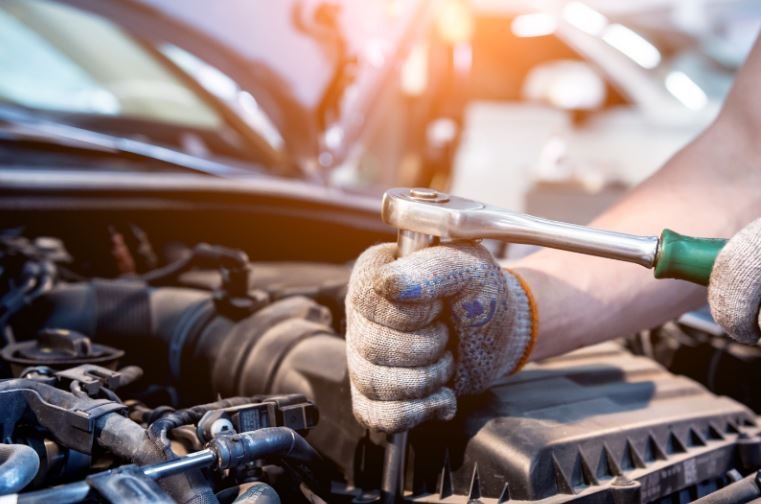
Best Strategies for Replacing Car Parts on Your Own

When it comes to replacing car parts on your own, having a clear strategy can make all the difference. Doing it yourself not only saves money but also gives you a deeper understanding of your vehicle. Here are some effective strategies to help you tackle car repairs with confidence.

1. Start with Basic Tools

Before you dive into replacing car parts on your own, make sure you have the right tools. A basic toolkit should include screwdrivers, wrenches, pliers, and a jack. These essentials will help you handle most car repair tasks without any hassle.

Replacing Car Parts on Your Own

2. Consult Your Vehicle’s Manual

Your car’s manual is a valuable resource when replacing car parts on your own. It provides specific instructions and diagrams tailored to your vehicle. Always refer to the manual to ensure you follow the correct procedures for each repair.

3. Watch Tutorial Videos

There’s a wealth of information available online. Watching tutorial videos can be incredibly helpful when replacing car parts on your own. These videos offer step-by-step guides and tips from experienced mechanics, making complex repairs more manageable.

4. Order the Right Parts

Ensure you purchase the correct parts for your vehicle. When replacing car parts on your own, double-check the part numbers and compatibility. Ordering the right parts upfront prevents delays and additional work.

5. Prepare Your Workspace

A clean, organized workspace is essential when replacing car parts on your own. Make sure you have adequate lighting and space to work. Remove any clutter to avoid losing small parts and to work efficiently.

6. Take Safety Precautions

Safety should be your top priority. When replacing car parts on your own, always wear protective gloves and eyewear. Ensure the vehicle is securely lifted and stable before working underneath it to prevent accidents.

7. Label and Keep Track of Parts

As you disassemble parts of your vehicle, label them and keep track of their order. This practice simplifies the reassembly process and ensures that you don’t forget where each part goes when replacing car parts on your own.

8. Follow a Checklist

Create a checklist of steps to follow for each repair. This strategy helps you stay organized and ensures you don’t skip any critical steps when replacing car parts on your own. Check off each item as you complete it to keep track of your progress.

9. Avoid Rushing

Take your time and don’t rush through repairs. Rushing can lead to mistakes and damage to your vehicle. When replacing car parts on your own, patience is key. Carefully follow each step to achieve the best results.

10. Seek Help When Needed

If you encounter a problem that seems too complex, don’t hesitate to seek help. Forums, online communities, and local mechanics can provide valuable advice when replacing car parts on your own. It’s better to ask for help than to risk making a mistake.

11. Keep Spare Parts Handy

Sometimes, things go wrong during a repair. Keeping a few extra parts on hand can be a lifesaver when replacing car parts on your own. This precaution helps you avoid delays if a part doesn’t fit or if you need a replacement.

12. Test Your Repairs

After you’ve completed a repair, always test your work. Make sure everything is functioning correctly before considering the job finished. This step is crucial for ensuring that your repairs are successful and that your vehicle is safe to drive.

13. Document Your Work

Taking photos or notes during your repairs can be very useful. Documenting your work helps you remember what you’ve done and provides a reference for future repairs. This practice is especially helpful when replacing car parts on your own.

14. Keep Receipts and Records

Keep receipts and records of all parts and tools you purchase. This documentation is valuable for tracking expenses and for warranty purposes. When replacing parts on your own, having this information on hand can be beneficial.

Conclusion

Replacing car parts on your own can be a rewarding experience when approached with the right strategies. By preparing properly, following safety precautions, and taking your time, you can successfully handle various repairs and maintain your vehicle with confidence. Remember to use your vehicle’s manual, seek help when needed, and keep track of your progress to ensure your repairs are effective and efficient.

Common Signs of Car Part Failure

Understanding the signs of car part failure can help you address issues before they become major problems. Recognizing these signs early can prevent breakdowns and costly repairs. Here’s a guide to common signs indicating car part failure and what to look out for.

Common Signs of Car Part Failure

1. Engine Warning Light

The engine warning light is a key indicator of potential engine issues:

  • Check Engine Light: Illuminates when the engine control unit detects a problem. It can signal various issues, from minor sensor problems to significant engine failures.
  • Action: Have your vehicle’s computer system checked and diagnosed by a professional to determine the exact cause.

Ignoring this warning can lead to more severe engine damage.

2. Unusual Noises

Different sounds can indicate specific car part failures:

  • Squealing or Grinding Brakes: These sounds often signal worn-out brake pads or rotors. Prompt replacement is necessary to maintain braking performance.
  • Clunking Noises: Clunking noises when turning can indicate issues with the suspension or steering components, such as worn-out ball joints or tie rods.

Addressing unusual noises promptly can prevent further damage and ensure safety.

3. Fluid Leaks

Leaking fluids can signal various car part issues:

  • Oil Leaks: Brown or black puddles under your vehicle may indicate an oil leak. This could be due to a damaged oil pan or gasket.
  • Coolant Leaks: Green or orange fluid under the vehicle suggests a coolant leak, possibly from a radiator or hose.

Regularly check for fluid leaks and address them immediately to avoid engine overheating and other issues.

4. Vibrations or Shaking

Vibrations while driving can point to several potential problems:

  • Imbalanced Tires: Vibration felt through the steering wheel or seat may indicate unbalanced tires. Regular balancing and alignment can correct this.
  • Engine or Transmission Issues: Persistent shaking could signal problems with engine mounts or transmission components.

Have your vehicle inspected to diagnose and fix the source of the vibrations.

5. Difficulty Starting the Engine

Starting issues can be due to several factors:

  • Dead Battery: If the engine cranks slowly or not at all, a dead or weak battery might be the cause.
  • Starter Motor Problems: A clicking sound when turning the key can indicate a faulty starter motor.

Check the battery and starter motor to ensure reliable engine starting.

6. Smoke or Steam from the Engine

Smoke or steam can indicate serious engine problems:

  • White Smoke: White smoke from the exhaust often means coolant is leaking into the engine, possibly due to a blown head gasket.
  • Black Smoke: Black smoke indicates incomplete fuel combustion, which could be due to a clogged air filter or faulty fuel injector.

Investigate and address these issues promptly to prevent engine damage.

7. Warning Sounds from the Dashboard

Dashboard warning sounds can alert you to various problems:

  • Buzzer or Chime: Persistent sounds or chimes usually indicate issues such as low oil pressure, low battery voltage, or an open door.
  • Flashing Lights: Flashing warning lights can signify critical issues that require immediate attention.

Consult your vehicle’s manual to understand the meaning of warning sounds and lights.

Conclusion

Recognizing the common signs of car part failure, such as engine warning lights, unusual noises, fluid leaks, vibrations, starting difficulties, smoke, and dashboard warnings, can help you address issues before they escalate. Regular maintenance and prompt repairs ensure your vehicle remains reliable and safe.

The Future of Jeep: What’s Next for the Brand

Jeep has built a reputation as one of the most iconic and enduring brands in the automotive industry, known for its rugged off-road vehicles that can conquer any terrain. As the automotive world undergoes rapid transformation, Jeep is also looking to the future with new technologies, designs, and strategies. Here’s a look at what’s next for Jeep as it prepares to navigate the evolving landscape of the 21st century.

1. Electrification: The Jeep Wave Goes Green

One of the most significant changes on the horizon for Jeep is the shift towards electrification. With increasing pressure to reduce carbon emissions and promote sustainability, Jeep is actively developing electric and hybrid models that maintain the brand’s off-road capabilities while offering greener alternatives.

1.1. Jeep 4xe Models

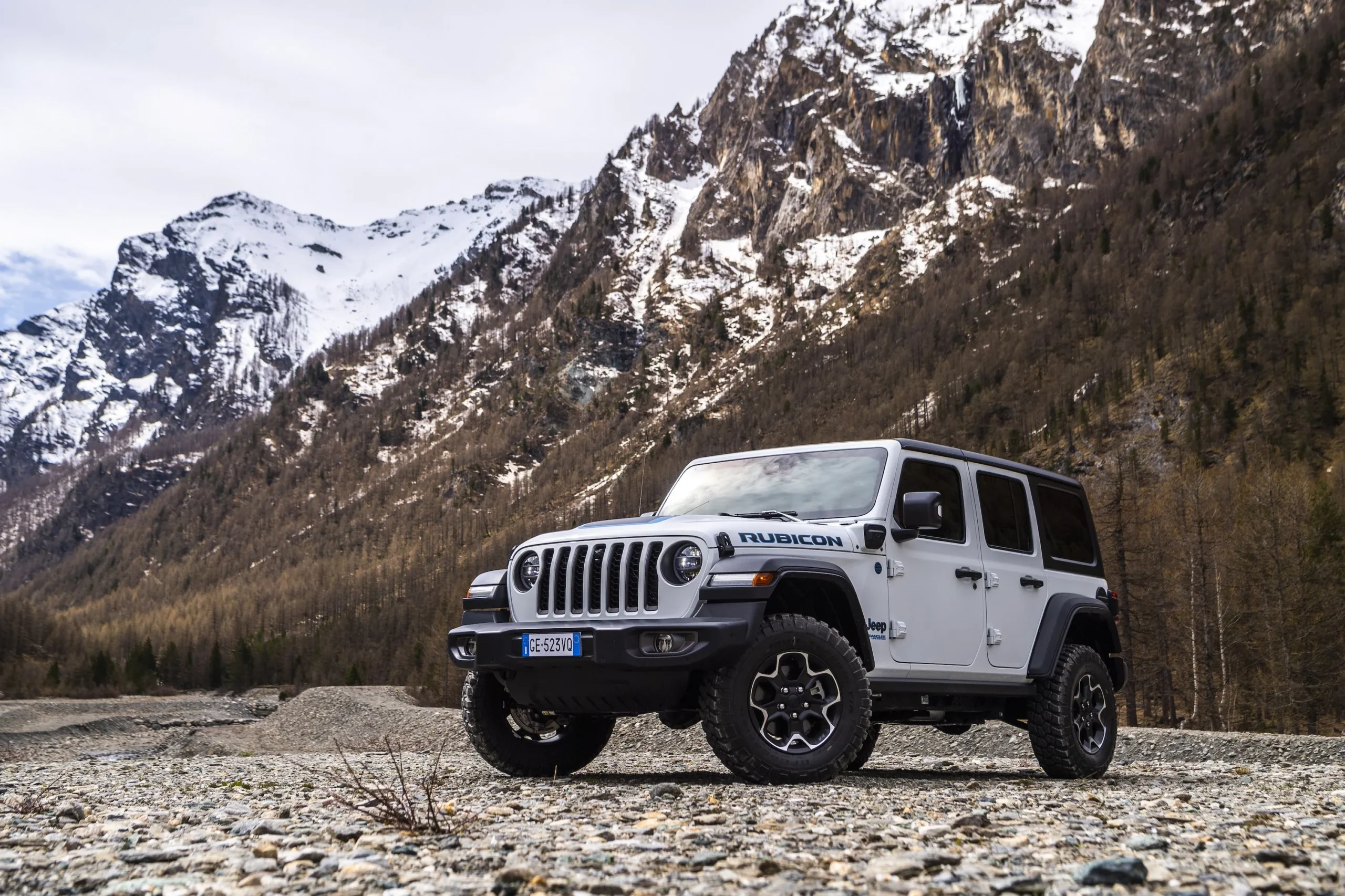
Jeep has already introduced its first plug-in hybrid models under the 4xe badge, including the Jeep Wrangler 4xe and Jeep Grand Cherokee 4xe. These models combine traditional off-road prowess with electric power, allowing drivers to enjoy lower emissions and improved fuel efficiency without compromising performance.

1.2. Full Electric Jeep

Looking further ahead, Jeep has announced plans to release fully electric versions of its vehicles. The first all-electric Jeep is expected to hit the market in the coming years, offering silent off-road adventures and zero tailpipe emissions. This marks a significant milestone in Jeep’s journey toward becoming a more sustainable brand.

2. Advanced Technology: Smart Driving and Connectivity

As the automotive industry embraces new technologies, Jeep is also integrating advanced features into its vehicles, enhancing both the driving experience and safety.

2.1. Autonomous Driving Capabilities

Jeep is exploring the integration of autonomous driving features into its lineup. While full self-driving Jeeps may still be a few years away, the brand is expected to introduce advanced driver-assistance systems (ADAS) that offer semi-autonomous capabilities, improving safety and convenience on both highways and off-road trails.

2.2. Enhanced Connectivity

Jeep vehicles are becoming increasingly connected, with features like Uconnect® offering seamless integration with smartphones, navigation, and entertainment. Future Jeeps are likely to build on this connectivity, offering more sophisticated infotainment systems, over-the-air updates, and enhanced vehicle-to-vehicle (V2V) communication.

3. Expanding the Jeep Lineup: New Models and Segments

Jeep is also looking to expand its product lineup, introducing new models and entering segments that align with changing consumer preferences.

3.1. Compact and Subcompact SUVs

As demand for smaller, more city-friendly SUVs grows, Jeep is expected to introduce compact and subcompact models that retain the brand’s adventurous spirit while being more suitable for urban environments. These models will appeal to a younger, more diverse audience.

3.2. Luxury and Performance Models

Jeep is also exploring the development of more luxurious and high-performance models, targeting premium segments where off-road capability meets luxury. These models will feature top-tier materials, advanced technology, and powerful engines, catering to customers looking for the ultimate combination of luxury and ruggedness.

4. Global Expansion: Jeep’s Journey Beyond the U.S.

Jeep’s future also involves expanding its global presence, particularly in regions where the brand is still developing its market share.

4.1. Strengthening Presence in Europe and Asia

Jeep is focusing on growing its footprint in key markets such as Europe and Asia, where there is significant potential for growth. This includes the introduction of region-specific models, adaptations to meet local regulations, and partnerships with local manufacturers.

4.2. Local Manufacturing and Partnerships

To enhance its global reach, Jeep is investing in local manufacturing facilities and forming strategic partnerships. By producing vehicles closer to key markets, Jeep can reduce costs and offer products that are better suited to local tastes and conditions.

5. Sustainability Initiatives: Beyond the Vehicle

As part of its future strategy, Jeep is also looking beyond its vehicles to embrace broader sustainability initiatives.

5.1. Sustainable Manufacturing

Jeep is committed to reducing its environmental impact across the entire manufacturing process. This includes using more sustainable materials, reducing waste, and cutting emissions at its production facilities. Jeep’s future factories are likely to be greener, with a focus on minimizing the carbon footprint.

5.2. Commitment to Conservation

Jeep has long been associated with outdoor adventures, and the brand is increasing its commitment to conservation efforts. This includes supporting initiatives that protect natural habitats, promoting responsible off-roading practices, and partnering with organizations dedicated to preserving the environment.

Conclusion: Jeep’s Exciting Road Ahead

The future of Jeep is filled with exciting possibilities as the brand embraces electrification, advanced technology, and new markets. While Jeep remains deeply connected to its roots as a maker of rugged, off-road vehicles, it is also evolving to meet the demands of a changing world. Whether through the introduction of all-electric models, the development of smart driving technologies, or the expansion into new segments, Jeep is poised to continue its legacy as an iconic and innovative automotive brand.

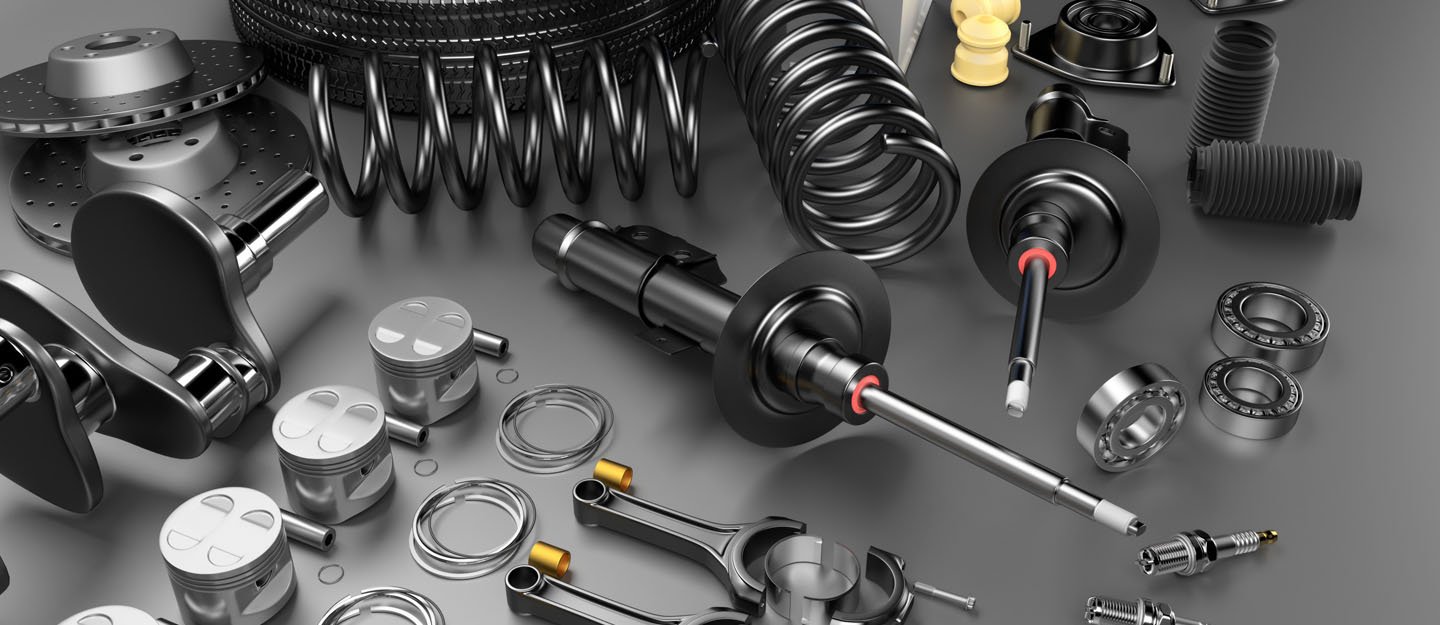
Top Car Parts You Should Always Keep in Stock

When it comes to maintaining your vehicle, having the right car parts on hand can save you time and hassle. Knowing which car parts you should always keep in stock ensures that you’re prepared for common issues and can avoid delays in getting your vehicle back on the road. Here’s a list of essential parts to have ready.

Car Parts You Should Always Keep in Stock

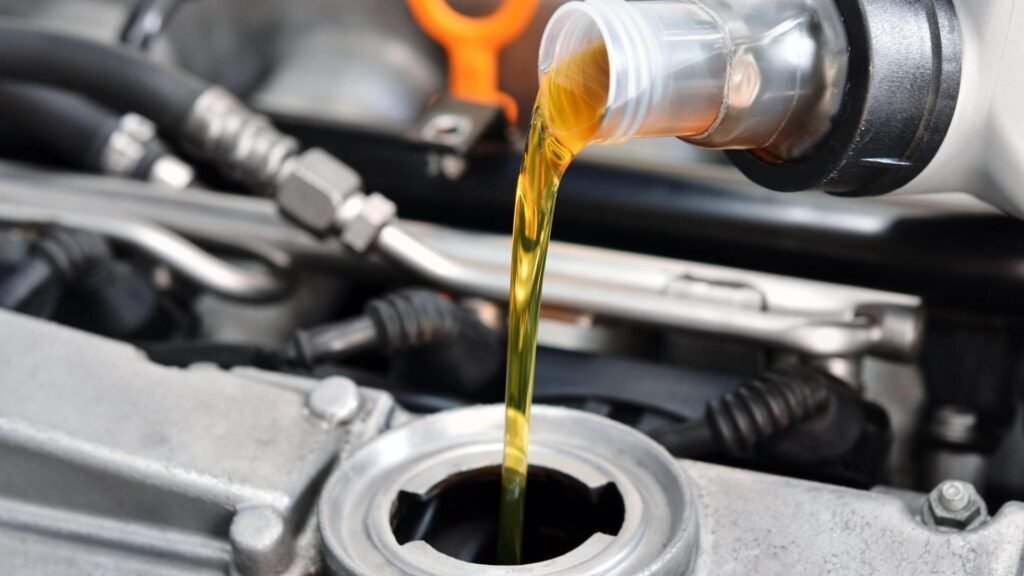
1. Engine Oil

One of the most crucial car parts you should always keep in stock is engine oil. Regular oil changes are vital for your engine’s health, and having extra oil on hand ensures you can top up or change the oil when needed. Make sure to choose the correct oil type for your vehicle.

Car Parts You Should Always Keep in Stock

2. Air Filters

Air filters are essential for keeping your engine running smoothly. A clean air filter improves fuel efficiency and engine performance. Keeping air filters in stock means you can replace them regularly to maintain optimal engine health.

3. Wiper Blades

Wiper blades are often overlooked but are crucial for clear visibility during rain or snow. Keeping wiper blades in stock allows you to replace them promptly when they wear out, ensuring your windshield stays clean and safe.

4. Brake Pads

Brake pads are a critical component of your vehicle’s braking system. Keeping brake pads in stock means you can replace them before they wear down too much, preventing damage to your rotors and ensuring safe braking performance.

5. Spark Plugs

Spark plugs are essential for engine ignition and overall performance. Keeping spark plugs in stock allows you to replace them as needed to avoid misfires and maintain efficient engine operation.

6. Battery

A car battery can fail unexpectedly, so it’s smart to have a spare battery or at least the necessary tools to jump-start your vehicle. Keeping a battery in stock ensures you’re not caught off guard by a dead battery.

7. Belts and Hoses

Belts and hoses play crucial roles in your vehicle’s engine and cooling system. Keeping belts and hoses in stock means you can replace them before they break, preventing potential engine damage and overheating.

8. Bulbs

Headlights, tail lights, and turn signal bulbs are vital for safe driving. Keeping spare bulbs in stock allows you to replace any burnt-out lights quickly, ensuring you remain visible on the road.

9. Cabin Air Filters

Cabin air filters help keep the air inside your vehicle clean and fresh. Keeping cabin air filters in stock ensures that you can replace them regularly, improving air quality and comfort for you and your passengers.

10. Fuel Filter

A fuel filter ensures that your fuel is clean and free of debris before it reaches the engine. Keeping a fuel filter in stock allows you to replace it periodically, preventing potential fuel system issues and maintaining engine performance.

11. Coolant

Coolant helps regulate your engine’s temperature and prevents overheating. Keeping coolant in stock ensures you can top up or replace it as needed, helping to avoid engine damage due to overheating.

12. Tire Pressure Monitoring Sensors

Tire pressure monitoring sensors alert you to low tire pressure, which can affect safety and fuel efficiency. Keeping tire pressure monitoring sensors in stock allows you to replace faulty ones and maintain proper tire pressure.

13. Jumper Cables

Jumper cables are a must-have for any car owner. Keeping jumper cables in stock means you can assist others or get a jump-start when your battery dies, saving you from being stranded.

14. Fuses

Fuses protect your vehicle’s electrical system from damage. Keeping a variety of fuses in stock ensures you can quickly replace any blown fuses and keep your vehicle’s electrical components working properly.

Conclusion

Knowing which car parts you should always keep in stock can save you time and money while ensuring your vehicle remains in top condition. From essential fluids and filters to crucial components like brake pads and batteries, having these parts on hand allows you to address common issues promptly and avoid unexpected problems. By preparing ahead, you can keep your car running smoothly and stay safe on the road.

A Guide to Jeep’s 4×4 Systems

Jeep has long been synonymous with off-road prowess, and a key component of that reputation is the brand’s advanced 4×4 systems. Whether you’re tackling rocky trails, deep snow, or sandy dunes, Jeep’s 4×4 systems are designed to keep you in control and moving forward. In this guide, we’ll break down the various 4×4 systems that Jeep offers, explaining how each works and what makes them ideal for different types of terrain.

1. Understanding 4×4 Basics

Before diving into Jeep’s specific systems, it’s essential to understand the basics of 4×4 technology. A 4×4 vehicle, also known as four-wheel drive (4WD), sends power to all four wheels simultaneously, providing better traction and control in challenging conditions. Unlike two-wheel drive systems, which only power the front or rear wheels, 4×4 systems are particularly useful in off-road situations where grip can be limited.

1.1. Part-Time vs. Full-Time 4×4

  • Part-Time 4×4: This system allows the driver to manually engage four-wheel drive when needed, usually via a lever or switch. It’s ideal for off-road use but should not be used on dry pavement, as it can cause drivetrain wear.
  • Full-Time 4×4: This system is always engaged, automatically distributing power between the front and rear wheels as needed. It provides better on-road handling while still offering off-road capability.

2. Jeep’s Selec-Terrain® Traction Management System

One of Jeep’s standout features is the Selec-Terrain® Traction Management System, available on models like the Grand Cherokee and Cherokee. This system allows drivers to optimize the vehicle’s performance based on the terrain they’re facing.

2.1. Selec-Terrain® Modes

  • Auto: Automatically adjusts the distribution of power to maintain optimal traction on various surfaces.
  • Snow: Enhances stability and reduces wheel spin for driving in snowy conditions.
  • Sand/Mud: Increases wheel spin for better traction in loose, soft surfaces like sand or mud.
  • Rock: Provides maximum traction and control on rocky terrain, ideal for slow-speed crawling.
  • Sport: Adjusts the system for more aggressive on-road driving, improving throttle response and handling.

3. Jeep’s Quadra-Trac® and Quadra-Drive® Systems

Jeep’s Quadra-Trac® and Quadra-Drive® systems are advanced full-time 4×4 systems that offer seamless performance across various terrains. These systems are particularly known for their ability to distribute power dynamically, ensuring the vehicle maintains traction in even the most challenging conditions.

3.1. Quadra-Trac I®

This is Jeep’s most basic full-time 4×4 system, which provides all-weather capability without any driver input. It’s ideal for drivers who want a simple, effective system that doesn’t require manual engagement.

3.2. Quadra-Trac II®

Quadra-Trac II® adds a two-speed transfer case, offering low-range gearing for more challenging off-road conditions. The system also includes Jeep’s Brake Lock Differential (BLD) system, which can automatically apply brakes to a slipping wheel and send power to the wheels with the most traction.

3.3. Quadra-Drive II®

The most advanced system in the Quadra-Trac lineup, Quadra-Drive II® includes an electronic limited-slip differential (ELSD) for both the front and rear axles. This allows for even more precise power distribution, making it the top choice for serious off-road enthusiasts who need maximum control.

4. Jeep Active Drive and Active Drive Low

Jeep’s Active Drive systems, available on models like the Jeep Renegade and Compass, are designed to offer superior on-road and off-road performance in a more compact package.

4.1. Jeep Active Drive

A fully automatic system that delivers seamless transitions between two-wheel drive and four-wheel drive, depending on road conditions. It’s perfect for drivers who primarily drive on-road but want the confidence of 4×4 capability when needed.

4.2. Jeep Active Drive Low

This system includes a 20:1 crawl ratio, making it ideal for light off-roading. The system offers the benefits of Active Drive with the added capability of low-range gearing for more demanding terrain.

5. Rock-Trac® 4×4 System

The Rock-Trac® 4×4 system is Jeep’s most rugged and capable off-road system, found on models like the Jeep Wrangler Rubicon. It’s designed for extreme off-roading, with features that provide maximum control and torque.

5.1. Features of Rock-Trac®

  • 4:1 Low Gear Ratio: This allows for slow, controlled crawling over rocks and rough terrain, providing more torque at the wheels.
  • Electronic Front Sway Bar Disconnect: This feature improves wheel articulation, allowing the wheels to stay in contact with the ground on uneven surfaces.
  • Tru-Lok® Differentials: Locking differentials on the front and rear axles ensure that power is evenly distributed, preventing wheel spin and enhancing traction.

6. Freedom Drive System

Available on the Jeep Patriot, the Freedom Drive system is a more basic 4×4 system that still offers the essential off-road capability. It’s designed for drivers who occasionally encounter challenging driving conditions but don’t require the advanced features of Jeep’s other systems.

6.1. Freedom Drive I®

A full-time system that provides on-demand 4×4 capability, making it suitable for most road conditions and light off-roading.

6.2. Freedom Drive II®

This system adds a selectable locking mode and a low-range capability, improving the vehicle’s off-road performance. It’s also paired with Jeep’s Hill Descent Control, which helps maintain control when descending steep slopes.

Conclusion

Jeep’s 4×4 systems are designed to offer a wide range of capabilities, from light off-roading to conquering the most challenging terrains. Whether you’re a casual driver who occasionally encounters rough conditions or a dedicated off-road enthusiast, there’s a Jeep 4×4 system tailored to your needs. By understanding the strengths and features of each system, you can choose the right Jeep model to take on your next adventure with confidence.

How to Choose the Right Tires for Your Vehicle

Selecting the right tires for your vehicle is crucial for safety, performance, and fuel efficiency. Tires affect your vehicle’s handling, comfort, and traction. Here’s a guide to help you choose the best tires for your needs.

How to Choose the Right Tires for Your Vehicle

1. Understand Your Tire Specifications

Check your vehicle’s owner’s manual or the tire information placard for recommended tire specifications:

  • Tire Size: Look for the correct tire size, which includes width, aspect ratio, and diameter.
  • Load Index and Speed Rating: Ensure the tires meet or exceed the load index and speed rating specified for your vehicle.

Choosing tires that match these specifications ensures proper fit and performance.

2. Consider Your Driving Conditions

Different tires perform better under specific conditions:

  • All-Season Tires: These are versatile and suitable for most driving conditions, including dry, wet, and light snow.
  • Winter Tires: Designed for severe snow and ice conditions, winter tires provide better traction and control in cold weather.
  • Performance Tires: Ideal for high-performance vehicles, these tires offer enhanced handling and speed capabilities.

Select tires based on your typical driving conditions to ensure optimal performance and safety.

3. Evaluate Tire Tread Patterns

The tread pattern affects traction, handling, and noise levels:

  • Symmetrical Tread: Offers balanced performance and long wear. Suitable for everyday driving.
  • Asymmetrical Tread: Provides enhanced handling and stability, often used in performance tires.
  • Directional Tread: Designed for better traction in wet conditions, often found in high-performance and winter tires.

Choose a tread pattern that matches your driving needs and conditions.

4. Check Tire Quality and Brand

Opt for reputable tire brands known for quality and reliability:

  • Brand Reputation: Established brands often provide better quality and durability.
  • Warranty: Look for tires with a good warranty that covers defects and performance issues.

Investing in high-quality tires from trusted brands can improve safety and longevity.

5. Compare Tire Prices

Prices can vary significantly between different brands and types:

  • Budget vs. Premium: Budget tires might save money upfront but could wear out faster. Premium tires offer better performance and durability.
  • Seasonal Sales: Look for promotions or sales to get the best value for your purchase.

Compare prices while considering quality to find the best balance between cost and performance.

6. Consult with a Professional

If unsure, seek advice from a tire professional or mechanic:

  • Expert Recommendations: Professionals can provide guidance based on your driving habits and vehicle requirements.
  • Installation and Balancing: Proper installation and balancing are essential for tire performance and safety.

Consulting a professional ensures you make an informed decision and get your tires installed correctly.

Conclusion

Choosing the right tires involves understanding tire specifications, considering your driving conditions, evaluating tread patterns, checking tire quality, comparing prices, and consulting professionals. By following these guidelines, you can select tires that enhance your vehicle’s performance, safety, and comfort.

Ways of Saving Money on Car Parts

If you’re looking for ways to save money on car parts, you’re in the right place. Buying car parts can be expensive, but there are several strategies to keep costs down without compromising on quality. Here’s a guide to help you save money on car parts effectively.

1. Compare Prices Online

One of the best ways of saving money on car parts is to compare prices from different online retailers. Websites like Amazon, eBay, and specialized auto parts stores often have competitive prices. By checking multiple sources, you can find the best deal for the parts you need.

Saving Money on Car Parts

2. Use Coupons and Promo Codes

Look for coupons and promo codes before making a purchase. Many online stores offer discounts through these codes. Searching for “car parts promo codes” or checking the retailer’s website for current offers can help you save money on your purchase.

3. Buy in Bulk

If you need to replace multiple parts or if you have a friend who also needs car parts, consider buying in bulk. Many retailers offer discounts on bulk purchases. This strategy can significantly reduce the cost of each part, helping you save money in the long run.

4. Opt for Aftermarket Parts

Aftermarket parts are often cheaper than OEM (Original Equipment Manufacturer) parts. When saving money on car parts, consider high-quality aftermarket options that meet or exceed OEM standards. Just ensure they are compatible with your vehicle.

5. Check for Refurbished Parts

Refurbished parts can be a cost-effective option. These parts are repaired and tested to ensure they work like new ones. Saving money on car parts with refurbished options can be a great way to get reliable components at a lower price.

6. Visit Salvage Yards

Salvage yards often have used car parts at a fraction of the new part’s cost. Saving money on car parts from salvage yards requires some effort but can be worth it. Just ensure the parts are in good condition and compatible with your vehicle.

7. Buy Directly from the Manufacturer

Sometimes buying directly from the manufacturer can result in savings. Many manufacturers offer online stores where you can purchase parts at lower prices than through third-party retailers. Saving money on car parts can be as simple as finding these direct purchasing options.

8. Join Loyalty Programs

Many auto parts retailers have loyalty programs that offer discounts and rewards. Saving money on car parts can be easier if you’re a member of these programs. Sign up for these programs to take advantage of exclusive offers and discounts.

9. Use a Parts Finder Tool

Online parts finder tools can help you locate the best prices for specific parts. Saving money on car parts involves using these tools to compare prices across different retailers quickly. This can ensure you’re getting the best deal available.

10. Look for Local Deals

Check out local auto parts stores for promotions and sales. Saving money on car parts can sometimes be achieved by shopping locally, where you might find exclusive in-store deals and discounts that aren’t available online.

11. Consider Reconditioned Parts

Reconditioned parts are another option to consider. These parts have been restored to good working condition and are often sold at a lower price than new parts. Saving money on car parts by choosing reconditioned items can be both economical and reliable.

12. Avoid Rush Purchases

Plan and avoid buying parts in a hurry. Rush purchases often lead to higher prices. Saving money on car parts means taking the time to research and buy parts when you find the best deals.

13. Check for Warranty and Return Policies

Ensure that the parts you’re buying come with a warranty and a good return policy. Saving money on car parts involves knowing that you can return or get a replacement if the part doesn’t work as expected. This can prevent additional costs in the future.

14. Utilize Price Matching Policies

Some retailers offer price matching if you find a lower price elsewhere. Saving money on parts can be as simple as asking your retailer if they match prices from competitors. This way, you get the best deal without having to switch stores.

15. Do It Yourself

If you’re handy with tools, consider installing the parts yourself. Saving money on parts also involves saving on labor costs. Many parts come with installation guides, and online tutorials can help you with the process.

Conclusion

Saving money on car parts is possible with a bit of research and smart shopping. By comparing prices, using discounts, and considering alternatives like aftermarket and refurbished parts, you can reduce costs while ensuring your vehicle remains in top shape. Implement these strategies to make your car maintenance budget go further.

Jeep’s Impact on the Global SUV Market

Jeep is more than just a brand; it’s a symbol of rugged reliability and adventure that has significantly shaped the global SUV market. From its origins as a military vehicle to becoming an iconic name in off-road and urban driving, Jeep’s influence on the SUV sector is profound and far-reaching. Let’s explore how Jeep has made its mark on the world stage.

1. The Birth of the SUV: Jeep’s Military Roots

Jeep’s story begins during World War II, with the development of the Willys MB, a versatile and robust vehicle designed for the U.S. military. The success of the Willys MB laid the foundation for the SUV (Sport Utility Vehicle) category, combining utility, durability, and off-road capability in a way that had never been seen before.

1.1. The Transition to Civilian Life

After the war, Jeep capitalized on its military success by introducing the CJ (Civilian Jeep) series. These vehicles retained the ruggedness of their military predecessors while being adapted for civilian use, effectively creating the first civilian SUV. This move not only broadened Jeep’s market but also set the standard for the emerging SUV segment.

The all-new, all-electric Jeep® Recon: 100% Jeep; 100% zero emission

2. Redefining Off-Road Capabilities

Jeep has always been synonymous with off-roading, and its continuous innovations in this area have set benchmarks for other SUV manufacturers. Models like the Jeep Wrangler and Cherokee have become legendary for their ability to handle the toughest terrains, inspiring countless other brands to develop their own off-road capable SUVs.

2.1. Trail-Rated Excellence

Jeep’s introduction of the “Trail Rated” badge in 2004 further solidified its dominance in the off-road segment. This designation certifies that a Jeep vehicle meets specific standards in areas like traction, water fording, maneuverability, articulation, and ground clearance. The Trail Rated badge has become a mark of excellence that other SUV manufacturers strive to achieve.

3. Jeep’s Global Expansion

While Jeep originated in the United States, its appeal has grown worldwide. Jeep’s global expansion has been driven by the brand’s ability to blend rugged off-road capabilities with modern comforts and technologies. Today, Jeep is a global leader in the SUV market, with a presence in over 150 countries.

3.1. Adapting to Global Markets

Jeep has successfully adapted its vehicles to meet the needs of diverse markets. For example, in Europe, where compact SUVs are popular, Jeep introduced models like the Renegade, which combines Jeep’s signature ruggedness with a smaller, more urban-friendly design. This adaptability has allowed Jeep to thrive in markets around the world, from North America to Asia and beyond.

4. Influencing SUV Design and Innovation

Jeep’s design philosophy has influenced the broader SUV market in significant ways. The brand’s commitment to creating vehicles that are both functional and stylish has pushed other manufacturers to innovate in their own SUV designs.

4.1. The Iconic Seven-Slot Grille

One of Jeep’s most recognizable design elements is the seven-slot grille, a feature that has become a symbol of Jeep’s rugged heritage. This iconic design has inspired countless imitations and variations in the SUV market, reinforcing Jeep’s influence on automotive design.

5. Leading the Way in SUV Technology

Jeep has consistently integrated cutting-edge technology into its vehicles, from advanced four-wheel-drive systems to the latest in infotainment and safety features. This focus on innovation has kept Jeep at the forefront of the SUV market, appealing to both traditional off-road enthusiasts and modern drivers.

5.1. The Evolution of 4×4 Systems

Jeep’s pioneering work in four-wheel-drive (4×4) technology has set the standard for the industry. The brand’s commitment to improving 4×4 systems has led to advancements like the Selec-Terrain® Traction Management System, which allows drivers to adjust their vehicle’s performance based on the terrain. This technology has been adopted by other SUV manufacturers, further cementing Jeep’s role as a leader in off-road innovation.

6. Jeep’s Role in the SUV Boom

The global demand for SUVs has surged in recent decades, and Jeep has played a central role in this boom. As consumers increasingly seek vehicles that offer both adventure and practicality, Jeep’s diverse lineup of SUVs has met this demand head-on.

6.1. A Growing Market

Jeep’s ability to consistently deliver vehicles that align with consumer trends has helped fuel the growth of the global SUV market. Whether through the rugged Wrangler, the luxurious Grand Cherokee, or the compact Renegade, Jeep has catered to a wide range of consumer preferences, ensuring its continued relevance in a rapidly evolving market.

Conclusion

Jeep’s impact on the global SUV market is undeniable. From its pioneering days as a military vehicle to its current status as a global leader in SUV innovation, Jeep has shaped the industry in countless ways. Its commitment to ruggedness, adaptability, and technological advancement has not only defined the brand but also influenced the entire SUV segment. As the automotive industry continues to evolve, Jeep’s legacy of adventure and innovation will undoubtedly continue to leave its mark on the world.

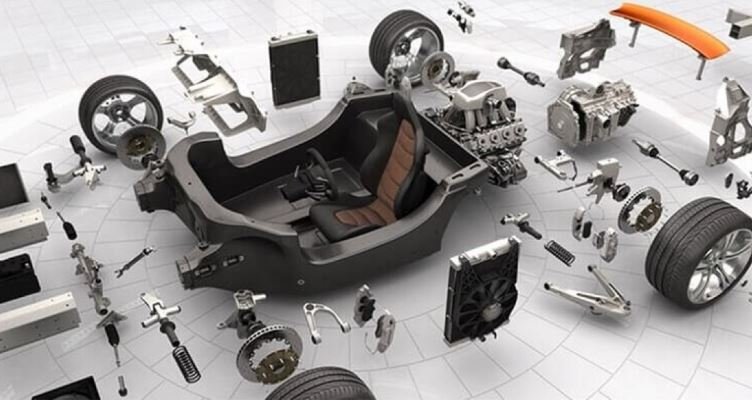
How to Identify Quality Car Parts for Your Car

When it comes to maintaining your vehicle, identifying quality car parts for your car is essential for ensuring performance and safety. High-quality parts can make a big difference in your car’s functionality and longevity. Here’s a guide to help you recognize and select the best parts for your vehicle.

1. Check for OEM Parts

One of the first steps in identifying quality parts for your car is to look for OEM (Original Equipment Manufacturer) parts. These are the same parts that came with your vehicle from the factory. OEM parts are designed to fit perfectly and perform as expected, making them a reliable choice.

How to Identify Quality Car Parts for Your Car

2. Research the Brand

The brand of the car part can be a good indicator of its quality. Reputable brands are often known for their durability and performance. When identifying parts for your car, choose parts from well-known and trusted brands to ensure you’re getting a reliable product.

3. Verify Compatibility

Ensure that the part you are buying is compatible with your vehicle. Identifying parts for your car involves checking the part number and specifications to match your car’s make, model, and year. Incorrectly matched parts can cause issues and reduce performance.

4. Look for Certifications

Certified parts often meet higher standards of quality. Identifying parts for your car means checking for certification marks or labels on the parts. These certifications indicate that the parts have been tested for safety and reliability.

5. Read Customer Reviews

Customer reviews provide valuable insights into the performance and durability of car parts. When identifying parts for your car, check online reviews and ratings. Reviews from other car owners can help you avoid parts that have common issues.

6. Inspect the Material

The material of the car part can affect its quality. Identifying car parts for your car involves checking the material used. High-quality parts are typically made from durable materials that can withstand wear and tear over time.

7. Check for Warranties

A warranty can be a good sign of a part’s quality. Identifying car parts for your car means looking for parts that come with a warranty. A warranty provides protection and assurance that the part is expected to perform well.

8. Compare Prices

While price alone isn’t a definitive indicator of quality, extremely low prices can be a red flag. When identifying car parts for your car, compare prices from different suppliers. Ensure that the price aligns with the part’s brand and certification.

9. Consult with a Mechanic

If you’re unsure about the quality of a car part, consult with a professional mechanic. Identifying car parts for your car can be challenging, and a mechanic can offer expert advice and recommend trusted parts.

10. Check for Proper Packaging

Quality car parts often come in well-packaged, professional-looking boxes. Identifying car parts for your car involves checking the packaging for any signs of tampering or poor quality. Proper packaging can be a good indicator of the part’s authenticity.

11. Avoid Unverified Sellers

Buy from reputable and verified sellers to ensure you’re getting quality parts. Identifying car parts for your car means avoiding sellers who don’t provide clear information about the parts or their authenticity. Stick to well-known and trusted sources.

12. Look for Installation Instructions

Good quality car parts usually come with clear installation instructions. Identifying parts for your car involves checking if the part includes detailed instructions or installation guides. This ensures that the part is designed for easy and correct installation.

13. Evaluate Performance Benefits

Consider the performance benefits of the part. Identifying quality parts for your car involves understanding how the part will enhance your vehicle’s performance. High-quality parts often provide better performance and efficiency.

14. Check for Recalls

Check manufacturer websites or recall databases for any relevant information.

Conclusion

Identifying quality parts for your car involves a combination of checking brand reputation, compatibility, certifications, and customer reviews. By following these guidelines, you can ensure that you select reliable and high-performing parts that will enhance your vehicle’s performance and longevity. Making informed decisions will help keep your car running smoothly and safely.