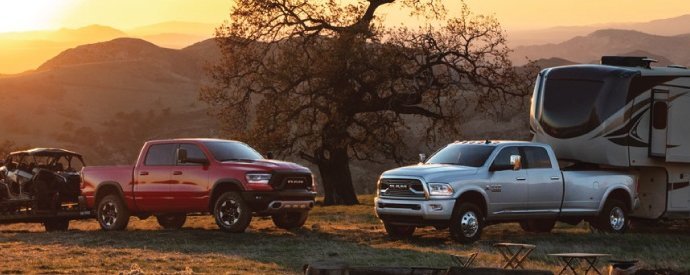
The Best Dodge Trucks for Off-Road Adventures

For those who crave the thrill of off-road adventures, choosing the right truck is essential. Dodge, known for its rugged and powerful vehicles, offers several trucks that are perfectly suited for tackling challenging terrains. Whether you’re looking to conquer rocky trails, deep mud, or sandy dunes, Dodge has a truck that can handle it all. In this blog post, we’ll explore the best Dodge trucks for off-road adventures, highlighting their key features and what makes them stand out in the world of off-roading.

1. Dodge Ram 1500 Rebel

Overview:
The Dodge Ram 1500 Rebel is a popular choice among off-road enthusiasts, thanks to its robust build and impressive off-road capabilities. Designed with adventure in mind, the Rebel combines comfort and performance, making it a versatile truck for both on-road and off-road driving.

Key Features:

  • Suspension: The Rebel comes with an off-road suspension system, including Bilstein shocks, which provide enhanced control and stability on rough terrains.
  • Tires: Equipped with 33-inch all-terrain tires, the Rebel is ready to tackle a variety of off-road conditions, from loose gravel to muddy trails.
  • Skid Plates: To protect vital components during off-road excursions, the Rebel features skid plates under the transfer case, fuel tank, and front suspension.
  • Electronic Locking Rear Differential: This feature ensures that both rear wheels receive equal power, providing better traction on uneven surfaces.

Why It’s Great for Off-Roading:
The Ram 1500 Rebel is built for those who love to explore off the beaten path. With its rugged construction, advanced off-road features, and powerful engine options, the Rebel is a top contender for anyone looking to take their adventures off-road.

2. Dodge Ram Power Wagon

Overview:
The Dodge Ram Power Wagon is an off-road powerhouse, specifically engineered to handle the toughest terrains. Based on the Ram 2500, the Power Wagon offers heavy-duty capabilities combined with off-road enhancements, making it one of the most capable trucks in its class.

Key Features:

  • Winch: The Power Wagon comes standard with a 12,000-pound Warn winch integrated into the front bumper, allowing you to pull yourself or others out of sticky situations.
  • Articulink Front Suspension: This unique suspension system includes an electronic sway bar disconnect, providing better wheel articulation and traction on uneven terrain.
  • Locking Differentials: Both front and rear electronic locking differentials ensure maximum power is delivered to all wheels, providing superior traction in challenging conditions.
  • Ground Clearance: With a ground clearance of 14.2 inches, the Power Wagon can easily navigate over obstacles without damaging the undercarriage.

Why It’s Great for Off-Roading:
The Ram Power Wagon is built for serious off-road enthusiasts who need a truck that can handle extreme conditions. With its heavy-duty build, off-road-specific features, and powerful engine, the Power Wagon is ready to take on any adventure, no matter how challenging.

3. Dodge Ram 2500

Overview:
While the Ram 2500 is known for its towing and hauling capabilities, it’s also a solid choice for off-road adventures, especially when equipped with the Off-Road Package. This heavy-duty truck offers a balance of power, durability, and off-road performance, making it a versatile option for those who need a truck that can do it all.

Key Features:

  • Off-Road Package: The Off-Road Package includes features like skid plates, tow hooks, hill descent control, and upgraded shocks, making the Ram 2500 more capable on rough terrains.
  • Four-Wheel Drive: With a robust four-wheel-drive system, the Ram 2500 can handle a variety of off-road conditions, from steep inclines to deep mud.
  • Powerful Engine Options: The Ram 2500 offers powerful engine options, including a 6.4L HEMI V8 and a 6.7L Cummins Turbo Diesel, providing the torque and power needed for off-road challenges.

Why It’s Great for Off-Roading:
The Ram 2500, especially with the Off-Road Package, offers a blend of power and off-road features that make it a great choice for those who need a truck that can handle both work and play. Its durability and off-road capabilities make it a reliable companion for off-road adventures.

4. Dodge Ram 1500 TRX

Overview:
The Dodge Ram 1500 TRX is the ultimate off-road performance truck, designed to dominate in extreme conditions. With a supercharged 6.2L HEMI V8 engine and a host of off-road features, the TRX is not just a truck; it’s an off-road beast.

Key Features:

  • Supercharged Engine: The TRX’s supercharged 6.2L HEMI V8 engine delivers an astounding 702 horsepower, making it one of the most powerful trucks on the market.
  • Off-Road Suspension: The TRX features a performance-tuned suspension with Bilstein Black Hawk e2 shocks, providing exceptional control and comfort on rough terrains.
  • Terrain Management System: The TRX comes with a comprehensive terrain management system, allowing you to adjust the truck’s settings for different off-road conditions, including sand, mud, and rock.
  • High Ground Clearance: With 11.8 inches of ground clearance, the TRX can easily navigate over large obstacles and rough terrain.

Why It’s Great for Off-Roading:
The Ram 1500 TRX is designed for those who want the ultimate off-road experience. Its powerful engine, advanced suspension, and off-road features make it a top choice for anyone looking to push the limits of off-road driving.

Conclusion

When it comes to off-road adventures, Dodge offers some of the best trucks in the industry. Whether you’re looking for a versatile truck like the Ram 1500 Rebel or a heavy-duty off-road machine like the Power Wagon, there’s a Dodge truck that’s perfect for your needs. Each of these trucks brings something unique to the table, ensuring that you can tackle any off-road challenge with confidence and style.

The Rise and Fall of Chrysler’s Plymouth Brand

The Plymouth brand, once a cornerstone of Chrysler’s automotive lineup, played a significant role in shaping the American automotive industry. Known for its affordability, innovation, and design, Plymouth was a favorite among car buyers for decades. However, despite its early success, the brand eventually faced challenges that led to its decline and discontinuation. This blog post explores the rise and fall of Chrysler’s Plymouth brand, examining its history, key models, and lasting legacy.

1. The Birth of the Plymouth Brand

Early Beginnings:
Plymouth was introduced by Chrysler in 1928 as a low-priced alternative to compete with Ford and Chevrolet. Named after Plymouth Rock, the brand was aimed at budget-conscious consumers looking for reliable and affordable vehicles.

Initial Success:

  • Affordable Innovation: Plymouth quickly gained popularity by offering features typically found in more expensive cars, such as hydraulic brakes and rubber engine mounts, at an affordable price.
  • Market Positioning: Positioned as Chrysler’s entry-level brand, Plymouth provided an accessible option for first-time car buyers and those seeking value for money.

Impact on Chrysler:

  • Sales Growth: The introduction of Plymouth helped Chrysler grow its market share during the Great Depression, as consumers sought out affordable yet dependable vehicles.
  • Brand Recognition: By the 1930s, Plymouth had established itself as a major player in the automotive market, becoming one of the top-selling car brands in the United States.

2. Plymouth’s Golden Era

Post-War Boom:
The post-World War II era marked a period of prosperity for Plymouth, with the brand experiencing a surge in popularity. The 1950s and 1960s were particularly successful years for Plymouth, as it introduced several iconic models that resonated with American consumers.

Key Models:

  • Plymouth Belvedere: Introduced in 1951, the Belvedere became a symbol of mid-century American style with its sleek design and powerful V8 engine.
  • Plymouth Fury: Launched in 1956, the Fury was known for its performance and stylish looks, becoming one of Plymouth’s most famous models.
  • Plymouth Barracuda: In 1964, Plymouth entered the muscle car market with the Barracuda, a model that would become legendary in automotive history.

Cultural Impact:

  • Hollywood and Pop Culture: Plymouth cars became iconic in American pop culture, with models like the 1958 Plymouth Fury starring in films such as “Christine,” further cementing the brand’s place in automotive history.
  • Motorsport Success: Plymouth also made its mark in motorsports, particularly with its high-performance muscle cars that competed in NASCAR and drag racing events.

3. The Decline of Plymouth

Challenges in the 1970s:
Despite its earlier success, Plymouth began to face challenges in the 1970s. The oil crisis, changing consumer preferences, and increased competition led to declining sales and market share.

Factors Contributing to the Decline:

  • Fuel Efficiency Concerns: The oil crisis of the 1970s prompted a shift towards more fuel-efficient vehicles, a trend that Plymouth struggled to adapt to with its larger, less efficient models.
  • Brand Identity Crisis: Plymouth’s position as an entry-level brand became blurred as Chrysler’s other brands, like Dodge and Chrysler, expanded their own lineups, leading to internal competition.
  • Market Competition: The rise of Japanese automakers offering affordable and fuel-efficient cars further eroded Plymouth’s market share.

Attempts at Revival:

  • Rebranding Efforts: In the 1980s and 1990s, Chrysler attempted to revive Plymouth with new models like the Plymouth Voyager minivan and the Plymouth Neon, but these efforts were not enough to reverse the brand’s decline.
  • Limited Innovation: While Plymouth introduced some innovative models during this period, the brand struggled to maintain its distinct identity in an increasingly competitive market.

4. The End of an Era

Discontinuation in 2001:
After years of declining sales and reduced market presence, Chrysler made the difficult decision to discontinue the Plymouth brand in 2001. The last model produced under the Plymouth nameplate was the 2001 Plymouth Neon.

Legacy of Plymouth:

  • Impact on Chrysler: Despite its discontinuation, Plymouth’s legacy lives on within Chrysler’s history, having played a crucial role in the company’s growth and success during its formative years.
  • Collector’s Value: Many Plymouth models, particularly those from the brand’s golden era, are highly sought after by collectors and car enthusiasts, preserving the brand’s legacy in automotive history.
  • Cultural Memory: Plymouth remains a symbol of American automotive innovation and style, remembered fondly by those who experienced the brand’s heyday.

5. Conclusion

The rise and fall of Chrysler’s Plymouth brand is a story of innovation, success, and eventual decline. From its early days as an affordable alternative to its golden era of iconic models, Plymouth left a lasting impact on the American automotive landscape. While the brand may no longer be in production, its legacy continues to influence car enthusiasts and collectors alike, reminding us of a time when Plymouth was a driving force in the industry.

Chrysler Concept Cars: A Glimpse into the Future

Chrysler concept cars offer a fascinating preview of the brand’s future direction in automotive design and technology. These vehicles push the boundaries of innovation, blending cutting-edge technology with bold design elements. Chrysler’s concept cars provide insight into how the brand envisions the future of driving, reflecting its commitment to staying at the forefront of the automotive industry.

Chrysler Concept Cars: A Glimpse into the Future

1. The Chrysler Portal: A Vision of Autonomous Mobility

The Chrysler Portal concept car, introduced in 2017, represents Chrysler’s vision of future mobility. This all-electric, autonomous vehicle is designed with millennials in mind, offering advanced connectivity, modular seating, and personalized driving experiences. The Portal features facial recognition, voice commands, and seamless integration with personal devices. This concept car showcases Chrysler’s focus on autonomous driving technology and the future of shared mobility.

2. Chrysler Airflow: Redefining Electric Luxury

The Chrysler Airflow concept, unveiled in 2022, signals the brand’s commitment to electric vehicles. This sleek, all-electric SUV combines luxury with sustainable design. The Airflow features a spacious interior with cutting-edge infotainment systems, personalized user interfaces, and advanced driver assistance technologies. The vehicle’s aerodynamic design enhances efficiency, while its electric powertrain offers a glimpse into Chrysler’s future in electrification. The Airflow demonstrates how Chrysler plans to integrate luxury with eco-friendly technology.

3. The ME Four-Twelve: Performance Meets Innovation

The Chrysler ME Four-Twelve, introduced in 2004, is a high-performance supercar concept that showcased Chrysler’s engineering prowess. Powered by a quad-turbo V12 engine, the ME Four-Twelve was capable of reaching speeds over 240 mph. Although it never entered production, this concept car highlighted Chrysler’s ability to push the limits of performance and technology. The ME Four-Twelve remains a symbol of Chrysler’s potential in creating high-performance vehicles.

4. Chrysler 700C: The Future of Family Transportation

The Chrysler 700C, revealed in 2012, offered a new take on the family minivan. With its futuristic design, the 700C combined the practicality of a minivan with the sleekness of a modern vehicle. The concept featured a bold, aerodynamic exterior, advanced interior technology, and flexible seating configurations. While the 700C never made it to production, it influenced the design of future Chrysler minivans, showcasing how the brand continues to innovate in family transportation.

Conclusion

Chrysler’s concept cars provide a captivating look into the future of automotive design and technology. From autonomous mobility to electric luxury and high-performance engineering, these vehicles reflect Chrysler’s vision for the future. While not all concept cars reach production, they serve as important markers of innovation and ambition, guiding Chrysler’s journey toward the future of driving.

Best Chrysler Models for Long-Distance Driving

Are you searching for the best Chrysler models for long-distance driving? If so, you’re in the right place! When you’re planning a road trip or simply need a reliable vehicle for extensive journeys, choosing the right car is crucial. Chrysler offers several models that excel in comfort, performance, and efficiency, making them ideal for long trips. In this article, we’ll look at some of the top Chrysler models for long-distance driving and why they stand out.

Chrysler Models for Long-Distance Driving

1. Chrysler Pacifica

The Chrysler Pacifica is one of the best Chrysler models for long-distance driving. This minivan offers spacious seating for up to eight passengers, making it perfect for family trips. The Pacifica comes with an advanced infotainment system, which includes a large touchscreen, navigation, and connectivity features to keep everyone entertained. Its smooth ride and comfortable seats ensure that you and your passengers will arrive at your destination feeling refreshed.

Chrysler Models for Long-Distance Driving

2. Chrysler Voyager

Another great option is the Chrysler Voyager. This model is similar to the Pacifica but comes at a more budget-friendly price. It still provides ample space and comfort, making it a solid choice for long journeys. The Voyager features a well-designed cabin with supportive seats and a user-friendly infotainment system. Its fuel efficiency also helps keep long trips economical.

3. Chrysler 300

For those who prefer a sedan, the Chrysler 300 is an excellent choice among Chrysler models for long-distance driving. The 300 offers a powerful engine, smooth ride quality, and a spacious interior. With its upscale materials and advanced technology, it provides both comfort and style. The Chrysler 300 also features a range of driver-assistance systems that enhance safety on long drives.

4. Chrysler 200

Although the Chrysler 200 is no longer in production, it remains a solid option for long-distance travel if you find a used model. This midsize sedan offers a comfortable ride and decent fuel efficiency. It has a quiet cabin and straightforward infotainment system, making long trips more pleasant. The 200’s nimble handling also adds to its appeal for highway driving.

5. Chrysler Aspen

The Chrysler Aspen, though discontinued, was known for its spacious interior and strong performance. If you can find a used Aspen, it offers plenty of room for passengers and luggage. Its V8 engine provides ample power for highway driving, and its comfortable seats ensure a smooth ride on long trips.

Comfort and Technology Features

When considering Chrysler models for long-distance driving, comfort and technology are key factors. Models like the Chrysler Pacifica and Voyager come equipped with features like heated seats, adaptive cruise control, and advanced infotainment systems. These features help make long journeys more enjoyable and less stressful.

Fuel Efficiency

Fuel efficiency is another important aspect of long-distance driving. The Chrysler 300 and 200 offer good fuel economy, which is crucial for reducing the number of fuel stops on your trip. The Chrysler Pacifica also has a hybrid version that can improve fuel efficiency even further, making it a great option for long drives.

Safety

Safety is a top priority when driving long distances. Many Chrysler models come with a range of safety features, including lane-keeping assist, blind-spot monitoring, and automatic emergency braking. These features help you stay safe on the road and give you peace of mind during long journeys.

Reliability

Reliability is crucial for long-distance driving. Chrysler vehicles are generally known for their durability and long-lasting performance. Models like the Chrysler 300 and Pacifica have a reputation for reliability, making them trustworthy choices for your next road trip.

Space and Storage

For long trips, having enough space for passengers and luggage is essential. The Chrysler Pacifica excels in this area with its spacious interior and ample cargo space. The Voyager also provides good storage options. In sedans like the Chrysler 300, you’ll find enough trunk space for your essentials.

Driving Experience

The driving experience in Chrysler models is designed for comfort and ease. The Pacifica and 300 offer smooth rides with responsive handling. The Voyager’s driving dynamics are also pleasant, providing a comfortable journey on highways and long roads.

Conclusion

In summary, the best Chrysler models for long-distance driving include the Chrysler Pacifica, Voyager, 300, and even the older 200 and Aspen. Each model offers a blend of comfort, technology, and reliability, making them excellent choices for your next road trip. By considering factors like space, fuel efficiency, and safety, you can select the Chrysler model that best meets your needs for long journeys.

Exploring Chrysler’s Impact on the American Muscle Car Scene

Chrysler has played a pivotal role in shaping the American muscle car scene, leaving an indelible mark on automotive history. From the legendary muscle cars of the 1960s and 1970s to modern-day performance vehicles, Chrysler’s contribution to the muscle car culture is both significant and enduring. This blog post explores Chrysler’s impact on the muscle car scene, highlighting key models, performance innovations, and the brand’s legacy.

1. The Birth of the Muscle Car Era

The Early Days:
The American muscle car era began in the 1960s, a time when automakers sought to capture the spirit of performance and speed. Chrysler was at the forefront of this movement, introducing some of the most iconic muscle cars that defined the genre.

Key Models:

  • Chrysler 300 Hurst: Known for its powerful V8 engine and sleek design, the Chrysler 300 Hurst was a symbol of high performance and luxury.
  • Dodge Charger R/T: Introduced in 1966, the Charger R/T quickly became synonymous with muscle car performance, featuring aggressive styling and a powerful engine lineup.

Consumer Impact:

  • Performance: Chrysler’s early muscle cars offered impressive horsepower and speed, catering to enthusiasts who craved high-performance vehicles.
  • Design: The bold and distinctive design elements of Chrysler muscle cars captured the essence of the era and appealed to a wide audience.

2. Iconic Muscle Cars of the 1960s and 1970s

Defining Moments:
The 1960s and 1970s were a golden age for muscle cars, with Chrysler producing several models that became legends in their own right.

Iconic Models:

  • Dodge Challenger R/T: Launched in 1970, the Challenger R/T featured a range of powerful engines and a striking design, making it a standout in the muscle car market.
  • Plymouth Barracuda: Known for its innovative design and performance options, the Barracuda was one of Chrysler’s first muscle cars and set the stage for future models.

Legacy:

  • Performance Innovations: Chrysler’s use of high-output engines and performance tuning set new standards for the muscle car segment.
  • Cultural Impact: These models became symbols of American automotive prowess and remain highly sought after by collectors and enthusiasts.

3. Chrysler’s Role in the Modern Muscle Car Scene

Revival and Innovation:
The muscle car scene saw a revival in the early 2000s, with Chrysler reintroducing classic models and innovating with new performance technology.

Modern Models:

  • Dodge Challenger SRT Hellcat: A modern take on the classic Challenger, the Hellcat features a supercharged HEMI® V8 engine, delivering extraordinary power and performance.
  • Dodge Charger SRT Hellcat: Building on the legacy of the Charger, the SRT Hellcat offers impressive speed and handling with its powerful engine and advanced performance features.

Consumer Appeal:

  • Performance: Modern Chrysler muscle cars continue to offer high performance and cutting-edge technology, appealing to a new generation of enthusiasts.
  • Design: The retro-inspired designs of contemporary models pay homage to the classic muscle cars while incorporating modern styling and features.

4. Chrysler’s Influence on Muscle Car Culture

Cultural Impact:
Chrysler’s muscle cars have become cultural icons, influencing automotive design, performance standards, and popular culture.

Key Contributions:

  • Film and Media: Chrysler’s muscle cars have appeared in numerous films and television shows, further cementing their status as symbols of American automotive excellence.
  • Automotive Competitions: Chrysler’s performance vehicles have achieved success in various motorsport events, showcasing their capabilities and reinforcing their reputation.

Consumer Engagement:

  • Car Shows and Events: Chrysler muscle cars are celebrated at car shows and enthusiast events, where their history and performance are honored by fans and collectors.

5. Looking to the Future

Ongoing Legacy:
As the automotive industry evolves, Chrysler remains committed to preserving its muscle car heritage while embracing new technologies and innovations.

Future Developments:

  • Electric Performance: Chrysler is exploring electric performance vehicles that aim to blend the excitement of muscle cars with the benefits of electric propulsion.
  • Continued Innovation: The brand’s commitment to performance and innovation ensures that its muscle car legacy will continue to influence the industry.

Conclusion

Chrysler’s impact on the American muscle car scene is both profound and enduring. From the iconic models of the 1960s and 1970s to the modern performance vehicles of today, Chrysler has consistently pushed the boundaries of automotive design and engineering. As the brand continues to innovate and adapt, its legacy in the muscle car culture remains a testament to its commitment to performance and excellence.

Tips for Buying a Used Chrysler Vehicle

When it comes to buying a used Chrysler vehicle, you want to make sure you’re making a smart choice. With careful consideration and a few key steps, you can find a reliable and well-maintained Chrysler that suits your needs. Here are some essential tips for buying a used Chrysler vehicle.

Ways of Buying a Used Chrysler Vehicle

1. Set a Budget

Before you start shopping, determine your budget for buying a used Chrysler vehicle. Consider not only the purchase price but also ongoing costs like insurance, maintenance, and fuel. Setting a clear budget helps narrow down your options and keeps you from overspending.

Buying a Used Chrysler Vehicle

2. Research Models and Features

Different Chrysler models come with various features and options. Research which models meet your needs and preferences. Look at factors such as fuel efficiency, safety features, and technology. Knowing what you want will make the process of buying a used Chrysler vehicle easier.

3. Check Vehicle History

A crucial step in buying a used Chrysler vehicle is checking its history report. Use services like Carfax or AutoCheck to find out if the vehicle has been in any accidents, has a clean title, or has had any major repairs. This information helps you avoid potential problems.

4. Inspect the Exterior

When viewing a used Chrysler, carefully inspect the exterior for any signs of damage. Look for dents, scratches, and rust. Ensure that all doors, windows, and lights are in good working condition. The condition of the exterior can give you clues about how well the car has been maintained.

5. Examine the Interior

The interior of a used Chrysler vehicle should be checked for wear and tear. Examine the seats, dashboard, and controls. Look for any signs of excessive wear or damage. Test all interior features, such as the air conditioning, radio, and navigation system, to ensure they work properly.

6. Take a Test Drive

Never buy a used Chrysler vehicle without taking it for a test drive. During the drive, pay attention to how the vehicle handles, brakes, and accelerates. Listen for any unusual noises and test the comfort and visibility. A test drive is crucial to assess the vehicle’s condition.

7. Verify Mileage

Check the mileage on the used Chrysler vehicle to ensure it is consistent with the car’s age and condition. Higher mileage isn’t necessarily a deal-breaker, but it should be reflected in the price. Ensure that the mileage on the odometer matches the vehicle history report.

8. Check the Maintenance Records

Ask the seller for the maintenance records of the used Chrysler vehicle. Regular maintenance is a good sign that the vehicle has been well cared for. Look for records of oil changes, tire rotations, and other routine services.

9. Inspect the Tires

The condition of the tires can reveal a lot about the vehicle’s overall condition. Check for even wear and tear on all four tires. Uneven wear could indicate alignment issues or suspension problems. Consider having a professional check the tires if you’re unsure.

10. Review the Vehicle’s Title

Ensure that the vehicle’s title is clear and not marked as salvage or rebuilt. A clean title means the car has not been declared a total loss by an insurance company. This is a key aspect to verify when buying a used Chrysler vehicle.

11. Negotiate the Price

Once you have all the information, be prepared to negotiate the price. Use the research you’ve done on the vehicle’s condition and market value to justify your offer. Don’t be afraid to negotiate to get a fair deal.

12. Consider a Pre-Purchase Inspection

For added peace of mind, consider having a trusted mechanic perform a pre-purchase inspection on the used Chrysler vehicle. This can help identify any hidden issues that may not be apparent during a visual inspection or test drive.

13. Review Warranty Options

Check if the used Chrysler vehicle comes with any remaining warranty or if you can purchase an extended warranty. A warranty can provide additional protection and peace of mind in case of unexpected repairs.

Conclusion

Buying a used Chrysler vehicle can be a smooth process if you follow these tips. By setting a budget, researching models, and carefully inspecting the vehicle, you can make an informed decision and find a car that meets your needs. Remember, thorough preparation and attention to detail are key to a successful purchase.

How to Upgrade Your Chrysler’s Infotainment System

Upgrading Chrysler’s infotainment system can significantly enhance your driving experience. Whether you want the latest technology or simply need better functionality, a modern infotainment system can offer you more features and smoother performance. Let’s give you a step-by-step guide on how to upgrade your Chrysler’s infotainment system.

1. Evaluate Your Current System

Before upgrading, take a close look at Chrysler’s infotainment system currently in your vehicle. Check its features, compatibility, and the version of the software. Understanding what you have will help you decide what upgrades or replacements are needed.

Chrysler's Infotainment System
Chrysler’s Infotainment System

2. Research Compatible Upgrades

Not all infotainment systems are compatible with every Chrysler model. Research which systems are compatible with your specific Chrysler model and year. Look for systems that offer the features you need, such as Apple CarPlay, Android Auto, or advanced navigation.

3. Check for Manufacturer Updates

Sometimes, Chrysler offers updates for its existing infotainment systems. Check the manufacturer’s website or contact your dealership to see if there are software updates available for your current system. Updating the software can improve functionality and add new features without a full upgrade.

4. Choose the Right Infotainment System

Once you know what you need, select an infotainment system that fits your Chrysler. Many aftermarket systems offer advanced features that may not be available in your current setup. Make sure to choose a system that is compatible with your vehicle’s existing hardware.

5. Purchase the Necessary Components

After selecting the right infotainment system, purchase all necessary components. This may include the new head unit, wiring harnesses, mounting kits, and additional adapters. Ensuring you have all the required parts will make the installation process smoother.

6. Prepare for Installation

Before you begin the installation, make sure your vehicle is parked in a safe and well-lit area. Gather all your tools and read through the installation instructions thoroughly. If you’re not comfortable with DIY installations, consider hiring a professional to help.

7. Remove the Old Infotainment System

Start by carefully removing the old infotainment system from your Chrysler. This usually involves removing the dashboard panel and disconnecting the existing wiring. Keep track of all screws and connectors for reassembly.

8. Install the New Infotainment System

Install the new infotainment system by following the instructions provided by the unit. Connect the wiring harnesses, mount the new system securely, and ensure all connections are properly made. Take your time to avoid damaging any components.

9. Test the New System

Once installed, power up your Chrysler and test the new infotainment system. Check all functions, including navigation, Bluetooth, and media controls. Make sure everything is working correctly and that the system integrates well with your vehicle’s existing features.

10. Update the Software

After installation, check if there are any software updates available for the new infotainment system. Manufacturers often release updates that improve performance and add new features. Keeping your system updated ensures you get the best experience.

11. Customize Your Settings

Take some time to customize the settings on your new infotainment system. Adjust preferences such as display settings, audio options, and connectivity preferences to suit your needs and enhance your driving experience.

12. Explore New Features

Familiarize yourself with the new features of your upgraded infotainment system. Many systems offer advanced options such as voice control, enhanced navigation, and better smartphone integration. Exploring these features can help you get the most out of your upgrade.

13. Maintain the System

Regular maintenance is key to keeping Chrysler’s infotainment system running smoothly. Clean the screen and ensure that the system remains free from dust and debris. Regularly check for software updates to keep the system functioning optimally.

14. Seek Professional Help if Needed

If you encounter any issues during installation or while using the new system, don’t hesitate to seek professional help. A certified technician can assist with troubleshooting and ensure that the system is installed and functioning correctly.

15. Enjoy Your Upgraded Infotainment System

With the new infotainment system in place, enjoy the enhanced features and improved functionality. Whether it’s better connectivity, advanced navigation, or a more intuitive interface, upgrading Chrysler’s infotainment system will make your driving experience more enjoyable.

Conclusion

Upgrading Chrysler’s infotainment system can bring numerous benefits and modern features to your vehicle. By following these steps, you can ensure a smooth upgrade process and enjoy a more connected and entertaining driving experience. Remember to research, prepare, and test thoroughly to get the most out of your new system.

How Chrysler is Adapting to Changing Consumer Preferences

In an ever-evolving automotive landscape, Chrysler is making significant strides to adapt to changing consumer preferences. As the automotive industry faces shifts in technology, environmental concerns, and lifestyle demands, Chrysler is strategically evolving its offerings to remain relevant and competitive. This blog post explores how Chrysler is responding to modern automotive trends and what it means for consumers.

1. Embracing Electric Vehicles

Shift to Electrification:
With the growing emphasis on sustainability and reducing carbon footprints, Chrysler has committed to electrifying its vehicle lineup. The introduction of the Chrysler Airflow concept marks a significant step towards fully electric vehicles, showcasing the brand’s dedication to innovation and eco-friendly technology.

Key Developments:

  • Electric Powertrain: Chrysler’s electric vehicles (EVs) are designed to offer impressive range, performance, and advanced charging capabilities.
  • Sustainability: The brand is focusing on using sustainable materials and manufacturing processes to minimize environmental impact.

Consumer Benefits:

  • Reduced Emissions: Electric vehicles contribute to lower emissions and a cleaner environment.
  • Cost Savings: Lower operating costs and potential incentives for EV purchases make them an attractive option for consumers.

2. Enhancing In-Car Technology

Technological Integration:
As technology continues to advance, consumers expect more from their vehicles in terms of connectivity, entertainment, and convenience. Chrysler is addressing these demands by integrating cutting-edge technology into its models.

Key Features:

  • Uconnect® Infotainment System: Chrysler’s Uconnect® system offers seamless connectivity, navigation, and entertainment options with a user-friendly interface.
  • Advanced Driver Assistance Systems (ADAS): Features like adaptive cruise control, lane-keeping assist, and automatic emergency braking enhance safety and convenience.

Consumer Benefits:

  • Improved Connectivity: Enhanced infotainment systems keep drivers connected and entertained.
  • Safety: Advanced safety features provide peace of mind and assist in avoiding accidents.

3. Focusing on Sustainability and Efficiency

Commitment to Green Initiatives:
Chrysler is increasingly focusing on sustainability, not only through electric vehicles but also by adopting eco-friendly practices in manufacturing and materials.

Key Initiatives:

  • Recycled Materials: Chrysler is exploring the use of recycled and sustainable materials in vehicle interiors and components.
  • Efficient Manufacturing: The brand is working on reducing waste and energy consumption in its manufacturing processes.

Consumer Benefits:

  • Eco-Friendly Choices: Consumers can choose vehicles that align with their values of environmental responsibility.
  • Efficiency: Improved fuel economy and lower emissions contribute to a more sustainable driving experience.

4. Meeting Evolving Consumer Preferences

Adapting to Market Trends:
Consumer preferences are shifting towards more versatile, technology-rich, and environmentally friendly vehicles. Chrysler is adapting its lineup to meet these evolving demands.

Key Trends:

  • Versatility: The introduction of new models and trims that cater to diverse lifestyles, from family-oriented vehicles to performance-oriented options.
  • Customization: Offering more customization options allows consumers to tailor their vehicles to their preferences.

Consumer Benefits:

  • Personalization: Enhanced options for customization ensure that consumers can find a vehicle that suits their individual needs and preferences.
  • Diverse Choices: A broader range of models and features provides more choices to meet varying demands.

5. Investing in Future Mobility

Exploring New Technologies:
Chrysler is also investing in research and development to explore future mobility solutions, including autonomous driving and smart city integration.

Key Investments:

  • Autonomous Vehicles: Research into self-driving technology aims to enhance safety and convenience.
  • Smart Technology: Integration with smart city infrastructure to improve traffic management and driving efficiency.

Consumer Benefits:

  • Innovation: Access to the latest technological advancements and potential future features.
  • Enhanced Safety and Convenience: Future technologies are expected to improve overall driving experiences.

Conclusion

Chrysler is actively adapting to changing consumer preferences by embracing electric vehicles, enhancing in-car technology, focusing on sustainability, and investing in future mobility solutions. These efforts reflect the brand’s commitment to meeting modern automotive trends and addressing the evolving needs of consumers. As Chrysler continues to innovate, consumers can expect a range of exciting and forward-thinking options that align with their values and lifestyles.

Chrysler’s Most Popular SUVs: A Comprehensive Review

Chrysler has long been known for its innovative and stylish vehicles, and its SUVs are no exception. From family-friendly features to rugged performance, Chrysler’s SUVs offer a diverse range of options to meet various needs. In this review, we’ll explore some of Chrysler’s most popular SUVs, highlighting their features, performance, and what sets them apart from the competition.

1. Chrysler Pacifica

Overview:
The Chrysler Pacifica is a standout in the minivan segment but deserves recognition for its SUV-like versatility and family-friendly features. Although primarily classified as a minivan, its design and functionality often appeal to SUV enthusiasts.

Key Features:

  • Interior: Spacious seating for up to eight passengers with Stow ‘n Go® seating for added flexibility.
  • Technology: Equipped with an intuitive Uconnect® infotainment system, Apple CarPlay®, Android Auto™, and a rear-seat entertainment system.
  • Performance: Available as a hybrid, offering excellent fuel efficiency and an electric-only driving mode.
  • Safety: Includes advanced safety features such as adaptive cruise control, lane departure warning, and automatic emergency braking.

Pros:

  • Exceptional interior space and cargo capacity.
  • Advanced safety and technology features.
  • Hybrid option for better fuel economy.

Cons:

  • Larger size may be challenging for city driving and parking.

2. Chrysler Grand Cherokee

Overview:
The Chrysler Grand Cherokee is a well-regarded midsize SUV known for its blend of luxury, performance, and off-road capability. It offers a refined driving experience and a range of powerful engine options.

Key Features:

  • Interior: Premium materials and available upscale options like leather upholstery, a panoramic sunroof, and advanced climate control.
  • Technology: Features the latest Uconnect® infotainment system with a large touchscreen, navigation, and smartphone integration.
  • Performance: Available with several engine options, including a robust V8 engine, and an off-road-focused Trailhawk® trim for adventurous driving.
  • Safety: Equipped with a full suite of driver assistance technologies, including blind-spot monitoring, rear cross-traffic alert, and adaptive cruise control.

Pros:

  • Strong performance with multiple engine choices.
  • Luxurious and comfortable interior.
  • Capable off-road abilities.

Cons:

  • Higher trim levels can be expensive.
  • Fuel economy may be lower with larger engines.

3. Chrysler Dodge Durango

Overview:
Although marketed under the Dodge brand, the Dodge Durango shares many characteristics with Chrysler’s lineup, making it worth mentioning. It is a full-size SUV known for its performance and versatile seating options.

Key Features:

  • Interior: Spacious cabin with three rows of seating and available options for premium materials and technology upgrades.
  • Technology: Features an intuitive infotainment system with a touchscreen, smartphone integration, and available rear-seat entertainment.
  • Performance: Offers powerful engine choices, including a high-performance SRT® variant with a HEMI® V8 engine.
  • Safety: Includes advanced safety features such as automatic emergency braking, lane keep assist, and adaptive cruise control.

Pros:

  • Strong engine options and towing capabilities.
  • Flexible seating and cargo arrangements.
  • Available high-performance model.

Cons:

  • Larger size may impact maneuverability.
  • Fuel consumption can be high with performance engines.

4. Chrysler Voyager

Overview:
The Chrysler Voyager, while primarily a minivan, offers many of the practical features that SUV buyers may appreciate. It combines practicality with modern amenities, making it a strong contender in the family vehicle segment.

Key Features:

  • Interior: Comfortable seating for up to eight passengers with practical features like Stow ‘n Go® seating and a generous cargo area.
  • Technology: Comes with a user-friendly infotainment system, including a touchscreen, smartphone integration, and available rear-seat entertainment.
  • Performance: Powered by a reliable V6 engine that balances performance and efficiency.
  • Safety: Equipped with essential safety features, including automatic emergency braking, blind-spot monitoring, and a rearview camera.

Pros:

  • Ample passenger and cargo space.
  • Practical features for family use.
  • Good value for the price.

Cons:

  • Less luxurious compared to some other models in the Chrysler lineup.
  • Not as sporty or high-performing as other SUVs.

Conclusion

Chrysler’s SUVs offer a range of options to suit different preferences, from family-friendly features and luxurious interiors to rugged performance and off-road capabilities. Whether you’re looking for a spacious minivan like the Pacifica, a luxury SUV like the Grand Cherokee, or a high-performance model like the Dodge Durango, Chrysler has something to offer. Consider your needs and preferences to find the perfect Chrysler SUV for your lifestyle.

Best Practices for Servicing Your Chrysler

When it comes to servicing your Chrysler, knowing the best practices can help keep your vehicle running smoothly and efficiently. Servicing your Chrysler regularly not only extends its lifespan but also ensures safety and performance. Here’s a guide on the top practices to follow for keeping your Chrysler in top shape.

1. Follow the Manufacturer’s Maintenance Schedule

One of the most important steps in servicing your Chrysler is adhering to the manufacturer’s maintenance schedule. This schedule outlines when specific services, like oil changes and filter replacements, should be performed. Following it helps prevent unexpected breakdowns and costly repairs.

Servicing Your Chrysler

2. Check and Change the Oil Regularly

Regular oil changes are crucial for maintaining your Chrysler’s engine health. Over time, oil can become dirty and less effective. Make sure to check the oil level and quality frequently and change it according to the recommended intervals. This is a key aspect of servicing your Chrysler that you should not overlook.

3. Inspect and Replace Air Filters

Air filters play a vital role in keeping the engine clean by trapping dirt and debris. A clogged air filter can reduce engine performance and fuel efficiency. Regularly inspect and replace your air filters as part of servicing your Chrysler to ensure optimal engine performance.

4. Monitor Tire Health

Your tyres are the only contact between your Chrysler and the road. Regularly check tyre pressure, tread depth, and overall condition. Properly inflated and well-maintained tyres contribute to better fuel efficiency and safer driving. Include tyre inspections in your servicing routine.

5. Check Fluid Levels

In addition to oil, several other fluids need regular checks and top-ups. These include coolant, brake fluid, transmission fluid, and power steering fluid. Keeping these fluids at the correct levels is essential for the smooth operation of your Chrysler.

6. Test the Battery

A reliable battery is crucial for your Chrysler’s performance. Regularly test your battery to ensure it’s holding a charge and showing no signs of wear. If your battery is more than three years old, consider having it tested more frequently as part of your servicing routine.

7. Inspect the Brakes

Your brakes are one of the most critical safety components of your Chrysler. Regularly inspect the brake pads, rotors, and fluid. If you notice any squeaking, grinding, or reduced braking performance, address it immediately to avoid potential safety issues.

8. Clean and Maintain the Exterior

Maintaining your Chrysler’s exterior doesn’t just keep it looking good; it also helps prevent rust and damage. Regularly wash and wax your vehicle to protect the paint and finish. This is an often-overlooked aspect of servicing your Chrysler that can prevent long-term damage.

9. Address Warning Lights Promptly

If any warning lights appear on your dashboard, don’t ignore them. Warning lights indicate potential issues that need attention. Servicing your Chrysler promptly when these lights come on can prevent more serious problems down the line.

10. Keep the Interior Clean

A clean interior enhances driving comfort and can help maintain your vehicle’s value. Regularly vacuum and clean the upholstery, and address any spills or stains promptly. This is part of overall good care when servicing your Chrysler.

11. Rotate the tyres

Tyre rotation helps ensure even wear across all tyres, extending their lifespan. Regularly rotating your tyres as recommended can prevent uneven tread wear and maintain balanced handling. This is an important aspect of servicing your Chrysler.

12. Check Alignment and Suspension

Proper wheel alignment and a healthy suspension system are crucial for handling and ride comfort. If you notice your Chrysler pulling to one side or experiencing rough rides, have the alignment and suspension checked and adjusted as part of your regular servicing.

13. Replace Worn Wipers

Windshield wipers are essential for clear visibility in adverse weather. Regularly check the condition of your wipers and replace them if they are streaking or not clearing the windshield properly. This is a simple yet important part of servicing your Chrysler.

14. Update Software and Navigation

Many modern Chryslers come with advanced software and navigation systems. Regularly check for software updates to ensure that you have the latest features and improvements. This keeps your vehicle’s technology up to date and functioning properly.

Conclusion

By following these best practices for servicing your Chrysler, you ensure that your vehicle remains in excellent condition. Regular maintenance, attention to detail, and prompt attention to issues all contribute to a smoother, more reliable driving experience. Keep these tips in mind, and your Chrysler will thank you with years of dependable service.