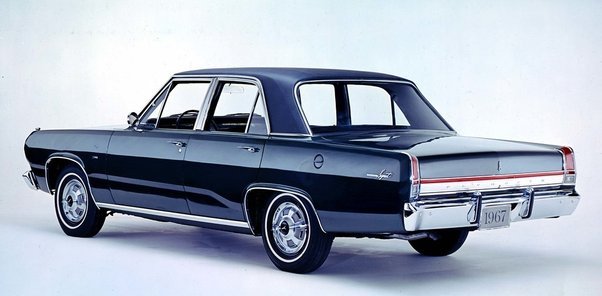
Behind the Scenes: Chrysler’s Manufacturing Process

Chrysler’s manufacturing process is a testament to the brand’s commitment to quality, innovation, and efficiency. From the initial design phase to the final assembly, every step in Chrysler’s production line is meticulously planned and executed. The brand’s dedication to excellence is evident in the vehicles that roll off the assembly line, each one reflecting the precision and care that goes into its creation.

Behind the Scenes: Chrysler’s Manufacturing Process

1. Design and Engineering: The Foundation of Excellence

Chrysler’s manufacturing journey begins with a strong focus on design and engineering. Designers and engineers work closely to create vehicles that meet high standards of performance, safety, and aesthetics. Advanced computer-aided design (CAD) tools allow for detailed modeling and simulations, ensuring that every aspect of the vehicle is optimized before production begins. This collaborative approach sets the stage for the creation of vehicles that are not only visually appealing but also highly functional.

2. Advanced Robotics and Automation

Chrysler utilizes cutting-edge robotics and automation in its manufacturing plants to achieve precision and efficiency. Robotic arms handle tasks such as welding, painting, and assembly with incredible accuracy, reducing the margin for error and ensuring consistent quality across all vehicles. Automation also speeds up the production process, allowing Chrysler to meet high demand while maintaining strict quality control. Human workers, equipped with advanced tools and training, oversee these processes to ensure everything runs smoothly.

3. Sustainability in Manufacturing

Chrysler committs itself to sustainable manufacturing practices that minimize environmental impact. The brand has implemented energy-efficient technologies and waste reduction strategies in its factories. For example, Chrysler’s assembly plants use renewable energy sources and water recycling systems to reduce their carbon footprint. Additionally, the brand focuses on using eco-friendly materials and reducing emissions during production. This commitment to sustainability reflects Chrysler’s broader goal of contributing to a cleaner, greener future.

4. Quality Control and Final Inspection

Quality control is a critical aspect of Chrysler’s manufacturing process. Throughout production, vehicles undergo rigorous testing and inspection to ensure they meet the brand’s high standards. Each component is carefully check for defects, and the entire vehicle undergoes performance testing before it leaves the factory. This thorough quality control process ensures that Chrysler vehicles deliver the reliability and durability that customers expect.

Conclusion

Chrysler’s manufacturing process is a blend of innovation, precision, and sustainability. From design and engineering to advances in robotics and rigorous quality control, every step is carefully managed to produce vehicles of the highest quality. Chrysler’s commitment to excellence is evident in the vehicles that make it to the showroom, reflecting the brand’s dedication to creating exceptional products.

A Comprehensive Guide to Chrysler’s Warranty Coverage

When purchasing a new vehicle, understanding the warranty coverage is essential for peace of mind and financial protection. Chrysler offers a range of warranties designed to cover different aspects of their vehicles, from bumper-to-bumper protection to powertrain coverage and roadside assistance. In this guide, we’ll break down Chrysler’s warranty offerings, what they cover, and how you can make the most of them.

1. Bumper-to-Bumper Warranty

Overview:
Chrysler’s bumper-to-bumper warranty, also known as the basic or comprehensive warranty, covers almost every part of the vehicle, excluding wear-and-tear items and certain exclusions.

Coverage Details:

  • Duration: Typically lasts for 3 years or 36,000 miles, whichever comes first.
  • Components Covered: Covers defects in materials and workmanship for most parts of the vehicle, including the engine, transmission, and electrical systems.
  • Exclusions: Does not cover routine maintenance items like oil changes, brake pads, or tires. It also excludes damages caused by accidents, misuse, or lack of maintenance.

How to Use It:

  • Regular Maintenance: Follow the manufacturer’s maintenance schedule to ensure coverage remains valid.
  • Authorized Repairs: Ensure repairs are performed at an authorized Chrysler dealership or service center to maintain warranty validity.

2. Powertrain Warranty

Overview:
The powertrain warranty covers the essential components that provide power to the wheels, including the engine, transmission, and drivetrain.

Coverage Details:

  • Duration: Typically lasts for 5 years or 60,000 miles, whichever comes first.
  • Components Covered: Includes major powertrain components such as the engine, transmission, transfer case, and drive axles.
  • Exclusions: Does not cover wear-and-tear parts or damage resulting from neglect or improper maintenance.

How to Use It:

  • Report Issues Early: Address any powertrain issues as soon as they arise to prevent further damage and ensure warranty coverage.
  • Service Records: Keep detailed service records to demonstrate regular maintenance if needed.

3. Roadside Assistance

Overview:
Chrysler’s roadside assistance program offers support for various issues you may encounter while on the road, such as breakdowns or emergencies.

Coverage Details:

  • Duration: Typically lasts for 5 years or 60,000 miles, whichever comes first.
  • Services Provided: Includes services like towing, flat tire changes, jump-starts, fuel delivery, and lockout assistance.
  • Limitations: Roadside assistance coverage may vary by model and location. Check with your local dealership for specific details.

How to Use It:

  • Contact Information: Keep the roadside assistance phone number handy. It’s often included in your owner’s manual or can be found on Chrysler’s website.
  • Eligibility: Ensure your vehicle is within the coverage period and that the issue qualifies for assistance.

4. Corrosion (Rust) Warranty

Overview:
Chrysler offers a corrosion warranty to protect against rust perforation on the vehicle’s body.

Coverage Details:

  • Duration: Typically lasts for 5 years or 100,000 miles, whichever comes first.
  • Components Covered: Covers rust-through issues on body panels, excluding surface rust or cosmetic issues.
  • Exclusions: Does not cover rust caused by damage, improper care, or modifications.

How to Use It:

  • Regular Washing: Regularly wash and wax your vehicle to prevent corrosion and maintain warranty coverage.
  • Inspection: Have any rust issues inspected promptly to determine if they are covered under the warranty.

5. Emissions Warranty

Overview:
Chrysler provides an emissions warranty to cover components related to the vehicle’s emissions control system, ensuring compliance with environmental regulations.

Coverage Details:

  • Duration: Varies by state and model but generally lasts for 2 years or 24,000 miles, with additional coverage for specific components like catalytic converters lasting up to 8 years or 80,000 miles.
  • Components Covered: Includes parts of the emissions system, such as the catalytic converter, oxygen sensors, and related components.
  • Exclusions: Does not cover damage caused by neglect or misuse.

How to Use It:

  • Compliance Checks: Regularly check your vehicle’s emissions system to ensure it’s functioning properly.
  • Authorized Repairs: Have emissions-related repairs performed at an authorized dealership to ensure warranty coverage.

6. Extended Warranty Options

Overview:
For added protection beyond the standard warranties, Chrysler offers extended warranty options that can be purchased separately.

Coverage Details:

  • Duration: Varies based on the plan chosen, with options to extend coverage for additional years or miles.
  • Components Covered: Can include additional coverage for parts not included in the standard warranty or extended coverage for existing components.

How to Use It:

  • Purchase: Extended warranties can be purchased from Chrysler or authorized dealerships.
  • Review Terms: Carefully review the terms and conditions of any extended warranty to understand what is covered and any limitations.

Conclusion

Chrysler’s warranty coverage provides valuable protection for your vehicle, ensuring peace of mind and financial security against unexpected repairs. Understanding the details of each warranty type and how to utilize them effectively will help you maintain your Chrysler in top condition and make the most of your warranty coverage. Regular maintenance, prompt reporting of issues, and adherence to warranty terms are key to ensuring that you receive the full benefits of your Chrysler’s warranties.

How to Enhance Your Chrysler’s Fuel Efficiency

Improving your Chrysler’s fuel efficiency not only saves you money but also reduces your environmental impact. Whether you drive a Chrysler 300, Pacifica, or any other model, there are several strategies you can implement to enhance fuel economy. In this guide, we’ll explore practical tips and maintenance practices to help you get the most out of each gallon of fuel.

1. Regular Maintenance

Why It Matters:
Routine maintenance is crucial for optimal fuel efficiency. A well-maintained vehicle runs more smoothly and efficiently, which translates to better gas mileage.

Tips:

  • Change the Oil Regularly: Use the recommended type and grade of motor oil for your Chrysler. Regular oil changes keep the engine running smoothly and efficiently.
  • Replace Air Filters: A clean air filter improves engine performance and fuel efficiency. Replace it as recommended in your owner’s manual.
  • Check Spark Plugs: Worn spark plugs can reduce fuel efficiency. Inspect and replace them as needed to ensure proper combustion.

2. Proper Tire Maintenance

Why It Matters:
Tire maintenance affects fuel economy significantly. Under-inflated tires increase rolling resistance, which can reduce your vehicle’s MPG.

Tips:

  • Maintain Proper Tire Pressure: Check and maintain the recommended tire pressure for your Chrysler. Properly inflated tires ensure better fuel efficiency and safety.
  • Rotate Tires Regularly: Regular tire rotations promote even wear and can help maintain optimal fuel efficiency. Follow your vehicle’s recommended rotation schedule.

3. Driving Habits

Why It Matters:
Your driving habits play a significant role in fuel consumption. Adopting fuel-efficient driving practices can improve MPG and reduce the frequency of refueling.

Tips:

  • Drive Smoothly: Avoid rapid acceleration and hard braking. Smooth driving helps your vehicle use fuel more efficiently.
  • Use Cruise Control: On highways, use cruise control to maintain a steady speed. This can help improve fuel efficiency on long trips.
  • Avoid Idling: Turn off the engine if you’re stopped for more than a minute. Idling wastes fuel and reduces overall MPG.

4. Weight and Aerodynamics

Why It Matters:
Excess weight and poor aerodynamics can decrease fuel efficiency by making your vehicle work harder to move and maintain speed.

Tips:

  • Remove Unnecessary Items: Remove excess weight from your vehicle by clearing out unnecessary items from the trunk and interior.
  • Use Roof Racks Wisely: If you use a roof rack, remove it when not in use. Roof racks can increase drag and reduce fuel efficiency.

5. Efficient Use of Air Conditioning

Why It Matters:
Using the air conditioning system can impact fuel consumption. The AC system puts additional load on the engine, affecting MPG.

Tips:

  • Use AC Moderately: Use the air conditioning system judiciously. Turn it off or use it at lower settings when possible.
  • Ventilation: When driving at lower speeds, consider using the vehicle’s ventilation system instead of the AC to keep the cabin cool.

6. Fuel Quality and Type

Why It Matters:
The type and quality of fuel you use can influence fuel efficiency. Using the wrong type of fuel or poor-quality fuel can affect engine performance.

Tips:

  • Use the Recommended Fuel: Follow the manufacturer’s recommendation for fuel type. Using premium fuel in an engine that doesn’t require it doesn’t improve efficiency and may not be cost-effective.
  • Buy from Reputable Stations: Purchase fuel from reputable gas stations to ensure the quality of the fuel you’re using. Contaminated or poor-quality fuel can negatively impact fuel economy.

7. Regular Engine Diagnostics

Why It Matters:
Engine problems can lead to reduced fuel efficiency. Regular diagnostics can help identify and address issues before they affect MPG.

Tips:

  • Check Engine Light: Pay attention to the Check Engine Light. If it comes on, have your vehicle diagnosed and repaired promptly to address any issues affecting fuel efficiency.
  • Professional Inspections: Schedule regular inspections with a certified mechanic to ensure your engine and related systems are functioning optimally.

8. Software Updates

Why It Matters:
Modern vehicles, including many Chrysler models, have advanced electronic systems that control various aspects of performance, including fuel efficiency.

Tips:

  • Update Vehicle Software: Keep your vehicle’s software updated. Manufacturers sometimes release updates that can improve engine performance and fuel efficiency.

Conclusion

Enhancing your Chrysler’s fuel efficiency involves a combination of regular maintenance, mindful driving habits, and making smart choices about how you operate your vehicle. By implementing these tips and practices, you can improve your Chrysler’s MPG, save on fuel costs, and contribute to a greener environment. Stay proactive with your vehicle care, and you’ll enjoy the benefits of a more efficient and cost-effective driving experience.

How Chrysler Redefined the Family Minivan

Chrysler has played a pivotal role in transforming the family minivan into a versatile and modern vehicle. From the introduction of the first minivan in the 1980s to today’s feature-packed models, Chrysler has continually pushed the boundaries of what a minivan can offer. This transformation reflects Chrysler’s dedication to innovation, comfort, and meeting the evolving needs of families.

How Chrysler Redefined the Family Minivan

1. The Birth of the Minivan: A Revolutionary Concept

In 1983, Chrysler introduced the Dodge Caravan and Plymouth Voyager, effectively creating the minivan segment. These vehicles revolutionized family transportation by offering a spacious interior, sliding doors, and the driving ease of a car. Unlike traditional station wagons, minivans provided more space and flexibility, quickly becoming the go-to choice for families. Chrysler’s innovative design set the stage for decades of success in the minivan market.

2. Introducing Stow ‘n Go Seating: A Game Changer

Chrysler minivan innovation again in 2005 with the introduction of Stow ‘n Go seating. This innovative feature allowed seats to fold flat into the floor, creating a versatile cargo area without removing seats. Stow ‘n Go seating provided unprecedented flexibility, allowing families to easily switch between passenger and cargo configurations. This feature became a hallmark of Chrysler minivans, enhancing their practicality and appeal.

3. The Pacifica: Redefining Luxury and Efficiency

In 2017, Chrysler launched the Pacifica, a minivan that combined luxury, technology, and efficiency in one package. The Pacifica offered advanced features such as a rear-seat entertainment system, a panoramic sunroof, and advanced driver assistance systems. The Pacifica Hybrid, the first plug-in hybrid minivan, further pushed the boundaries by offering exceptional fuel efficiency with a fully electric driving option. This model set a new standard for what a family minivan could be, blending comfort and eco-friendliness with practicality.

4. Safety and Technology: Leading the Way

Chrysler has consistently prioritized safety and technology in its minivans. Modern Chrysler minivans feature advanced safety systems such as adaptive cruise control, lane-keeping assist, and 360-degree cameras. These innovations ensure that families travel with peace of mind, knowing their vehicle is equipped with the latest protective features. Chrysler’s commitment to integrating cutting-edge technology has kept its minivans at the forefront of the market.

Conclusion

Chrysler redefined the family minivan by pioneering innovation, flexibility, and advanced technology. From creating the first minivan to introducing game-changing features like Stow ‘n Go seating and launching the luxurious Pacifica, Chrysler has consistently led the way. Today, Chrysler minivans continue to evolve, offering families the perfect blend of comfort, safety, and efficiency.

Top Chrysler Features You Should Know

If you’re considering a Chrysler or just curious about what sets it apart, there are some standout features that you should know. Chrysler offers a range of high-tech and comfort-oriented features designed to enhance your driving experience. Let’s explore these Chrysler features you should know about to get the most out of your vehicle.

1. Uconnect Infotainment System

One of the most impressive Chrysler features you should know is the Uconnect infotainment system. This user-friendly system provides easy access to navigation, music, and hands-free calling. With its large touchscreen display and responsive interface, Uconnect ensures you stay connected and entertained on the road.

A Chrysler Feature You Should Know
Chrysler Features You Should Know

2. Adaptive Cruise Control

Adaptive cruise control is a standout feature in many Chrysler models. This system automatically adjusts your car’s speed to maintain a safe distance from the vehicle in front. It’s particularly useful on long highway drives, helping to reduce driver fatigue and improve overall safety.

3. Advanced Safety Features

Chrysler prioritizes safety with a suite of advanced features you should know about. These include lane departure warning, forward collision warning, and automatic emergency braking. These systems work together to help prevent accidents and keep you and your passengers safe.

4. Apple CarPlay and Android Auto

For tech-savvy drivers, Apple CarPlay and Android Auto are Chrysler features you should know about. These systems allow you to integrate your smartphone with your vehicle’s infotainment system, giving you access to apps, navigation, and music directly from the touchscreen.

5. Blind Spot Monitoring

Blind-spot monitoring is another important feature in many Chrysler vehicles. This system uses sensors to alert you if there’s a vehicle in your blind spot, making lane changes safer and easier. It’s a small feature that makes a big difference in daily driving.

6. Panoramic Sunroof

A panoramic sunroof adds a touch of luxury to your Chrysler. This feature allows more natural light into the cabin and offers an expansive view of the sky. It’s perfect for enjoying sunny days and stargazing at night.

7. Keyless Entry and Push-Button Start

Keyless entry and push-button start are convenient Chrysler features you should know. These systems allow you to unlock and start your vehicle without taking the key fob out of your pocket. This adds an extra layer of convenience to your daily routine.

8. Heated and Ventilated Seats

Comfort is a priority in Chrysler vehicles, and heated and ventilated seats are a great example. These seats provide warmth during cold weather and cooling during hot weather, ensuring you stay comfortable in any climate.

9. Premium Audio Systems

Many Chrysler models come with premium audio systems that enhance your driving experience. Brands like Harman Kardon or Alpine offer high-quality sound systems that make listening to music a pleasure.

10. Power Liftgate

A power liftgate is a feature that adds convenience when loading and unloading cargo. With just a push of a button, the liftgate opens or closes automatically, making it easier to handle heavy or bulky items.

11. All-Wheel Drive

For those who need extra traction in various driving conditions, Chrysler offers all-wheel drive (AWD). AWD helps improve handling and stability on slippery or uneven surfaces, making it a valuable feature for diverse driving conditions.

12. Remote Start

Remote start is a handy feature that allows you to start your Chrysler from a distance. This feature is particularly useful on cold mornings, as it lets you warm up your car before getting inside.

13. Rearview Camera

A rearview camera is a standard feature in many Chrysler models, providing a clear view of what’s behind your vehicle. It’s an essential tool for parking and avoiding obstacles when reversing.

Conclusion

Understanding these Chrysler features you should know will help you appreciate the comfort, safety, and convenience they offer. Keep these features in mind when considering your next vehicle to make sure you choose one that meets your needs and preferences.

The Environmental Impact of Chrysler’s Manufacturing Processes

As the global demand for vehicles continues to rise, the environmental impact of automotive manufacturing has become a significant concern. Chrysler, a prominent player in the automotive industry, has faced scrutiny over the years for its manufacturing processes. In this blog post, we’ll examine the environmental impact of Chrysler’s production methods, the challenges involved, and the steps the company is taking to minimize its ecological footprint.

1. Carbon Emissions from Manufacturing

Environmental Concern:
One of the most significant environmental challenges in automotive manufacturing is the emission of greenhouse gases (GHGs). Chrysler’s manufacturing plants, like those of other automakers, contribute to carbon emissions through energy consumption, particularly from the use of fossil fuels.

Impact:

  • High levels of CO2 emissions contribute to global warming and climate change.
  • The energy-intensive processes involved in producing vehicles add to the overall carbon footprint of each car manufactured.

Chrysler’s Response:

  • Energy Efficiency Programs: Chrysler has implemented energy efficiency initiatives in its plants, including the use of renewable energy sources and the optimization of energy consumption in production lines.
  • Carbon Offsetting: The company has also invested in carbon offsetting projects to mitigate the environmental impact of its manufacturing processes.

2. Water Usage and Pollution

Environmental Concern:
Automotive manufacturing requires significant water usage for cooling, cleaning, and various production processes. Improper management of water resources can lead to pollution and the depletion of local water supplies.

Impact:

  • Water pollution from industrial discharge can harm local ecosystems and communities.
  • Excessive water usage can strain local water resources, especially in areas already facing water scarcity.

Chrysler’s Response:

  • Water Recycling: Chrysler has introduced water recycling programs in its plants to reduce overall water consumption and minimize wastewater discharge.
  • Wastewater Treatment: The company has invested in advanced wastewater treatment facilities to ensure that water released back into the environment meets regulatory standards.

3. Waste Generation and Management

Environmental Concern:
Manufacturing vehicles generates significant amounts of waste, including metal scraps, plastic, rubber, and hazardous materials. Improper disposal of these materials can lead to environmental contamination.

Impact:

  • Landfill waste contributes to soil and water pollution.
  • Hazardous waste can pose serious risks to human health and the environment if not properly managed.

Chrysler’s Response:

  • Zero-Waste Initiatives: Chrysler has adopted zero-waste-to-landfill programs in several of its plants, focusing on recycling and reusing materials to minimize waste.
  • Hazardous Waste Management: The company adheres to strict regulations for the safe disposal of hazardous materials and continuously explores ways to reduce the generation of such waste.

4. Raw Material Sourcing

Environmental Concern:
The extraction and processing of raw materials, such as metals, plastics, and rubber, are resource-intensive and have significant environmental impacts, including habitat destruction, pollution, and energy consumption.

Impact:

  • The mining of raw materials can lead to deforestation, loss of biodiversity, and ecosystem disruption.
  • Processing these materials contributes to pollution and carbon emissions.

Chrysler’s Response:

  • Sustainable Sourcing: Chrysler is committed to sourcing raw materials from suppliers that adhere to environmental and ethical standards, reducing the overall impact of material extraction and processing.
  • Material Innovation: The company is also exploring the use of alternative, more sustainable materials in its vehicle production, such as recycled plastics and eco-friendly composites.

5. End-of-Life Vehicle Management

Environmental Concern:
Once vehicles reach the end of their useful life, the disposal of automotive components poses environmental challenges. Improper disposal can result in pollution and the loss of valuable materials.

Impact:

  • Landfilling of automotive parts contributes to waste and environmental contamination.
  • Valuable materials such as metals and plastics are lost if not properly recycled.

Chrysler’s Response:

  • Vehicle Recycling Programs: Chrysler supports vehicle recycling initiatives that aim to recover and reuse materials from end-of-life vehicles, reducing the need for new raw materials and minimizing waste.
  • Design for Recycling: The company has incorporated design strategies that make it easier to disassemble and recycle vehicle components at the end of their life cycle.

Conclusion

While Chrysler’s manufacturing processes have undeniable environmental impacts, the company is making strides toward reducing its ecological footprint. Through initiatives focused on energy efficiency, water conservation, waste management, and sustainable sourcing, Chrysler is working to balance the demands of automotive production with the need for environmental responsibility. As consumers, staying informed about these efforts allows us to make more conscious choices and support companies committed to a sustainable future.

Chrysler’s Electric Future: What to Expect

Chrysler is gearing up for an electrifying future as it transitions to electric vehicles (EVs). With the automotive industry rapidly shifting towards sustainability, Chrysler has committed to developing electric models that blend innovation, performance, and eco-friendliness. As part of the Stellantis group, Chrysler is poised to play a significant role in the global push for cleaner transportation.

Chrysler’s Electric Future: What to Expect

1. Commitment to an All-Electric Lineup

Chrysler has announced plans to offer an all-electric lineup by 2028. This ambitious goal reflects the brand’s commitment to sustainability and reducing its carbon footprint. The company’s first fully electric vehicle is expected to debut in 2025, marking the beginning of this significant transformation. Chrysler aims to offer a range of EVs that meet diverse consumer needs, from family-friendly models to luxury vehicles.

2. Advanced Battery Technology

Chrysler’s electric future will rely on advanced battery technology, ensuring its EVs offer competitive range and performance. The brand is expected to use Stellantis’ state-of-the-art battery systems, which promise enhanced energy efficiency and faster charging times. These batteries will enable Chrysler’s EVs to deliver the long-range capabilities that consumers demand, making them practical for everyday use.

3. Innovative Design and Features

Chrysler’s electric vehicles will showcase innovative design and cutting-edge features. The brand is likely to draw on its legacy of blending style with functionality, creating EVs that are both visually striking and practical. Expect features such as advanced driver assistance systems, over-the-air software updates, and customizable interiors that reflect the latest in automotive technology. Chrysler’s EVs will offer a premium experience, combining luxury with the benefits of electric driving.

4. Sustainability and Environmental Impact

Chrysler’s move to electric vehicles is part of a broader strategy to enhance sustainability across its operations. By shifting to EVs, Chrysler aims to significantly reduce emissions and contribute to a cleaner environment. The brand is also likely to explore eco-friendly materials and production methods, further minimizing its environmental impact. This commitment to sustainability will resonate with consumers who prioritize green technology in their purchasing decisions.

Conclusion

Chrysler’s electric future promises innovation, sustainability, and cutting-edge technology. As the brand transitions to an all-electric lineup by 2028, it will offer advanced battery technology, innovative designs, and a commitment to reducing its environmental impact. Chrysler’s journey towards electrification marks a new chapter in its storied history, blending its legacy with the demands of a modern, eco-conscious world.

The Most Common Chrysler Repairs and How to Avoid Them

Owning a Chrysler comes with the satisfaction of driving a well-engineered vehicle, but like any car, it can face issues over time. Understanding the most common Chrysler repairs and how to prevent them can save you time, money, and stress. In this guide, we’ll explore frequent problems Chrysler owners encounter and offer practical tips to avoid them.

1. Transmission Issues

Common Problem:
Chrysler vehicles, particularly models like the Chrysler 200 and Town & Country, are known for transmission issues, including rough shifting, slipping gears, and complete transmission failure.

How to Avoid It:

  • Regular Fluid Changes: Make sure to change the transmission fluid according to the manufacturer’s recommendations. Using the correct type of fluid is crucial for smooth operation.
  • Avoid Overheating: Prevent the transmission from overheating by ensuring the cooling system is functioning properly. Regularly check and maintain the radiator and cooling fan.
  • Drive Gently: Aggressive driving and towing heavy loads can strain the transmission. Drive smoothly and avoid overloading your vehicle.

2. Engine Stalling and Failure

Common Problem:
Engine stalling or failure is a known issue in some Chrysler models, particularly in older vehicles. This can be caused by problems with the fuel system, ignition system, or faulty sensors.

How to Avoid It:

  • Regular Tune-Ups: Keep up with regular engine tune-ups, including spark plug replacement and fuel filter changes. This ensures your engine runs efficiently.
  • Check the Fuel System: Regularly inspect the fuel pump, fuel injectors, and fuel filter for any signs of wear or clogging. Replace parts as needed to avoid stalling.
  • Monitor Sensors: Keep an eye on your car’s warning lights. If the Check Engine Light comes on, have your vehicle diagnosed by a professional to catch any sensor issues early.

3. Electrical System Problems

Common Problem:
Electrical issues, such as malfunctioning power windows, faulty alternators, and dead batteries, are commonly reported by Chrysler owners.

How to Avoid It:

  • Battery Maintenance: Regularly check your battery’s condition and clean the terminals to prevent corrosion. Replace the battery every 3-5 years to avoid unexpected failures.
  • Inspect Wiring: Periodically inspect the electrical wiring for any signs of wear, fraying, or damage. Address any issues immediately to prevent shorts or malfunctions.
  • Alternator Check: Have your alternator checked during routine maintenance. A failing alternator can lead to a dead battery and other electrical problems.

4. Suspension and Steering Issues

Common Problem:
Chrysler vehicles can experience suspension and steering issues, including worn-out ball joints, tie rods, and struts. These problems can lead to poor handling and uneven tire wear.

How to Avoid It:

  • Regular Inspections: Have your suspension and steering components inspected during routine maintenance. Replace worn parts before they cause more significant issues.
  • Proper Alignment: Ensure your wheels are properly aligned to avoid unnecessary strain on the suspension. Misalignment can lead to premature wear of suspension components.
  • Avoid Rough Roads: Try to avoid driving on rough or poorly maintained roads, as this can accelerate wear and tear on the suspension system.

5. Brake System Failures

Common Problem:
Brake problems, such as worn brake pads, leaking brake fluid, and faulty brake rotors, are common in Chrysler vehicles. These issues can lead to reduced braking efficiency or even brake failure.

How to Avoid It:

  • Regular Brake Inspections: Have your brakes inspected regularly and replace brake pads before they become too thin. This prevents damage to the rotors.
  • Fluid Check: Regularly check the brake fluid level and top it off if needed. If you notice any leaks, have them repaired immediately.
  • Brake Responsibly: Avoid aggressive braking, which can cause excessive wear on the brake components. Instead, brake smoothly and gradually whenever possible.

Conclusion

By understanding the most common Chrysler repairs and how to prevent them, you can keep your vehicle in top condition and avoid costly fixes. Regular maintenance, responsible driving habits, and prompt attention to minor issues can go a long way in preserving the performance and longevity of your Chrysler. Stay proactive, and you’ll enjoy a smoother, more reliable driving experience.

Improving the Fuel Efficiency of Your Chrysler

Are you looking to boost the fuel efficiency of your Chrysler? Improving the fuel efficiency of your Chrysler not only saves you money but also helps the environment. Here are some straightforward ways of improving the fuel efficiency of your Chrysler.

1. Keep Your Tyres Properly Inflated

One of the simplest ways to enhance the fuel efficiency of your Chrysler is by keeping your tyres properly inflated. Under-inflated tyres create more rolling resistance, which forces your engine to work harder and burn more fuel. Check your tyre pressure monthly and inflate them to the recommended level.

Improving the Fuel Efficiency of Your Chrysler

2. Regularly Change Your Oil

Changing your oil at the intervals suggested by Chrysler can improve your car’s fuel efficiency. Fresh oil ensures that your engine runs smoothly and efficiently. Old, dirty oil creates more friction and can reduce fuel efficiency.

3. Use the Right Motor Oil

Using the recommended motor oil for your Chrysler can help in improving the fuel efficiency of your vehicle. Check your owner’s manual for the correct oil type and stick with it. The right oil reduces engine drag and helps in better fuel combustion.

4. Maintain Your Engine

A well-maintained engine is key to improving the fuel efficiency of your Chrysler. Regularly check and replace air filters, spark plugs, and fuel filters. A clean engine performs better and uses fuel more efficiently.

5. Avoid Aggressive Driving

Driving aggressively—such as speeding, rapid acceleration, and hard braking—can decrease your Chrysler’s fuel efficiency. Smooth driving habits help maintain steady speeds and reduce fuel consumption.

6. Reduce Weight

Extra weight in your vehicle requires more fuel to move. Clear out unnecessary items from your car, and avoid carrying heavy loads on your roof rack. Reducing weight can significantly improve the fuel efficiency of your Chrysler.

7. Use Cruise Control

Using cruise control on highways helps maintain a constant speed, which can enhance fuel efficiency. By avoiding frequent acceleration and braking, you reduce fuel consumption.

8. Avoid Excessive Idling

Idling your engine for long periods wastes fuel. If you’re waiting for more than a minute, it’s often better to turn off your engine and restart it when you’re ready to move. This simple habit can contribute to improving the fuel efficiency of your Chrysler.

9. Check for Leaks

Fuel leaks can drastically impact your car’s fuel efficiency. Regularly inspect your vehicle for any signs of leaks, such as puddles of fuel under your car. Addressing leaks promptly ensures your car runs efficiently.

10. Use the Air Conditioning Wisely

Using the air conditioning system can put extra load on the engine, leading to higher fuel consumption. Use AC sparingly, and consider using the vehicle’s ventilation system or rolling down the windows when driving at lower speeds.

11. Plan Your Trips

Combining errands and planning your trips can reduce the total distance you drive. Short trips can be less fuel-efficient because your engine operates at lower temperatures. Efficient planning helps in improving the fuel efficiency of your Chrysler.

12. Get Regular Tune-Ups

Regular tune-ups are essential for keeping your Chrysler running smoothly. A well-tuned engine performs better and uses fuel more efficiently. Follow the manufacturer’s schedule for tune-ups.

13. Use Higher Gears

Driving in higher gears at lower speeds can improve fuel efficiency. Higher gears reduce engine speed and fuel consumption. Shift up as soon as possible without straining the engine.

14. Keep Windows Closed at High Speeds

Driving with the windows open can create drag and decrease fuel efficiency, especially at high speeds. Keep the windows closed to reduce aerodynamic drag and improve fuel economy.

Conclusion

Improving the fuel efficiency of your Chrysler is both practical and beneficial. By following these tips, you can enjoy better mileage, lower fuel costs, and a smoother driving experience. Regular maintenance and mindful driving habits play a crucial role in achieving these benefits. Start implementing these strategies today and watch as your fuel efficiency improves!

Exploring Chrysler’s Luxury Vehicle Lineup

Chrysler has a rich history of producing luxury vehicles that blend elegance, performance, and cutting-edge technology. Over the years, Chrysler has consistently offered vehicles that cater to drivers seeking comfort and sophistication. This lineup showcases Chrysler’s commitment to delivering a premium driving experience, with each model reflecting the brand’s dedication to quality and innovation.

Exploring Chrysler’s Luxury Vehicle Lineup

1. The Chrysler 300: A Modern Luxury Icon

The Chrysler 300 stands as a symbol of modern luxury in Chrysler’s lineup. Introduced in 2005, the 300 quickly became known for its bold design and powerful performance. The vehicle offers a spacious interior with premium materials, advanced technology, and a smooth ride. The 300 continues to appeal to those who seek a combination of style, comfort, and power.

2. Chrysler Pacifica Pinnacle: Luxury Meets Versatility

The Chrysler Pacifica Pinnacle redefines luxury in the minivan segment. This top-of-the-line model offers a refined interior with quilted leather seats, a rear-seat entertainment system, and advanced safety features. The Pacifica Pinnacle combines the practicality of a minivan with the luxurious touches expected in premium vehicles, making it a standout choice for families.

3. Chrysler 200C: Compact Luxury

Although discontinued in 2017, the Chrysler 200C remains a testament to the brand’s ability to deliver luxury in a smaller package. The 200C offered high-end features such as a leather-trimmed interior, a premium sound system, and advanced safety technology. It provided a luxurious driving experience in a compact sedan, catering to those who wanted luxury without sacrificing fuel efficiency.

4. Future Luxury Models

Chrysler continues to explore new avenues in luxury vehicle production. As part of Stellantis, Chrysler is expected to introduce new models that push the boundaries of design and technology. The future of Chrysler’s luxury lineup looks promising, with potential innovations that could redefine the luxury driving experience.

Conclusion

Chrysler’s luxury vehicle lineup showcases the brand’s commitment to elegance, comfort, and innovation. From the iconic Chrysler 300 to the versatile Pacifica Pinnacle, Chrysler offers vehicles that cater to discerning drivers. As Chrysler looks to the future, its dedication to luxury remains unwavering.