
How Chrysler Redefined the Family Minivan

Chrysler has played a pivotal role in transforming the family minivan into a versatile and modern vehicle. From the introduction of the first minivan in the 1980s to today’s feature-packed models, Chrysler has continually pushed the boundaries of what a minivan can offer. This transformation reflects Chrysler’s dedication to innovation, comfort, and meeting the evolving needs of families.

How Chrysler Redefined the Family Minivan

1. The Birth of the Minivan: A Revolutionary Concept

In 1983, Chrysler introduced the Dodge Caravan and Plymouth Voyager, effectively creating the minivan segment. These vehicles revolutionized family transportation by offering a spacious interior, sliding doors, and the driving ease of a car. Unlike traditional station wagons, minivans provided more space and flexibility, quickly becoming the go-to choice for families. Chrysler’s innovative design set the stage for decades of success in the minivan market.

2. Introducing Stow ‘n Go Seating: A Game Changer

Chrysler minivan innovation again in 2005 with the introduction of Stow ‘n Go seating. This innovative feature allowed seats to fold flat into the floor, creating a versatile cargo area without removing seats. Stow ‘n Go seating provided unprecedented flexibility, allowing families to easily switch between passenger and cargo configurations. This feature became a hallmark of Chrysler minivans, enhancing their practicality and appeal.

3. The Pacifica: Redefining Luxury and Efficiency

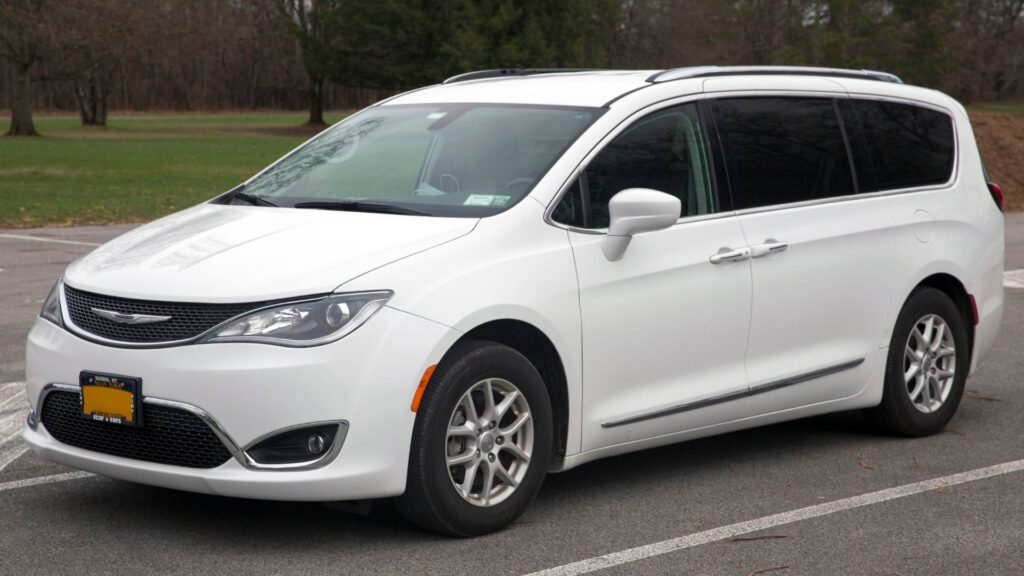
In 2017, Chrysler launched the Pacifica, a minivan that combined luxury, technology, and efficiency in one package. The Pacifica offered advanced features such as a rear-seat entertainment system, a panoramic sunroof, and advanced driver assistance systems. The Pacifica Hybrid, the first plug-in hybrid minivan, further pushed the boundaries by offering exceptional fuel efficiency with a fully electric driving option. This model set a new standard for what a family minivan could be, blending comfort and eco-friendliness with practicality.

4. Safety and Technology: Leading the Way

Chrysler has consistently prioritized safety and technology in its minivans. Modern Chrysler minivans feature advanced safety systems such as adaptive cruise control, lane-keeping assist, and 360-degree cameras. These innovations ensure that families travel with peace of mind, knowing their vehicle is equipped with the latest protective features. Chrysler’s commitment to integrating cutting-edge technology has kept its minivans at the forefront of the market.

Conclusion

Chrysler redefined the family minivan by pioneering innovation, flexibility, and advanced technology. From creating the first minivan to introducing game-changing features like Stow ‘n Go seating and launching the luxurious Pacifica, Chrysler has consistently led the way. Today, Chrysler minivans continue to evolve, offering families the perfect blend of comfort, safety, and efficiency.

Top Chrysler Features You Should Know

If you’re considering a Chrysler or just curious about what sets it apart, there are some standout features that you should know. Chrysler offers a range of high-tech and comfort-oriented features designed to enhance your driving experience. Let’s explore these Chrysler features you should know about to get the most out of your vehicle.

1. Uconnect Infotainment System

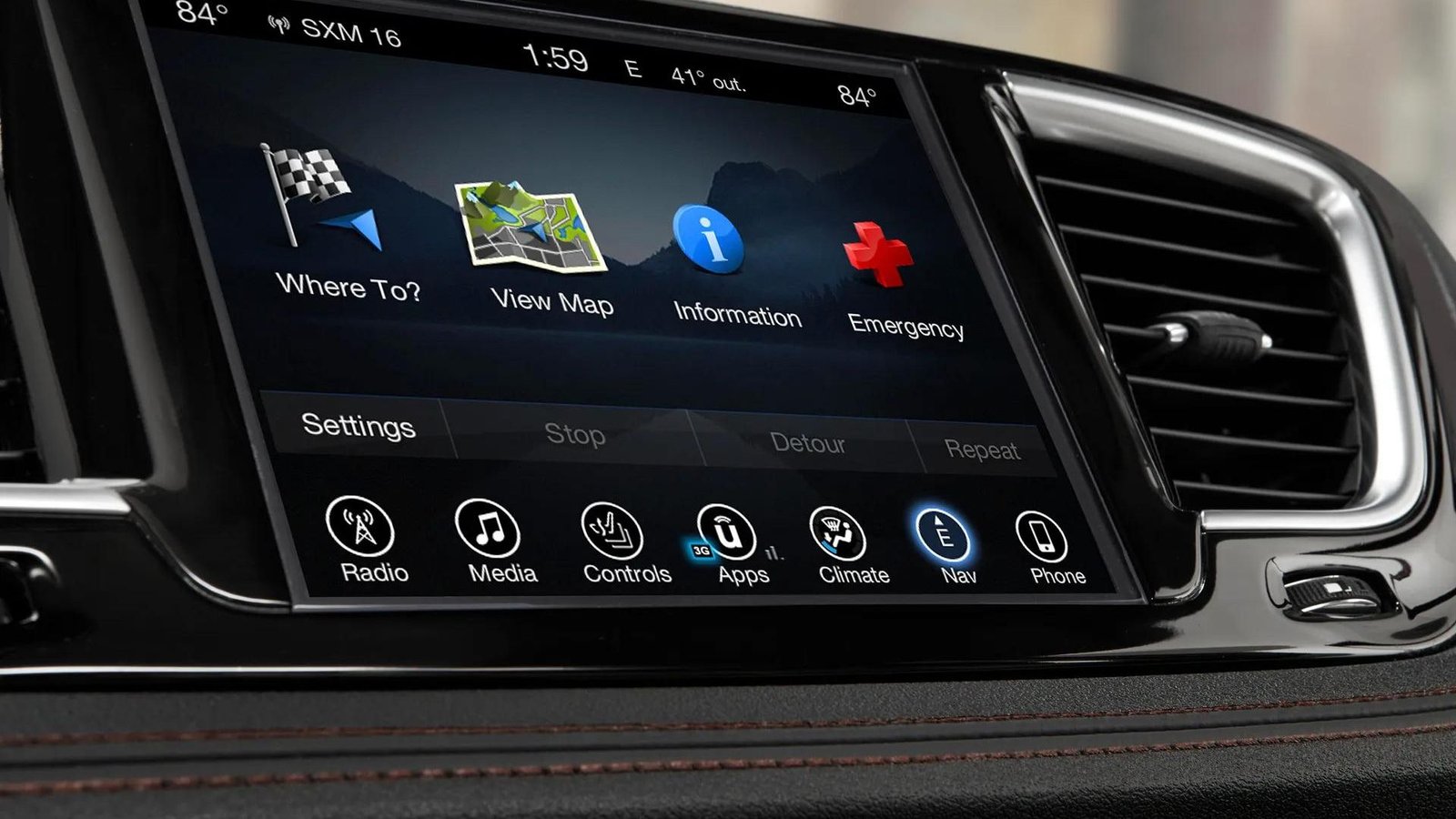
One of the most impressive Chrysler features you should know is the Uconnect infotainment system. This user-friendly system provides easy access to navigation, music, and hands-free calling. With its large touchscreen display and responsive interface, Uconnect ensures you stay connected and entertained on the road.

A Chrysler Feature You Should Know
Chrysler Features You Should Know

2. Adaptive Cruise Control

Adaptive cruise control is a standout feature in many Chrysler models. This system automatically adjusts your car’s speed to maintain a safe distance from the vehicle in front. It’s particularly useful on long highway drives, helping to reduce driver fatigue and improve overall safety.

3. Advanced Safety Features

Chrysler prioritizes safety with a suite of advanced features you should know about. These include lane departure warning, forward collision warning, and automatic emergency braking. These systems work together to help prevent accidents and keep you and your passengers safe.

4. Apple CarPlay and Android Auto

For tech-savvy drivers, Apple CarPlay and Android Auto are Chrysler features you should know about. These systems allow you to integrate your smartphone with your vehicle’s infotainment system, giving you access to apps, navigation, and music directly from the touchscreen.

5. Blind Spot Monitoring

Blind-spot monitoring is another important feature in many Chrysler vehicles. This system uses sensors to alert you if there’s a vehicle in your blind spot, making lane changes safer and easier. It’s a small feature that makes a big difference in daily driving.

6. Panoramic Sunroof

A panoramic sunroof adds a touch of luxury to your Chrysler. This feature allows more natural light into the cabin and offers an expansive view of the sky. It’s perfect for enjoying sunny days and stargazing at night.

7. Keyless Entry and Push-Button Start

Keyless entry and push-button start are convenient Chrysler features you should know. These systems allow you to unlock and start your vehicle without taking the key fob out of your pocket. This adds an extra layer of convenience to your daily routine.

8. Heated and Ventilated Seats

Comfort is a priority in Chrysler vehicles, and heated and ventilated seats are a great example. These seats provide warmth during cold weather and cooling during hot weather, ensuring you stay comfortable in any climate.

9. Premium Audio Systems

Many Chrysler models come with premium audio systems that enhance your driving experience. Brands like Harman Kardon or Alpine offer high-quality sound systems that make listening to music a pleasure.

10. Power Liftgate

A power liftgate is a feature that adds convenience when loading and unloading cargo. With just a push of a button, the liftgate opens or closes automatically, making it easier to handle heavy or bulky items.

11. All-Wheel Drive

For those who need extra traction in various driving conditions, Chrysler offers all-wheel drive (AWD). AWD helps improve handling and stability on slippery or uneven surfaces, making it a valuable feature for diverse driving conditions.

12. Remote Start

Remote start is a handy feature that allows you to start your Chrysler from a distance. This feature is particularly useful on cold mornings, as it lets you warm up your car before getting inside.

13. Rearview Camera

A rearview camera is a standard feature in many Chrysler models, providing a clear view of what’s behind your vehicle. It’s an essential tool for parking and avoiding obstacles when reversing.

Conclusion

Understanding these Chrysler features you should know will help you appreciate the comfort, safety, and convenience they offer. Keep these features in mind when considering your next vehicle to make sure you choose one that meets your needs and preferences.

The Environmental Impact of Chrysler’s Manufacturing Processes

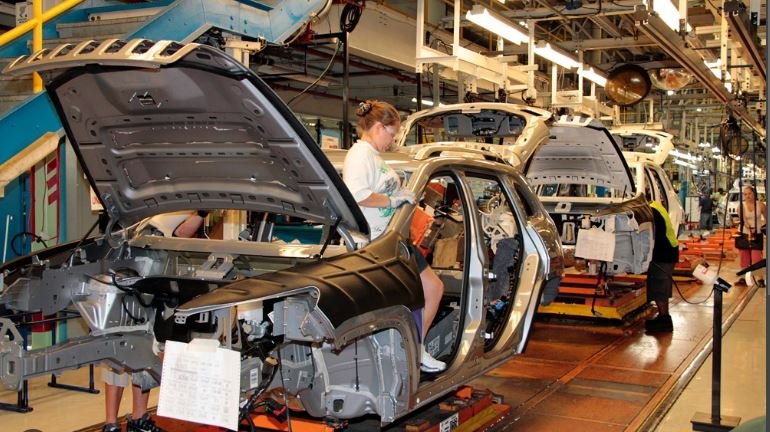
As the global demand for vehicles continues to rise, the environmental impact of automotive manufacturing has become a significant concern. Chrysler, a prominent player in the automotive industry, has faced scrutiny over the years for its manufacturing processes. In this blog post, we’ll examine the environmental impact of Chrysler’s production methods, the challenges involved, and the steps the company is taking to minimize its ecological footprint.

1. Carbon Emissions from Manufacturing

Environmental Concern:
One of the most significant environmental challenges in automotive manufacturing is the emission of greenhouse gases (GHGs). Chrysler’s manufacturing plants, like those of other automakers, contribute to carbon emissions through energy consumption, particularly from the use of fossil fuels.

Impact:

  • High levels of CO2 emissions contribute to global warming and climate change.
  • The energy-intensive processes involved in producing vehicles add to the overall carbon footprint of each car manufactured.

Chrysler’s Response:

  • Energy Efficiency Programs: Chrysler has implemented energy efficiency initiatives in its plants, including the use of renewable energy sources and the optimization of energy consumption in production lines.
  • Carbon Offsetting: The company has also invested in carbon offsetting projects to mitigate the environmental impact of its manufacturing processes.

2. Water Usage and Pollution

Environmental Concern:
Automotive manufacturing requires significant water usage for cooling, cleaning, and various production processes. Improper management of water resources can lead to pollution and the depletion of local water supplies.

Impact:

  • Water pollution from industrial discharge can harm local ecosystems and communities.
  • Excessive water usage can strain local water resources, especially in areas already facing water scarcity.

Chrysler’s Response:

  • Water Recycling: Chrysler has introduced water recycling programs in its plants to reduce overall water consumption and minimize wastewater discharge.
  • Wastewater Treatment: The company has invested in advanced wastewater treatment facilities to ensure that water released back into the environment meets regulatory standards.

3. Waste Generation and Management

Environmental Concern:
Manufacturing vehicles generates significant amounts of waste, including metal scraps, plastic, rubber, and hazardous materials. Improper disposal of these materials can lead to environmental contamination.

Impact:

  • Landfill waste contributes to soil and water pollution.
  • Hazardous waste can pose serious risks to human health and the environment if not properly managed.

Chrysler’s Response:

  • Zero-Waste Initiatives: Chrysler has adopted zero-waste-to-landfill programs in several of its plants, focusing on recycling and reusing materials to minimize waste.
  • Hazardous Waste Management: The company adheres to strict regulations for the safe disposal of hazardous materials and continuously explores ways to reduce the generation of such waste.

4. Raw Material Sourcing

Environmental Concern:
The extraction and processing of raw materials, such as metals, plastics, and rubber, are resource-intensive and have significant environmental impacts, including habitat destruction, pollution, and energy consumption.

Impact:

  • The mining of raw materials can lead to deforestation, loss of biodiversity, and ecosystem disruption.
  • Processing these materials contributes to pollution and carbon emissions.

Chrysler’s Response:

  • Sustainable Sourcing: Chrysler is committed to sourcing raw materials from suppliers that adhere to environmental and ethical standards, reducing the overall impact of material extraction and processing.
  • Material Innovation: The company is also exploring the use of alternative, more sustainable materials in its vehicle production, such as recycled plastics and eco-friendly composites.

5. End-of-Life Vehicle Management

Environmental Concern:
Once vehicles reach the end of their useful life, the disposal of automotive components poses environmental challenges. Improper disposal can result in pollution and the loss of valuable materials.

Impact:

  • Landfilling of automotive parts contributes to waste and environmental contamination.
  • Valuable materials such as metals and plastics are lost if not properly recycled.

Chrysler’s Response:

  • Vehicle Recycling Programs: Chrysler supports vehicle recycling initiatives that aim to recover and reuse materials from end-of-life vehicles, reducing the need for new raw materials and minimizing waste.
  • Design for Recycling: The company has incorporated design strategies that make it easier to disassemble and recycle vehicle components at the end of their life cycle.

Conclusion

While Chrysler’s manufacturing processes have undeniable environmental impacts, the company is making strides toward reducing its ecological footprint. Through initiatives focused on energy efficiency, water conservation, waste management, and sustainable sourcing, Chrysler is working to balance the demands of automotive production with the need for environmental responsibility. As consumers, staying informed about these efforts allows us to make more conscious choices and support companies committed to a sustainable future.

Chrysler’s Electric Future: What to Expect

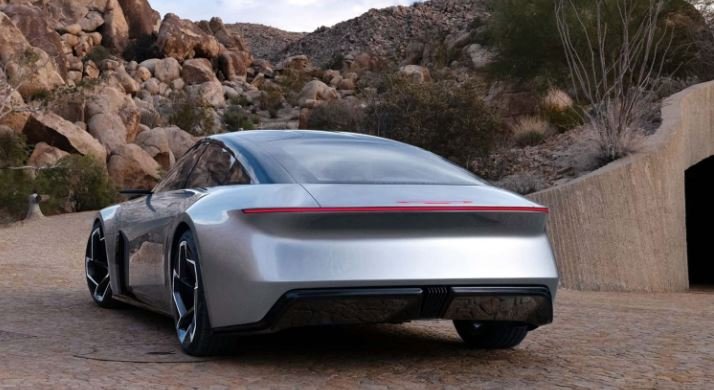
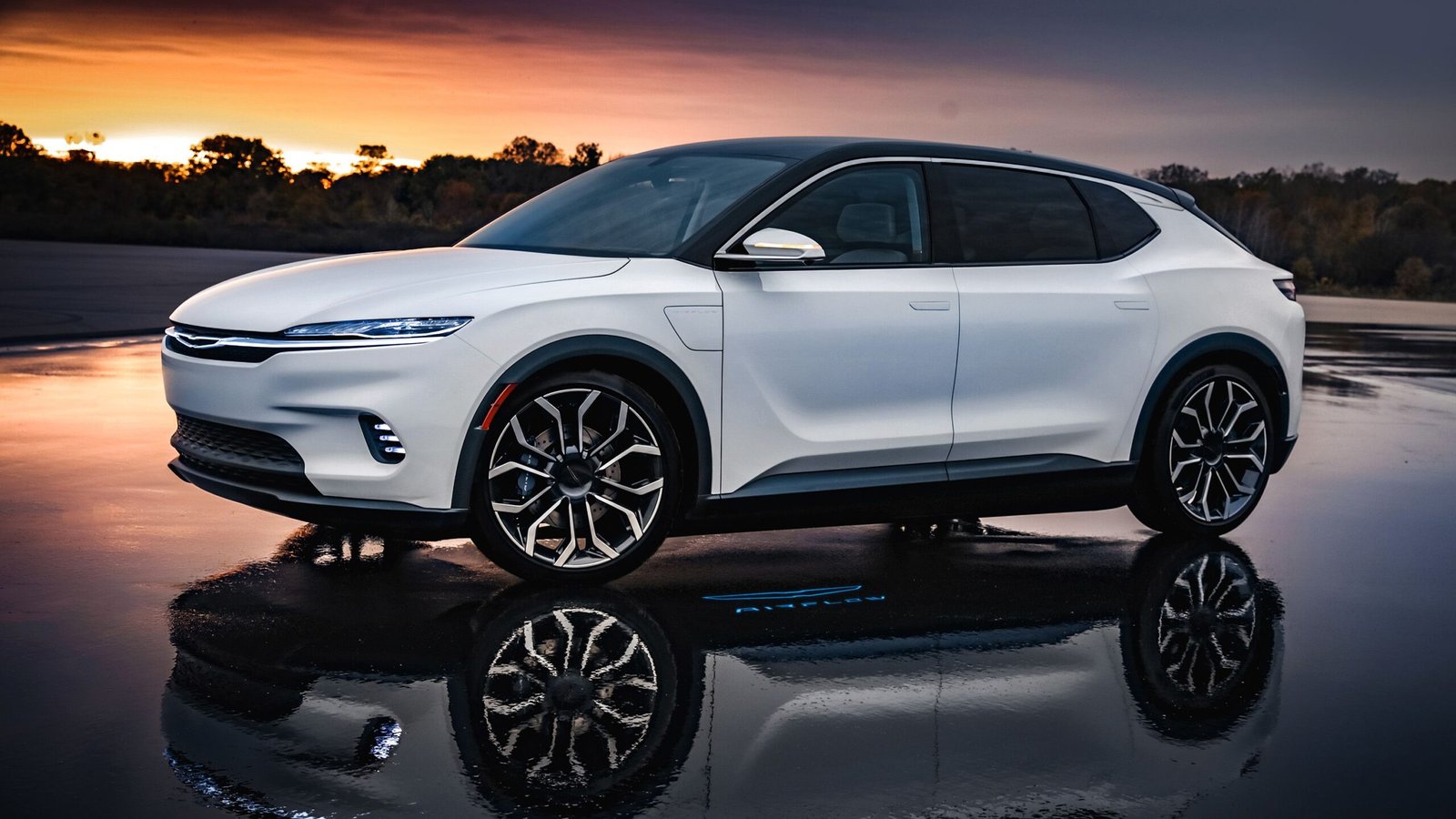
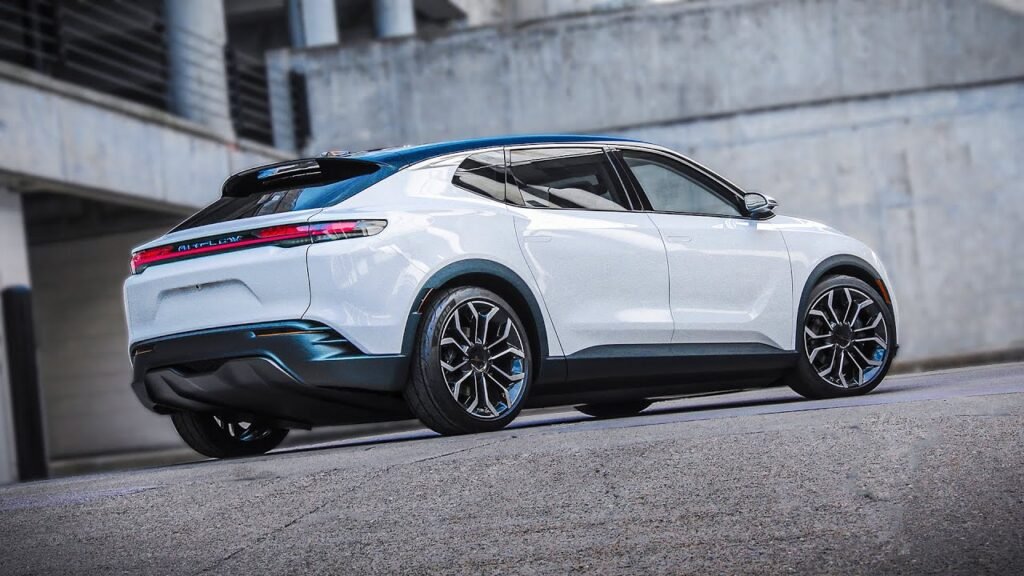
Chrysler is gearing up for an electrifying future as it transitions to electric vehicles (EVs). With the automotive industry rapidly shifting towards sustainability, Chrysler has committed to developing electric models that blend innovation, performance, and eco-friendliness. As part of the Stellantis group, Chrysler is poised to play a significant role in the global push for cleaner transportation.

Chrysler’s Electric Future: What to Expect

1. Commitment to an All-Electric Lineup

Chrysler has announced plans to offer an all-electric lineup by 2028. This ambitious goal reflects the brand’s commitment to sustainability and reducing its carbon footprint. The company’s first fully electric vehicle is expected to debut in 2025, marking the beginning of this significant transformation. Chrysler aims to offer a range of EVs that meet diverse consumer needs, from family-friendly models to luxury vehicles.

2. Advanced Battery Technology

Chrysler’s electric future will rely on advanced battery technology, ensuring its EVs offer competitive range and performance. The brand is expected to use Stellantis’ state-of-the-art battery systems, which promise enhanced energy efficiency and faster charging times. These batteries will enable Chrysler’s EVs to deliver the long-range capabilities that consumers demand, making them practical for everyday use.

3. Innovative Design and Features

Chrysler’s electric vehicles will showcase innovative design and cutting-edge features. The brand is likely to draw on its legacy of blending style with functionality, creating EVs that are both visually striking and practical. Expect features such as advanced driver assistance systems, over-the-air software updates, and customizable interiors that reflect the latest in automotive technology. Chrysler’s EVs will offer a premium experience, combining luxury with the benefits of electric driving.

4. Sustainability and Environmental Impact

Chrysler’s move to electric vehicles is part of a broader strategy to enhance sustainability across its operations. By shifting to EVs, Chrysler aims to significantly reduce emissions and contribute to a cleaner environment. The brand is also likely to explore eco-friendly materials and production methods, further minimizing its environmental impact. This commitment to sustainability will resonate with consumers who prioritize green technology in their purchasing decisions.

Conclusion

Chrysler’s electric future promises innovation, sustainability, and cutting-edge technology. As the brand transitions to an all-electric lineup by 2028, it will offer advanced battery technology, innovative designs, and a commitment to reducing its environmental impact. Chrysler’s journey towards electrification marks a new chapter in its storied history, blending its legacy with the demands of a modern, eco-conscious world.

The Most Common Chrysler Repairs and How to Avoid Them

Owning a Chrysler comes with the satisfaction of driving a well-engineered vehicle, but like any car, it can face issues over time. Understanding the most common Chrysler repairs and how to prevent them can save you time, money, and stress. In this guide, we’ll explore frequent problems Chrysler owners encounter and offer practical tips to avoid them.

1. Transmission Issues

Common Problem:
Chrysler vehicles, particularly models like the Chrysler 200 and Town & Country, are known for transmission issues, including rough shifting, slipping gears, and complete transmission failure.

How to Avoid It:

  • Regular Fluid Changes: Make sure to change the transmission fluid according to the manufacturer’s recommendations. Using the correct type of fluid is crucial for smooth operation.
  • Avoid Overheating: Prevent the transmission from overheating by ensuring the cooling system is functioning properly. Regularly check and maintain the radiator and cooling fan.
  • Drive Gently: Aggressive driving and towing heavy loads can strain the transmission. Drive smoothly and avoid overloading your vehicle.

2. Engine Stalling and Failure

Common Problem:
Engine stalling or failure is a known issue in some Chrysler models, particularly in older vehicles. This can be caused by problems with the fuel system, ignition system, or faulty sensors.

How to Avoid It:

  • Regular Tune-Ups: Keep up with regular engine tune-ups, including spark plug replacement and fuel filter changes. This ensures your engine runs efficiently.
  • Check the Fuel System: Regularly inspect the fuel pump, fuel injectors, and fuel filter for any signs of wear or clogging. Replace parts as needed to avoid stalling.
  • Monitor Sensors: Keep an eye on your car’s warning lights. If the Check Engine Light comes on, have your vehicle diagnosed by a professional to catch any sensor issues early.

3. Electrical System Problems

Common Problem:
Electrical issues, such as malfunctioning power windows, faulty alternators, and dead batteries, are commonly reported by Chrysler owners.

How to Avoid It:

  • Battery Maintenance: Regularly check your battery’s condition and clean the terminals to prevent corrosion. Replace the battery every 3-5 years to avoid unexpected failures.
  • Inspect Wiring: Periodically inspect the electrical wiring for any signs of wear, fraying, or damage. Address any issues immediately to prevent shorts or malfunctions.
  • Alternator Check: Have your alternator checked during routine maintenance. A failing alternator can lead to a dead battery and other electrical problems.

4. Suspension and Steering Issues

Common Problem:
Chrysler vehicles can experience suspension and steering issues, including worn-out ball joints, tie rods, and struts. These problems can lead to poor handling and uneven tire wear.

How to Avoid It:

  • Regular Inspections: Have your suspension and steering components inspected during routine maintenance. Replace worn parts before they cause more significant issues.
  • Proper Alignment: Ensure your wheels are properly aligned to avoid unnecessary strain on the suspension. Misalignment can lead to premature wear of suspension components.
  • Avoid Rough Roads: Try to avoid driving on rough or poorly maintained roads, as this can accelerate wear and tear on the suspension system.

5. Brake System Failures

Common Problem:
Brake problems, such as worn brake pads, leaking brake fluid, and faulty brake rotors, are common in Chrysler vehicles. These issues can lead to reduced braking efficiency or even brake failure.

How to Avoid It:

  • Regular Brake Inspections: Have your brakes inspected regularly and replace brake pads before they become too thin. This prevents damage to the rotors.
  • Fluid Check: Regularly check the brake fluid level and top it off if needed. If you notice any leaks, have them repaired immediately.
  • Brake Responsibly: Avoid aggressive braking, which can cause excessive wear on the brake components. Instead, brake smoothly and gradually whenever possible.

Conclusion

By understanding the most common Chrysler repairs and how to prevent them, you can keep your vehicle in top condition and avoid costly fixes. Regular maintenance, responsible driving habits, and prompt attention to minor issues can go a long way in preserving the performance and longevity of your Chrysler. Stay proactive, and you’ll enjoy a smoother, more reliable driving experience.

Improving the Fuel Efficiency of Your Chrysler

Are you looking to boost the fuel efficiency of your Chrysler? Improving the fuel efficiency of your Chrysler not only saves you money but also helps the environment. Here are some straightforward ways of improving the fuel efficiency of your Chrysler.

1. Keep Your Tyres Properly Inflated

One of the simplest ways to enhance the fuel efficiency of your Chrysler is by keeping your tyres properly inflated. Under-inflated tyres create more rolling resistance, which forces your engine to work harder and burn more fuel. Check your tyre pressure monthly and inflate them to the recommended level.

Improving the Fuel Efficiency of Your Chrysler

2. Regularly Change Your Oil

Changing your oil at the intervals suggested by Chrysler can improve your car’s fuel efficiency. Fresh oil ensures that your engine runs smoothly and efficiently. Old, dirty oil creates more friction and can reduce fuel efficiency.

3. Use the Right Motor Oil

Using the recommended motor oil for your Chrysler can help in improving the fuel efficiency of your vehicle. Check your owner’s manual for the correct oil type and stick with it. The right oil reduces engine drag and helps in better fuel combustion.

4. Maintain Your Engine

A well-maintained engine is key to improving the fuel efficiency of your Chrysler. Regularly check and replace air filters, spark plugs, and fuel filters. A clean engine performs better and uses fuel more efficiently.

5. Avoid Aggressive Driving

Driving aggressively—such as speeding, rapid acceleration, and hard braking—can decrease your Chrysler’s fuel efficiency. Smooth driving habits help maintain steady speeds and reduce fuel consumption.

6. Reduce Weight

Extra weight in your vehicle requires more fuel to move. Clear out unnecessary items from your car, and avoid carrying heavy loads on your roof rack. Reducing weight can significantly improve the fuel efficiency of your Chrysler.

7. Use Cruise Control

Using cruise control on highways helps maintain a constant speed, which can enhance fuel efficiency. By avoiding frequent acceleration and braking, you reduce fuel consumption.

8. Avoid Excessive Idling

Idling your engine for long periods wastes fuel. If you’re waiting for more than a minute, it’s often better to turn off your engine and restart it when you’re ready to move. This simple habit can contribute to improving the fuel efficiency of your Chrysler.

9. Check for Leaks

Fuel leaks can drastically impact your car’s fuel efficiency. Regularly inspect your vehicle for any signs of leaks, such as puddles of fuel under your car. Addressing leaks promptly ensures your car runs efficiently.

10. Use the Air Conditioning Wisely

Using the air conditioning system can put extra load on the engine, leading to higher fuel consumption. Use AC sparingly, and consider using the vehicle’s ventilation system or rolling down the windows when driving at lower speeds.

11. Plan Your Trips

Combining errands and planning your trips can reduce the total distance you drive. Short trips can be less fuel-efficient because your engine operates at lower temperatures. Efficient planning helps in improving the fuel efficiency of your Chrysler.

12. Get Regular Tune-Ups

Regular tune-ups are essential for keeping your Chrysler running smoothly. A well-tuned engine performs better and uses fuel more efficiently. Follow the manufacturer’s schedule for tune-ups.

13. Use Higher Gears

Driving in higher gears at lower speeds can improve fuel efficiency. Higher gears reduce engine speed and fuel consumption. Shift up as soon as possible without straining the engine.

14. Keep Windows Closed at High Speeds

Driving with the windows open can create drag and decrease fuel efficiency, especially at high speeds. Keep the windows closed to reduce aerodynamic drag and improve fuel economy.

Conclusion

Improving the fuel efficiency of your Chrysler is both practical and beneficial. By following these tips, you can enjoy better mileage, lower fuel costs, and a smoother driving experience. Regular maintenance and mindful driving habits play a crucial role in achieving these benefits. Start implementing these strategies today and watch as your fuel efficiency improves!

Exploring Chrysler’s Luxury Vehicle Lineup

Chrysler has a rich history of producing luxury vehicles that blend elegance, performance, and cutting-edge technology. Over the years, Chrysler has consistently offered vehicles that cater to drivers seeking comfort and sophistication. This lineup showcases Chrysler’s commitment to delivering a premium driving experience, with each model reflecting the brand’s dedication to quality and innovation.

Exploring Chrysler’s Luxury Vehicle Lineup

1. The Chrysler 300: A Modern Luxury Icon

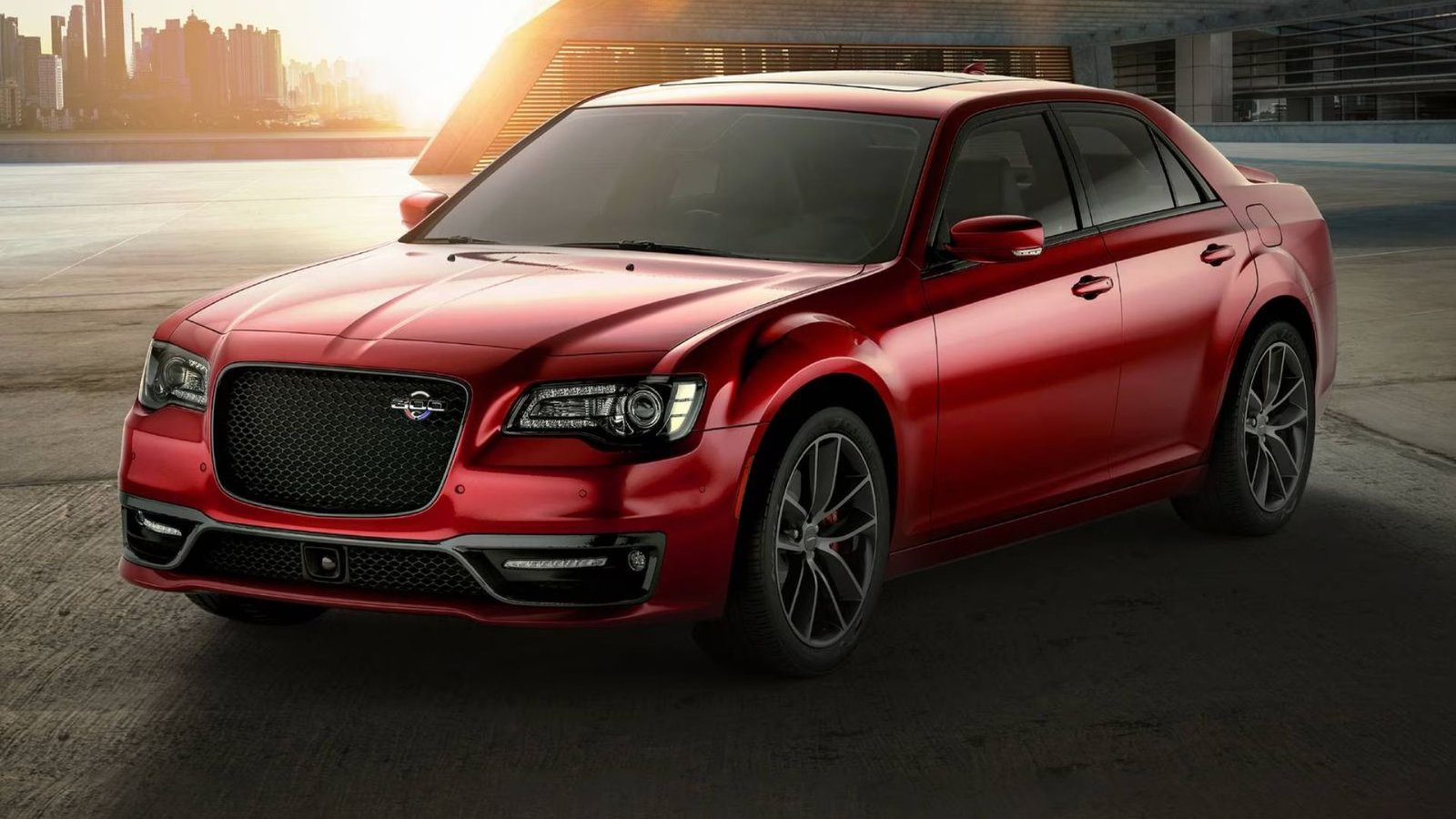
The Chrysler 300 stands as a symbol of modern luxury in Chrysler’s lineup. Introduced in 2005, the 300 quickly became known for its bold design and powerful performance. The vehicle offers a spacious interior with premium materials, advanced technology, and a smooth ride. The 300 continues to appeal to those who seek a combination of style, comfort, and power.

2. Chrysler Pacifica Pinnacle: Luxury Meets Versatility

The Chrysler Pacifica Pinnacle redefines luxury in the minivan segment. This top-of-the-line model offers a refined interior with quilted leather seats, a rear-seat entertainment system, and advanced safety features. The Pacifica Pinnacle combines the practicality of a minivan with the luxurious touches expected in premium vehicles, making it a standout choice for families.

3. Chrysler 200C: Compact Luxury

Although discontinued in 2017, the Chrysler 200C remains a testament to the brand’s ability to deliver luxury in a smaller package. The 200C offered high-end features such as a leather-trimmed interior, a premium sound system, and advanced safety technology. It provided a luxurious driving experience in a compact sedan, catering to those who wanted luxury without sacrificing fuel efficiency.

4. Future Luxury Models

Chrysler continues to explore new avenues in luxury vehicle production. As part of Stellantis, Chrysler is expected to introduce new models that push the boundaries of design and technology. The future of Chrysler’s luxury lineup looks promising, with potential innovations that could redefine the luxury driving experience.

Conclusion

Chrysler’s luxury vehicle lineup showcases the brand’s commitment to elegance, comfort, and innovation. From the iconic Chrysler 300 to the versatile Pacifica Pinnacle, Chrysler offers vehicles that cater to discerning drivers. As Chrysler looks to the future, its dedication to luxury remains unwavering.

How to Customize Your Chrysler for Better Performance

Customizing your Chrysler for better performance can turn an already impressive vehicle into a powerhouse on the road. Whether you’re looking to boost horsepower, improve handling, or enhance overall driving experience, there are several key upgrades you can consider. This guide will walk you through the steps to customize your Chrysler for optimal performance.

1. Upgrade the Engine

The heart of any performance vehicle is its engine. Upgrading your Chrysler’s engine can significantly boost power and acceleration. Here are a few popular engine modifications:

  • Cold Air Intake: Installing a cold air intake system allows your engine to breathe better, leading to increased horsepower and torque. It’s a relatively simple upgrade that can make a noticeable difference.
  • Performance Exhaust System: A high-performance exhaust system reduces backpressure and allows for better exhaust flow, which can increase engine efficiency and power output.
  • Superchargers or Turbochargers: For a substantial boost in horsepower, consider adding a supercharger or turbocharger. These forced induction systems compress the air entering the engine, allowing for more fuel to be burned and resulting in significant power gains.

2. Improve the Suspension System

A well-tuned suspension system is crucial for handling and stability, especially if you’ve upgraded your engine. Here’s how you can enhance your Chrysler’s suspension:

  • Performance Shocks and Struts: Upgrading to performance shocks and struts can improve your vehicle’s handling, especially during cornering. This upgrade also helps to reduce body roll and maintain better contact with the road.
  • Lowering Springs: Lowering your Chrysler’s ride height with performance springs can lower the center of gravity, improving handling and reducing aerodynamic drag. It also gives your car a sportier appearance.
  • Sway Bars: Installing stiffer sway bars reduces body roll during sharp turns, providing better control and stability at high speeds.

3. Enhance the Braking System

When you’re increasing speed and power, it’s essential to ensure that your braking system is up to the task. Consider these braking upgrades:

  • Performance Brake Pads and Rotors: Upgrading to high-performance brake pads and rotors can improve stopping power and reduce brake fade, especially during aggressive driving.
  • Big Brake Kit: For maximum braking performance, a big brake kit includes larger calipers and rotors, providing greater stopping power and better heat dissipation.

4. Optimize the Tires and Wheels

Tires and wheels are the only parts of your car that make contact with the road, so they play a critical role in performance:

  • High-Performance Tires: Invest in a set of high-performance tires that offer better grip and traction. This upgrade can significantly improve acceleration, cornering, and braking.
  • Lightweight Wheels: Reducing unsprung weight with lightweight alloy wheels can improve handling and acceleration. Plus, they add a stylish touch to your Chrysler.

5. Fine-Tune the Transmission

Enhancing your transmission can ensure that the power from your engine is effectively transferred to the wheels:

  • Short-Throw Shifter: Installing a short-throw shifter can reduce shift times and provide a more precise and engaging driving experience.
  • Performance Clutch: Upgrading to a performance clutch can handle more power and provide quicker and smoother gear changes, especially if you’ve added significant horsepower.

6. ECU Tuning

Tuning your Chrysler’s Engine Control Unit (ECU) is one of the most effective ways to unlock additional performance:

  • ECU Remapping: Remapping or “chipping” the ECU can optimize engine parameters such as fuel injection, ignition timing, and boost pressure (for turbocharged engines), resulting in increased power and efficiency.
  • Aftermarket ECU: For those seeking ultimate control, an aftermarket ECU allows for custom tuning and adjustment of nearly every aspect of engine performance.

7. Upgrade the Interior for Performance

While performance is often about what’s under the hood, don’t forget about the interior upgrades that can enhance your driving experience:

  • Sport Seats: Replacing your stock seats with sport seats can provide better support during aggressive driving, reducing fatigue and improving comfort.
  • Steering Wheel: A performance steering wheel can offer better grip and feedback, giving you more control over your vehicle.

Conclusion

Customizing your Chrysler for better performance is an exciting way to enhance your driving experience. Whether you’re looking to increase horsepower, improve handling, or simply make your car more enjoyable to drive, the modifications outlined in this guide can help you achieve your goals. Remember to research each upgrade thoroughly and consider consulting with a professional to ensure that your customization project is a success.

The History of Chrysler’s HEMI Engines

Few names in the automotive industry evoke as much excitement and respect as “HEMI.” Chrysler’s HEMI engines have become synonymous with power, performance, and engineering excellence. From their debut in the mid-20th century to their continued presence in modern vehicles, HEMI engines have left an indelible mark on automotive history.

1. The Birth of the HEMI Engine

The story of Chrysler’s HEMI engine begins in the early 1950s when the company sought to develop a powerful engine that could outperform competitors in both racing and consumer vehicles. The solution was the hemispherical combustion chamber design, which became the cornerstone of the HEMI engine’s success.

What is a HEMI?

The term “HEMI” comes from the engine’s hemispherical combustion chambers. Unlike traditional flat-head engines, the HEMI design allows for more efficient combustion, resulting in greater power output and improved performance. The hemispherical shape also accommodates larger valves, which enable better airflow and increased fuel efficiency.

2. The First Generation: FirePower V8 (1951-1958)

Chrysler introduced its first HEMI engine, the FirePower V8, in 1951. This engine was a 331-cubic-inch V8 that delivered an impressive 180 horsepower, making it one of the most powerful engines of its time. The FirePower V8 was used in various Chrysler models, including the luxurious Chrysler New Yorker and the sporty Chrysler Saratoga.

The FirePower engine’s success in racing further solidified its reputation. In 1953, a Chrysler-powered car won the 24 Hours of Le Mans, demonstrating the HEMI’s capabilities on an international stage.

3. The Muscle Car Era: Second-Generation HEMI (1964-1971)

The 1960s saw the rise of the muscle car, and Chrysler’s second-generation HEMI engine played a pivotal role in this era. Introduced in 1964, the 426 HEMI was a 7.0-liter V8 engine that produced an astounding 425 horsepower. This engine quickly earned the nickname “The Elephant” due to its size and power.

The 426 HEMI became legendary in the world of drag racing, dominating the competition and earning Chrysler a reputation for building some of the fastest and most powerful cars on the market. Iconic models like the Dodge Charger, Plymouth Road Runner, and Plymouth Barracuda were all equipped with the 426 HEMI, making them highly sought after by performance enthusiasts.

4. The HEMI Hiatus: 1972-2003

Despite its success, the HEMI engine was discontinued in 1971 due to rising fuel prices, stricter emissions regulations, and changing consumer preferences. For over three decades, the HEMI name was absent from Chrysler’s lineup, but it remained a symbol of automotive excellence and performance.

5. The Return of the HEMI: Third-Generation HEMI (2003-Present)

In 2003, Chrysler revived the HEMI engine, introducing the modern 5.7-liter HEMI V8. This engine was designed to deliver the power and performance that enthusiasts expected while also meeting modern emissions standards and providing improved fuel efficiency.

The third-generation HEMI features advanced technologies such as variable valve timing (VVT) and multi-displacement system (MDS), which allow the engine to switch between eight and four cylinders, depending on driving conditions. This innovation helps to balance performance with fuel economy.

The modern HEMI engine has been used in a wide range of vehicles, from the Dodge Ram trucks to the high-performance Dodge Challenger and Charger Hellcat models, which boast a supercharged 6.2-liter HEMI V8 engine producing over 700 horsepower.

6. The Legacy of the HEMI Engine

Today, the HEMI engine remains a symbol of power, innovation, and American automotive ingenuity. Chrysler’s commitment to refining and evolving the HEMI design over the decades has ensured that it continues to be a force in the automotive world.

Conclusion

The history of Chrysler’s HEMI engines is a testament to the brand’s dedication to performance and innovation. From its origins in the 1950s to its resurgence in the 21st century, the HEMI engine has become an iconic part of automotive history, beloved by car enthusiasts and respected by competitors. As Chrysler continues to embrace new technologies, the HEMI legacy lives on, proving that true engineering excellence never goes out of style.

Chrysler’s Role in the Development of Hybrid Technology

Chrysler has played a significant role in the development of hybrid technology, contributing to the automotive industry’s shift towards more sustainable and fuel-efficient vehicles. While many automakers have embraced hybrid technology as a solution to rising fuel costs and environmental concerns, Chrysler’s approach has been distinctive, focusing on integrating hybrid systems into vehicles that maintain the brand’s commitment to performance, innovation, and practicality. Chrysler’s contributions to hybrid technology reflect its dedication to pioneering advancements that benefit both consumers and the environment.

Chrysler’s Role in the Development of Hybrid Technology

1. Early Exploration of Hybrid Concepts

Chrysler’s involvement with hybrid technology dates back to the late 20th century when the company began exploring alternative powertrains. In 1993, Chrysler unveiled the Dodge Intrepid ESX, a concept vehicle that featured a hybrid-electric powertrain. The Intrepid ESX was part of Chrysler’s participation in the Partnership for a New Generation of Vehicles (PNGV), a government initiative aimed at developing highly fuel-efficient vehicles. Although the Intrepid ESX did not go into mass production, it laid the groundwork for Chrysler’s future hybrid endeavors by demonstrating the potential of hybrid technology to reduce fuel consumption and emissions.

2. The Launch of the Chrysler Aspen Hybrid

In 2008, Chrysler made its first major foray into the hybrid market with the introduction of the Chrysler Aspen Hybrid, the first hybrid SUV to be offered by an American automaker. The Aspen Hybrid featured a two-mode hybrid system, developed in collaboration with General Motors and BMW, that combined a 5.7-liter HEMI V8 engine with electric motors. This system allowed the Aspen Hybrid to deliver strong performance while achieving better fuel efficiency than its non-hybrid counterparts. The launch of the Aspen Hybrid marked a significant milestone for Chrysler, showcasing its ability to integrate hybrid technology into larger, more powerful vehicles without sacrificing performance.

3. Innovation with the Chrysler Pacifica Hybrid

Chrysler’s most notable contribution to hybrid technology came in 2017 with the release of the Chrysler Pacifica Hybrid, the world’s first plug-in hybrid minivan. The Pacifica Hybrid represented a major advancement in hybrid technology, offering a fully electric driving range of 33 miles and an overall range of more than 500 miles. The vehicle’s innovative powertrain, which combines a V6 gasoline engine with dual electric motors, allows it to operate in both electric-only mode and hybrid mode, depending on driving conditions. The Pacifica Hybrid not only delivers exceptional fuel efficiency but also retains the spaciousness and versatility that have made the Pacifica a favorite among families. This model highlights Chrysler’s ability to push the boundaries of hybrid technology while meeting the practical needs of consumers.

4. Commitment to a Sustainable Future

Chrysler’s ongoing commitment to hybrid technology is part of a broader strategy to embrace sustainability and reduce the environmental impact of its vehicles. The success of the Pacifica Hybrid has paved the way for future hybrid and electric models, as Chrysler continues to invest in research and development to enhance the efficiency and performance of its hybrid systems. As part of Stellantis, the global automotive group formed from the merger of Fiat Chrysler Automobiles and PSA Group, Chrysler is poised to expand its hybrid offerings and contribute to the group’s goal of achieving carbon neutrality by 2038. Chrysler’s role in the development of hybrid technology underscores its dedication to innovation and its vision for a more sustainable automotive future.

Conclusion

Chrysler’s role in the development of hybrid technology has been marked by innovation, practicality, and a commitment to sustainability. From early hybrid concepts to the groundbreaking Pacifica Hybrid, Chrysler has demonstrated its ability to integrate advanced technology into vehicles that meet the needs of modern consumers. As the automotive industry continues to evolve, Chrysler remains a key player in the transition to hybrid and electric vehicles, contributing to a greener and more sustainable future.