Chrysler vs. Ford: A Comparative Analysis

Chrysler and Ford are two of the most iconic names in the American automotive industry, each with a rich history and a loyal customer base. While both companies have made significant contributions to the automotive world, they differ in several key areas, including product offerings, market strategies, and innovation. This comparative analysis delves into the similarities and differences between Chrysler and Ford, providing insights into what sets these two automotive giants apart.

1. Historical Background and Legacy

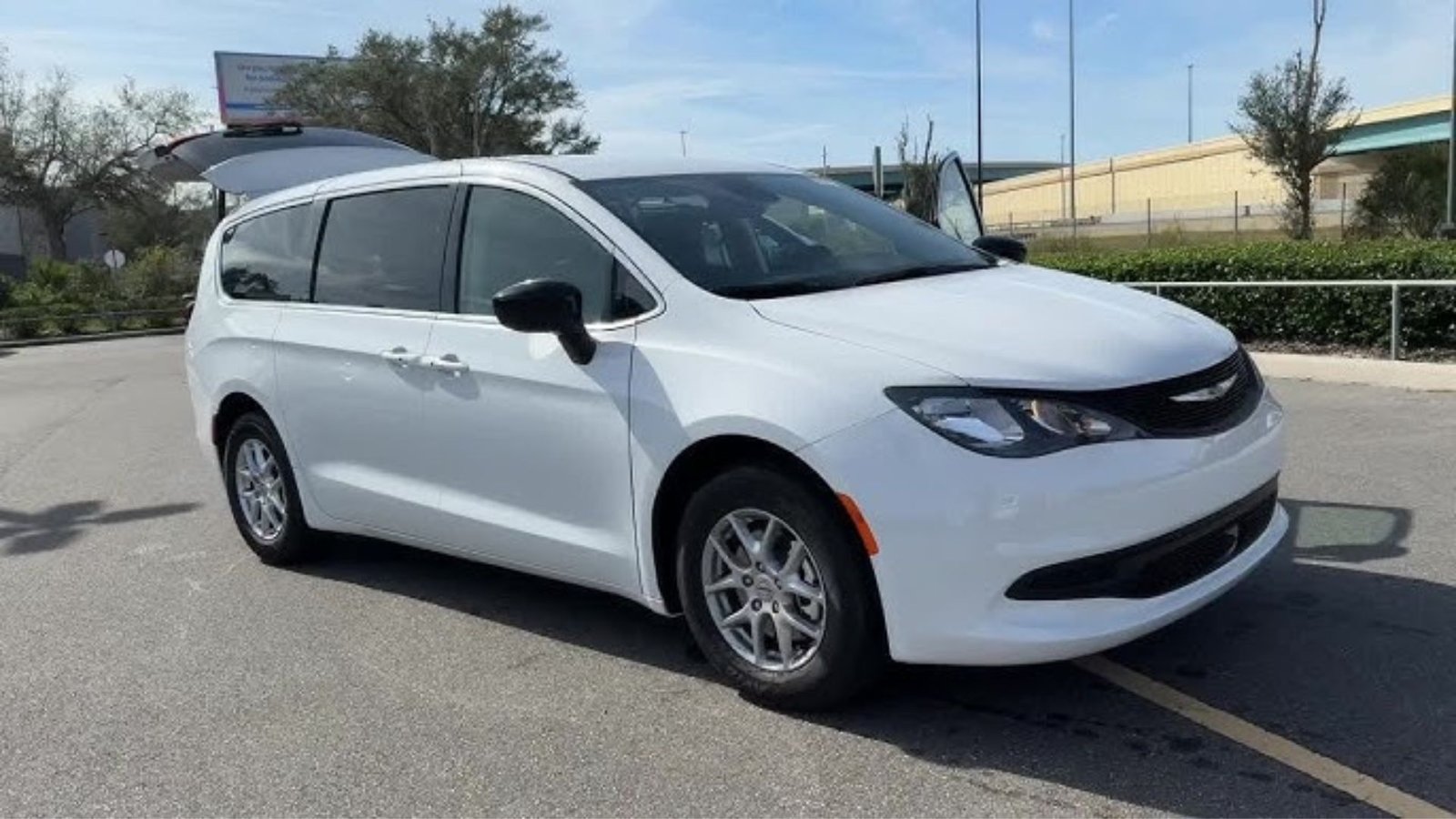
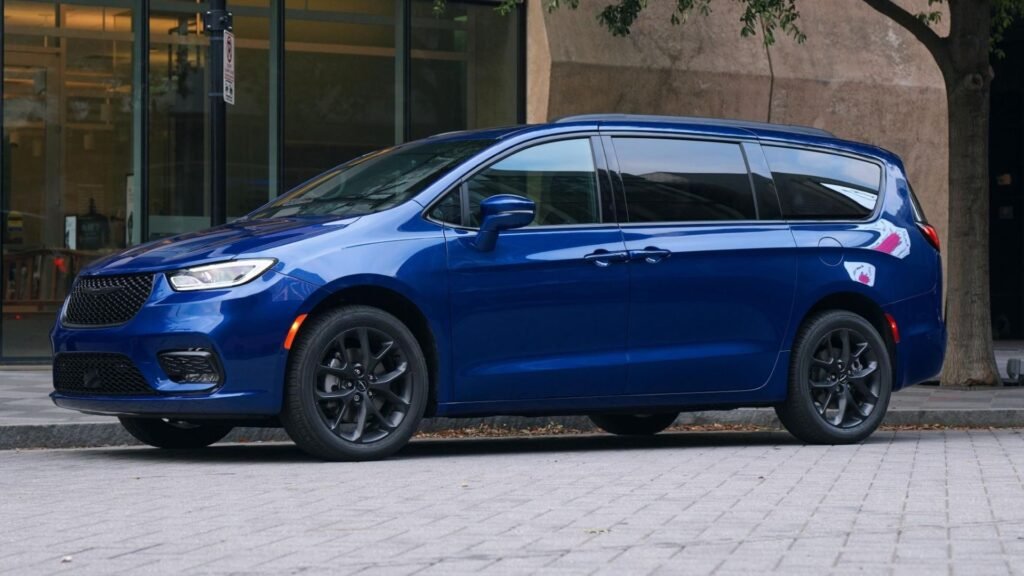
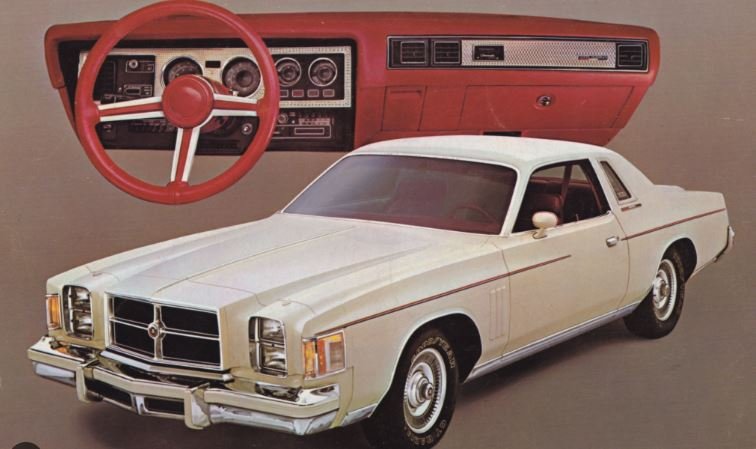
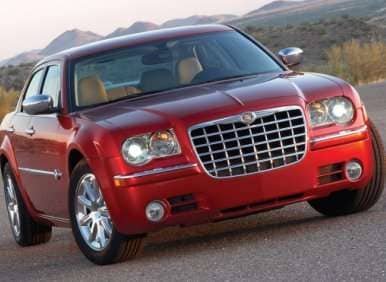
Chrysler: Founded in 1925 by Walter Chrysler, Chrysler quickly became known for its engineering innovations and luxury vehicles. The brand has had its ups and downs, including mergers and acquisitions, but it has remained a key player in the automotive industry, particularly known for models like the Chrysler 300 and the Pacifica.

Ford: Founded by Henry Ford in 1903, Ford revolutionized the automotive industry with the introduction of the Model T and the assembly line, making cars affordable for the average American. Ford’s legacy is deeply rooted in innovation, mass production, and a commitment to bringing mobility to the masses. Iconic models like the Ford Mustang and F-150 have solidified Ford’s place as a leader in the global automotive market.

2. Product Lineup

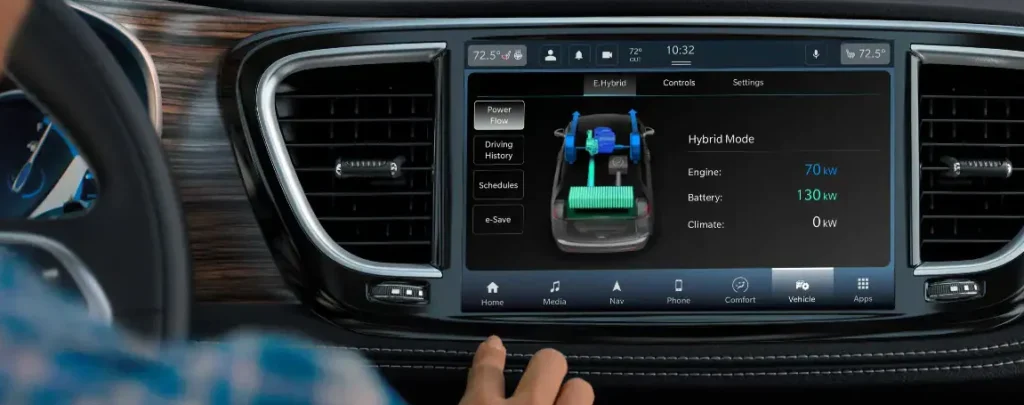
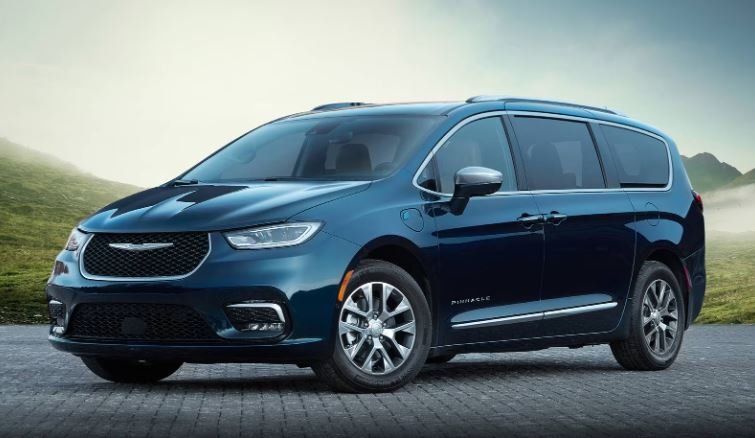
Chrysler: Chrysler’s current product lineup is more focused and limited compared to Ford. The brand offers a mix of luxury sedans and minivans, with the Chrysler 300 and the Pacifica being the most prominent models. Chrysler has also embraced hybrid technology with the Pacifica Hybrid, a leading choice in the minivan market.

Ford: Ford’s product lineup is extensive, covering a wide range of vehicle types, including sedans, SUVs, trucks, and commercial vehicles. The Ford F-150, part of the F-Series, is the best-selling truck in the United States and a major contributor to Ford’s revenue. Ford has also made significant strides in the electric vehicle market with the Mustang Mach-E and the upcoming all-electric F-150 Lightning.

3. Innovation and Technology

Chrysler: Chrysler has a reputation for engineering excellence and has introduced several technological innovations over the years. The Pacifica was one of the first minivans to offer a plug-in hybrid option, and the brand has been steadily integrating advanced safety features and infotainment systems into its vehicles. However, Chrysler’s pace of innovation has been somewhat slower compared to its competitors.

Ford: Ford is often seen as a pioneer in automotive innovation. The introduction of the assembly line is just one example of Ford’s impact on the industry. Today, Ford is heavily investing in electric vehicles (EVs), autonomous driving technologies, and connectivity features. The Ford SYNC infotainment system and Co-Pilot360 driver-assist technologies are examples of Ford’s commitment to integrating cutting-edge tech into its vehicles.

4. Market Presence and Strategy

Chrysler: Chrysler has a smaller market presence compared to Ford, focusing primarily on the North American market. The brand has shifted towards a more niche market strategy, emphasizing luxury and comfort in its vehicles. While Chrysler does not have the same global reach as Ford, it maintains a strong presence in the minivan segment, where the Pacifica is a top contender.

Ford: Ford’s market presence is global, with a strong foothold in North America, Europe, and Asia. Ford’s strategy involves a broad product portfolio that caters to a wide range of consumers, from affordable sedans to high-performance sports cars and rugged trucks. Ford is also aggressively pursuing a leadership position in the electric vehicle market, with plans to invest billions in EV production and development.

5. Sustainability and Environmental Impact

Chrysler: Chrysler has made strides in sustainability, particularly with the introduction of the Pacifica Hybrid. The company’s efforts are aligned with its parent company Stellantis’s broader sustainability goals, including reducing carbon emissions and increasing the use of renewable energy in manufacturing processes. However, Chrysler’s smaller product lineup means its impact on the overall industry’s sustainability is less significant compared to larger automakers.

Ford: Ford has a comprehensive sustainability strategy that includes a commitment to carbon neutrality by 2050. The company is investing heavily in electric vehicles and has already introduced several EV models, with plans for more in the near future. Ford is also focused on reducing the environmental impact of its manufacturing processes and supply chain, making it a leader in sustainability efforts within the automotive industry.

6. Brand Identity and Consumer Perception

Chrysler: Chrysler’s brand identity is associated with luxury, comfort, and American craftsmanship. The brand’s vehicles are often seen as premium options within their respective segments, appealing to consumers who value style and sophistication. However, Chrysler’s limited product lineup and market presence have led to a more niche consumer base.

Ford: Ford’s brand identity is built on innovation, reliability, and ruggedness. The Ford F-Series trucks, in particular, are synonymous with durability and strength. Ford’s move into electric vehicles has also started to shape its identity as a forward-thinking and environmentally conscious brand. The company enjoys widespread consumer recognition and loyalty, particularly in the truck and SUV segments.

7. Challenges and Opportunities

Chrysler: Chrysler faces the challenge of remaining relevant in an increasingly competitive market with a limited product lineup. However, the brand has the opportunity to carve out a niche in the luxury and hybrid markets. By focusing on innovation and expanding its EV offerings, Chrysler can strengthen its position in the automotive industry.

Ford: Ford’s challenges include managing the transition to electric vehicles while maintaining its leadership in the truck market. The company also faces competition from both traditional automakers and new entrants in the EV space. However, Ford’s strong brand identity, extensive product lineup, and commitment to innovation provide significant opportunities for growth and expansion.

Conclusion

Chrysler and Ford, while both American automotive giants, have distinct approaches to the market. Chrysler focuses on luxury, comfort, and a more niche market strategy, while Ford emphasizes innovation, a broad product lineup, and a global market presence. Both companies face unique challenges and opportunities as they navigate the rapidly changing automotive landscape. As they continue to evolve, Chrysler and Ford will undoubtedly play key roles in shaping the future of the automotive industry.

The Future of Chrysler in the Automotive Industry

Chrysler, a name synonymous with American automotive history, is poised for a transformative future in an industry that is rapidly evolving. As the automotive world shifts towards electric mobility, smart technologies, and sustainable practices, Chrysler is gearing up to redefine its legacy for a new era. This post delves into the future of Chrysler in the automotive industry, examining the key trends, strategies, and innovations that will drive the brand forward.

1. Chrysler’s Vision for an Electric Future

One of the most significant shifts in the automotive industry is the move towards electrification. Chrysler is fully embracing this trend, with plans to transition its entire lineup to electric vehicles (EVs) by 2028. This ambitious goal is part of a broader strategy to reduce carbon emissions and meet the growing consumer demand for eco-friendly transportation options.

Chrysler’s upcoming electric vehicles will build on the success of the Pacifica Hybrid, the brand’s first foray into electrification. Future models will offer extended ranges, faster charging capabilities, and advanced battery technology, ensuring that Chrysler remains competitive in the expanding EV market.

2. Advanced Technology Integration

As technology becomes increasingly integral to the automotive experience, Chrysler is investing in cutting-edge innovations to enhance its vehicles. From autonomous driving features to connected car technologies, Chrysler is focused on delivering a seamless and intuitive driving experience.

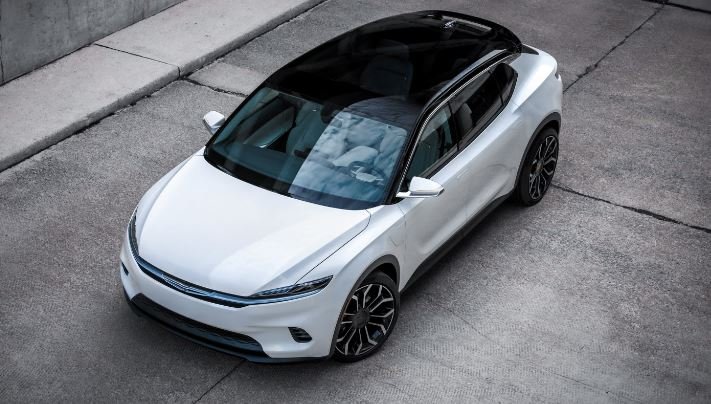
The Chrysler Airflow Concept, introduced at the 2022 Consumer Electronics Show (CES), provides a glimpse into the brand’s technological future. This concept vehicle showcases Level 3 autonomous driving capabilities, allowing for hands-free driving in certain conditions, as well as advanced connectivity features that integrate with the driver’s digital life. Expect future Chrysler models to continue this trend of blending technology with practicality.

3. Commitment to Sustainability

Sustainability is at the heart of Chrysler’s future plans. In addition to electrifying its vehicle lineup, the brand is exploring ways to make its manufacturing processes more environmentally friendly. This includes using recycled materials, reducing waste, and increasing energy efficiency in its production facilities.

Chrysler’s parent company, Stellantis, has outlined a comprehensive sustainability strategy that includes achieving carbon neutrality by 2038. Chrysler’s role in this initiative will be crucial, as it adopts green practices across its supply chain and works towards minimizing its environmental impact.

4. Strategic Partnerships and Collaborations

To accelerate its transition to electric vehicles and advanced technologies, Chrysler is forming strategic partnerships with leading companies in the tech and automotive sectors. These collaborations will enable Chrysler to access the latest innovations in battery technology, software development, and autonomous driving systems.

For example, Stellantis has partnered with LG Energy Solution to build a large-scale battery manufacturing plant in North America. This facility will supply the batteries needed for Chrysler’s future EVs, ensuring a steady and reliable source of components as the brand scales up its electric vehicle production.

5. Reimagining Chrysler’s Brand Identity

As Chrysler evolves, so too will its brand identity. The shift towards electric vehicles and sustainable practices will likely be accompanied by a refreshed brand image that resonates with modern consumers. Expect Chrysler to emphasize its commitment to innovation, quality, and environmental responsibility in its marketing and branding efforts.

This reimagined brand identity will also appeal to a younger, tech-savvy audience that values sustainability and cutting-edge technology. By aligning itself with these values, Chrysler aims to attract a new generation of customers while maintaining the loyalty of its existing fan base.

6. Challenges and Opportunities

The automotive industry is undergoing a period of rapid change, presenting both challenges and opportunities for Chrysler. The shift to electric vehicles requires significant investment in new technologies and infrastructure, which can be costly and complex. Additionally, the competitive landscape is intensifying, with established automakers and new entrants alike vying for market share in the EV space.

However, these challenges also present opportunities for Chrysler to differentiate itself. By leveraging its rich heritage, technological innovations, and commitment to sustainability, Chrysler is well-positioned to carve out a unique place in the future automotive market.

7. What’s Next for Chrysler?

Looking ahead, Chrysler’s future in the automotive industry is bright, with several exciting developments on the horizon. The brand is expected to unveil its first all-electric vehicle by 2025, with additional models to follow. These new vehicles will embody Chrysler’s vision of combining performance, luxury, and sustainability in a way that sets them apart from the competition.

Chrysler is also likely to continue expanding its lineup to include electric SUVs, sedans, and potentially even trucks, catering to a wide range of consumer preferences. As the brand continues to innovate and evolve, it will play a crucial role in shaping the future of the automotive industry.

Conclusion

The future of Chrysler in the automotive industry is one of innovation, sustainability, and transformation. As the brand embraces electric vehicles, advanced technologies, and a renewed commitment to environmental responsibility, it is poised to lead the way into a new era of mobility. With strategic partnerships, a reimagined brand identity, and a focus on meeting the needs of modern consumers, Chrysler is set to thrive in the years to come, cementing its place as a forward-thinking leader in the automotive world.

Chrysler’s Legacy: From Classic Cars to Modern Innovation

Chrysler stands as a beacon of American automotive excellence, showcasing a rich legacy that spans from classic cars to cutting-edge innovations. With each decade, Chrysler’s legacy has evolved, blending tradition with technology to maintain its status as a leader in the automotive industry. From its inception, the company has consistently pushed the boundaries of design, engineering, and performance, leaving an indelible mark on the history of automobiles.

Chrysler’s Legacy: From Classic Cars to Modern Innovation

1. Pioneering the Automotive Industry

Chrysler’s journey began in 1925, when Walter P. Chrysler founded the company with a vision to produce high-quality vehicles at affordable prices. The brand quickly gained recognition for its innovative approach, introducing features that were ahead of their time. The 1934 Chrysler Airflow, for instance, was one of the first cars to prioritize aerodynamics, setting a new standard for automotive design. Chrysler’s early commitment to innovation laid the groundwork for its enduring success.

2. Classic Cars That Defined an Era

Throughout the mid-20th century, Chrysler produced some of the most iconic cars in automotive history. The Chrysler 300, introduced in 1955, became known as the “Beautiful Brute” for its combination of luxury and high performance. This model, along with others like the Plymouth Barracuda and Dodge Charger, solidified Chrysler’s reputation for producing powerful and stylish vehicles. These classic cars not only defined an era but also became symbols of American culture, celebrated for their bold designs and engineering excellence.

3. Adapting to the Modern Age

As the automotive landscape changed, Chrysler adapted by embracing new technologies and responding to consumer demands. In the 1980s, the company revolutionized the market with the introduction of the minivan, a vehicle that redefined family transportation. Chrysler’s ability to innovate while maintaining its commitment to quality helped the brand navigate challenges and remain competitive in a rapidly evolving industry.

4. Innovations in Safety and Technology

Chrysler has continually advanced automotive technology, particularly in the areas of safety and convenience. The company introduced the first driver-side airbag in the 1988 Chrysler New Yorker, setting a new standard for vehicle safety. In recent years, Chrysler has integrated state-of-the-art infotainment systems, driver-assistance features, and hybrid technology into its lineup, reflecting its dedication to meeting the needs of modern drivers.

5. Commitment to Sustainability

In response to global environmental concerns, Chrysler has made significant strides in sustainability. The introduction of the Chrysler Pacifica Hybrid marked a major step toward eco-friendly transportation, offering a family vehicle with both versatility and reduced emissions. The company’s focus on sustainability extends beyond its vehicles, as Chrysler continues to explore new materials and manufacturing processes that minimize environmental impact.

6. The Future of Chrysler

Chrysler classic cars remains poised to shape the future of the automotive industry. The company is investing in electric vehicle (EV) technology, with plans to release fully electric models in the coming years. By combining its legacy of innovation with a commitment to sustainability, Chrysler is set to continue its tradition of excellence while adapting to the changing demands of the global market.

Conclusion

Chrysler’s legacy, built on a foundation of classic cars and modern innovation, exemplifies the brand’s ability to evolve with the times while staying true to its core values. From pioneering automotive advancements to embracing sustainable practices, Chrysler continues to lead the industry with a vision that honors its storied past and looks toward the future.

How Chrysler is Embracing Electric Vehicles

Chrysler, a brand with a long history of innovation in the automotive industry, is now steering its focus towards a greener future. As the world shifts towards more sustainable forms of transportation, Chrysler is embracing the electric vehicle (EV) revolution with cutting-edge designs, advanced technology, and a commitment to reducing its carbon footprint. Here’s a closer look at how Chrysler is driving the electric vehicle movement forward.

1. Chrysler’s Commitment to a Sustainable Future

Chrysler has made sustainability a core part of its business strategy, aligning with the global push towards reducing greenhouse gas emissions and combating climate change. The company has pledged to make its entire lineup fully electric by 2028, marking a significant shift from traditional internal combustion engines to eco-friendly alternatives.

This commitment is part of Stellantis’ larger Dare Forward 2030 plan, which aims to cut carbon emissions by 50% by the end of the decade and achieve carbon neutrality by 2038. Chrysler’s role in this initiative is pivotal, as it seeks to transform its brand into a leader in the electric vehicle market.

2. The Chrysler Pacifica Hybrid: A Pioneering Step

Chrysler’s journey into the world of electric vehicles began with the introduction of the Chrysler Pacifica Hybrid in 2017. As the first plug-in hybrid minivan, the Pacifica Hybrid was a game-changer, offering families an eco-friendly option without compromising on space, comfort, or performance. The Pacifica Hybrid combines electric power with a gasoline engine, allowing for impressive fuel efficiency and reduced emissions.

This model has been a critical stepping stone for Chrysler, demonstrating the brand’s ability to innovate and adapt to the growing demand for sustainable vehicles.

3. Introducing the Chrysler Airflow Concept

At the 2022 Consumer Electronics Show (CES), Chrysler unveiled the Airflow Concept, a fully electric SUV that embodies the brand’s vision for the future of mobility. The Airflow Concept features a sleek, aerodynamic design, a spacious interior, and a range of advanced technologies, including Level 3 autonomous driving capabilities.

Powered by two electric motors and equipped with a large battery pack, the Airflow Concept is designed to offer a range of 350 to 400 miles on a single charge, positioning it as a strong competitor in the EV market. The concept also emphasizes connectivity, with a user-friendly interface and seamless integration of digital services, catering to the modern consumer’s needs.

4. Future Electric Models: What’s Next for Chrysler?

Chrysler’s move towards full electrification is just beginning. The company has announced plans to release its first all-electric vehicle by 2025, with additional models to follow. This upcoming lineup will focus on combining Chrysler’s legacy of quality and comfort with the latest in electric vehicle technology.

One of the key areas of focus will be expanding the range and efficiency of its electric vehicles, ensuring that customers can enjoy long-distance driving with minimal environmental impact. Chrysler is also investing in developing a robust charging infrastructure, making it easier for consumers to transition to electric vehicles.

5. Collaborations and Technological Advancements

To accelerate its electric vehicle strategy, Chrysler is collaborating with leading technology companies and suppliers. These partnerships aim to enhance battery technology, improve charging times, and integrate next-generation software into Chrysler’s electric vehicles.

For instance, Stellantis, Chrysler’s parent company, has announced a joint venture with LG Energy Solution to build a large-scale battery manufacturing plant in North America. This facility will be crucial in supplying the batteries needed for Chrysler’s future electric models, ensuring a steady and reliable source of components as the brand scales up its EV production.

6. The Impact on Chrysler’s Legacy

Chrysler’s embrace of electric vehicles marks a significant evolution in the brand’s storied history. Known for its pioneering spirit, Chrysler is once again leading the way by reimagining what’s possible in the automotive industry. As the brand shifts towards electric mobility, it is poised to influence the broader market, encouraging other automakers to follow suit.

Chrysler’s commitment to sustainability doesn’t just reflect a change in product offerings; it signals a broader transformation of the brand itself. By prioritizing environmental responsibility and technological innovation, Chrysler is ensuring that its legacy continues to resonate with future generations.

Conclusion

Chrysler’s journey towards electrification is a testament to its ability to adapt and lead in a rapidly changing industry. From the Pacifica Hybrid to the Airflow Concept and beyond, Chrysler is embracing the electric vehicle revolution with a clear vision and a strong commitment to sustainability. As the brand continues to innovate and expand its electric vehicle lineup, it is set to play a crucial role in shaping the future of the automotive industry, one electric vehicle at a time.

Choosing the Best Chrysler Model for Your Needs

When it comes to selecting the perfect Chrysler model for your needs, it’s essential to understand what each model offers and how it aligns with your lifestyle. Whether you’re looking for a family-friendly SUV, a stylish sedan, or a powerful truck, knowing the strengths of different Chrysler models will help you make the best decision. In this guide, I’ll walk you through the key factors to consider and highlight the features of various Chrysler models that might suit your needs.

Understand Your Needs

Before going into the specifics of each Chrysler model, it’s crucial to define your needs. Are you looking for a spacious vehicle for family trips, or do you need a compact car for city driving? Perhaps you need a vehicle with advanced technology or one that offers superior towing capacity. Understanding your needs will help you choose the right Chrysler model for you.

Chrysler Model for Your Needs

Chrysler Pacifica: The Family Favorite

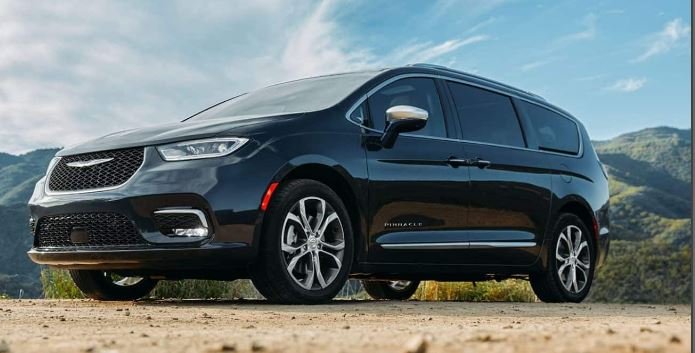
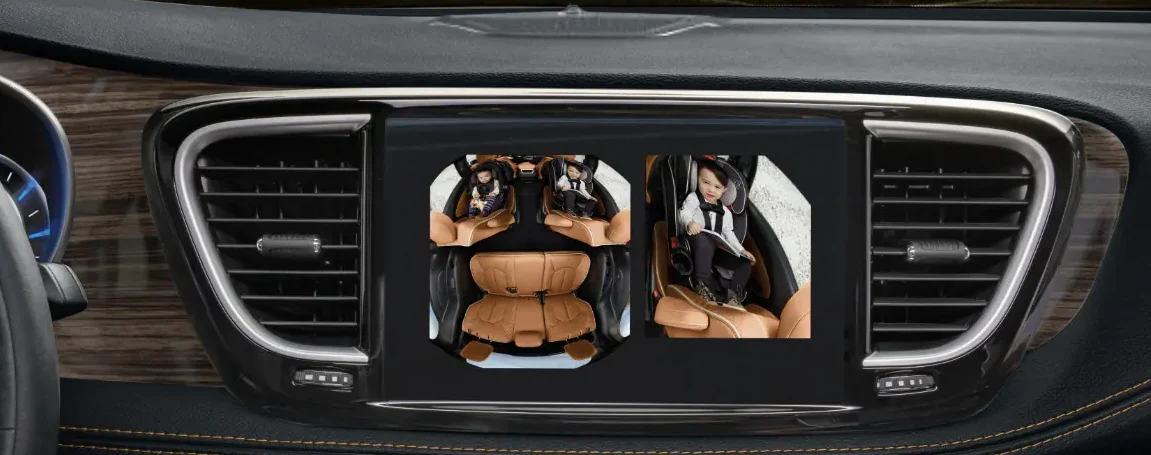
If you need a vehicle that combines space, comfort, and practicality, the Chrysler Pacifica is a great choice. This minivan offers three rows of seating, making it ideal for families. With its flexible seating arrangements and ample cargo space, the Pacifica ensures that everyone has room to stretch out. Additionally, it features advanced safety systems and a user-friendly infotainment system, making it a top contender for those prioritizing family needs.

Chrysler 300: The Stylish Sedan

For those who prefer a sedan with a touch of luxury, the Chrysler 300 stands out. This model offers a sleek design, powerful engine options, and a comfortable ride. The Chrysler 300 is known for its spacious interior and high-quality materials, which contribute to a premium driving experience. If you’re looking for a vehicle that combines style with substance, the Chrysler 300 could be the perfect fit.

Chrysler Voyager: Affordable and Practical

The Chrysler Voyager is an excellent choice if you’re looking for a budget-friendly minivan without compromising on features. It provides many of the same benefits as the Pacifica, including ample space and a range of family-friendly features, but at a more affordable price point. The Voyager is a solid option for those who need practicality and value.

Chrysler 300 vs. Chrysler 300C: Which One to Choose?

If you’re considering the Chrysler 300, you might also be looking at the Chrysler 300C. The main difference lies in the engine and performance. The 300C offers a more powerful engine option, providing enhanced performance compared to the standard 300. If a sporty driving experience is important to you, the 300C might be worth considering.

Chrysler SUV Options

Chrysler offers a few SUV options, but currently, the Pacifica is the primary choice. However, if you’re open to exploring the broader FCA (Fiat Chrysler Automobiles) lineup, you might find models like the Jeep Grand Cherokee or the Dodge Durango worth considering for a mix of off-road capability and luxury features.

Evaluating Fuel Efficiency

Fuel efficiency is an important factor when choosing a Chrysler model. The Chrysler 300 and Pacifica offer competitive fuel economy within their segments. If you’re looking for a vehicle that’s easy on fuel, consider the latest hybrid models and compare their efficiency ratings.

Technology and Infotainment

Modern Chrysler models come equipped with advanced technology and infotainment systems. The Chrysler Pacifica, for example, features a large touchscreen, smartphone integration, and a rear-seat entertainment system. Make sure the Chrysler model you choose meets your technology needs and keeps you connected on the go.

Safety Features

Safety is a top priority for Chrysler, and most models come with a comprehensive suite of safety features. The Pacifica and Voyager both offer advanced driver assistance systems, including adaptive cruise control and automatic emergency braking. Check the safety ratings and available features to ensure the Chrysler model you choose offers peace of mind.

Comfort and Interior Space

Comfort and interior space can make a big difference in your driving experience. The Chrysler 300 and Pacifica excel in providing spacious and comfortable interiors. Look for features like adjustable seating, high-quality materials, and ample legroom when choosing the right model for your needs.

Budget Considerations

Your budget will play a significant role in determining which Chrysler model is right for you. The Chrysler Voyager is the most affordable option, while the 300 and Pacifica offer a range of pricing based on trims and features. Set a budget and explore which models fit within your financial plans.

Test Driving the Models

Once you have a shortlist of Chrysler models, take them for a test drive. This will give you a feel for how each model performs and whether it meets your expectations in terms of comfort, handling, and features.

Long-Term Costs

Consider long-term costs such as maintenance, insurance, and fuel. Chrysler models generally have competitive maintenance costs, but it’s always wise to research and plan for these expenses.

Resale Value

Finally, consider the resale value of the Chrysler model you’re interested in. Some models hold their value better than others, and this can impact your long-term investment.

Conclusion

Choosing the best Chrysler model for your needs involves evaluating your lifestyle, preferences, and budget. Whether you need a spacious minivan like the Pacifica, a stylish sedan like the 300, or a more affordable option like the Voyager, understanding each model’s strengths will help you make an informed decision. Test driving and considering long-term costs will also ensure you select the Chrysler model that’s right for you.

Chrysler’s Contribution to American Automotive History

Chrysler has played a pivotal role in shaping the American automotive landscape. Since its founding in 1925, the company has been at the forefront of innovation, introducing groundbreaking technologies and creating iconic vehicles that have left a lasting legacy. Here’s a closer look at Chrysler’s significant contributions to American automotive history.

1. Pioneering Engineering Innovations

Chrysler has been synonymous with innovation since its inception. One of its earliest achievements was the development of the Floating Power engine mount in 1931, which reduced engine vibration and improved ride comfort. This was followed by the introduction of the world’s first mass-produced four-wheel hydraulic brakes, setting a new standard for vehicle safety.

Another engineering milestone was the introduction of the HEMI engine in 1951. Known for its hemispherical combustion chambers, the HEMI engine delivered unmatched power and efficiency, earning a place in automotive history as one of the most legendary engines ever produced.

2. Revolutionizing the American Muscle Car

Chrysler played a crucial role in the muscle car era of the 1960s and 1970s. The introduction of the Chrysler 300 in 1955, often referred to as the “Letter Series,” marked the beginning of the muscle car movement. With its powerful HEMI V8 engine, the Chrysler 300 set speed records and became known as the “Beautiful Brute,” combining luxury with raw power.

The Dodge Charger and Plymouth Barracuda, both part of the Chrysler family, further cemented the company’s influence in the muscle car segment. These models became iconic symbols of American automotive culture, known for their aggressive styling and high-performance engines.

3. Leading the Minivan Revolution

In the 1980s, Chrysler once again transformed the automotive industry with the introduction of the minivan. The launch of the Dodge Caravan and Chrysler Voyager in 1984 created an entirely new vehicle segment. These minivans were designed to meet the needs of families, offering spacious interiors, versatility, and comfort. The success of the minivan not only revitalized Chrysler’s fortunes but also established the company as a leader in family-oriented vehicles.

4. Innovations in Safety and Comfort

Chrysler has consistently prioritized safety and comfort in its vehicles. The company was among the first to introduce features such as power steering, power windows, and air conditioning, making driving more comfortable and accessible. In recent years, Chrysler has continued this tradition with advanced safety features like adaptive cruise control, blind-spot monitoring, and automated parking systems.

5. Shaping the Future with Sustainable Technologies

As the automotive industry moves towards sustainability, Chrysler is once again at the forefront with its commitment to developing electric and hybrid vehicles. The Chrysler Pacifica Hybrid, introduced in 2017, was the first plug-in hybrid minivan, offering impressive fuel efficiency and eco-friendly driving without sacrificing the versatility that Chrysler minivans are known for.

6. A Legacy of Iconic Designs

Chrysler’s contribution to American automotive history is also reflected in its iconic designs. From the art-deco inspired Chrysler Airflow of the 1930s to the bold and muscular Chrysler 300, the brand has consistently pushed the boundaries of automotive design. These vehicles not only captured the spirit of their times but also influenced the direction of car design for generations.

Conclusion

Chrysler’s impact on the American automotive industry is undeniable. Through pioneering engineering, innovative safety features, and a commitment to meeting the needs of drivers, Chrysler has left an indelible mark on automotive history. Whether through the creation of the muscle car or the minivan, Chrysler’s legacy is one of innovation, quality, and a relentless pursuit of excellence. As the industry evolves, Chrysler continues to shape the future of transportation with its forward-thinking approach and dedication to innovation.

Top 10 Chrysler Models of All Time

Chrysler has produced some of the most memorable and innovative vehicles in automotive history. From powerful muscle cars to family-friendly minivans, Chrysler’s legacy is rich with models that have made a lasting impact. Here’s a look at the top 10 Chrysler models of all time.

1. Chrysler 300 (1955-Present)

The Chrysler 300 is perhaps the most iconic model in the brand’s history. Introduced in 1955, the Chrysler 300 was one of the first American muscle cars, known for its powerful HEMI V8 engine and luxurious design. The 300 has evolved over the decades, maintaining its reputation as a high-performance vehicle with modern amenities.

2. Chrysler Town & Country (1941-1988)

The Chrysler Town & Country is a legend in the world of station wagons and minivans. Initially introduced as a wood-paneled station wagon, it later became one of the most popular minivans in the U.S. The Town & Country set the standard for family vehicles with its combination of luxury and practicality.

3. Chrysler Voyager (1984-Present)

The Chrysler Voyager, also known as the Dodge Caravan, revolutionized family transportation when it was introduced in 1984. As the first modern minivan, the Voyager became a best-seller and set the benchmark for all minivans that followed.

4. Chrysler Imperial (1926-1954, 1990-1993)

The Chrysler Imperial was the brand’s flagship luxury model for many years. Known for its opulence, advanced technology, and powerful engines, the Imperial was Chrysler’s answer to Cadillac and Lincoln, offering a top-tier luxury experience.

5. Chrysler PT Cruiser (2001-2010)

The Chrysler PT Cruiser was a unique blend of retro design and modern functionality. Introduced in 2001, the PT Cruiser quickly became a hit due to its distinctive styling, versatile interior, and affordable price. It remains a cult favorite among car enthusiasts.

6. Chrysler Newport (1940-1981)

The Chrysler Newport was a full-size sedan that offered a combination of style, comfort, and performance. Over its four decades of production, the Newport was known for its powerful engines and spacious interiors, making it a popular choice for families.

7. Chrysler LeBaron (1939-1995)

The Chrysler LeBaron was a long-running model that spanned multiple generations and body styles, including convertibles, coupes, and sedans. It was known for its affordability and style, making it a popular choice throughout the 1980s and 1990s.

8. Chrysler Pacifica (2017-Present)

The Chrysler Pacifica redefined the minivan segment with its introduction in 2017. Offering both traditional and plug-in hybrid powertrains, the Pacifica is packed with advanced safety features and family-friendly innovations, making it one of the most awarded minivans in recent years.

9. Chrysler Sebring (1995-2010)

The Chrysler Sebring was a mid-size car offered in coupe, sedan, and convertible body styles. It gained popularity in the late 1990s and early 2000s for its stylish design and affordable price, particularly in the convertible market.

10. Chrysler Airflow (1934-1937)

The Chrysler Airflow was a groundbreaking model in automotive design, known for its aerodynamic shape and innovative engineering. Although it was not a commercial success at the time, the Airflow’s influence can be seen in many modern cars, and it remains an important part of Chrysler’s legacy.

Conclusion

Chrysler has a rich history of producing vehicles that are both innovative and iconic. From the muscle-bound Chrysler 300 to the family-friendly Pacifica, these top 10 models have left a lasting impact on the automotive industry. Each of these vehicles represents a unique chapter in Chrysler’s story, showcasing the brand’s commitment to quality, performance, and style.

The Evolution of Chrysler: A Look Back at Iconic Models

Chrysler has been a significant player in the automotive industry for nearly a century, known for its innovation, style, and performance. From its founding days to the modern era, Chrysler has introduced a range of iconic models that have left a lasting mark on the industry. Let’s take a journey through time and explore some of the most influential Chrysler models that have defined the brand.

The Early Days: Chrysler Six (1924)

The journey began in 1924 with the Chrysler Six, the first car produced by the brand. It was a revolutionary vehicle for its time, offering advanced features like hydraulic brakes and a high-compression engine. The Chrysler Six set the standard for what would become a legacy of innovation.

Post-War Glory: Chrysler Town & Country (1941-1988)

The Chrysler Town & Country is one of the most iconic models in the brand’s history. Introduced as a station wagon, it combined luxury with practicality, making it a favorite among families. The wood-paneled exterior became a symbol of post-war American prosperity.

The Muscle Car Era: Chrysler 300 (1955-Present)

The Chrysler 300, introduced in 1955, was one of the first American muscle cars. Known for its powerful HEMI V8 engine and sleek design, the Chrysler 300 became a symbol of performance and luxury. The 300 series has continued to evolve, maintaining its reputation as a high-performance vehicle with modern amenities.

The Minivan Revolution: Chrysler Voyager (1984-Present)

In 1984, Chrysler introduced the Voyager, a model that would revolutionize family transportation. The Chrysler Voyager, later known as the Dodge Caravan, was the first modern minivan and quickly became a best-seller. Its design and functionality set the standard for minivans for decades to come.

The Luxury Sedan: Chrysler LHS (1994-2001)

The Chrysler LHS was introduced in the mid-1990s as a luxury sedan that offered comfort, style, and advanced technology. With a spacious interior and a focus on driver and passenger comfort, the LHS appealed to those seeking a premium driving experience.

Modern Innovation: Chrysler Pacifica (2017-Present)

In 2017, Chrysler redefined the minivan with the introduction of the Pacifica. Offering a plug-in hybrid option, the Pacifica combined eco-friendly technology with the practicality of a minivan. Its advanced safety features and family-friendly design have made it a popular choice in the modern era.

The Future: Electric and Autonomous Vehicles

As Chrysler looks to the future, the brand is focusing on electric and autonomous vehicle technology. The upcoming Chrysler Airflow Concept is a glimpse into what the future holds, with a focus on sustainability and cutting-edge technology.

Conclusion

The evolution of Chrysler is a testament to the brand’s ability to innovate and adapt to changing times. From the early days of the Chrysler Six to the modern Pacifica, Chrysler has consistently produced vehicles that combine style, performance, and practicality. As the brand continues to evolve, it remains a key player in the automotive industry, with a legacy that will undoubtedly continue to grow.