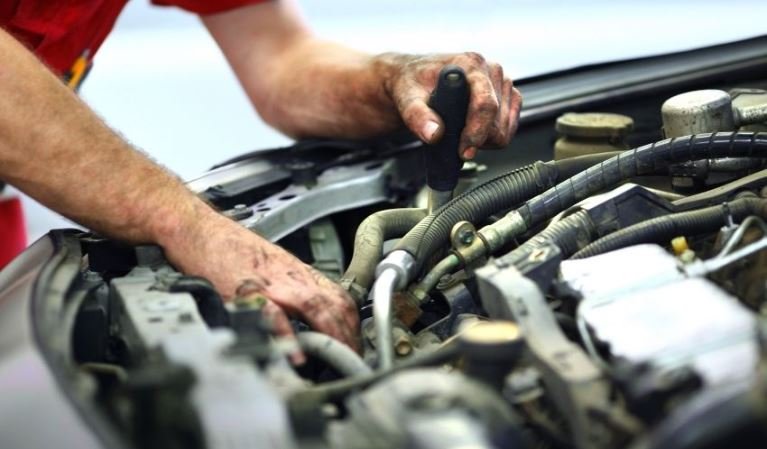
Car Engines: Common Problems and How to Fix Them

Car engines are the heart of any vehicle, and like any complex machine, they can develop issues over time. Regular maintenance can prevent most problems, but when issues arise, it’s crucial to identify and fix them promptly. Understanding common engine problems and knowing how to address them will keep your car running smoothly and extend its life. This guide covers some of the most frequent car engine problems and simple ways to fix them.

Car Engines: Common Problems and How to Fix Them

Engine Overheating

One of the most common car engine problems is overheating. Overheating can occur when the cooling system fails to regulate the engine’s temperature. A malfunctioning radiator, low coolant levels, or a broken water pump can lead to overheating. Overheating can cause severe damage to the engine if not addressed quickly.

  • Solution: Check your coolant levels regularly and refill if necessary. Inspect the radiator for leaks and ensure the fan is working properly. If the problem persists, you might need to replace the thermostat or water pump. Always pull over and turn off the engine if it overheats to prevent further damage.

Poor Fuel Efficiency

A drop in fuel efficiency can indicate several underlying car engine problems. Clogged air filters, faulty oxygen sensors, or worn-out spark plugs are common culprits. When these components malfunction, the engine struggles to maintain an optimal air-fuel mixture, leading to poor performance and increased fuel consumption.

  • Solution: Replace dirty air filters and ensure your spark plugs are functioning properly. Regular tune-ups and fuel injector cleaning can also help maintain fuel efficiency. Keeping up with scheduled maintenance ensures your engine runs at its best.

Engine Misfiring

Engine misfires happen when one or more cylinders fail to ignite properly, resulting in rough idling or stalling. This problem can be caused by issues with the ignition system, such as faulty spark plugs, damaged ignition coils, or a clogged fuel injector. Misfiring affects overall performance and can damage the engine if ignored.

  • Solution: Replace worn spark plugs and inspect the ignition coils for any signs of damage. Ensure that the fuel injectors are clean and functioning correctly. Addressing misfires early prevents long-term engine damage and improves overall driving performance.

Oil Leaks

Oil leaks are another common vehicle engine issue, and they can be caused by worn-out gaskets, seals, or oil filters. If left unchecked, oil leaks can lead to low oil levels, which can cause significant engine damage. Oil leaks often manifest as oil spots under the car or low oil pressure warnings on the dashboard.

  • Solution: Regularly check your oil levels and look for signs of oil pooling under your vehicle. Replace worn gaskets and seals promptly, and make sure your oil filter is properly installed. Fixing leaks quickly can save you from costly engine repairs down the line.

Rough Idling or Stalling

If your engine experiences rough idling or stalls unexpectedly, it may be due to problems with the fuel delivery system, air intake, or ignition components. A clogged fuel filter, a failing mass airflow sensor, or a weak battery can lead to these issues.

  • Solution: Inspect and replace clogged fuel filters and faulty mass airflow sensors. Check the battery and alternator to ensure proper voltage. Keeping these components in good condition helps prevent stalling and ensures smooth engine operation.

Engine Knocking

Engine knocking is a concerning issue that often indicates a problem with the fuel combustion process. It can occur when fuel burns unevenly in the cylinders, leading to knocking or pinging noises. This issue can be caused by using low-octane fuel, carbon buildup, or a failing knock sensor.

  • Solution: Use high-quality fuel with the recommended octane rating for your vehicle. Regularly clean the fuel injectors to prevent carbon buildup. If knocking persists, inspect the knock sensor and replace it if necessary to prevent engine damage.

Conclusion

Maintaining your car engine is essential for preventing common problems and ensuring its longevity. Overheating, poor fuel efficiency, misfiring, oil leaks, rough idling, and engine knocking are all issues that can affect engine performance. By regularly checking vital components like coolant levels, spark plugs, and oil seals, you can prevent these problems from escalating. Addressing minor issues promptly ensures that your car’s engine continues to run smoothly and efficiently.

Best Car Engines for Off-Roading Adventures

When embarking on off-roading adventures, having the right engine can make all the difference. The car engines for off-roading adventures need to be powerful, durable, and capable of handling rough terrains. In this guide, we’ll cover the best car engines for off-roading adventures.

Car Engines for Off-Roading Adventures

1. V6 Engines

V6 engines are a popular choice for off-roading due to their balance of power and efficiency. They provide enough horsepower to tackle tough trails while maintaining good fuel economy. V6 engines are commonly found in off-road vehicles like the Toyota Tacoma and Jeep Wrangler, making them a reliable choice for rugged terrains.

Car Engines for Off-Roading Adventures

2. V8 Engines

For those who crave more power, V8 engines are a top pick. They offer significantly higher horsepower and torque compared to V6 engines. This extra power is beneficial for climbing steep hills, towing heavy loads, and navigating through challenging off-road conditions. The Ford F-150 Raptor and Chevrolet Silverado 1500 are excellent examples of off-road vehicles with powerful V8 engines.

3. Turbocharged Engines

Turbocharged engines are gaining popularity in off-road vehicles for their ability to deliver high power without compromising fuel efficiency. A turbocharger forces more air into the engine, allowing it to produce more power from a smaller displacement. Vehicles like the Subaru Outback and Ford Bronco Sport use turbocharged engines to provide a balance of performance and efficiency in off-road environments.

4. Diesel Engines

Diesel engines are known for their torque and fuel efficiency, making them ideal for off-roading. They provide strong low-end torque, which is crucial for navigating through tough trails and uneven surfaces. Diesel engines also tend to be more durable and can handle prolonged off-road driving. The Jeep Gladiator Diesel and Toyota Land Cruiser are examples of off-road vehicles with diesel engines.

5. Hybrid Engines

Hybrid engines combine traditional combustion engines with electric power to offer both efficiency and performance. They are becoming more common in off-road vehicles as manufacturers look to reduce emissions and improve fuel economy. The Toyota RAV4 Prime and Ford Escape Hybrid are examples of hybrid vehicles that can handle off-road adventures while being eco-friendly.

When maintaining high-performance engines, every component must work in perfect harmony—much like the seamless experience at Joka VIP Room Club. Just as precision engineering defines automotive excellence, attention to detail ensures reliability under the hood.

Whether diagnosing engine codes or optimizing fuel systems, using trusted resources like MoParSearch helps enthusiasts and professionals alike keep their vehicles running smoothly for years to come.

6. Inline-4 Engines

Inline-4 engines are smaller but can be surprisingly effective in off-road scenarios. They provide a good balance between power and fuel efficiency, making them suitable for lighter off-road vehicles. Vehicles like the Honda CR-V and Jeep Renegade feature inline-4 engines that perform well on less demanding off-road trails.

7. High-Torque Engines

Engines with high torque are crucial for off-roading, as torque is what helps the vehicle pull through challenging conditions. High-torque engines can move heavy loads and provide better traction on rough surfaces. Many off-road vehicles, like the Ram 2500 Power Wagon, come equipped with high-torque engines to handle tough off-road conditions.

8. Supercharged Engines

Supercharged engines use a mechanical compressor to increase air intake, providing a boost in power. This extra power can be advantageous in off-road situations where additional force is needed. Vehicles like the Jeep Grand Cherokee Trackhawk and Land Rover Range Rover Sport feature supercharged engines for enhanced off-road capability.

9. Electric Motors

Though not as common yet, electric motors are making their way into off-road vehicles. They offer instant torque and quiet operation, which can be beneficial in off-road scenarios. The Rivian R1T is a groundbreaking example of an electric off-road vehicle that promises exceptional performance and rugged capability.

10. Four-Cylinder Engines

Four-cylinder engines are compact and can still provide adequate power for moderate off-road use. They are generally more fuel-efficient and less costly, making them a practical choice for those who don’t need extreme off-road capability. Vehicles like the Ford Bronco and Mitsubishi Outlander have four-cylinder engines that work well for light off-roading.

11. Dual-Overhead Cam Engines

Dual-overhead cam (DOHC) engines are known for their performance and efficiency. They offer better airflow and power delivery compared to single overhead cam engines, making them suitable for off-road vehicles that need both speed and power. The Toyota 4Runner is an example of a vehicle with a DOHC engine designed for off-road use.

12. Variable Valve Timing Engines

Engines with variable valve timing (VVT) offer improved performance and efficiency by adjusting the timing of the intake and exhaust valves. This technology helps optimize engine performance under different driving conditions, including off-roading. Many modern off-road vehicles, such as the Nissan Pathfinder, feature VVT engines for enhanced capability.

13. High-Displacement Engines

High-displacement engines have larger cylinders and can produce more power. They are particularly useful for off-roading because they provide the extra grunt needed for challenging terrains. The Toyota Tundra with its high-displacement V8 engine is a great example of a vehicle built for tough off-road adventures.

14. Low-End Torque Engines

Engines that excel in low-end torque are beneficial for off-roading as they provide power at lower RPMs, which helps in situations like climbing hills or crawling over obstacles. Vehicles like the Chevrolet Colorado ZR2 have engines designed to deliver strong low-end torque for off-road performance.

15. Engine Cooling Systems

Effective engine cooling systems are vital for off-roading to prevent overheating during extreme conditions. Many off-road vehicles come equipped with enhanced cooling systems to handle the added stress of off-road driving. Ensuring your vehicle has a robust cooling system can help maintain engine performance during intense off-road adventures.

Conclusion

When choosing car engines for off-roading adventures, it’s essential to consider factors like power, torque, and engine type. Whether you opt for a V6, V8, turbocharged, or even an electric engine, the key is to select one that meets your off-road needs and provides the durability required for rugged terrains. By understanding the various engine options and their benefits, you can make an informed decision and enhance your off-roading experience.

The Future of Car Engines: Hybrid and Electric Innovations

The future of car engines lies in hybrid and electric innovations, as they promise to revolutionize the automotive industry. With a growing focus on sustainability and reducing carbon emissions, manufacturers are rapidly shifting away from traditional internal combustion engines (ICE) toward hybrid and electric powertrains. These innovations not only offer a more eco-friendly alternative but also present significant advancements in performance and efficiency. Understanding the potential of hybrid and electric engines is crucial as they will dominate the future of transportation.

The Rise of Hybrid Engines

Hybrid and electric innovations have become more prevalent as consumers demand fuel efficiency and environmental responsibility. These typeof engines which combine an internal combustion engine with an electric motor, are a key step toward fully electric vehicles. Hybrid cars have gained popularity for their ability to reduce fuel consumption without sacrificing performance, making them an attractive choice for drivers who want a balance between traditional and electric power.

  • Efficiency and Flexibility: Hybrid engines allow cars to operate on both gasoline and electric power. This system provides flexibility, especially in regions where charging infrastructure for electric vehicles is still developing. By switching between power sources, hybrid engines offer improved fuel economy, especially during city driving where electric motors are more efficient.
  • Regenerative Braking: One of the most notable features of hybrid engines is regenerative braking, which recovers energy typically lost during braking and stores it in the battery. This innovation increases the overall efficiency of the vehicle and reduces the need for frequent battery recharges, providing drivers with a more seamless experience.

Electric Innovations Driving the Future

As manufacturers continue to explore hybrid and electric innovations, fully electric vehicles (EVs) have become the centerpiece of this technological shift. Electric vehicles use battery-powered electric motors to replace internal combustion engines, offering a cleaner and quieter alternative. EVs are set to become the dominant force in the automotive industry, with advancements in battery technology and charging infrastructure leading the way.

  • Zero Emissions: The biggest advantage of electric vehicles is that they produce zero emissions, making them a vital solution for reducing the environmental impact of transportation. Unlike traditional engines, EVs do not burn fossil fuels, which drastically reduces greenhouse gas emissions and air pollution.
  • Enhanced Performance: Electric motors provide instant torque, resulting in faster acceleration and a smoother driving experience compared to internal combustion engines. With fewer moving parts, EVs also require less maintenance, which translates to lower long-term costs for owners.
  • Battery Technology Advancements: Battery technology plays a critical role in the future of EVs. Recent developments in lithium-ion batteries have increased driving range and reduced charging times, making electric cars more practical for everyday use. Manufacturers are also exploring solid-state batteries, which promise even greater energy density and faster charging capabilities, further enhancing the appeal of electric vehicles.

The Role of Automakers in the Shift

The transition to hybrid and electric innovations is being driven by major automakers worldwide. Companies like Tesla, Toyota, and General Motors are leading the charge by investing heavily in research and development to produce cutting-edge hybrid and electric vehicles. Governments are also playing a role by implementing stricter emission regulations and offering incentives to encourage the adoption of eco-friendly vehicles.

  • Tesla’s Impact: Tesla has been at the forefront of electric vehicle innovation, pushing the boundaries of what EVs can achieve. With impressive driving ranges, fast-charging networks, and advanced autonomous driving features, Tesla has set the standard for the future of electric mobility.
  • Traditional Automakers Adapting: Established automakers such as Toyota and General Motors are also embracing the future of car engines. Toyota, a pioneer of hybrid technology with the Prius, continues to develop more efficient hybrids, while General Motors has committed to an all-electric future with plans to phase out gasoline-powered vehicles by 2035.

Conclusion

The future of car engines is undoubtedly shaped by hybrid and electric innovations, which are transforming the way we think about transportation. As automakers continue to improve hybrid technology and electric vehicle capabilities, we can expect to see cleaner, more efficient, and high-performing cars on the road. With advancements in battery technology, performance, and charging infrastructure, hybrid and electric vehicles are set to lead the future of the automotive industry. Embracing these innovations not only benefits the environment but also enhances the overall driving experience for consumers.

Best Engine Oils for Long-Lasting Performance

Choosing the right engine oil is crucial for maintaining your vehicle’s performance and longevity. When it comes to engine oils for long-lasting performance, the right choice can enhance engine efficiency, reduce wear and tear, and improve fuel economy. Here’s a guide to help you select the best engine oils for long-lasting performance for your vehicle.

1. Synthetic Oils

Synthetic oils are often the top choice for engine longevity. They are designed to offer superior performance compared to conventional oils. Synthetic oils provide better protection against high temperatures and extreme cold, and they help in reducing engine sludge. They also offer improved lubrication, which can enhance engine efficiency and extend its lifespan.

Engine Oils for Long-Lasting Performance

2. Full Synthetic Oil

Full synthetic oil is a type of synthetic oil that is formulated with a blend of chemical compounds to offer high performance and protection. It provides excellent high-temperature stability and is less likely to break down under stress. For long-lasting performance, full synthetic oil is highly recommended due to its ability to keep engines cleaner and running smoother over extended periods.

3. Synthetic Blend Oil

Synthetic blend oil is a mix of synthetic and conventional oils. It provides many benefits of synthetic oils, such as better performance and protection, while being more affordable. Synthetic blend oils are a good option if you want enhanced protection without the cost of full synthetic oils. They are ideal for drivers who need reliable performance under varying driving conditions.

4. High Mileage Oil

If your car has over 75,000 miles, high mileage oil might be the best choice for maintaining its engine. High mileage oils contain additives that help to reduce oil consumption, minimize leaks, and protect against engine wear. They are specially formulated to address the needs of older engines, ensuring continued performance and durability.

5. Conventional Oil

Conventional oil is derived from crude oil and has been used for many years. While it’s not as advanced as synthetic or high mileage oils, it can still provide reliable performance for engines that don’t require the extra protection. Conventional oil is often less expensive and suitable for vehicles with simpler engine requirements.

6. Extended Performance Oil

Extended performance oil is designed to last longer between oil changes. It offers enhanced protection and can often extend the time between oil changes to 10,000 miles or more. This type of oil is ideal for drivers who want to reduce maintenance intervals without compromising on engine care.

7. Diesel Engine Oil

It includes additives that help in managing soot and other byproducts of diesel combustion. Diesel engine oils are essential for maintaining the performance and longevity of diesel-powered vehicles.

8. Low Viscosity Oil

type of oil provides better protection during cold starts and is beneficial for engines that operate in very cold climates. It helps in maintaining proper lubrication and reducing engine wear.

9. Racing Oil

For performance vehicles or racing applications, racing oil is engineered to withstand extreme conditions. It offers high protection and stability under high temperatures and stress. Racing oils are ideal for vehicles that undergo heavy-duty driving or racing but may not be necessary for everyday vehicles.

10. Additives

Additives can include detergents, dispersants, and anti-wear agents that help maintain engine cleanliness, reducing friction, and preventing wear. Choosing an oil with the right additives can improve engine efficiency and longevity.

11. API Certification

When selecting engine oil, look for API certification on the label. The American Petroleum Institute (API) certifies oils that meet specific performance standards. Choosing API-certified oils ensures that the oil meets industry standards for quality and performance.

12. Brand Reputation

Brand reputation can be an indicator of oil quality. Reputable brands often invest in research and development to produce high-quality engine oils.

13. Oil Change Frequency

Regardless of the type of oil you choose, regular oil changes are essential for maintaining engine performance. Follow your vehicle’s manufacturer recommendations for oil change intervals to ensure optimal engine care and performance.

14. Environmental Considerations

If you’re concerned about the environment, eco-friendly oils are available. They offer similar performance benefits as conventional oils while being more environmentally responsible.

15. Consult Your Owner’s Manual

Always consult your owner’s manual when choosing engine oil. Following these guidelines ensures that you select the most appropriate oil for your engine’s needs.

Conclusion

Choosing the right engine oils for long-lasting performance involves understanding your vehicle’s requirements and considering various factors like oil type, viscosity, and additives. Whether you opt for synthetic, high mileage, or conventional oil, the key is to select an oil that meets your engine’s needs and adhere to regular maintenance schedules. By making an informed choice, you can ensure that your engine remains in excellent condition and performs reliably over the long term.

How to Choose the Right Engine Oil for Your Vehicle

How to choose the right engine oil for your vehicle is a common question among car owners. Selecting the proper engine oil ensures that your vehicle performs optimally while protecting the engine from wear and tear. With so many options on the market, choosing the right oil may seem overwhelming. However, by understanding key factors like oil types, viscosity grades, and manufacturer recommendations, you can make an informed decision that will keep your engine running smoothly.

How to Choose the Right Engine Oil for Your Vehicle

Understanding Oil Types

The first step in how to choose the right engine oil for your vehicle is knowing the different types of oil available. Engine oils typically fall into three main categories: conventional, synthetic, and synthetic blend. Each has unique properties that cater to specific vehicle needs.

  • Conventional Oil: Conventional oil is the most basic type of motor oil, made from crude oil. It is suitable for older vehicles or cars that operate under standard conditions. Although it is less expensive, conventional oil tends to break down faster and requires more frequent changes.
  • Synthetic Oil: Synthetic oil is chemically engineered to provide superior performance in extreme temperatures and conditions. It lasts longer and offers better protection for high-performance engines, making it ideal for modern cars and trucks. While it may be more expensive, synthetic oil reduces engine wear, improves fuel efficiency, and extends the time between oil changes.
  • Synthetic Blend Oil: As the name suggests, synthetic blend oil combines elements of both synthetic and conventional oils. This oil provides better performance than conventional oil but at a lower cost than full synthetic. It is perfect for drivers who want better protection without paying the premium price of synthetic oil.

Viscosity Grades: What They Mean

Another important factor in how to choose the right engine oil for your vehicle is understanding viscosity grades. Viscosity refers to how easily the oil flows at different temperatures. The Society of Automotive Engineers (SAE) has developed a numerical system to rate oil viscosity, and these numbers appear on the oil bottle (e.g., 5W-30, 10W-40).

  • What the Numbers Mean: The first number followed by “W” (for winter) indicates how well the oil flows in cold temperatures. Lower numbers mean the oil flows more easily in cold conditions, which is important for starting your engine in the winter. The second number indicates how well the oil flows at high operating temperatures. Higher numbers provide better protection when the engine is hot.
  • Choosing the Right Grade: It’s essential to use the oil viscosity recommended by your vehicle manufacturer, which is usually found in your owner’s manual. Choosing the wrong viscosity can lead to poor engine performance, reduced fuel efficiency, and increased wear on engine components.

Following Manufacturer Recommendations

How to choose the right engine oil for your vehicle becomes much easier when you follow your vehicle manufacturer’s guidelines. The manufacturer designs the engine with specific performance characteristics in mind, so they will recommend the best oil type and viscosity for optimal performance.

  • Checking the Owner’s Manual: Always refer to your owner’s manual to determine the exact oil specifications required for your vehicle. The manual will tell you the recommended viscosity grade, oil type, and any certifications to look for, such as API (American Petroleum Institute) or ILSAC (International Lubricants Standardization and Approval Committee).
  • Consider Driving Conditions: If you frequently drive in extreme temperatures, tow heavy loads, or take your vehicle off-road, you may need to adjust your oil choice. Synthetic oil is often the better option for vehicles that undergo high stress or operate in harsh conditions.

Additional Factors to Consider

While oil type, viscosity, and manufacturer recommendations are the most critical factors, several additional considerations can help you make the best decision for how to choose the right engine oil for your vehicle.

  • High-Mileage Oil: If your vehicle has over 75,000 miles, consider using high-mileage oil. This type of oil is designed with additives that help reduce oil consumption, minimize leaks, and prevent sludge buildup, which are common issues in older engines.
  • Oil Additives: Some oils come with additives that can improve engine performance. For example, detergents in oil help keep the engine clean by preventing sludge, while anti-wear agents reduce friction between moving parts. Make sure to choose an oil with additives that suit your vehicle’s specific needs.

Conclusion

How to choose the right engine oil for your vehicle is a crucial aspect of vehicle maintenance. By understanding the different oil types, selecting the proper viscosity grade, and following manufacturer recommendations, you can ensure that your engine remains in peak condition. Regularly changing your oil with the correct type not only enhances engine performance but also extends the life of your vehicle. With so many options available, making the right choice will protect your engine and save you money on repairs in the long run.

Understanding Engine Performance Metrics

Understanding engine performance metrics is crucial for anyone interested in vehicles, as these metrics define how well an engine operates. Whether you’re a car enthusiast or just someone trying to make informed decisions, knowing how to interpret engine performance data is essential. Metrics such as horsepower, torque, and fuel efficiency give insights into how powerful, responsive, and economical a vehicle is.

Understanding Engine Performance Metrics

Horsepower: The Measure of Power

Understanding engine performance metrics begins with horsepower, which is perhaps the most well-known metric for measuring an engine’s output. Horsepower refers to the rate at which an engine performs work, meaning how fast it can convert fuel into power.

  • Horsepower Explained: Horsepower measures how much power the engine can produce over a period of time. Higher horsepower means the vehicle can accelerate faster and reach higher top speeds. Cars designed for speed, such as sports cars or performance sedans, often have engines with significant horsepower ratings.
  • Why Horsepower Matters: The more horsepower a vehicle has, the more energy it can generate to perform tasks such as towing or climbing steep hills. While high horsepower is great for speed and performance, it usually comes at the expense of fuel efficiency.

Understanding engine performance metrics requires analyzing multiple data points from reliable sources. While monitoring torque curves and horsepower outputs, we’ve found specialized tools provide the most accurate measurements.

Advanced diagnostic platforms like those discussed at Mopar Search help technicians interpret complex engine data. For comprehensive performance analysis, many professionals cross-reference their findings with established industry benchmarks.

Interestingly, the precision engineering behind performance tracking shares similarities with systems used by platforms like Jokaviproom Official, where real-time data accuracy remains equally critical.

Proper metric interpretation ultimately separates adequate diagnostics from truly exceptional engine performance insights.

Torque: The Measure of Pulling Power

Another critical factor in understanding engine performance metrics is torque. Torque measures the engine’s ability to perform work in terms of rotational force, which is particularly important for towing and hauling.

  • Torque Explained: Torque is the force the engine generates to turn the wheels, often felt when you first press the gas pedal. Vehicles with high torque, such as trucks and off-road vehicles, are capable of towing heavy loads and climbing steep inclines with ease.
  • Why Torque Matters: High torque values mean more pulling power, which is crucial for heavy-duty tasks like towing trailers or carrying large payloads. It also affects acceleration, especially at low speeds. Unlike horsepower, torque is more about work at lower speeds, making it vital for off-road and utility vehicles.

Fuel Efficiency: How Far You Can Go

Understanding engine performance metrics also involves looking at fuel efficiency. This metric determines how much fuel the engine consumes relative to the distance traveled, usually measured in miles per gallon (MPG).

  • Fuel Efficiency Explained: Fuel efficiency measures how well an engine converts fuel into usable energy for movement. An efficient engine will get more miles per gallon, meaning less frequent refueling. Fuel efficiency is crucial for those who prioritize saving money at the pump or driving long distances on a single tank.
  • Why Fuel Efficiency Matters: In today’s world of high fuel costs and environmental concerns, an efficient engine is important for reducing both fuel expenses and carbon emissions. Manufacturers strive to build engines that balance power and efficiency, especially in hybrid and electric vehicles.

RPM and Redline: How Fast the Engine Turns

When understanding engine performance metrics, revolutions per minute (RPM) and redline are also important. RPM refers to the speed at which the engine’s crankshaft rotates, while redline marks the upper limit of safe RPM operation.

  • RPM Explained: RPM measures how many times the engine’s crankshaft completes a full rotation each minute. Lower RPM levels are associated with better fuel efficiency, while higher RPMs are linked to increased power output but more strain on the engine.
  • Why RPM and Redline Matter: Pushing the engine beyond its redline can cause significant damage due to the excessive heat and wear produced. Knowing when to shift gears to maintain optimal RPM levels helps in balancing performance and engine longevity.

Compression Ratio: Power and Efficiency Balance

Understanding engine performance metrics also means knowing the engine’s compression ratio, which measures how much the engine compresses the air-fuel mixture before ignition.

  • Compression Ratio Explained: Higher compression ratios typically result in more power because the fuel is burned more efficiently. However, engines with higher compression ratios may require premium fuel to avoid knocking.
  • Why Compression Ratio Matters: The compression ratio directly affects an engine’s power and efficiency. High-performance engines usually have higher compression ratios, leading to better power output, while lower ratios are more focused on reliability and everyday use.

Conclusion

Understanding engine performance metrics is key to making the best decisions when it comes to vehicle selection and maintenance. Metrics like horsepower, torque, fuel efficiency, RPM, and compression ratio offer insights into the strengths and weaknesses of any engine. Whether you’re aiming for speed, towing power, or fuel savings, knowing how to evaluate these metrics will help you make informed decisions. From daily commuting to high-performance driving, understanding these factors ensures you get the most out of your vehicle.

Tips for Maintaining Your Engine in Cold Weather

Cold weather can put your engine to the test. To keep your car running smoothly during winter, you need to take extra care of your engine. Here are some essential tips for maintaining your engine in cold weather.

1. Use the Right Oil

Choosing the right oil for your engine is crucial when temperatures drop and it is one of the tips for maintaining your engine in cold weather. In cold weather, engine oil can thicken, making it harder for your engine to start. Check your owner’s manual to see if you should switch to a lower-viscosity oil in winter. Synthetic oils often perform better in cold temperatures and can help your engine start more easily.

Maintaining Your Engine in Cold Weather

2. Check the Battery

Cold weather can reduce the performance of your car’s battery. Ensure that your battery is in good condition before winter arrives. Check the battery terminals for corrosion and clean them if necessary. If your battery is old or weak, consider replacing it to avoid issues in freezing temperatures.

3. Inspect the Cooling System

Your engine’s cooling system is just as important in winter as it is in summer. Make sure your coolant level is adequate and that the mixture of antifreeze and water is correct. A 50/50 mix is generally recommended to prevent freezing and overheating. Also, check for leaks in the cooling system.

4. Replace Old Spark Plugs

Old or worn spark plugs can cause starting problems in cold weather. Inspect your spark plugs and replace them if they are worn out. New spark plugs ensure a stronger and more reliable ignition, which is essential for cold starts.

5. Ensure Proper Tire Pressure

Cold weather can cause tire pressure to drop. Check your tire pressure regularly and inflate your tires to the recommended levels. Proper tire pressure ensures better traction and handling, which is important for driving safely in winter conditions.

6. Use a Block Heater

If you live in an area with extremely cold temperatures, consider using an engine block heater. A block heater warms up the engine coolant before you start the car, which makes it easier for your engine to start and reduces wear on engine components.

7. Keep the Fuel Tank Full

Keeping your fuel tank at least half full during winter helps prevent condensation from forming in the tank. Condensation can lead to water in your fuel lines, which may cause freezing and starting issues. A full tank also helps with better fuel circulation.

8. Check Your Belts and Hoses

Cold weather can cause engine belts and hoses to become brittle and prone to cracking. Inspect these components for any signs of wear or damage. Replacing old or damaged belts and hoses before winter can prevent unexpected breakdowns.

9. Monitor the Heating System

Your engine’s heating system helps regulate the temperature of your engine and keep you warm inside the car. Ensure that your heater is functioning properly before the cold weather hits. A well-functioning heating system can prevent engine overheating and provide comfort during winter drives.

10. Test the Defroster

The defroster is essential for maintaining visibility in cold weather. Check that your defroster is working correctly to ensure that your windshield stays clear of frost and ice. Proper defrosting is crucial for safe driving in winter conditions.

11. Keep Your Car Clean

Snow, ice, and road salt can cause damage to your car’s exterior and undercarriage. Wash your car regularly during winter to remove salt and grime. This helps prevent rust and corrosion, which can affect your engine and other components.

12. Use Winter Wipers and Fluid

Winter wiper blades are designed to handle snow and ice better than standard blades. Also, use winter windshield washer fluid that won’t freeze. This ensures clear visibility and helps you see better while driving in winter weather.

13. Regularly Inspect Your Exhaust System

Cold weather can affect your exhaust system. Inspect it for any leaks or damage. A properly functioning exhaust system is important for safe operation and prevents harmful gases from entering your car’s cabin.

14. Keep an Emergency Kit

Always have an emergency kit in your car during winter. Include items like a blanket, flashlight, first aid kit, and basic tools. In case of a breakdown or if you get stranded, having an emergency kit can be a lifesaver.

15. Schedule Regular Maintenance

Regular maintenance is key to keeping your engine running smoothly in any weather. Follow your car’s maintenance schedule and address any issues promptly. Regular checks and servicing can help you avoid problems and ensure that your engine performs well in cold weather.

As winter approaches, drivers are rightly focused on engine maintenance to ensure reliable starts in freezing temperatures. Just as a well-maintained engine performs predictably under stress, informed decisions in other areas, like soccer betting, rely on understanding the conditions and doing your research. Following a consistent pre-winter checklist for your vehicle is the best defense against the cold.

Key tips include checking your antifreeze mixture, using the correct oil viscosity, and keeping the battery terminals clean. A little preventative care can save you from a costly breakdown on a frosty morning.

Conclusion

Maintaining your engine in cold weather requires extra attention to detail. From using the right oil and checking your battery to inspecting your cooling system and keeping your car clean, following these tips will help you keep your engine in top shape during winter. By preparing your vehicle and staying on top of maintenance, you can avoid common cold weather issues and ensure a smoother, safer drive.

Upgrading Your Engine: What You Need to Know

Upgrading your engine can significantly improve your vehicle’s performance, fuel efficiency, and longevity. Engine upgrades are popular among car enthusiasts seeking more power, better fuel economy, or enhanced driving experiences. However, understanding the key aspects of upgrading your engine is essential to make informed decisions and get the best results.

Upgrading Your Engine: What You Need to Know

Choosing the Right Upgrades

Upgrading your engine begins with choosing the right components to match your goals. Engine upgrades can range from minor improvements to full rebuilds, depending on your needs and budget.

  • Cold Air Intakes: One of the simplest and most effective upgrades involves installing a cold air intake. It allows your engine to draw in cooler air, which improves combustion efficiency and increases horsepower. Cold air intakes are affordable and easy to install, making them a popular choice for beginners.
  • Exhaust System Upgrades: Another common upgrade is a performance exhaust system. It reduces backpressure and allows the engine to expel exhaust gases more efficiently, leading to improved horsepower and torque. A performance exhaust system also enhances the engine’s sound, adding a sportier tone to your vehicle.
  • Turbochargers and Superchargers: For significant power gains, many enthusiasts turn to forced induction systems like turbochargers and superchargers. These components force more air into the engine, which increases power output. While they offer substantial performance boosts, they require careful tuning and installation to ensure engine reliability.

The Importance of Tuning

Upgrading your engine often involves re-tuning the engine’s computer systems to accommodate the new components. Without proper tuning, your upgrades may not deliver the expected performance improvements.

  • Engine Control Unit (ECU) Tuning: After installing performance upgrades, you’ll need to adjust the ECU to optimize the engine’s air-fuel ratio, ignition timing, and boost levels. ECU tuning ensures that your engine operates efficiently with the new upgrades, maximizing power and performance. Some aftermarket upgrades may come with pre-tuned ECUs, but custom tuning provides the best results.
  • Dyno Testing: For more precise tuning, many enthusiasts opt for dyno testing. This process measures the engine’s power output and performance on a dynamometer, allowing technicians to fine-tune the engine for optimal performance. Dyno tuning is essential for high-performance upgrades like turbochargers or superchargers.

Considering Longevity and Reliability

Upgrading your engine not only boosts performance but also impacts its longevity and reliability. It’s essential to consider the long-term effects of your upgrades to avoid potential issues down the road.

  • Cooling System Upgrades: As you increase the engine’s power output, it generates more heat. Upgrading your cooling system with a larger radiator or better fans can help prevent overheating and ensure your engine runs at optimal temperatures. Neglecting to upgrade the cooling system can lead to engine damage, especially in high-performance setups.
  • Reinforced Components: When adding significant horsepower, you may need to reinforce other engine components. Upgraded pistons, connecting rods, and crankshafts can handle the added stress and prevent catastrophic engine failure. Reinforced components are crucial for high-performance builds, particularly in forced induction setups.
  • Fuel System Enhancements: Upgraded engines often require more fuel to match the increased air intake. Consider upgrading the fuel pump, injectors, and fuel lines to ensure the engine receives the proper fuel supply. A well-matched fuel system prevents lean conditions that can damage the engine over time.

Conclusion

Upgrading your engine is an exciting way to enhance your vehicle’s performance and driving experience. Whether you’re looking for more horsepower, better fuel efficiency, or a unique sound, there are countless upgrade options available. Remember that proper tuning, reliable components, and attention to your engine’s long-term health are key to achieving the best results. With careful planning and the right upgrades, you can transform your vehicle into a high-performance machine.

How to Improve Your Car Engine’s Horsepower

Increasing your car engine’s horsepower can enhance performance and driving pleasure. Whether you want a quicker acceleration or a more powerful top speed, there are several ways to boost your car engine’s horsepower. Here’s a comprehensive guide on how to improve your car engine’s horsepower.

1. Upgrade the Air Intake System

One of the first steps in boosting your car engine’s horsepower is to upgrade the air intake system. A high-performance air intake allows your engine to breathe better by increasing airflow. This means your engine can burn fuel more efficiently, leading to improved horsepower. Consider installing a cold air intake or a high-flow air filter for noticeable gains.

How to Improve Your Car Engine's Horsepower
How to Improve Your Car Engine’s Horsepower

2. Install a Performance Exhaust System

A performance exhaust system can significantly increase your car engine’s horsepower. By reducing exhaust backpressure and improving exhaust flow, this upgrade allows your engine to expel gases more efficiently. This not only enhances horsepower but also improves fuel efficiency and engine sound.

3. Tune Your Engine

Engine tuning is another effective way to improve your car engine’s horsepower. A professional engine tune can adjust various parameters, such as fuel-air mixture and ignition timing, to optimize engine performance. An ECU (Engine Control Unit) remap can unlock additional horsepower by fine-tuning these settings.

4. Upgrade the Fuel System

Improving your car engine’s horsepower often involves upgrading the fuel system. Installing high-performance fuel injectors or a fuel pump can increase the amount of fuel delivered to your engine. This allows for better combustion and, consequently, more horsepower. Ensure that your fuel system upgrades are compatible with your engine.

5. Enhance the Turbocharger or Supercharger

If your car is equipped with a turbocharger or supercharger, enhancing these components can lead to a significant increase in horsepower. Upgrading to a larger or more efficient turbocharger or supercharger can provide a substantial boost in power. This modification is ideal for those seeking serious performance improvements.

6. Improve the Engine’s Internal Components

Upgrading internal engine components, such as the camshaft, pistons, and valves, can enhance horsepower. Performance camshafts, for example, can improve engine timing and efficiency. High-performance pistons and valves can withstand higher pressures, allowing for increased horsepower.

7. Reduce Engine Drag

Reducing engine drag is another way to boost horsepower. Ensure that your engine is properly maintained, with clean and well-lubricated components. High-quality engine oil and regular maintenance can reduce friction and drag, allowing your engine to perform at its best.

8. Lightweight Components

Installing lightweight engine components can also improve horsepower. Replacing heavy parts with lighter alternatives, such as lightweight flywheels or performance pulleys, reduces the engine’s workload. This can lead to improved acceleration and responsiveness.

9. Improve Engine Cooling

An efficient engine cooling system can prevent overheating and maintain optimal performance. Upgrading to a high-performance radiator or installing an additional oil cooler can help keep engine temperatures in check. Cooler engine temperatures ensure that your engine performs efficiently, which can contribute to increased horsepower.

10. Use High-Quality Fuel

Using high-octane or premium fuel can improve your car engine’s horsepower. High-quality fuel burns more efficiently and can enhance engine performance. Ensure that your engine is tuned to take advantage of the benefits of high-octane fuel.

11. Install Performance Spark Plugs

Performance spark plugs can enhance ignition efficiency and combustion quality. By improving the spark and ensuring a more complete burn of the fuel-air mixture, performance spark plugs can contribute to a small but noticeable increase in horsepower.

12. Optimize Engine Timing

Engine timing plays a crucial role in performance. Adjusting the timing of the ignition and valve openings can improve engine efficiency and horsepower. Professional tuning can help you achieve the optimal timing for your specific engine setup.

13. Upgrade the Ignition System

A high-performance ignition system can provide a stronger and more consistent spark. This can lead to better fuel combustion and, in turn, increased horsepower. Consider upgrading to a performance ignition coil and wires for improved results.

14. Improve Aerodynamics

While not directly related to engine modifications, improving your car’s aerodynamics can reduce drag and enhance overall performance. A more aerodynamic vehicle requires less engine power to achieve the same speed, effectively increasing your car engine’s effective horsepower.

15. Regular Maintenance

Finally, regular maintenance is crucial for maintaining and improving your car engine’s horsepower. Ensure that your engine is always in good condition by following the manufacturer’s maintenance schedule. Regular oil changes, air filter replacements, and spark plug checks can keep your engine performing at its best.

Modern Perks for Auto Enthusiasts

Whether you’re restoring classic Mopar vehicles or researching performance mods, it’s always rewarding to take a break and enjoy a different kind of thrill. Online platforms now offer various ways to unwind, including entertaining and engaging gaming options. For those curious about welcome bonuses and how they work, there’s a lot to explore beyond the garage. Find out more and discover how to add a little fun to your downtime.

Conclusion

Improving your car engine’s horsepower involves a combination of upgrades and maintenance. From enhancing the air intake system to tuning the engine and upgrading internal components, there are many ways to boost your engine’s performance. By implementing these strategies, you can enjoy a more powerful and responsive driving experience.

The Role of Computer Systems in Modern Car Engines

The role of computer systems in modern car engines is crucial for optimizing performance, efficiency, and safety. These systems have revolutionized how engines operate, offering unprecedented control and precision. This post explores how computer systems enhance engine functionality, contribute to vehicle performance, and ensure reliability in modern automobiles.

The Role of Computer Systems in Modern Car Engines

Precision in Engine Control

The role of computer systems in engine control involves managing various engine functions with high accuracy.

  • Engine Control Units (ECUs): The ECU is the brain of the engine, processing data from various sensors to optimize engine performance. It adjusts fuel injection, ignition timing, and air-fuel ratios based on real-time conditions. This precise control ensures optimal engine performance and efficiency.
  • Adaptive Learning: Modern ECUs can learn and adapt to driving conditions and driver habits. This adaptability improves fuel efficiency and engine response over time. The ECU modifies engine parameters to match driving conditions, enhancing overall vehicle performance.
  • Emission Control: Computer systems play a critical role in managing emissions. They regulate the air-fuel mixture and control catalytic converters to reduce harmful emissions. By optimizing combustion, these systems help meet stringent environmental regulations and improve air quality.

Enhancing Performance and Efficiency

The role of computer systems extends to enhancing both performance and fuel efficiency in modern engines.

  • Turbocharging and Supercharging: Computer systems manage turbochargers and superchargers to boost engine power. By controlling boost levels and managing air intake, these systems enhance engine performance while maintaining efficiency. This technology allows for powerful yet fuel-efficient engines.
  • Variable Valve Timing: Advanced computer systems control variable valve timing (VVT), which adjusts the timing of the intake and exhaust valves. This adjustment improves engine efficiency and performance across different RPM ranges. VVT technology helps achieve better fuel economy and dynamic performance.
  • Fuel Management: Modern engines use computer systems to manage fuel injection with precision. They calculate the optimal amount of fuel needed based on driving conditions and engine load. This precise fuel management improves fuel efficiency and reduces emissions.

Monitoring and Diagnostics

The role of computer systems in monitoring and diagnostics is essential for maintaining engine health and performance.

  • Real-Time Diagnostics: Computer systems continuously monitor engine performance and diagnose potential issues. They provide real-time data on engine health, allowing for timely maintenance and repairs. This diagnostic capability helps prevent major engine failures and prolongs engine life.
  • Trouble Codes: When an issue arises, the ECU generates trouble codes that help mechanics identify specific problems. These codes assist in diagnosing and repairing engine issues efficiently. Access to accurate trouble codes simplifies the repair process and ensures effective maintenance.
  • Performance Monitoring: Computer systems track various performance metrics such as engine temperature, RPM, and fuel consumption. They provide valuable insights into engine performance and help identify areas for improvement. Performance monitoring aids in optimizing engine efficiency and reliability.

Conclusion

The role of computer systems in modern car engines is integral to enhancing performance, efficiency, and reliability. By providing precise control, improving fuel management, and offering real-time diagnostics, these systems have transformed engine technology. As automotive technology continues to evolve, computer systems will remain central to advancing engine performance and ensuring vehicle reliability.