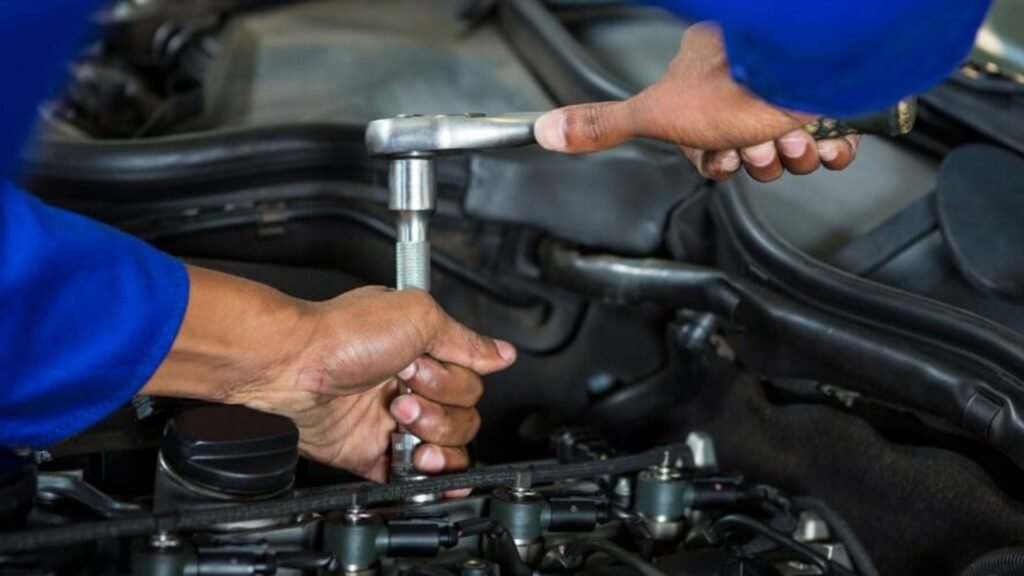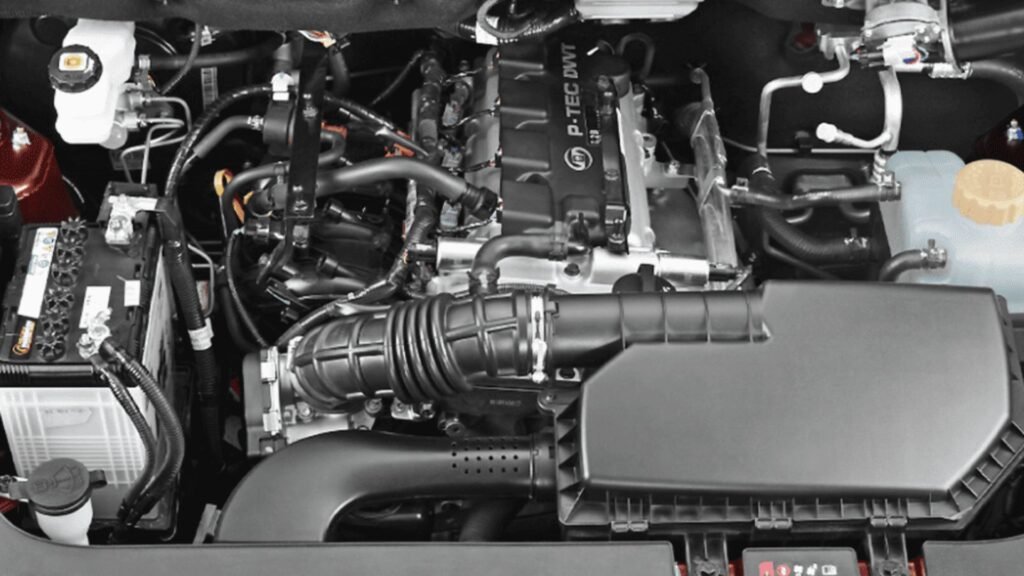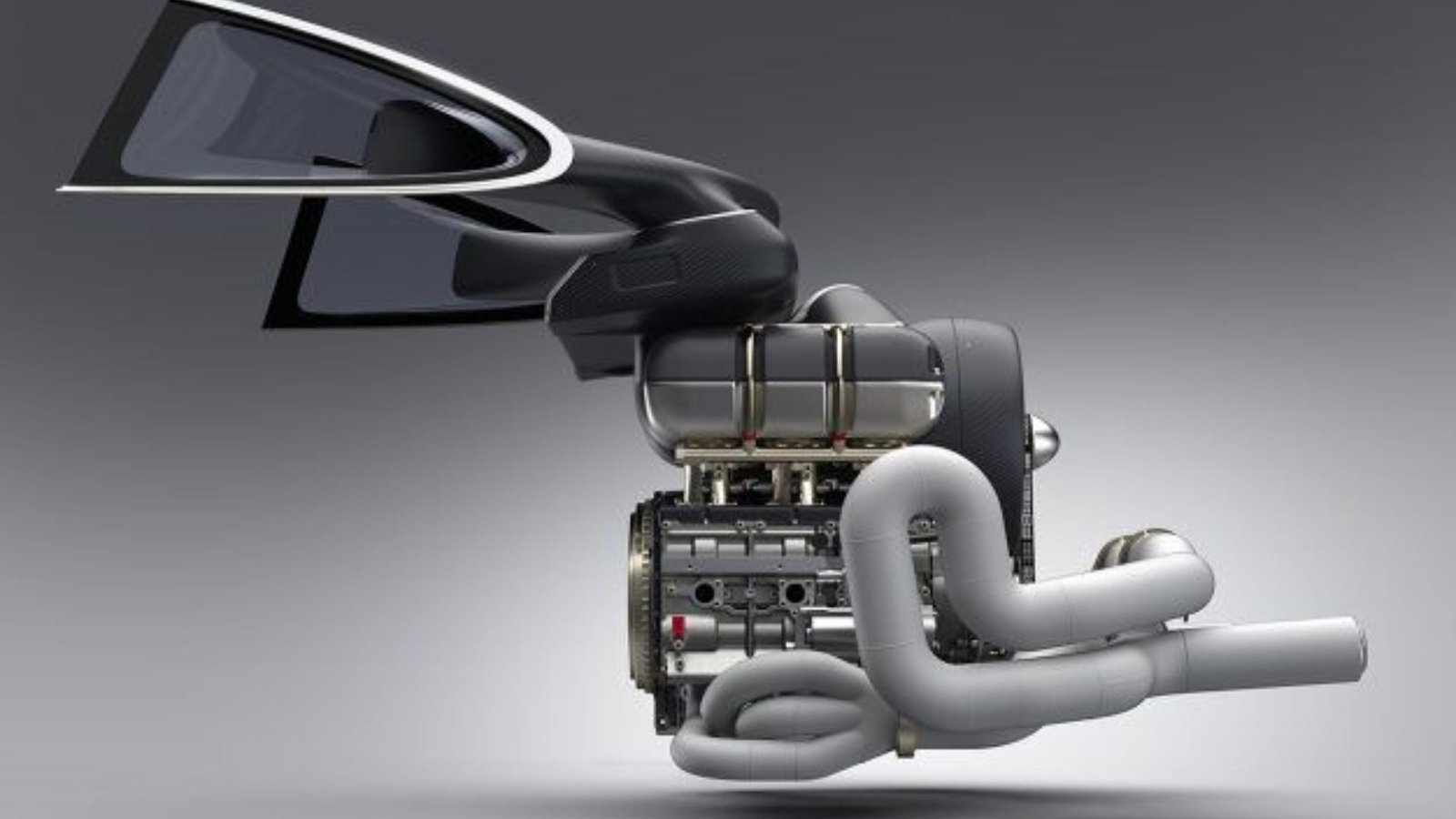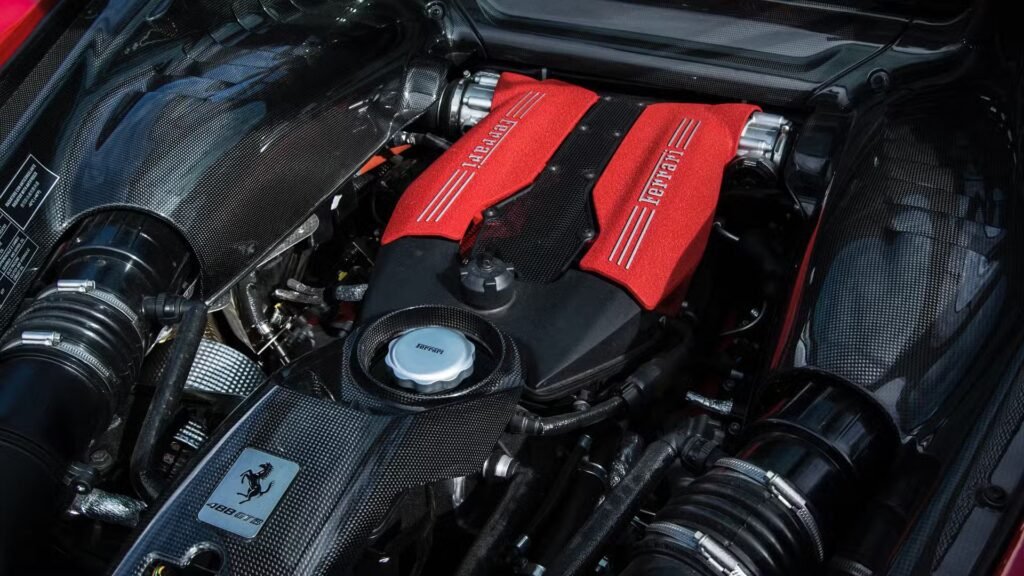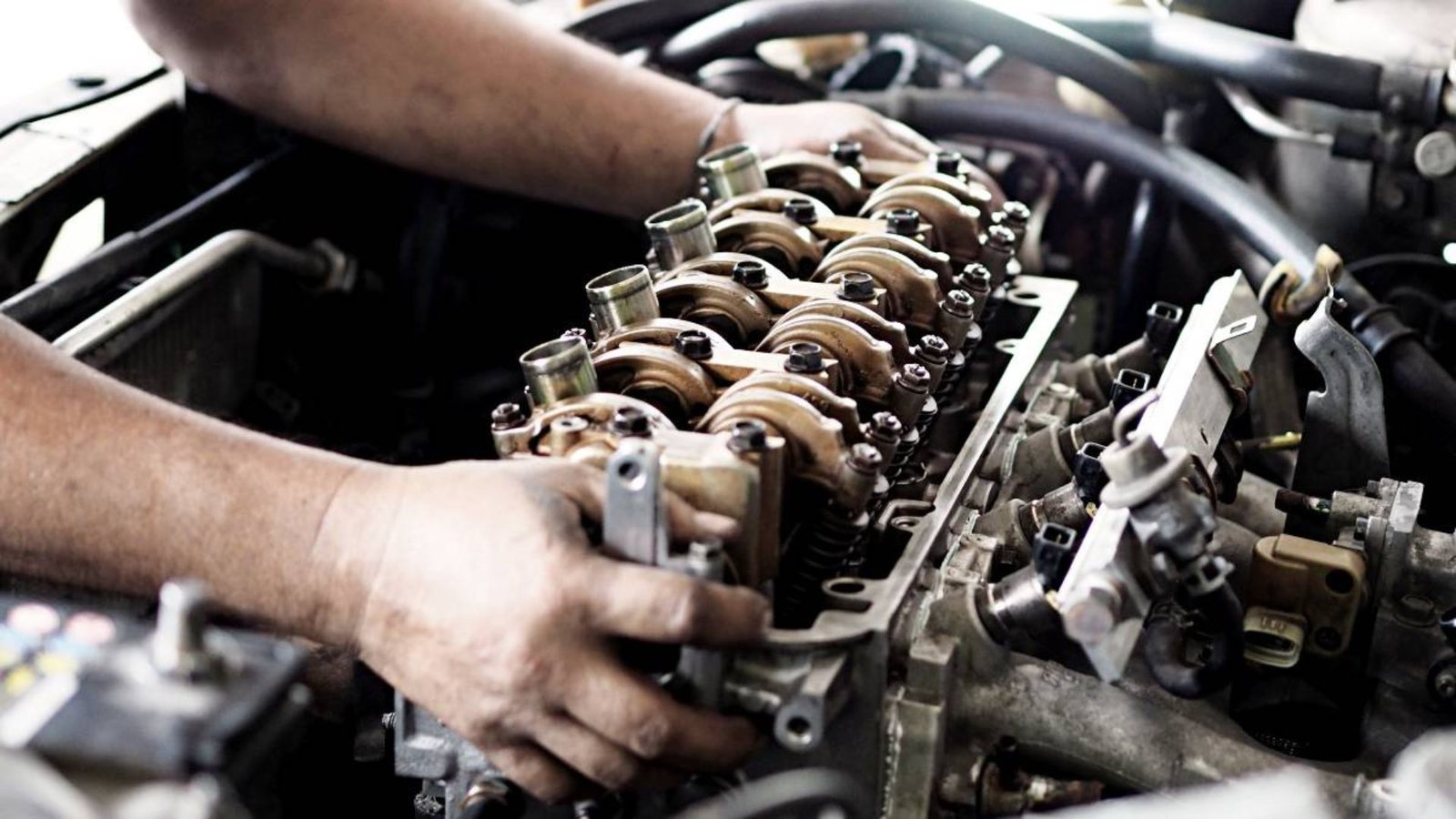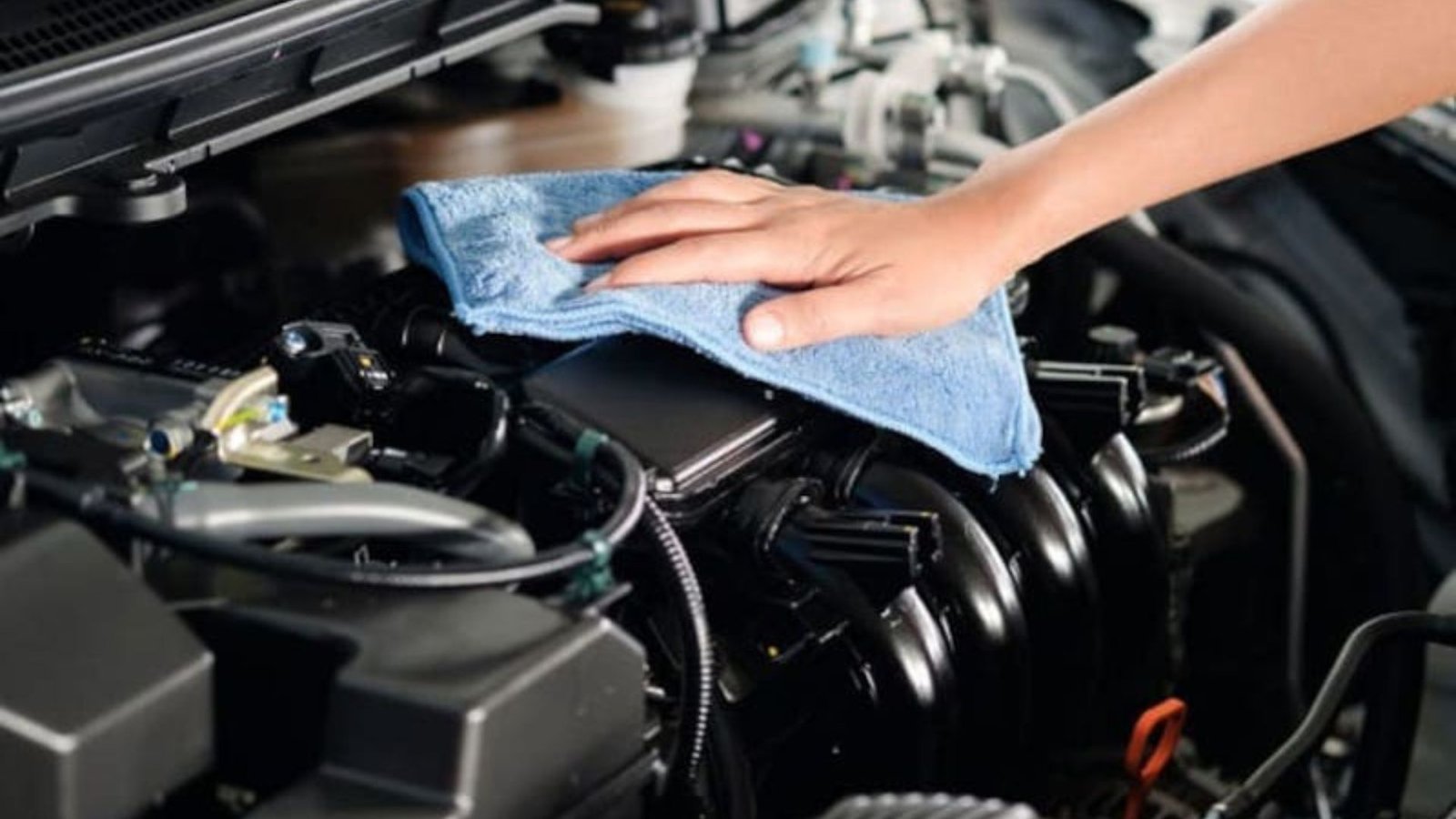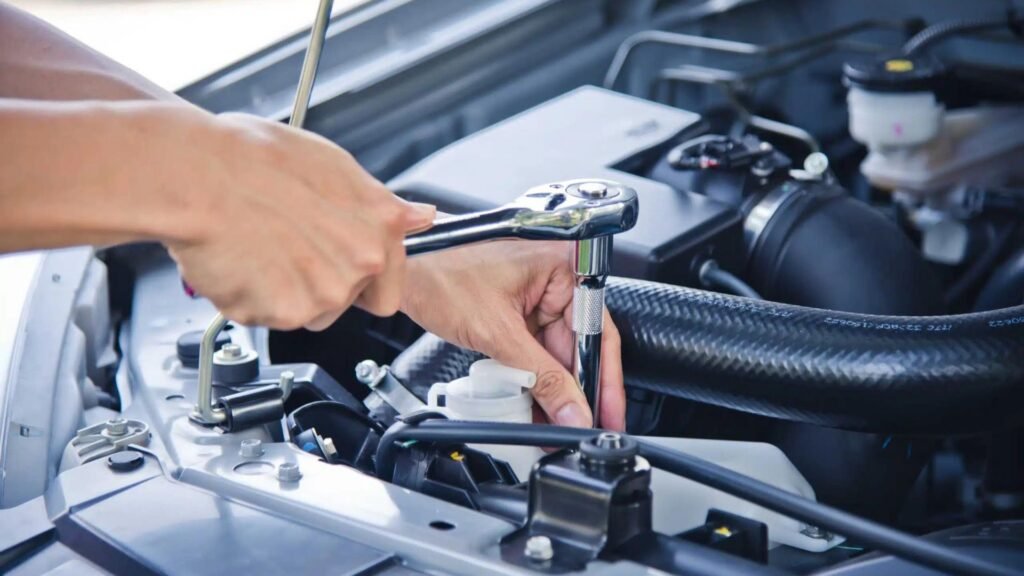
Troubleshooting Common Car Engine Problems

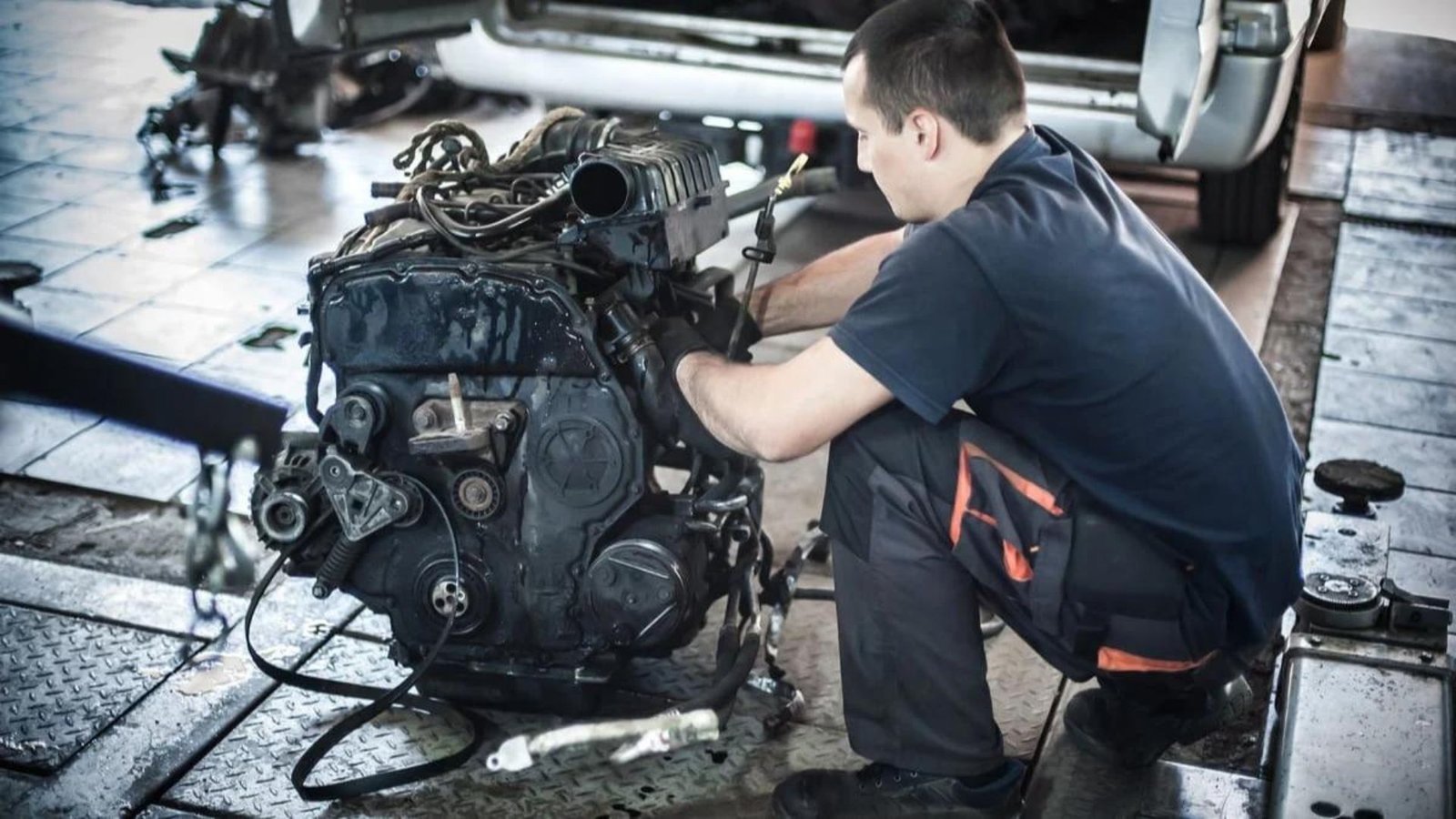
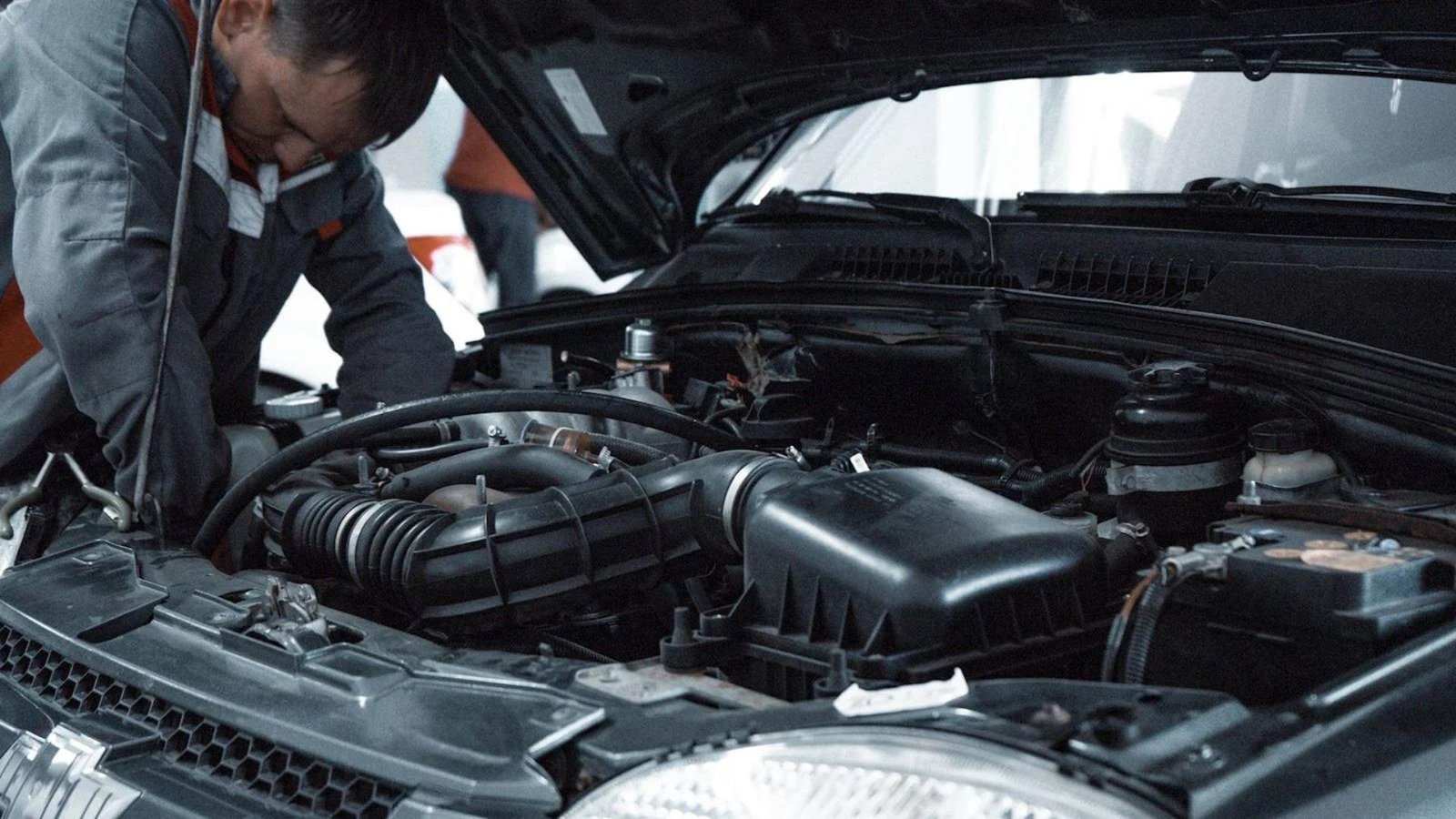
When it comes to troubleshooting common car engine problems, knowing what to look for can save you time, money, and stress. Cars are complex machines and engine issues can vary widely. Here’s a guide to help you diagnose and address some of the most frequent engine problems.

1. The Engine Won’t Start

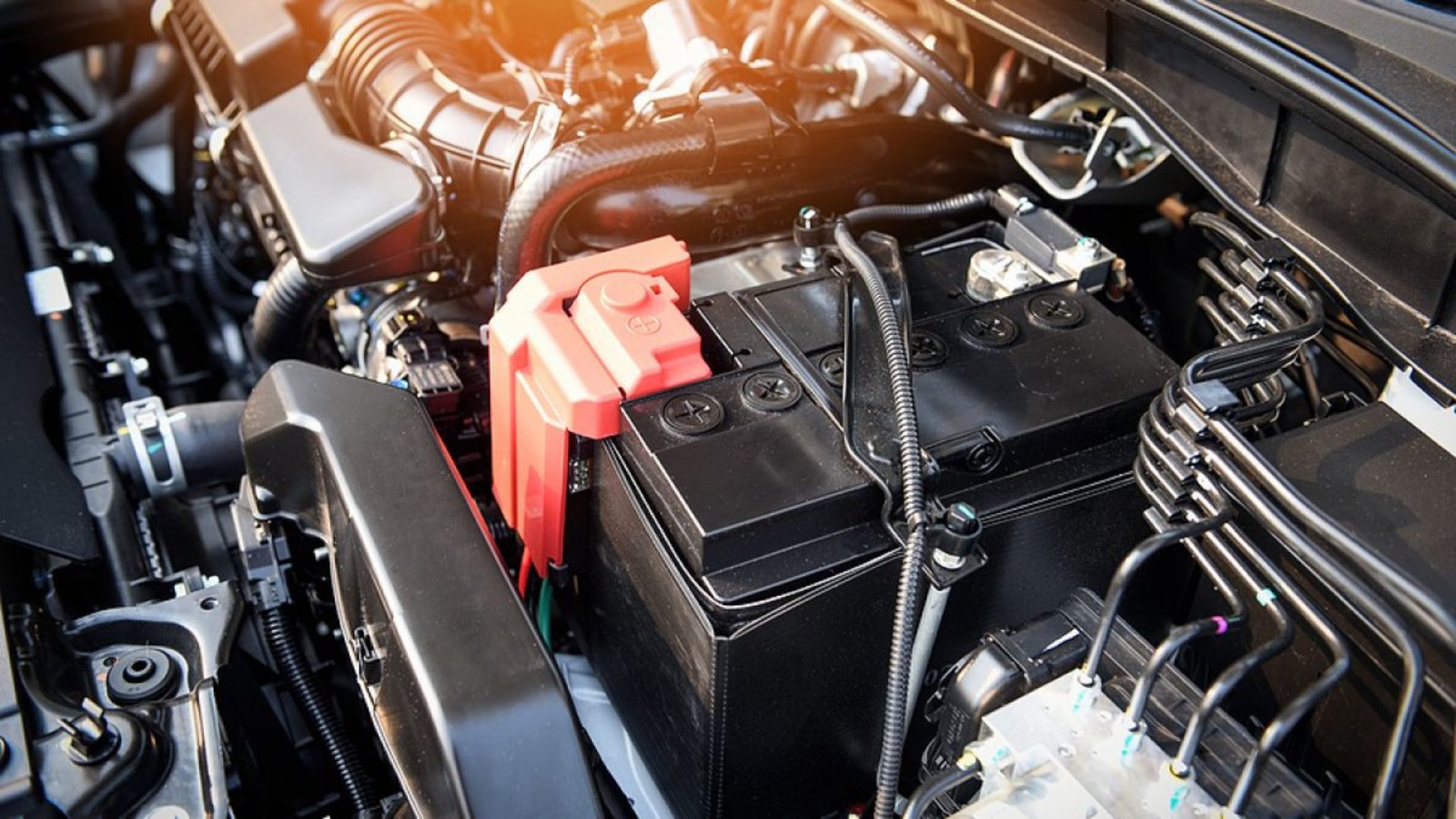
If your engine won’t start, it could be due to several issues. Start by checking the battery. Ensure it’s fully charged and the connections are clean and tight. If the battery is fine, check the starter motor and ignition system. Sometimes, a faulty starter or ignition switch can prevent the engine from starting. Troubleshooting common car engine problems like this often begins with these basics.

Troubleshooting Common Car Engine Problems

2. Engine Stalls or Hesitates

Engine stalling or hesitation can be caused by a variety of factors. Common issues include a clogged fuel filter or a failing fuel pump. Another possibility is a problem with the ignition system, such as worn spark plugs or ignition coils. To troubleshoot, and inspect the fuel system and ignition components. These are key areas in troubleshooting common car engine problems.

3. Overheating Engine

An overheating engine is a serious issue that can lead to significant damage if not addressed. Start by checking the coolant level. Low coolant levels can cause overheating. Also, inspect the radiator and hoses for leaks or blockages. A malfunctioning thermostat or water pump can also lead to overheating. Proper troubleshooting common car engine problems involves ensuring your cooling system is functioning correctly.

4. Engine Misfires

Engine misfires occur when one or more cylinders fail to fire properly. This can be caused by issues like faulty spark plugs, ignition coils, or a clogged fuel injector. To diagnose a misfire, start by checking the spark plugs and ignition system. You may also need to inspect the fuel system for clogged injectors or fuel lines. Troubleshooting common car engine problems like misfires requires a thorough inspection of these components.

5. Excessive Exhaust Smoke

Excessive smoke from the exhaust can indicate several problems. Blue smoke typically means burning oil, which could be due to worn piston rings or valve seals. Black smoke often indicates too much fuel is being burned, possibly due to a faulty fuel injector or air filter. White smoke might suggest coolant is leaking into the engine. Each type of smoke requires different troubleshooting common car engine problems steps.

6. Poor Fuel Economy

If your car is using more fuel than usual, it’s time to investigate. Poor fuel economy can be caused by a range of issues, including a dirty air filter, a malfunctioning oxygen sensor, or poor tire pressure. Check these components to ensure they are in good working condition. Improving fuel economy is a critical aspect of troubleshooting common car engine problems.

7. Strange Engine Noises

Unusual noises coming from the engine, such as knocking or pinging, can be alarming. These sounds might be due to issues like low oil levels, damaged bearings, or timing problems. Listen carefully to the noises and check the oil level and condition. Troubleshooting common car engine problems often involves identifying and addressing these unusual sounds.

8. Check Engine Light

The check engine light can indicate a wide range of issues, from minor to serious. To diagnose the problem, use an OBD-II scanner to read the error codes. These codes will give you clues about what might be wrong with your engine. Understanding and addressing these codes is a crucial part of troubleshooting common car engine problems.

9. Rough Idling

If your engine idles roughly, it could be due to many factors such as a dirty throttle body or faulty idle air control valve. Cleaning or replacing these components may help smooth out the idle. Regular maintenance and troubleshooting car engine problems like rough idling can prevent further issues.

10. Low Oil Pressure

Low oil pressure can be a sign of an oil pump failure or oil leaks. Check the oil level and top it up if necessary. If the oil level is fine, inspect the oil pump and related components. Addressing low oil pressure is crucial for troubleshooting car engine problems and maintaining engine health.

11. Engine Vibration

Engine vibrations can occur due to issues like worn engine mounts or unbalanced components. Inspect the engine mounts and check for any signs of wear or damage. Addressing these issues can help resolve vibrations and improve engine performance. Effective troubleshooting car engine problems involves checking these components.

12. Hard Starting

If your car takes a long time to start, the issue could be related to the fuel system or ignition system. Check the fuel pump, fuel filter, and spark plugs for any issues. Proper troubleshooting car engine problems include ensuring that these systems are functioning as they should.

13. Leaking Fluids

Leaking fluids, such as oil or coolant, can be a sign of various problems. Locate the source of the leak and address it promptly. Check the gaskets, seals, and hoses for any signs of wear or damage. Addressing fluid leaks is an essential part of troubleshooting car engine problems.

14. Engine Backfiring

Engine backfiring can be caused by timing issues, a faulty ignition system, or a rich fuel mixture. Check the timing and inspect the ignition components. Adjusting these settings or replacing faulty parts can help resolve backfiring issues. Troubleshooting car engine problems involves careful examination of these factors.

15. Difficulty Accelerating

If your car struggles to accelerate, it could be due to a problem with the fuel system, ignition system, or air intake. Check the fuel filter, spark plugs, and air filter for any issues. Proper maintenance and troubleshooting car engine problems can help improve acceleration and overall performance.

Conclusion

Troubleshooting common car engine problems involves understanding and addressing various issues that can affect engine performance. By following these tips, you can diagnose and fix many common problems, keeping your engine running smoothly. Regular maintenance and prompt attention to issues can prevent more serious problems and ensure a better driving experience.

Dodge Truck Towing Capabilities: What Makes Them Stand Out?

Dodge truck towing capabilities are a crucial aspect of their design, making these vehicles a top choice for hauling and heavy-duty work. Dodge trucks are known for their impressive towing performance, which sets them apart in a competitive market. This post will explore what makes Dodge trucks exceptional when it comes to towing and why they stand out.

Powerful Engines: The Backbone of Towing Capacity

Dodge truck towing capabilities largely depend on the strength of their engines. Dodge offers a range of powerful engines that provide exceptional towing power.

  • Hemi V8 Engines: Dodge trucks equipped with Hemi V8 engines deliver substantial horsepower and torque. The Hemi design enhances engine performance, allowing for higher towing capacities compared to many competitors.
  • EcoDiesel Engines: For those seeking a balance between power and fuel efficiency, Dodge’s EcoDiesel engines are a great option. These engines offer strong towing capabilities while providing better fuel economy.
  • Turbocharged Options: Some Dodge trucks feature turbocharged engines, which boost power and efficiency. Turbocharging increases engine output, making towing large loads easier and more efficient.

Advanced Towing Technologies: Enhancing Performance and Safety

Dodge truck towing capabilities are further enhanced by advanced towing technologies. These features improve towing performance, safety, and ease of use.

  • Tow/Haul Mode: This feature optimizes the truck’s transmission for towing. Engaging tow/haul mode adjusts shift points and enhances engine braking, making it easier to handle heavy loads.
  • Trailer Sway Control: This technology helps stabilize the trailer by applying brake force to individual wheels when it detects swaying. It ensures a safer towing experience by keeping the trailer steady.
  • Integrated Trailer Brake Control: Dodge trucks come with integrated trailer brake controls that allow precise braking adjustments. This feature ensures smooth and controlled stopping for both the truck and the trailer.

Heavy-Duty Chassis and Suspension: Supporting Robust Towing

Dodge truck towing capabilities are also supported by their heavy-duty chassis and suspension systems. These components are designed to handle the stresses of towing large loads.

  • Reinforced Chassis: Dodge trucks feature a reinforced chassis that provides the strength needed to support heavy trailers. The robust frame helps distribute weight evenly and reduce stress on the vehicle.
  • Upgraded Suspension Systems: Heavy-duty suspension systems in Dodge trucks are built to manage the additional weight of towing. Upgraded shocks and springs enhance stability and ride comfort when hauling heavy loads.
  • High Payload Capacity: The design of Dodge trucks includes a high payload capacity, allowing them to carry additional gear and equipment. This capacity complements their towing capabilities, making them versatile for various tasks.

Conclusion

Dodge truck towing capabilities stand out due to their powerful engines, advanced towing technologies, and robust chassis and suspension systems. Dodge trucks are designed to handle substantial towing loads with ease, thanks to features like Hemi V8 engines, trailer sway control, and reinforced chassis. Whether you’re hauling heavy equipment or towing a trailer, Dodge trucks provide the performance and reliability needed for demanding tasks. By understanding these key features, you can make an informed decision about the best truck for your towing needs.

Exploring the Customization Options for Your Dodge Truck

Exploring the customization options for your Dodge truck opens up a world of possibilities for personalizing and enhancing your vehicle. Dodge trucks, known for their power and performance, offer a range of customization options to suit various needs and preferences. This guide will delve into how you can transform your Dodge truck to match your unique style and functional requirements.

Exploring the Customization Options for Your Dodge Truck

Exterior Customizations: Enhancing Appearance and Functionality

Exploring the customization options for your Dodge truck starts with exterior modifications. These changes not only improve the truck’s appearance but also its functionality. Consider the following enhancements:

  • Custom Grilles and Bumpers: Upgrading to a custom grille or bumper can dramatically change the look of your Dodge truck. Choose from aggressive off-road designs or sleek, stylish options to suit your taste.
  • Lift Kits and Suspension Upgrades: A lift kit raises your truck’s ride height, providing better ground clearance and a more commanding presence on the road. Enhanced suspension systems improve handling and off-road performance, making your truck ready for any adventure.
  • Aftermarket Wheels and Tires: Upgrading your wheels and tires can enhance both the look and performance of your Dodge truck. Select larger, more rugged tires for off-road capability or stylish rims for a sportier appearance.

Interior Customizations: Comfort and Technology Upgrades

Exploring the customization options for your Dodge truck also includes interior modifications. Upgrading the interior enhances comfort, convenience, and technology. Consider these options:

  • Premium Seat Covers and Upholstery: Upgrading to premium seat covers or custom upholstery can enhance comfort and durability. Choose from leather, heated seats, or custom designs to make your truck’s interior more luxurious.
  • Advanced Infotainment Systems: Install an advanced infotainment system with features like navigation, Bluetooth connectivity, and a high-quality sound system. These upgrades improve driving experience and keep you connected on the road.
  • Custom Floor Mats and Storage Solutions: Custom floor mats protect your truck’s interior from dirt and wear. Additionally, custom storage solutions help keep your gear organized and accessible, adding practicality to your vehicle.

Performance Enhancements: Boosting Power and Efficiency

Exploring the customization options for your Dodge truck extends to performance modifications. Enhancing the truck’s performance can improve power, efficiency, and overall driving experience. Consider the following:

  • Performance Chips and Tuners: Performance chips and tuners optimize engine performance, increasing horsepower and torque. These upgrades enhance acceleration and towing capabilities, making your truck more powerful.
  • High-Performance Exhaust Systems: Upgrading to a high-performance exhaust system can improve engine efficiency and provide a more aggressive sound. Enhanced exhaust flow contributes to better overall performance and fuel efficiency.
  • Cold Air Intakes: Installing a cold air intake system increases the amount of cooler air reaching the engine. This upgrade can boost horsepower and improve fuel efficiency, enhancing your truck’s overall performance.

Conclusion

Exploring the customization options for your Dodge truck allows you to tailor your vehicle to fit your personal style and functional needs. From exterior upgrades like custom grilles and lift kits to interior enhancements such as premium upholstery and advanced infotainment systems, the possibilities are vast. Performance enhancements, including performance chips and cold air intakes, boost your truck’s power and efficiency. By selecting the right customizations, you can transform your Dodge truck into a unique and high-performing vehicle that reflects your individual preferences.

Best Ways of Improving Your Car Engine’s Performance

Improving your car engine’s performance can make your driving experience more enjoyable and efficient. Whether you want better acceleration, higher horsepower, or improved fuel economy, there are several effective ways to boost your engine’s capabilities. Here are the best strategies for improving your car engine’s performance.

1. Upgrade the Air Filter

An upgraded air filter can significantly impact improving your car engine’s performance. A high-performance air filter allows better airflow into the engine, which enhances combustion and power output. Consider replacing your standard filter with a high-flow filter to experience noticeable gains in engine efficiency.

Improving Your Car Engine's Performance
Improving Your Car Engine’s Performance

2. Install a Performance Exhaust System

A performance exhaust system can enhance your engine’s output by reducing back pressure and improving exhaust flow. This upgrade helps the engine breathe better, leading to increased horsepower and torque. For effectively improving your car engine’s performance, invest in a quality performance exhaust system.

3. Use High-Quality Motor Oil

Using high-quality motor oil is crucial for improving your car engine’s performance. Premium oils reduce friction between engine parts, which helps in smoother operation and better fuel efficiency. Regularly changing your motor oil with a high-grade option ensures your engine runs at its best.

4. Upgrade the Spark Plugs

Spark plugs play a key role in the combustion process. Upgrading to high-performance spark plugs can improve ignition efficiency and engine power. This small change can make a big difference in improving your car engine’s performance, providing smoother acceleration and better fuel combustion.

5. Check and Improve Tire Pressure

While not directly related to the engine, proper tire pressure affects overall vehicle performance. Ensuring your tires are properly inflated reduces rolling resistance, which indirectly benefits improving your car engine’s performance. Regularly check tire pressure and maintain it according to manufacturer recommendations.

6. Perform Regular Engine Tune-Ups

Routine engine tune-ups are essential for improving your car engine’s performance. Tune-ups involve checking and adjusting various engine components to ensure they operate efficiently. This includes inspecting fuel injectors, ignition systems, and other crucial parts that affect engine performance.

7. Upgrade the Fuel System

Improving your car’s fuel system can lead to better engine performance. Consider installing high-performance fuel injectors or a performance fuel pump. These upgrades enhance fuel delivery, which contributes to more efficient combustion and overall improved engine performance.

8. Clean the Throttle Body

The throttle body controls the amount of air entering the engine. Over time, it can become dirty and affect engine performance. Cleaning the throttle body can help in improving your engine’s performance by ensuring optimal airflow and more responsive acceleration.

9. Use a Performance ECU Tune

A performance ECU (Engine Control Unit) tune adjusts the engine’s software settings to optimize performance. This modification can increase horsepower, improve throttle response, and enhance fuel efficiency. For a significant boost in improving your engine’s performance, consider investing in a professional ECU tune.

10. Install a Cold Air Intake

A cold air intake system replaces the factory air intake, allowing cooler air to enter the engine. Cooler air is denser and contains more oxygen, which improves combustion and engine performance. Installing a cold air intake is a popular method for improving your engine’s performance.

11. Maintain Proper Engine Timing

Engine timing ensures that the engine’s valves open and close at the right moments. Proper timing is crucial for improving your engine’s performance. Regularly check and adjust the engine timing to ensure optimal performance and prevent issues like misfires or reduced power.

12. Replace Old Engine Components

Worn-out engine components can hinder performance. Replacing old parts, such as timing belts, water pumps, and gaskets, can help in improving your engine’s performance. Regularly inspect and replace components that show signs of wear to maintain optimal engine function.

13. Improve Engine Cooling

Keeping your engine cool is essential for maintaining performance. Ensure that your cooling system, including the radiator and coolant, is in good condition. Proper cooling helps prevent overheating, which can negatively impact improving your engine’s performance.

14. Use Quality Fuel

High-quality fuel can make a difference in engine performance. It burns cleaner and provides better combustion, leading to improved power and efficiency. For the best results in improving your car engine’s performance, use premium or recommended fuel grades as specified by your vehicle’s manufacturer.

Conclusion

Improving your car engine’s performance involves a combination of upgrades, regular maintenance, and using high-quality parts. By following these tips, you can enhance your engine’s efficiency, power, and overall driving experience. Whether you’re looking for more horsepower or better fuel economy, these strategies will help you achieve your performance goals and keep your car running at its best.

The Jeep Wrangler: Why It’s the Ultimate Off-Road Vehicle

The Jeep Wrangler stands out as the ultimate off-road vehicle, thanks to its rugged design and advanced features. With a history rooted in adventure and durability, the Wrangler embodies the spirit of off-roading. This post explores why the Jeep Wrangler remains the top choice for off-road enthusiasts and adventure seekers.

Legendary Off-Road Capability

The Jeep Wrangler excels in off-road performance due to its legendary capability. Its design and technology work together to deliver unparalleled adventure experiences. Jeep’s commitment to off-road excellence is evident in several key aspects of the Wrangler.

  • High Ground Clearance: The Jeep Wrangler offers impressive ground clearance, allowing it to navigate over rocks, logs, and uneven terrain with ease. This feature enhances the vehicle’s ability to handle rugged landscapes and challenging trails.
  • Advanced Suspension System: Equipped with a robust suspension system, the Wrangler ensures a smooth ride over rough terrain. The long-travel suspension absorbs shocks and maintains stability, providing comfort and control during off-road excursions.
  • Four-Wheel Drive Systems: The Wrangler features advanced four-wheel drive systems, such as the Command-Trac and Rock-Trac systems. These systems provide superior traction and power distribution, enabling the vehicle to tackle various off-road conditions confidently.

Durable and Adaptable Design

The Jeep Wrangler is built with durability and adaptability in mind. Its design reflects a focus on long-lasting performance and versatility in various environments. Key design elements contribute to the Wrangler’s reputation as an off-road champion.

  • Removable Doors and Roof: One of the Wrangler’s standout features is its removable doors and roof. This design allows drivers to enjoy an open-air experience and easily adapt to different weather conditions. The Wrangler’s versatility enhances its appeal for off-road adventures.
  • Skid Plates and Protection: The Wrangler includes skid plates and underbody protection to shield vital components from damage. These features are essential for off-roading, as they protect the vehicle’s undercarriage from rocks, debris, and rough terrain.
  • Durable Exterior Materials: Constructed with high-quality, durable materials, the Wrangler withstands harsh conditions and rugged use. Its exterior design is built to resist scratches, dents, and corrosion, ensuring longevity and reliability during off-road trips.

Customization Options for Every Adventurer

The Jeep Wrangler offers extensive customization options, allowing owners to tailor their vehicles to their specific off-road needs. These options make the Wrangler a versatile choice for various adventure enthusiasts.

  • Aftermarket Accessories: Jeep provides a wide range of aftermarket accessories to enhance the Wrangler’s off-road capabilities. From lifted suspensions and larger tires to winches and roof racks, owners can customize their Wranglers to suit their adventure style.
  • Trail-Rated Badge: The Trail-Rated badge signifies that the Wrangler has passed rigorous off-road tests. This badge assures buyers that the vehicle meets high standards for traction, ground clearance, maneuverability, and articulation.
  • Interior Configurations: The Wrangler’s interior is designed for comfort and functionality. Owners can choose from various configurations and upgrades, such as all-weather floor mats, upgraded audio systems, and additional storage solutions.

Conclusion

The Jeep Wrangler stands as the ultimate off-road vehicle due to its legendary capability, durable design, and customization options. Its high ground clearance, advanced suspension system, and four-wheel drive systems ensure exceptional off-road performance. The Wrangler’s removable doors and roof, skid plates, and durable exterior materials enhance its adaptability and longevity. With extensive customization options, the Wrangler caters to every adventure enthusiast’s needs. By combining rugged design with advanced technology, the Jeep Wrangler continues to set the standard for off-road excellence.

Top Tips for Maintaining Your Car Engine

Maintaining your car engine is essential for keeping your vehicle running smoothly and efficiently. Regular maintenance can extend the life of your engine and improve its performance. Here are some top tips for maintaining your car engine to ensure it stays in top condition.

Maintaining Your Car Engine

1. Regularly Check and Change the Oil

One of the most important aspects of maintaining your car engine is to keep the oil clean and at the proper level. Check the oil level regularly and change it according to your car’s manufacturer’s recommendations. Fresh oil helps to lubricate engine parts, reducing friction and preventing wear.

Maintaining Your Car Engine

2. Replace the Air Filter

The air filter plays a crucial role in maintaining your car engine by ensuring that clean air reaches the engine. A clogged air filter can reduce engine efficiency and performance. Replace the air filter as recommended in your car’s manual to keep your engine running smoothly.

3. Monitor the Coolant Levels

Coolant helps to regulate the engine temperature. To avoid overheating, regularly check the coolant levels and top them off if necessary. Proper coolant levels are essential for maintaining your car engine and preventing costly damage due to overheating.

4. Keep the Fuel System Clean

A clean fuel system is vital for optimal engine performance. Use high-quality fuel and consider adding a fuel system cleaner periodically. This helps to remove deposits and maintain proper fuel flow, which is essential for maintaining your car engine.

5. Check and Replace Spark Plugs

Spark plugs ignite the fuel-air mixture in the engine. Worn or faulty spark plugs can lead to poor engine performance and fuel efficiency. Regularly check your spark plugs and replace them as needed to ensure your engine runs efficiently.

6. Inspect and Maintain Belts and Hoses

Belts and hoses play a crucial role in maintaining your car engine by driving various engine components and carrying fluids. Inspect belts and hoses regularly for signs of wear or damage and replace them if necessary to prevent engine issues.

7. Keep the Battery in Good Condition

A well-maintained battery ensures reliable engine starts and smooth operation. Check the battery terminals for corrosion and ensure they are clean and tightly connected. If your battery is old or weak, consider replacing it to avoid potential starting problems.

8. Pay Attention to Engine Warning Lights

Your car’s dashboard warning lights are there to alert you to potential engine problems. If any warning lights come on, address them promptly. Ignoring warning lights can lead to more significant issues and affect your engine’s performance.

9. Follow the Manufacturer’s Maintenance Schedule

Each car comes with a specific maintenance schedule outlined in the owner’s manual. Adhering to this schedule is crucial for maintaining your car engine. It provides guidelines for oil changes, filter replacements, and other important tasks to keep your engine in good shape.

10. Use Quality Engine Parts

When replacing engine parts, always choose high-quality components. Using genuine or high-quality aftermarket parts helps ensure that your engine functions correctly and lasts longer. Quality parts are an investment in maintaining your car engine.

11. Keep the Engine Clean

A clean engine runs more efficiently and is easier to inspect for potential issues. Regularly clean the engine bay to remove dirt and debris. Be cautious when cleaning around sensitive areas to avoid damage to electrical components.

12. Monitor Engine Performance

Pay attention to how your engine performs while driving. Any unusual noises, vibrations, or changes in performance can be early signs of engine trouble. Addressing these issues promptly helps in maintaining your engine and prevents more serious problems.

13. Check the Transmission Fluid

Transmission fluid is essential for smooth gear shifting and engine operation. Regularly check the transmission fluid level and condition, and replace it according to your vehicle’s maintenance schedule to ensure proper transmission function.

14. Address Leaks Promptly

Engine leaks can lead to severe damage and affect the performance of your engine. Regularly inspect your engine for any signs of leaks and address them promptly. Fixing leaks as soon as they are detected helps in maintaining your car engine.

Conclusion

Maintaining your car engine involves regular checks, timely replacements, and careful attention to detail. By following these top tips, you can keep your engine running smoothly and extend its lifespan. Proper maintenance not only enhances performance but also helps prevent costly repairs down the line. Keep these tips in mind to ensure your engine remains in top shape for years to come.

Jeep’s Iconic 4×4 Technology: A Legacy of Adventure

Jeep’s iconic 4×4 technology has cemented its reputation as a leader in off-road innovation. The history of Jeep’s 4×4 systems reveals a commitment to adventure and rugged performance. By embracing advanced engineering and design, Jeep has created a legacy of exploration and durability.

The Evolution of Jeep’s 4×4 Systems

Jeep’s iconic 4×4 technology has evolved significantly since its inception. The original 4×4 systems provided basic traction and durability for military use. Over time, Jeep enhanced these systems to meet the growing demands of civilian off-roading. Each iteration of the 4×4 technology incorporated new advancements to improve performance and reliability.

  • Early Innovations: Jeep’s early 4×4 systems, introduced during World War II, laid the groundwork for modern technology. These systems featured manual locking differentials and simple gear-driven transfer cases. The robust design ensured dependable performance in challenging conditions.
  • Modern Advancements: Today, Jeep’s 4×4 technology includes advanced features like automatic traction control and electronic locking differentials. These innovations provide superior off-road capability and enhanced driver control. Modern systems adapt to various terrains and driving conditions, offering improved performance and versatility.

Key Features of Jeep’s 4×4 Technology

Jeep’s iconic 4×4 technology includes several key features that enhance off-road performance and reliability. Each feature contributes to Jeep’s reputation as an industry leader in off-road capabilities. Understanding these features highlights why Jeep remains a top choice for adventure enthusiasts.

  • Selec-Trac System: The Selec-Trac system allows drivers to switch between two-wheel and four-wheel drive. This system provides flexibility and adaptability to different driving conditions. Drivers can engage four-wheel drive when needed, enhancing traction on slippery or uneven surfaces.
  • Command-Trac System: The Command-Trac system offers full-time four-wheel drive with a two-speed transfer case. This system excels in challenging off-road situations, delivering consistent power to all wheels. Command-Trac ensures optimal traction and stability on rough terrain.
  • Rock-Trac System: The Rock-Trac system is designed for extreme off-road conditions. It features low-range gearing and heavy-duty components to tackle rugged landscapes. Rock-Trac provides exceptional control and power for serious off-road enthusiasts.

Jeep’s 4×4 Technology in Action

Jeep’s iconic 4×4 technology shines in various real-world scenarios, demonstrating its capability and reliability. Whether tackling rocky trails or navigating through mud, Jeep’s 4×4 systems excel in diverse environments. The following examples showcase the technology’s effectiveness in different off-road conditions.

  • Trail Performance: Jeep’s 4×4 systems deliver outstanding performance on challenging trails. The advanced technology provides excellent traction and stability, allowing drivers to navigate steep inclines and uneven surfaces with confidence. Off-road enthusiasts rely on Jeep’s 4×4 systems to tackle the toughest trails.
  • Weather Conditions: In adverse weather conditions, such as snow or rain, Jeep’s 4×4 technology enhances safety and control. The systems adjust power distribution to maintain traction and prevent skidding. Drivers can feel secure knowing their Jeep can handle various weather challenges.
  • Rock Crawling: For rock crawling, Jeep’s 4×4 systems offer superior control and durability. The technology allows drivers to crawl over boulders and rough terrain with precision. Jeep’s commitment to rugged performance ensures a reliable and enjoyable rock crawling experience.

Conclusion

Jeep’s iconic 4×4 technology reflects a rich legacy of adventure and innovation. From early military models to modern off-road systems, Jeep has continuously advanced its 4×4 technology to meet the demands of adventure seekers. Key features like Selec-Trac, Command-Trac, and Rock-Trac enhance off-road performance and reliability. Whether navigating trails, facing harsh weather, or rock crawling, Jeep’s 4×4 systems demonstrate exceptional capability. Jeep’s dedication to off-road excellence ensures its technology remains at the forefront of adventure vehicles.

How to Choose the Best Engine for Your Car

Choosing the best engine for your car can make a significant difference in your vehicle’s performance and efficiency. Whether you’re upgrading your current engine or selecting a new one, several factors play a crucial role in making the right choice. Here’s a comprehensive guide to help you find the best engine for your car.

1. Determine Your Vehicle’s Requirements

Before you start shopping for an engine, it’s important to know what your vehicle needs. The best engine for your car will depend on the make, model, and intended use of your vehicle. For instance, a sports car might need a high-performance engine, while a daily driver might benefit from a fuel-efficient option.

2. Consider Engine Size and Type

Engine size, often measured in litres, affects both performance and fuel efficiency. Smaller engines are generally more fuel-efficient but might lack power. Larger engines provide more horsepower but can be less economical. Decide whether you need a small engine for better mileage or a larger one for more power.

3. Evaluate Engine Performance

Performance is a key factor in selecting the best engine for your car. Look at the engine’s horsepower (HP) and torque ratings. Higher horsepower means better acceleration and top speed, while higher torque improves the vehicle’s ability to handle loads and accelerate from a stop. Consider what performance features matter most for your driving style.

4. Check Fuel Efficiency

Fuel efficiency is another critical aspect to consider. An engine with better fuel economy will save you money in the long run. Compare the miles per gallon (MPG) ratings of different engines. If you do a lot of city driving, an engine with high city MPG might be more beneficial.

5. Assess Engine Compatibility

Ensure that the engine you choose is compatible with your car’s existing systems. Compatibility involves checking if the engine fits physically and integrates well with other components like the transmission and exhaust system. Verify compatibility with your vehicle’s manufacturer or consult a professional mechanic.

6. Look into Engine Reliability

Reliability is crucial when selecting the best engine for your car. Research the engine’s track record for reliability and longevity. Engines known for their durability will require fewer repairs and provide a smoother driving experience. Read reviews and check reliability ratings from trusted sources.

7. Consider Maintenance Costs

Different engines have varying maintenance needs. Some may require more frequent servicing or higher-quality parts. Consider the long-term maintenance costs when choosing an engine. An engine that requires less maintenance can save you time and money over its lifespan.

8. Evaluate Engine Technology

Modern engines come with various technologies designed to improve performance and efficiency. Look for features like turbocharging, variable valve timing, and direct fuel injection. These technologies can enhance your engine’s performance and fuel economy.

9. Think About Emissions

Environmental impact is an important consideration. Engines with lower emissions are better for the environment and may be required to meet local regulations. Check the engine’s emissions rating to ensure it aligns with your environmental values and legal requirements.

10. Factor in Cost

The cost of the engine itself is a major factor. Compare the prices of different engines and consider the overall value they offer. Remember that a more expensive engine may provide better performance or efficiency, but ensure it fits within your budget.

11. Explore Warranty Options

A good warranty can provide peace of mind. Check if the engine comes with a manufacturer’s warranty or if you can purchase an extended warranty. A strong warranty can protect you from potential defects or issues.

12. Consult with Professionals

If you’re unsure about which engine is the best for your car, consult with automotive professionals. Mechanics, automotive engineers, and car dealers can provide valuable insights and recommendations based on your vehicle’s specific needs and your driving habits.

13. Consider Upgrading Other Components

Sometimes, choosing the best engine for your car might also involve upgrading other components like the transmission or suspension. Ensure that the entire vehicle is balanced and that all parts work well together for optimal performance.

14. Review Engine Options from Reputable Brands

Reputable brands often offer engines with higher reliability and performance. Research engine options from well-known manufacturers and read customer reviews to gauge their quality and performance.

15. Test Drive

Finally, if possible, test drive the car with the new engine. This will give you a firsthand experience of how the engine performs under real driving conditions. It’s the best way to ensure that the engine meets your expectations and driving needs.

Conclusion

Choosing the best engine for your car involves considering various factors such as performance, fuel efficiency, compatibility, and cost. By evaluating these aspects carefully, you can make an informed decision that enhances your vehicle’s performance and meets your driving needs. Take your time to research and consult with professionals to ensure you get the engine that’s right for you.

Sustainable Off-Roading: Jeep’s Move Toward Eco-Friendly Vehicles

Sustainable off-roading has become a key focus for Jeep as it moves toward eco-friendly vehicles. As environmental awareness grows, Jeep is committed to reducing the ecological impact of its off-road adventures. This shift reflects a broader trend toward sustainability in the automotive industry.

Sustainable Off-Roading: Jeep’s Move Toward Eco-Friendly Vehicles

Jeep’s Commitment to Eco-Friendly Technology

Sustainable off-roading begins with Jeep’s commitment to incorporating eco-friendly technology into its vehicles. The company has embraced hybrid and electric powertrains to offer more sustainable options. By integrating these technologies, Jeep reduces emissions and enhances fuel efficiency, making off-roading greener.

  • Hybrid Models: Jeep has introduced hybrid versions of its popular models, such as the Jeep Wrangler 4xe. These hybrids combine electric and gasoline power for improved efficiency. Hybrid technology allows Jeep to provide the same rugged performance while lowering its environmental impact.
  • Electric Vehicles: Jeep is also working on fully electric off-road vehicles. The push toward electric models aims to eliminate tailpipe emissions entirely. By developing electric versions of its vehicles, Jeep supports a cleaner and more sustainable future for off-roading enthusiasts.

Innovations in Sustainable Materials

Sustainable off-roading involves more than just vehicle technology. Jeep is also innovating with sustainable materials to reduce the environmental footprint of its vehicles. The company is making strides in using eco-friendly materials in its vehicle interiors and exteriors.

  • Recycled Materials: Jeep incorporates recycled materials into its vehicle interiors, such as recycled plastics and fabrics. These materials help reduce waste and promote a circular economy. By using recycled content, Jeep minimizes its reliance on virgin resources.
  • Sustainable Manufacturing: Jeep focuses on sustainable practices in its manufacturing processes. The company aims to reduce energy consumption and waste production during vehicle assembly. These efforts contribute to a lower environmental impact throughout the production cycle.

Enhancing Off-Roading Experiences Sustainably

Sustainable off-roading not only involves eco-friendly vehicles but also improving the off-roading experience in an environmentally conscious manner. Jeep’s initiatives ensure that off-road adventures remain exciting while minimizing ecological damage.

  • Trail Management: Jeep supports trail management programs that promote responsible off-roading. These programs educate drivers about minimizing environmental impact and following sustainable practices. By participating in these initiatives, Jeep drivers can enjoy their adventures while protecting natural landscapes.
  • Conservation Efforts: Jeep partners with environmental organizations to support conservation efforts. These partnerships focus on preserving natural habitats and ecosystems affected by off-roading activities. By contributing to conservation projects, Jeep helps maintain the beauty and health of off-road environments.

Future Directions for Sustainable Off-Roading

Sustainable off-roading continues to evolve as Jeep explores new technologies and practices. The company is committed to further reducing its environmental impact and advancing sustainability in the off-roading sector.

  • Research and Development: Jeep invests in research and development to advance sustainable technologies. The company is exploring new ways to enhance vehicle efficiency and reduce emissions. Ongoing R&D efforts are crucial for achieving long-term sustainability goals.
  • Consumer Education: Jeep focuses on educating consumers about sustainable off-roading practices. By providing information on eco-friendly driving techniques and vehicle maintenance, Jeep empowers drivers to make environmentally conscious choices.

Conclusion

Sustainable off-roading represents a significant shift for Jeep as it embraces eco-friendly technologies and materials. Through hybrid and electric models, innovative use of recycled materials, and support for conservation efforts, Jeep is making strides toward reducing its environmental footprint. As the company continues to evolve, its commitment to sustainability will shape the future of off-road adventures. By integrating these practices, Jeep ensures that off-roading remains both exhilarating and environmentally responsible.

How to Choose the Right Car Parts for Your Vehicle

Selecting the right car parts is crucial for maintaining your vehicle’s performance, safety, and longevity. Whether you’re replacing a worn-out component or upgrading for better performance, choosing the correct parts can make a significant difference. Here’s a detailed guide to help you choose the right car parts for your vehicle.

1. Understand Your Vehicle’s Specifications

Before purchasing any car parts, it’s essential to understand your vehicle’s specifications. This information ensures that the parts you select are compatible with your vehicle.

  • Check Your Owner’s Manual: Your vehicle’s owner’s manual provides detailed information about the specifications of various parts and recommended replacements.
  • Vehicle Identification Number (VIN): The VIN can help you find parts that match the exact make, model, and year of your vehicle. You can often use it to search for parts online or at auto parts stores.
  • Consult with a Professional: If you’re unsure about your vehicle’s specifications, consult with a mechanic or automotive expert to get accurate information.

2. Choose Between OEM and Aftermarket Parts

When selecting car parts, you generally have two main options: Original Equipment Manufacturer (OEM) parts or aftermarket parts.

a. OEM Parts

  • Definition: OEM parts are made by the vehicle’s manufacturer or a certified supplier. They are identical to the parts originally installed in your vehicle.
  • Advantages: Guaranteed compatibility, high quality, and often come with a warranty.
  • Disadvantages: Can be more expensive than aftermarket parts.

b. Aftermarket Parts

  • Definition: Aftermarket parts are produced by third-party manufacturers. They may offer variations in quality and price.
  • Advantages: Often more affordable and available in a wider variety of options.
  • Disadvantages: Quality and compatibility can vary, and they may not always match the original parts precisely.

3. Verify Part Compatibility

Ensuring that the parts you choose are compatible with your vehicle is crucial for proper function and safety.

  • Use Compatibility Tools: Many online auto parts retailers offer compatibility tools where you can enter your vehicle’s make, model, and year to find suitable parts.
  • Check Part Numbers: Compare the part numbers of the new parts with those listed in your vehicle’s manual or on the existing parts.
  • Seek Professional Advice: If you’re unsure about compatibility, seek advice from a mechanic or automotive parts specialist.

4. Evaluate Quality and Brand

The quality of car parts can significantly impact your vehicle’s performance and safety.

  • Research Brands: Look for reputable brands known for producing high-quality parts. Brands with positive reviews and established reputations are often more reliable.
  • Check for Certifications: Some parts may have certifications or standards indicating their quality and reliability. Look for certifications such as ISO or ANSI.
  • Read Reviews: Customer reviews and ratings can provide insights into the performance and durability of specific parts.

5. Consider Your Budget

Balancing quality and cost is essential when choosing car parts.

  • Compare Prices: Shop around and compare prices from different suppliers to ensure you’re getting a fair deal.
  • Beware of Too-Good-to-Be-True Deals: Extremely low prices may indicate poor quality or counterfeit parts. Always buy from reputable sources.
  • Factor in Longevity: Investing in higher-quality parts may save you money in the long run by reducing the need for frequent replacements.

6. Check for Warranties and Return Policies

A warranty or return policy provides protection in case the parts are defective or incompatible.

  • Understand the Warranty Terms: Check the warranty terms and coverage for the parts you purchase. A longer warranty period often indicates higher confidence in the part’s quality.
  • Return Policy: Ensure the seller offers a return policy in case the parts do not fit or function as expected. This can be especially important for online purchases.

7. Installation Considerations

Proper installation is key to ensuring that car parts function correctly.

  • Professional Installation: If you’re not experienced with car repairs, consider having a professional mechanic install the parts to ensure proper fit and function.
  • DIY Installation: If you’re installing parts yourself, make sure to follow the manufacturer’s instructions carefully and use the correct tools.

8. Maintenance and Care

Regular maintenance and care can prolong the life of your car parts and keep your vehicle running smoothly.

  • Follow Maintenance Schedules: Adhere to your vehicle’s maintenance schedule to ensure that parts are inspected and replaced as needed.
  • Inspect Parts Regularly: Regularly inspect critical components like brakes, tires, and fluids to identify any issues before they become serious problems.

Conclusion

Choosing the right car parts involves understanding your vehicle’s specifications, evaluating the quality and compatibility of parts, and considering your budget and installation options. By following these guidelines, you can make informed decisions that enhance your vehicle’s performance, safety, and longevity. Whether you’re replacing a worn-out component or upgrading for better performance, the right car parts can make all the difference in keeping your vehicle in top shape.