The Environmental Impact of Chrysler’s Manufacturing Processes

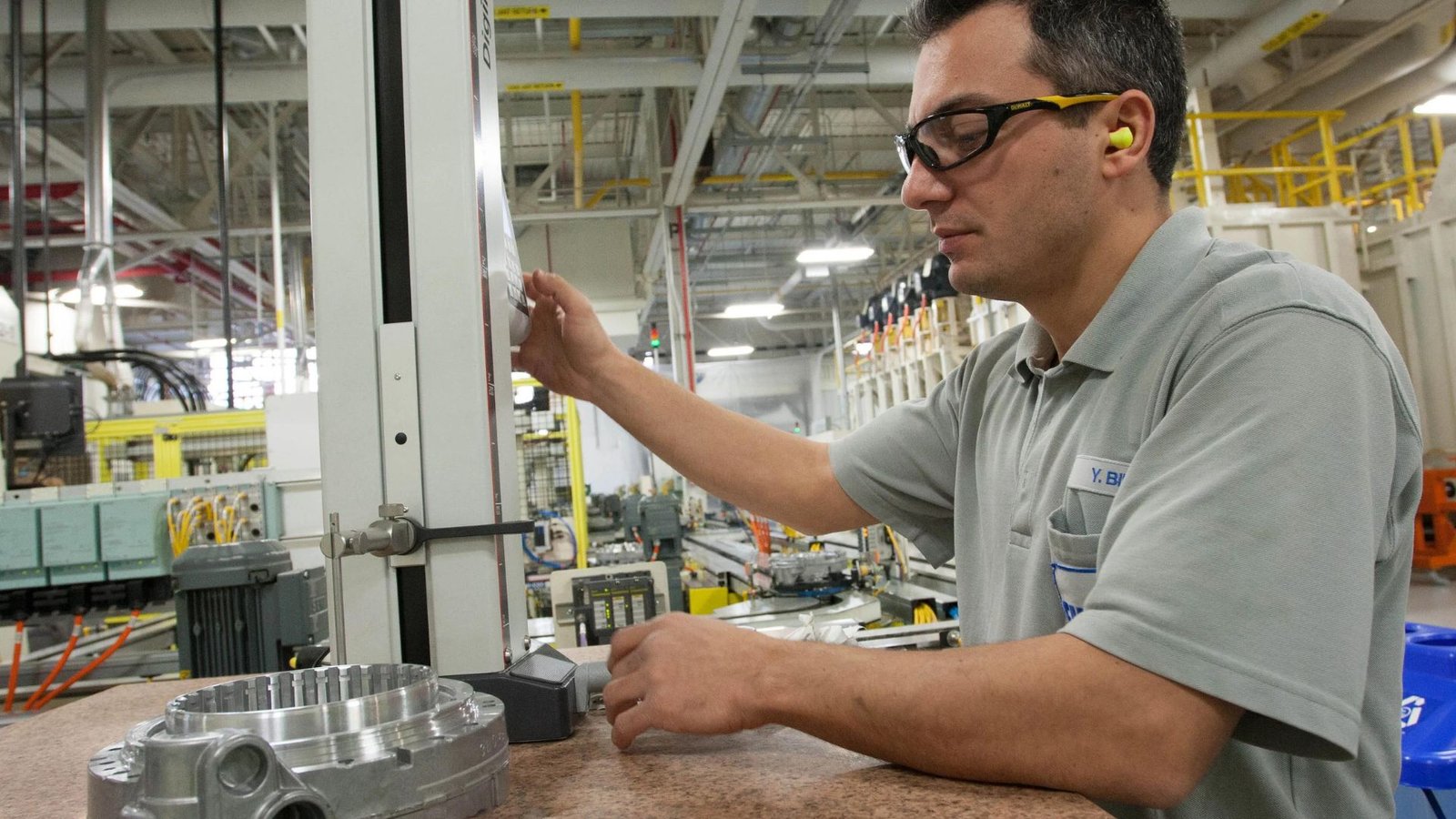
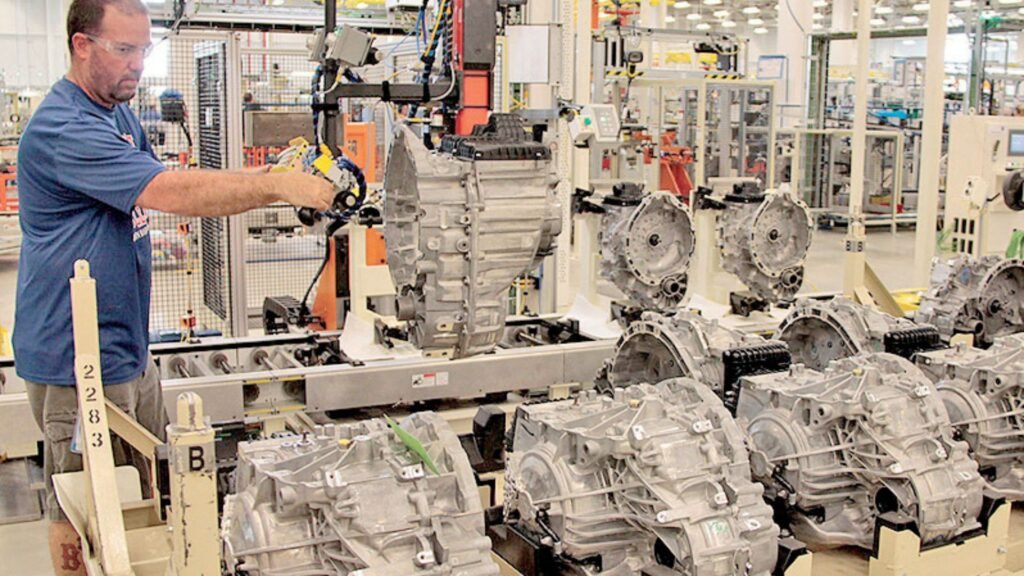
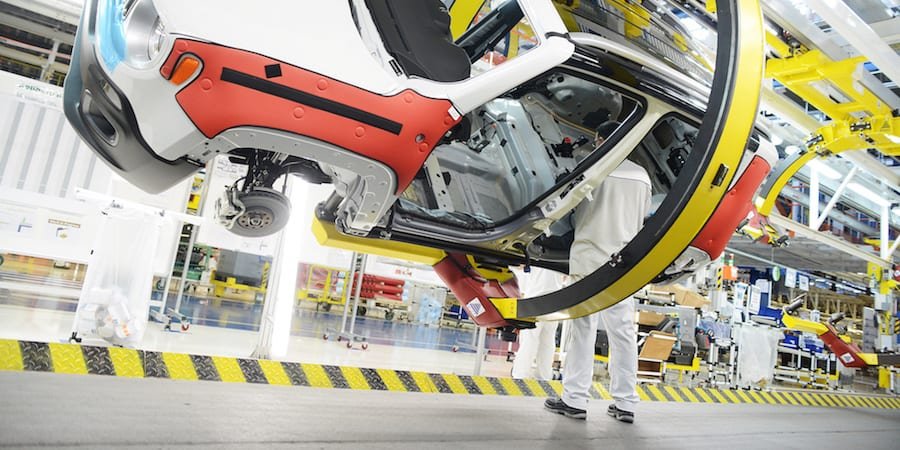
As the global demand for vehicles continues to rise, the environmental impact of automotive manufacturing has become a significant concern. Chrysler, a prominent player in the automotive industry, has faced scrutiny over the years for its manufacturing processes. In this blog post, we’ll examine the environmental impact of Chrysler’s production methods, the challenges involved, and the steps the company is taking to minimize its ecological footprint.

1. Carbon Emissions from Manufacturing

Environmental Concern:
One of the most significant environmental challenges in automotive manufacturing is the emission of greenhouse gases (GHGs). Chrysler’s manufacturing plants, like those of other automakers, contribute to carbon emissions through energy consumption, particularly from the use of fossil fuels.

Impact:

  • High levels of CO2 emissions contribute to global warming and climate change.
  • The energy-intensive processes involved in producing vehicles add to the overall carbon footprint of each car manufactured.

Chrysler’s Response:

  • Energy Efficiency Programs: Chrysler has implemented energy efficiency initiatives in its plants, including the use of renewable energy sources and the optimization of energy consumption in production lines.
  • Carbon Offsetting: The company has also invested in carbon offsetting projects to mitigate the environmental impact of its manufacturing processes.

2. Water Usage and Pollution

Environmental Concern:
Automotive manufacturing requires significant water usage for cooling, cleaning, and various production processes. Improper management of water resources can lead to pollution and the depletion of local water supplies.

Impact:

  • Water pollution from industrial discharge can harm local ecosystems and communities.
  • Excessive water usage can strain local water resources, especially in areas already facing water scarcity.

Chrysler’s Response:

  • Water Recycling: Chrysler has introduced water recycling programs in its plants to reduce overall water consumption and minimize wastewater discharge.
  • Wastewater Treatment: The company has invested in advanced wastewater treatment facilities to ensure that water released back into the environment meets regulatory standards.

3. Waste Generation and Management

Environmental Concern:
Manufacturing vehicles generates significant amounts of waste, including metal scraps, plastic, rubber, and hazardous materials. Improper disposal of these materials can lead to environmental contamination.

Impact:

  • Landfill waste contributes to soil and water pollution.
  • Hazardous waste can pose serious risks to human health and the environment if not properly managed.

Chrysler’s Response:

  • Zero-Waste Initiatives: Chrysler has adopted zero-waste-to-landfill programs in several of its plants, focusing on recycling and reusing materials to minimize waste.
  • Hazardous Waste Management: The company adheres to strict regulations for the safe disposal of hazardous materials and continuously explores ways to reduce the generation of such waste.

4. Raw Material Sourcing

Environmental Concern:
The extraction and processing of raw materials, such as metals, plastics, and rubber, are resource-intensive and have significant environmental impacts, including habitat destruction, pollution, and energy consumption.

Impact:

  • The mining of raw materials can lead to deforestation, loss of biodiversity, and ecosystem disruption.
  • Processing these materials contributes to pollution and carbon emissions.

Chrysler’s Response:

  • Sustainable Sourcing: Chrysler is committed to sourcing raw materials from suppliers that adhere to environmental and ethical standards, reducing the overall impact of material extraction and processing.
  • Material Innovation: The company is also exploring the use of alternative, more sustainable materials in its vehicle production, such as recycled plastics and eco-friendly composites.

5. End-of-Life Vehicle Management

Environmental Concern:
Once vehicles reach the end of their useful life, the disposal of automotive components poses environmental challenges. Improper disposal can result in pollution and the loss of valuable materials.

Impact:

  • Landfilling of automotive parts contributes to waste and environmental contamination.
  • Valuable materials such as metals and plastics are lost if not properly recycled.

Chrysler’s Response:

  • Vehicle Recycling Programs: Chrysler supports vehicle recycling initiatives that aim to recover and reuse materials from end-of-life vehicles, reducing the need for new raw materials and minimizing waste.
  • Design for Recycling: The company has incorporated design strategies that make it easier to disassemble and recycle vehicle components at the end of their life cycle.

Conclusion

While Chrysler’s manufacturing processes have undeniable environmental impacts, the company is making strides toward reducing its ecological footprint. Through initiatives focused on energy efficiency, water conservation, waste management, and sustainable sourcing, Chrysler is working to balance the demands of automotive production with the need for environmental responsibility. As consumers, staying informed about these efforts allows us to make more conscious choices and support companies committed to a sustainable future.

Chrysler’s Electric Future: What to Expect

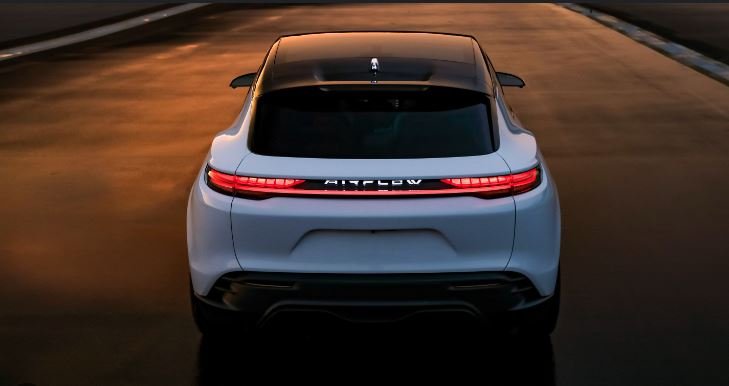
Chrysler is gearing up for an electrifying future as it transitions to electric vehicles (EVs). With the automotive industry rapidly shifting towards sustainability, Chrysler has committed to developing electric models that blend innovation, performance, and eco-friendliness. As part of the Stellantis group, Chrysler is poised to play a significant role in the global push for cleaner transportation.

Chrysler’s Electric Future: What to Expect

1. Commitment to an All-Electric Lineup

Chrysler has announced plans to offer an all-electric lineup by 2028. This ambitious goal reflects the brand’s commitment to sustainability and reducing its carbon footprint. The company’s first fully electric vehicle is expected to debut in 2025, marking the beginning of this significant transformation. Chrysler aims to offer a range of EVs that meet diverse consumer needs, from family-friendly models to luxury vehicles.

2. Advanced Battery Technology

Chrysler’s electric future will rely on advanced battery technology, ensuring its EVs offer competitive range and performance. The brand is expected to use Stellantis’ state-of-the-art battery systems, which promise enhanced energy efficiency and faster charging times. These batteries will enable Chrysler’s EVs to deliver the long-range capabilities that consumers demand, making them practical for everyday use.

3. Innovative Design and Features

Chrysler’s electric vehicles will showcase innovative design and cutting-edge features. The brand is likely to draw on its legacy of blending style with functionality, creating EVs that are both visually striking and practical. Expect features such as advanced driver assistance systems, over-the-air software updates, and customizable interiors that reflect the latest in automotive technology. Chrysler’s EVs will offer a premium experience, combining luxury with the benefits of electric driving.

4. Sustainability and Environmental Impact

Chrysler’s move to electric vehicles is part of a broader strategy to enhance sustainability across its operations. By shifting to EVs, Chrysler aims to significantly reduce emissions and contribute to a cleaner environment. The brand is also likely to explore eco-friendly materials and production methods, further minimizing its environmental impact. This commitment to sustainability will resonate with consumers who prioritize green technology in their purchasing decisions.

Conclusion

Chrysler’s electric future promises innovation, sustainability, and cutting-edge technology. As the brand transitions to an all-electric lineup by 2028, it will offer advanced battery technology, innovative designs, and a commitment to reducing its environmental impact. Chrysler’s journey towards electrification marks a new chapter in its storied history, blending its legacy with the demands of a modern, eco-conscious world.

The Most Common Chrysler Repairs and How to Avoid Them

Owning a Chrysler comes with the satisfaction of driving a well-engineered vehicle, but like any car, it can face issues over time. Understanding the most common Chrysler repairs and how to prevent them can save you time, money, and stress. In this guide, we’ll explore frequent problems Chrysler owners encounter and offer practical tips to avoid them.

1. Transmission Issues

Common Problem:
Chrysler vehicles, particularly models like the Chrysler 200 and Town & Country, are known for transmission issues, including rough shifting, slipping gears, and complete transmission failure.

How to Avoid It:

  • Regular Fluid Changes: Make sure to change the transmission fluid according to the manufacturer’s recommendations. Using the correct type of fluid is crucial for smooth operation.
  • Avoid Overheating: Prevent the transmission from overheating by ensuring the cooling system is functioning properly. Regularly check and maintain the radiator and cooling fan.
  • Drive Gently: Aggressive driving and towing heavy loads can strain the transmission. Drive smoothly and avoid overloading your vehicle.

2. Engine Stalling and Failure

Common Problem:
Engine stalling or failure is a known issue in some Chrysler models, particularly in older vehicles. This can be caused by problems with the fuel system, ignition system, or faulty sensors.

How to Avoid It:

  • Regular Tune-Ups: Keep up with regular engine tune-ups, including spark plug replacement and fuel filter changes. This ensures your engine runs efficiently.
  • Check the Fuel System: Regularly inspect the fuel pump, fuel injectors, and fuel filter for any signs of wear or clogging. Replace parts as needed to avoid stalling.
  • Monitor Sensors: Keep an eye on your car’s warning lights. If the Check Engine Light comes on, have your vehicle diagnosed by a professional to catch any sensor issues early.

3. Electrical System Problems

Common Problem:
Electrical issues, such as malfunctioning power windows, faulty alternators, and dead batteries, are commonly reported by Chrysler owners.

How to Avoid It:

  • Battery Maintenance: Regularly check your battery’s condition and clean the terminals to prevent corrosion. Replace the battery every 3-5 years to avoid unexpected failures.
  • Inspect Wiring: Periodically inspect the electrical wiring for any signs of wear, fraying, or damage. Address any issues immediately to prevent shorts or malfunctions.
  • Alternator Check: Have your alternator checked during routine maintenance. A failing alternator can lead to a dead battery and other electrical problems.

4. Suspension and Steering Issues

Common Problem:
Chrysler vehicles can experience suspension and steering issues, including worn-out ball joints, tie rods, and struts. These problems can lead to poor handling and uneven tire wear.

How to Avoid It:

  • Regular Inspections: Have your suspension and steering components inspected during routine maintenance. Replace worn parts before they cause more significant issues.
  • Proper Alignment: Ensure your wheels are properly aligned to avoid unnecessary strain on the suspension. Misalignment can lead to premature wear of suspension components.
  • Avoid Rough Roads: Try to avoid driving on rough or poorly maintained roads, as this can accelerate wear and tear on the suspension system.

5. Brake System Failures

Common Problem:
Brake problems, such as worn brake pads, leaking brake fluid, and faulty brake rotors, are common in Chrysler vehicles. These issues can lead to reduced braking efficiency or even brake failure.

How to Avoid It:

  • Regular Brake Inspections: Have your brakes inspected regularly and replace brake pads before they become too thin. This prevents damage to the rotors.
  • Fluid Check: Regularly check the brake fluid level and top it off if needed. If you notice any leaks, have them repaired immediately.
  • Brake Responsibly: Avoid aggressive braking, which can cause excessive wear on the brake components. Instead, brake smoothly and gradually whenever possible.

Conclusion

By understanding the most common Chrysler repairs and how to prevent them, you can keep your vehicle in top condition and avoid costly fixes. Regular maintenance, responsible driving habits, and prompt attention to minor issues can go a long way in preserving the performance and longevity of your Chrysler. Stay proactive, and you’ll enjoy a smoother, more reliable driving experience.

Improving the Fuel Efficiency of Your Chrysler

Are you looking to boost the fuel efficiency of your Chrysler? Improving the fuel efficiency of your Chrysler not only saves you money but also helps the environment. Here are some straightforward ways of improving the fuel efficiency of your Chrysler.

1. Keep Your Tyres Properly Inflated

One of the simplest ways to enhance the fuel efficiency of your Chrysler is by keeping your tyres properly inflated. Under-inflated tyres create more rolling resistance, which forces your engine to work harder and burn more fuel. Check your tyre pressure monthly and inflate them to the recommended level.

Improving the Fuel Efficiency of Your Chrysler

2. Regularly Change Your Oil

Changing your oil at the intervals suggested by Chrysler can improve your car’s fuel efficiency. Fresh oil ensures that your engine runs smoothly and efficiently. Old, dirty oil creates more friction and can reduce fuel efficiency.

3. Use the Right Motor Oil

Using the recommended motor oil for your Chrysler can help in improving the fuel efficiency of your vehicle. Check your owner’s manual for the correct oil type and stick with it. The right oil reduces engine drag and helps in better fuel combustion.

4. Maintain Your Engine

A well-maintained engine is key to improving the fuel efficiency of your Chrysler. Regularly check and replace air filters, spark plugs, and fuel filters. A clean engine performs better and uses fuel more efficiently.

5. Avoid Aggressive Driving

Driving aggressively—such as speeding, rapid acceleration, and hard braking—can decrease your Chrysler’s fuel efficiency. Smooth driving habits help maintain steady speeds and reduce fuel consumption.

6. Reduce Weight

Extra weight in your vehicle requires more fuel to move. Clear out unnecessary items from your car, and avoid carrying heavy loads on your roof rack. Reducing weight can significantly improve the fuel efficiency of your Chrysler.

7. Use Cruise Control

Using cruise control on highways helps maintain a constant speed, which can enhance fuel efficiency. By avoiding frequent acceleration and braking, you reduce fuel consumption.

8. Avoid Excessive Idling

Idling your engine for long periods wastes fuel. If you’re waiting for more than a minute, it’s often better to turn off your engine and restart it when you’re ready to move. This simple habit can contribute to improving the fuel efficiency of your Chrysler.

9. Check for Leaks

Fuel leaks can drastically impact your car’s fuel efficiency. Regularly inspect your vehicle for any signs of leaks, such as puddles of fuel under your car. Addressing leaks promptly ensures your car runs efficiently.

10. Use the Air Conditioning Wisely

Using the air conditioning system can put extra load on the engine, leading to higher fuel consumption. Use AC sparingly, and consider using the vehicle’s ventilation system or rolling down the windows when driving at lower speeds.

11. Plan Your Trips

Combining errands and planning your trips can reduce the total distance you drive. Short trips can be less fuel-efficient because your engine operates at lower temperatures. Efficient planning helps in improving the fuel efficiency of your Chrysler.

12. Get Regular Tune-Ups

Regular tune-ups are essential for keeping your Chrysler running smoothly. A well-tuned engine performs better and uses fuel more efficiently. Follow the manufacturer’s schedule for tune-ups.

13. Use Higher Gears

Driving in higher gears at lower speeds can improve fuel efficiency. Higher gears reduce engine speed and fuel consumption. Shift up as soon as possible without straining the engine.

14. Keep Windows Closed at High Speeds

Driving with the windows open can create drag and decrease fuel efficiency, especially at high speeds. Keep the windows closed to reduce aerodynamic drag and improve fuel economy.

Conclusion

Improving the fuel efficiency of your Chrysler is both practical and beneficial. By following these tips, you can enjoy better mileage, lower fuel costs, and a smoother driving experience. Regular maintenance and mindful driving habits play a crucial role in achieving these benefits. Start implementing these strategies today and watch as your fuel efficiency improves!

Exploring Chrysler’s Luxury Vehicle Lineup

Chrysler has a rich history of producing luxury vehicles that blend elegance, performance, and cutting-edge technology. Over the years, Chrysler has consistently offered vehicles that cater to drivers seeking comfort and sophistication. This lineup showcases Chrysler’s commitment to delivering a premium driving experience, with each model reflecting the brand’s dedication to quality and innovation.

Exploring Chrysler’s Luxury Vehicle Lineup

1. The Chrysler 300: A Modern Luxury Icon

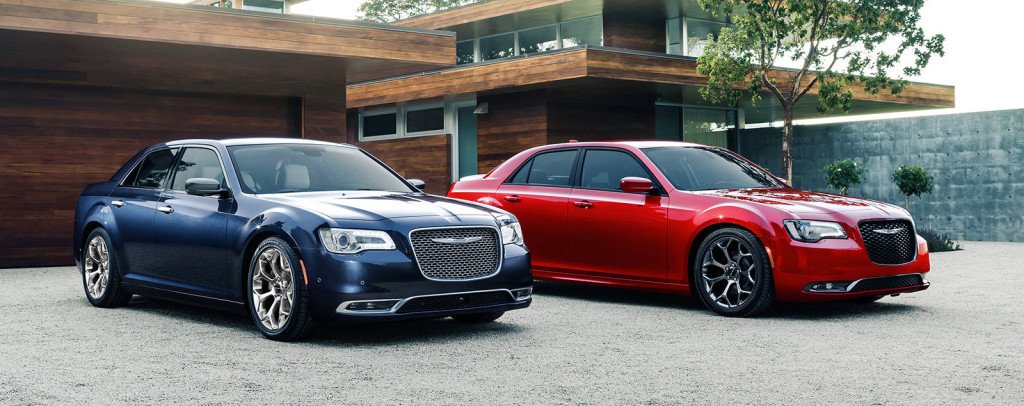
The Chrysler 300 stands as a symbol of modern luxury in Chrysler’s lineup. Introduced in 2005, the 300 quickly became known for its bold design and powerful performance. The vehicle offers a spacious interior with premium materials, advanced technology, and a smooth ride. The 300 continues to appeal to those who seek a combination of style, comfort, and power.

2. Chrysler Pacifica Pinnacle: Luxury Meets Versatility

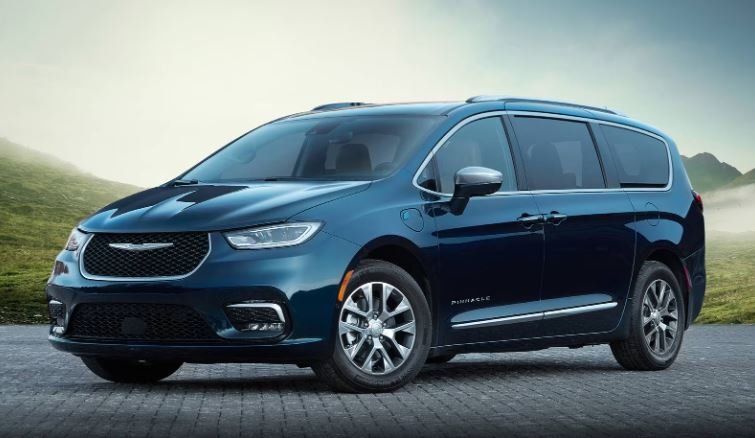
The Chrysler Pacifica Pinnacle redefines luxury in the minivan segment. This top-of-the-line model offers a refined interior with quilted leather seats, a rear-seat entertainment system, and advanced safety features. The Pacifica Pinnacle combines the practicality of a minivan with the luxurious touches expected in premium vehicles, making it a standout choice for families.

3. Chrysler 200C: Compact Luxury

Although discontinued in 2017, the Chrysler 200C remains a testament to the brand’s ability to deliver luxury in a smaller package. The 200C offered high-end features such as a leather-trimmed interior, a premium sound system, and advanced safety technology. It provided a luxurious driving experience in a compact sedan, catering to those who wanted luxury without sacrificing fuel efficiency.

4. Future Luxury Models

Chrysler continues to explore new avenues in luxury vehicle production. As part of Stellantis, Chrysler is expected to introduce new models that push the boundaries of design and technology. The future of Chrysler’s luxury lineup looks promising, with potential innovations that could redefine the luxury driving experience.

Conclusion

Chrysler’s luxury vehicle lineup showcases the brand’s commitment to elegance, comfort, and innovation. From the iconic Chrysler 300 to the versatile Pacifica Pinnacle, Chrysler offers vehicles that cater to discerning drivers. As Chrysler looks to the future, its dedication to luxury remains unwavering.

How to Customize Your Chrysler for Better Performance

Customizing your Chrysler for better performance can turn an already impressive vehicle into a powerhouse on the road. Whether you’re looking to boost horsepower, improve handling, or enhance overall driving experience, there are several key upgrades you can consider. This guide will walk you through the steps to customize your Chrysler for optimal performance.

1. Upgrade the Engine

The heart of any performance vehicle is its engine. Upgrading your Chrysler’s engine can significantly boost power and acceleration. Here are a few popular engine modifications:

  • Cold Air Intake: Installing a cold air intake system allows your engine to breathe better, leading to increased horsepower and torque. It’s a relatively simple upgrade that can make a noticeable difference.
  • Performance Exhaust System: A high-performance exhaust system reduces backpressure and allows for better exhaust flow, which can increase engine efficiency and power output.
  • Superchargers or Turbochargers: For a substantial boost in horsepower, consider adding a supercharger or turbocharger. These forced induction systems compress the air entering the engine, allowing for more fuel to be burned and resulting in significant power gains.

2. Improve the Suspension System

A well-tuned suspension system is crucial for handling and stability, especially if you’ve upgraded your engine. Here’s how you can enhance your Chrysler’s suspension:

  • Performance Shocks and Struts: Upgrading to performance shocks and struts can improve your vehicle’s handling, especially during cornering. This upgrade also helps to reduce body roll and maintain better contact with the road.
  • Lowering Springs: Lowering your Chrysler’s ride height with performance springs can lower the center of gravity, improving handling and reducing aerodynamic drag. It also gives your car a sportier appearance.
  • Sway Bars: Installing stiffer sway bars reduces body roll during sharp turns, providing better control and stability at high speeds.

3. Enhance the Braking System

When you’re increasing speed and power, it’s essential to ensure that your braking system is up to the task. Consider these braking upgrades:

  • Performance Brake Pads and Rotors: Upgrading to high-performance brake pads and rotors can improve stopping power and reduce brake fade, especially during aggressive driving.
  • Big Brake Kit: For maximum braking performance, a big brake kit includes larger calipers and rotors, providing greater stopping power and better heat dissipation.

4. Optimize the Tires and Wheels

Tires and wheels are the only parts of your car that make contact with the road, so they play a critical role in performance:

  • High-Performance Tires: Invest in a set of high-performance tires that offer better grip and traction. This upgrade can significantly improve acceleration, cornering, and braking.
  • Lightweight Wheels: Reducing unsprung weight with lightweight alloy wheels can improve handling and acceleration. Plus, they add a stylish touch to your Chrysler.

5. Fine-Tune the Transmission

Enhancing your transmission can ensure that the power from your engine is effectively transferred to the wheels:

  • Short-Throw Shifter: Installing a short-throw shifter can reduce shift times and provide a more precise and engaging driving experience.
  • Performance Clutch: Upgrading to a performance clutch can handle more power and provide quicker and smoother gear changes, especially if you’ve added significant horsepower.

6. ECU Tuning

Tuning your Chrysler’s Engine Control Unit (ECU) is one of the most effective ways to unlock additional performance:

  • ECU Remapping: Remapping or “chipping” the ECU can optimize engine parameters such as fuel injection, ignition timing, and boost pressure (for turbocharged engines), resulting in increased power and efficiency.
  • Aftermarket ECU: For those seeking ultimate control, an aftermarket ECU allows for custom tuning and adjustment of nearly every aspect of engine performance.

7. Upgrade the Interior for Performance

While performance is often about what’s under the hood, don’t forget about the interior upgrades that can enhance your driving experience:

  • Sport Seats: Replacing your stock seats with sport seats can provide better support during aggressive driving, reducing fatigue and improving comfort.
  • Steering Wheel: A performance steering wheel can offer better grip and feedback, giving you more control over your vehicle.

Conclusion

Customizing your Chrysler for better performance is an exciting way to enhance your driving experience. Whether you’re looking to increase horsepower, improve handling, or simply make your car more enjoyable to drive, the modifications outlined in this guide can help you achieve your goals. Remember to research each upgrade thoroughly and consider consulting with a professional to ensure that your customization project is a success.

The History of Chrysler’s HEMI Engines

Few names in the automotive industry evoke as much excitement and respect as “HEMI.” Chrysler’s HEMI engines have become synonymous with power, performance, and engineering excellence. From their debut in the mid-20th century to their continued presence in modern vehicles, HEMI engines have left an indelible mark on automotive history.

1. The Birth of the HEMI Engine

The story of Chrysler’s HEMI engine begins in the early 1950s when the company sought to develop a powerful engine that could outperform competitors in both racing and consumer vehicles. The solution was the hemispherical combustion chamber design, which became the cornerstone of the HEMI engine’s success.

What is a HEMI?

The term “HEMI” comes from the engine’s hemispherical combustion chambers. Unlike traditional flat-head engines, the HEMI design allows for more efficient combustion, resulting in greater power output and improved performance. The hemispherical shape also accommodates larger valves, which enable better airflow and increased fuel efficiency.

2. The First Generation: FirePower V8 (1951-1958)

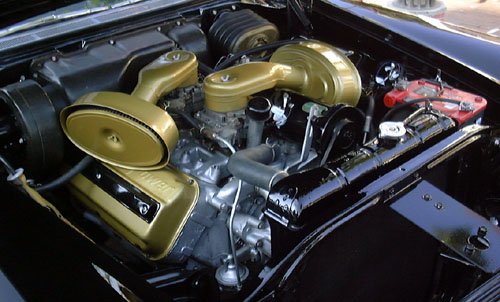
Chrysler introduced its first HEMI engine, the FirePower V8, in 1951. This engine was a 331-cubic-inch V8 that delivered an impressive 180 horsepower, making it one of the most powerful engines of its time. The FirePower V8 was used in various Chrysler models, including the luxurious Chrysler New Yorker and the sporty Chrysler Saratoga.

The FirePower engine’s success in racing further solidified its reputation. In 1953, a Chrysler-powered car won the 24 Hours of Le Mans, demonstrating the HEMI’s capabilities on an international stage.

3. The Muscle Car Era: Second-Generation HEMI (1964-1971)

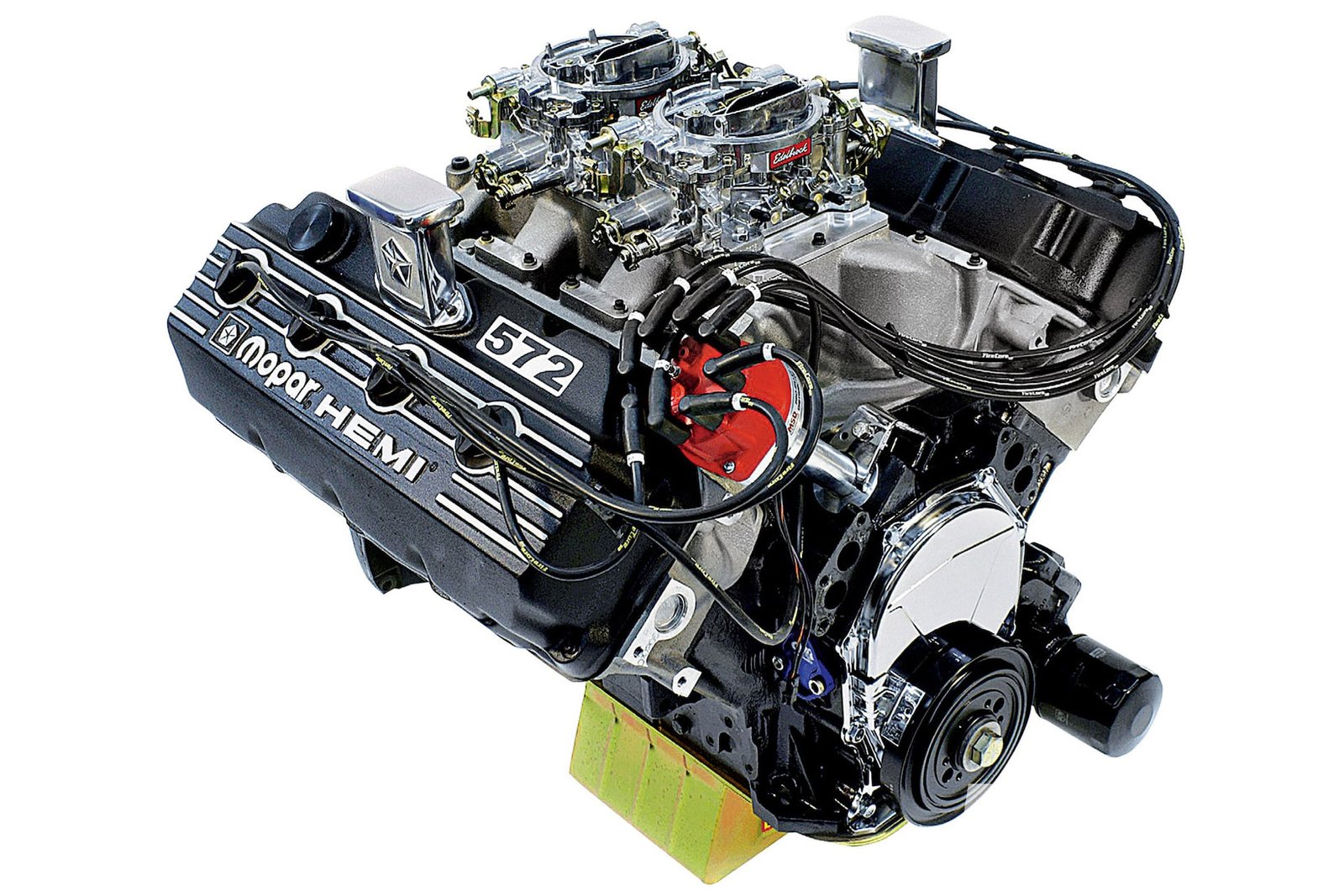
The 1960s saw the rise of the muscle car, and Chrysler’s second-generation HEMI engine played a pivotal role in this era. Introduced in 1964, the 426 HEMI was a 7.0-liter V8 engine that produced an astounding 425 horsepower. This engine quickly earned the nickname “The Elephant” due to its size and power.

The 426 HEMI became legendary in the world of drag racing, dominating the competition and earning Chrysler a reputation for building some of the fastest and most powerful cars on the market. Iconic models like the Dodge Charger, Plymouth Road Runner, and Plymouth Barracuda were all equipped with the 426 HEMI, making them highly sought after by performance enthusiasts.

4. The HEMI Hiatus: 1972-2003

Despite its success, the HEMI engine was discontinued in 1971 due to rising fuel prices, stricter emissions regulations, and changing consumer preferences. For over three decades, the HEMI name was absent from Chrysler’s lineup, but it remained a symbol of automotive excellence and performance.

5. The Return of the HEMI: Third-Generation HEMI (2003-Present)

In 2003, Chrysler revived the HEMI engine, introducing the modern 5.7-liter HEMI V8. This engine was designed to deliver the power and performance that enthusiasts expected while also meeting modern emissions standards and providing improved fuel efficiency.

The third-generation HEMI features advanced technologies such as variable valve timing (VVT) and multi-displacement system (MDS), which allow the engine to switch between eight and four cylinders, depending on driving conditions. This innovation helps to balance performance with fuel economy.

The modern HEMI engine has been used in a wide range of vehicles, from the Dodge Ram trucks to the high-performance Dodge Challenger and Charger Hellcat models, which boast a supercharged 6.2-liter HEMI V8 engine producing over 700 horsepower.

6. The Legacy of the HEMI Engine

Today, the HEMI engine remains a symbol of power, innovation, and American automotive ingenuity. Chrysler’s commitment to refining and evolving the HEMI design over the decades has ensured that it continues to be a force in the automotive world.

Conclusion

The history of Chrysler’s HEMI engines is a testament to the brand’s dedication to performance and innovation. From its origins in the 1950s to its resurgence in the 21st century, the HEMI engine has become an iconic part of automotive history, beloved by car enthusiasts and respected by competitors. As Chrysler continues to embrace new technologies, the HEMI legacy lives on, proving that true engineering excellence never goes out of style.

Chrysler’s Role in the Development of Hybrid Technology

Chrysler has played a significant role in the development of hybrid technology, contributing to the automotive industry’s shift towards more sustainable and fuel-efficient vehicles. While many automakers have embraced hybrid technology as a solution to rising fuel costs and environmental concerns, Chrysler’s approach has been distinctive, focusing on integrating hybrid systems into vehicles that maintain the brand’s commitment to performance, innovation, and practicality. Chrysler’s contributions to hybrid technology reflect its dedication to pioneering advancements that benefit both consumers and the environment.

Chrysler’s Role in the Development of Hybrid Technology

1. Early Exploration of Hybrid Concepts

Chrysler’s involvement with hybrid technology dates back to the late 20th century when the company began exploring alternative powertrains. In 1993, Chrysler unveiled the Dodge Intrepid ESX, a concept vehicle that featured a hybrid-electric powertrain. The Intrepid ESX was part of Chrysler’s participation in the Partnership for a New Generation of Vehicles (PNGV), a government initiative aimed at developing highly fuel-efficient vehicles. Although the Intrepid ESX did not go into mass production, it laid the groundwork for Chrysler’s future hybrid endeavors by demonstrating the potential of hybrid technology to reduce fuel consumption and emissions.

2. The Launch of the Chrysler Aspen Hybrid

In 2008, Chrysler made its first major foray into the hybrid market with the introduction of the Chrysler Aspen Hybrid, the first hybrid SUV to be offered by an American automaker. The Aspen Hybrid featured a two-mode hybrid system, developed in collaboration with General Motors and BMW, that combined a 5.7-liter HEMI V8 engine with electric motors. This system allowed the Aspen Hybrid to deliver strong performance while achieving better fuel efficiency than its non-hybrid counterparts. The launch of the Aspen Hybrid marked a significant milestone for Chrysler, showcasing its ability to integrate hybrid technology into larger, more powerful vehicles without sacrificing performance.

3. Innovation with the Chrysler Pacifica Hybrid

Chrysler’s most notable contribution to hybrid technology came in 2017 with the release of the Chrysler Pacifica Hybrid, the world’s first plug-in hybrid minivan. The Pacifica Hybrid represented a major advancement in hybrid technology, offering a fully electric driving range of 33 miles and an overall range of more than 500 miles. The vehicle’s innovative powertrain, which combines a V6 gasoline engine with dual electric motors, allows it to operate in both electric-only mode and hybrid mode, depending on driving conditions. The Pacifica Hybrid not only delivers exceptional fuel efficiency but also retains the spaciousness and versatility that have made the Pacifica a favorite among families. This model highlights Chrysler’s ability to push the boundaries of hybrid technology while meeting the practical needs of consumers.

4. Commitment to a Sustainable Future

Chrysler’s ongoing commitment to hybrid technology is part of a broader strategy to embrace sustainability and reduce the environmental impact of its vehicles. The success of the Pacifica Hybrid has paved the way for future hybrid and electric models, as Chrysler continues to invest in research and development to enhance the efficiency and performance of its hybrid systems. As part of Stellantis, the global automotive group formed from the merger of Fiat Chrysler Automobiles and PSA Group, Chrysler is poised to expand its hybrid offerings and contribute to the group’s goal of achieving carbon neutrality by 2038. Chrysler’s role in the development of hybrid technology underscores its dedication to innovation and its vision for a more sustainable automotive future.

Conclusion

Chrysler’s role in the development of hybrid technology has been marked by innovation, practicality, and a commitment to sustainability. From early hybrid concepts to the groundbreaking Pacifica Hybrid, Chrysler has demonstrated its ability to integrate advanced technology into vehicles that meet the needs of modern consumers. As the automotive industry continues to evolve, Chrysler remains a key player in the transition to hybrid and electric vehicles, contributing to a greener and more sustainable future.

Troubleshooting Common Chrysler Issues

Troubleshooting common Chrysler issues can seem daunting, but with a little guidance, you can tackle many problems on your own. When you know how to address frequent problems, you can save time and money on repairs. In this article, we’ll cover ways of troubleshooting common Chrysler issues and provide practical tips for resolving them. Understanding these issues will help you keep your Chrysler running smoothly.

Engine Won’t Start

One of the most common Chrysler issues is an engine that won’t start. If your Chrysler isn’t starting, there are several things to check. Sometimes, a dead battery or loose connections can prevent the engine from starting.

Troubleshooting Common Chrysler Issues

Steps to Troubleshoot:

  • Check Battery: Ensure the battery terminals are clean and connected properly.
  • Test Starter Motor: If the battery is fine, the problem might be with the starter motor.
  • Inspect Fuses: Check the fuses related to the ignition system.

Check Engine Light

The check engine light can turn on for various reasons, from minor issues to serious problems. When troubleshooting this common Chrysler issue, start by using an OBD-II scanner to read the trouble codes. These codes can provide clues about what’s wrong.

Steps to Troubleshoot:

  • Read Codes: Use an OBD-II scanner to identify the error codes.
  • Inspect Common Issues: Look for common issues like a loose gas cap or faulty sensors.
  • Seek Professional Help: If the problem isn’t obvious, consult a mechanic.

Transmission Slipping

Transmission slipping is another frequent issue with Chrysler vehicles. You might notice the engine revving higher than normal or difficulty shifting gears.

Steps to Troubleshoot:

  • Check Fluid Levels: Ensure the transmission fluid is at the correct level and in good condition.
  • Inspect for Leaks: Look for any signs of transmission fluid leaks under the vehicle.
  • Consult a Mechanic: If fluid levels are fine, the issue might be internal and require a professional diagnosis.

Overheating Engine

An overheating engine is a serious issue that needs immediate attention. Common causes include a faulty thermostat, a failing water pump, or a leak in the cooling system. Regular maintenance can help prevent this problem.

Steps to Troubleshoot:

  • Check Coolant Levels: Make sure the coolant is at the proper level and not leaking.
  • Inspect the Thermostat: Ensure the thermostat is functioning correctly.
  • Look for Leaks: Check for any leaks in the radiator or hoses.

Brake Issues

If you experience brake issues, such as squeaking or grinding noises, it’s important to address them quickly. Worn brake pads or a problem with the brake system can compromise safety.

Steps to Troubleshoot:

  • Inspect Brake Pads: Check the thickness of the brake pads and replace them if necessary.
  • Check Brake Fluid: Ensure the brake fluid is at the correct level and in good condition.
  • Look for Leaks: Check for any leaks in the brake lines.

Electrical Problems

Electrical problems, such as malfunctioning lights or issues with the dashboard, are common Chrysler issues. Start by checking the fuses and relays that control the electrical components.

Steps to Troubleshoot:

  • Inspect Fuses: Replace any blown fuses related to the electrical system.
  • Check Wiring: Look for any damaged or loose wiring.
  • Test Components: Test the malfunctioning components to see if they need replacing.

AC and Heater Not Working

If your air conditioning (AC) or heater isn’t working, the issue might be with the climate control system. Common problems include a faulty AC compressor or a clogged heater core.

Steps to Troubleshoot:

  • Check Climate Control Settings: Ensure the climate control settings are correct.
  • Inspect Components: Check the AC compressor and heater core for issues.
  • Look for Leaks: Check for any refrigerant or coolant leaks.

Power Window Problems

Power window issues are another common Chrysler problem. If your power windows aren’t working, the issue might be with the window motor or the switch.

Steps to Troubleshoot:

  • Check Fuses: Ensure the fuse for the power windows is not blown.
  • Inspect Switches: Test the window switches to see if they are functioning properly.
  • Check Motors: If switches are working, the problem might be with the window motor.

Suspension Noises

Suspension noises can indicate worn-out components or alignment issues. If you hear clunking or rattling noises while driving, it’s important to address these issues to maintain safe handling.

Steps to Troubleshoot:

  • Inspect Components: Check the struts, shocks, and other suspension components.
  • Look for Wear: Look for signs of wear or damage.
  • Get a Professional Check: Have a mechanic inspect the suspension system if you notice issues.

Fuel Economy Decrease

A sudden decrease in fuel economy can be frustrating. Common causes include a clogged air filter, worn spark plugs, or issues with the fuel system.

Steps to Troubleshoot:

  • Check Air Filter: Replace the air filter if it’s clogged.
  • Inspect Spark Plugs: Ensure the spark plugs are in good condition.
  • Look at the Fuel System: Check for any issues with the fuel injectors or fuel pump.

Noisy Engine

A noisy engine can be a sign of various issues, from loose belts to internal engine problems. Pay attention to the type of noise to help diagnose the problem.

Steps to Troubleshoot:

  • Check Belts: Inspect the belts for wear and tension.
  • Listen for Noises: Identify the type of noise (e.g., knocking or squealing).
  • Consult a Mechanic: If the noise persists, get a professional diagnosis.

Conclusion

Troubleshooting common Chrysler issues involves understanding what to check and how to resolve problems efficiently. From engine problems to electrical issues, knowing how to address these concerns can help you keep your Chrysler in good working condition. Regular maintenance and timely repairs are key to preventing many of these issues from escalating.

Best Maintenance Tips for Chrysler Owners

Owning a Chrysler vehicle is a rewarding experience, thanks to the brand’s reputation for quality, performance, and style. However, like any vehicle, your Chrysler requires regular maintenance to ensure it continues to run smoothly and efficiently. Here are the best maintenance tips for Chrysler owners that will help you keep your vehicle in top condition.

1. Regular Oil Changes

One of the most important maintenance tasks for any vehicle, including Chrysler models, is regular oil changes. The engine oil lubricates vital components, reducing friction and preventing wear. Over time, oil can become dirty and lose its effectiveness, so it’s essential to change it according to your vehicle’s maintenance schedule, typically every 3,000 to 5,000 miles.

2. Check and Maintain Fluid Levels

Fluids are the lifeblood of your Chrysler, ensuring everything from the engine to the brakes operates smoothly. Regularly check the levels of essential fluids, including:

  • Engine oil
  • Transmission fluid
  • Brake fluid
  • Coolant
  • Power steering fluid
  • Windshield washer fluid

Top off or replace these fluids as needed to maintain optimal vehicle performance.

3. Tire Care and Maintenance

Proper tire maintenance is crucial for your safety and the longevity of your Chrysler. Here are some key tire care tips:

  • Check Tire Pressure: Underinflated or overinflated tires can affect your vehicle’s handling and fuel efficiency. Regularly check tire pressure and keep it within the recommended range.
  • Tire Rotation: To ensure even wear, rotate your tires every 6,000 to 8,000 miles.
  • Tread Depth: Check the tread depth to ensure your tires have adequate traction. Replace tires if the tread is worn down to 2/32 of an inch.

4. Brake System Maintenance

Your Chrysler’s brakes are one of the most critical safety components. Regularly inspect the brake pads, rotors, and brake fluid. If you hear squeaking or grinding noises, or if your vehicle takes longer to stop, it may be time to replace the brake pads or have the brake system checked by a professional.

5. Battery Care

A well-maintained battery ensures your Chrysler starts reliably every time. Inspect the battery terminals for corrosion and clean them if necessary. If your battery is more than three years old, have it tested annually to ensure it’s holding a charge.

6. Air Filter Replacement

Your Chrysler’s air filter prevents dust, dirt, and debris from entering the engine. A dirty air filter can reduce engine performance and fuel efficiency. Check the air filter every 12,000 to 15,000 miles and replace it if it appears dirty or clogged.

7. Inspect Belts and Hoses

Belts and hoses are vital for your Chrysler’s engine operation, and they can wear out over time. Regularly inspect them for signs of cracks, fraying, or leaks. Replace any damaged belts or hoses to prevent breakdowns and costly repairs.

8. Keep Your Chrysler Clean

Regular cleaning is more than just aesthetics; it’s part of maintaining your Chrysler. Wash your vehicle regularly to remove dirt, salt, and other debris that can cause rust or paint damage. Don’t forget to clean the undercarriage, especially if you live in an area with harsh winters. Additionally, apply wax to protect the paint and keep your Chrysler looking its best.

9. Follow the Manufacturer’s Maintenance Schedule

Every Chrysler model comes with a manufacturer’s recommended maintenance schedule. This schedule outlines the specific services your vehicle needs at different mileage intervals. Following this schedule is crucial for keeping your Chrysler in peak condition and can help prevent costly repairs down the road.

10. Pay Attention to Warning Signs

Your Chrysler is equipped with advanced technology to monitor its systems and alert you to potential issues. Pay attention to warning lights on your dashboard and address any issues promptly. Ignoring warning signs can lead to more severe problems and expensive repairs.

Conclusion

By following these maintenance tips, Chrysler owners can ensure their vehicles remain reliable, safe, and efficient for years to come. Regular upkeep not only preserves the value of your Chrysler but also enhances your driving experience. Whether it’s a routine oil change or an inspection of critical components, staying proactive with maintenance will keep your Chrysler running smoothly.

Welcome to MoparSearch: Your Ultimate Mopar Hub!

Are you a true Mopar enthusiast? MoparSearch is your premier online destination, a central hub where you easily connect with everything Mopar. We built this website specifically for you, the dedicated Mopar owner, mechanic, and fan. Therefore, we provide powerful search tools, rich information, and a vibrant community. Quickly find what you need and join fellow Mopar lovers.

We understand your passion for these iconic American vehicles. Consequently, our mission is simple: we empower you with knowledge and resources. So, whether you're restoring a classic muscle car, maintaining your daily driver, or simply exploring the rich history of Mopar, MoparSearch gives you the tools. Discover the Mopar world like never before!

Explore the Mopar Universe

We celebrate this heritage by providing comprehensive resources. Therefore, you can find everything from detailed specifications to hard-to-locate parts right here. Our site organizes information logically, ensuring a smooth and productive search experience.

Car Engine

Your Mopar vehicle's engine is truly its heart. Thus, understanding and maintaining it becomes crucial. At MoparSearch, we provide extensive resources for all Mopar engines. Initially, discover comprehensive guides for popular engines below.

  • The legendary HEMI
  • The robust Slant-6
  • The powerful Magnum series

Engine Specifications and Troubleshooting

You'll find articles on engine specifications, including:

  • Displacement
  • Horsepower
  • Torque figures

Additionally, we provide in-depth breakdowns of different engine generations. This helps you identify the correct engine for your specific model and year. We also offer advice on common engine problems and effective troubleshooting methods.

Performance Upgrades and Maintenance

Moreover, we delve into performance upgrades. Many Mopar owners want more power from their machines. Consequently, we feature articles and guides on engine modifications. These include:

  • Camshaft upgrades
  • Cylinder head porting
  • Forced induction options (e.g., superchargers, turbochargers)

We explain the benefits and challenges of each modification, helping you choose the right path for your performance goals. This is different from the chance involved in games like JoKaRoom online roulette. In addition, you'll find detailed step-by-step instructions for various engine maintenance tasks, such as:

  • Oil changes
  • Spark plug replacements
  • Timing belt adjustments

Engine History and Legacy

Beyond technical details, we also explore the historical significance of Mopar engines. Learn about the iconic Big Block engines that powered classic muscle cars, or understand the evolution of the Small Block designs. We share stories of these incredible powerplants and their impact on automotive history. Dive into:

  • The origins of the HEMI name and its racing dominance
  • The simplicity and reliability of the Slant-6
  • The transition from carburetion to fuel injection
  • The development of modern variable valve timing systems
  • Key engineers and designers who shaped Mopar powertrains
  • Racing victories and notable Mopar-powered vehicles

Therefore, MoparSearch becomes your go-to source for everything related to Mopar engines, combining technical depth with rich historical context.

Car Parts

MoparSearch simplifies the process of finding the right parts for your vehicle. You can easily search for:

  • Original equipment manufacturer (OEM) parts
  • Aftermarket components
  • Rare or discontinued items

Our comprehensive database connects you with suppliers and fellow enthusiasts who might have what you need.

Organized Part Categories

First, explore our parts categories. These include sections for:

  • Drivetrain components: Transmissions, differentials, axles
  • Body and exterior parts: Fenders, hoods, grilles, trim pieces
  • Interior components: Seats, dashboards, door panels
  • Electrical systems
  • Braking components
  • Suspension parts

This organized structure ensures you quickly locate the specific part you seek.

Part Details and Verification

Moreover, each part listing provides crucial details. You'll often see:

  • Part numbers
  • Compatibility information
  • Diagrams

We provide tips for identifying genuine Mopar parts and avoiding counterfeits. Knowing these details saves you time and money.

Community Parts Exchange

Furthermore, our community features a "Parts Wanted" and "Parts for Sale" section. Here, you can connect directly with other Mopar enthusiasts. Perhaps someone in our community has that elusive fender you need, or you might find a buyer for your spare transmission. This direct connection fosters a strong, supportive Mopar community. Therefore, MoparSearch empowers you to find every piece your Mopar needs, easily and efficiently.

Chrysler

MoparSearch offers extensive resources for all Chrysler models. Discover detailed histories, specifications, and repair guides for your favorite Chrysler cars.

Classic Chrysler Heritage

Initially, delve into the heritage of classic Chrysler models. We feature information on iconic cars like:

  • The Imperial
  • The 300 Letter Series
  • The early New Yorkers

Learn about their design philosophies, engine options, and cultural impact. This helps you understand the rich lineage of your Chrysler vehicle. Furthermore, we provide detailed maintenance schedules and common repair procedures for these vintage models. Thus, you preserve their beauty and functionality for years to come.

Modern Chrysler Models and Maintenance

Moving into more modern eras, our Chrysler section covers popular vehicles like the:

  • Chrysler 300
  • Pacifica
  • Town & Country

You'll find specific articles on their unique features, engine choices, and available trim levels. We also offer practical advice on:

  • Everyday maintenance
  • Common issues
  • Recommended service intervals

Therefore, you keep your modern Chrysler running optimally.

Technological Innovations and Buyer's Guides

Moreover, we explore Chrysler's technological innovations. Learn about their pioneering work in areas like:

  • Automatic transmissions
  • Power steering
  • Fuel injection systems

Our Chrysler section includes buyer's guides. If you're considering purchasing a used Chrysler, these guides offer valuable insights. We cover:

  • What to look for
  • Common pitfalls to avoid
  • How to assess a vehicle's condition

This is a different kind of decision-making than one might find when playing a game like baccarat online. Thus, you make smart purchasing decisions. MoparSearch truly celebrates the enduring legacy of Chrysler, providing a comprehensive resource for all its models.

Dodge Truck

On MoparSearch, we dedicate an entire section to these legendary vehicles. Explore the evolution of Dodge trucks, find detailed specifications, and access essential maintenance information.

History and Model Information

First, discover the rich history of Dodge trucks. We feature comprehensive timelines, showcasing models like the:

  • Early Power Wagons
  • D-Series pickups
  • Iconic Ram trucks

Learn about their design innovations, engine options, and their pivotal role in various industries. This helps you appreciate the strong foundation of your Dodge truck.

Furthermore, we provide in-depth information on specific Dodge truck models. Whether you own a classic D-100, a second-generation Ram 2500, or a modern Ram 1500, you'll find relevant content. We cover:

  • Engine variations
  • Transmission types
  • Axle configurations

Additionally, we detail common maintenance tasks unique to trucks, such as:

  • Towing capacities
  • Payload ratings
  • Four-wheel-drive system care

Therefore, you maximize your truck's utility and longevity.

Performance Modifications and Accessories

Moreover, many Dodge truck owners love to customize and upgrade their vehicles. Consequently, our section includes articles on performance modifications. You'll find guides on:

  • Suspension lifts
  • Larger tire fitment
  • Exhaust system upgrades
  • Diesel engine tuning

In addition, we offer advice on truck accessories, from:

  • Bed liners and tonneau covers
  • Winches and off-road lighting

For other types of online play, you can find information on online slots on this page. Thus, you effectively personalize your Dodge truck for work or play.

Troubleshooting and Practical Advice

Our Dodge Truck section also addresses common issues and troubleshooting tips. Learn how to identify and resolve problems related to:

  • Towing
  • Heavy hauling
  • Off-road driving

This practical advice keeps you prepared for any challenge. Consequently, MoparSearch becomes your essential resource for all things Dodge Truck, empowering you to conquer any road or trail.

Jeep

At MoparSearch, we passionately support your Jeep adventures. Discover extensive resources for all Jeep models, from the original Willys to the latest Wrangler and Grand Cherokee.

Legendary Origins and Model Guides

Initially, explore the legendary origins of Jeep. We delve into the history of the Willys MB, its vital role in wartime, and its transition to civilian life. Learn how Jeep built its reputation for ruggedness and reliability from the very beginning.

Furthermore, our Jeep section offers detailed information on popular models. Whether you drive a classic CJ, a Cherokee XJ, a Grand Cherokee WJ, or a modern Gladiator, you'll find dedicated content. We cover:

  • Engine options
  • Transmission types
  • Transfer case specifics

Additionally, we provide comprehensive guides on various four-wheel-drive systems, explaining how each system works and its optimal use in different conditions. Thus, you fully understand your Jeep's capabilities.

Off-Road Modifications and Trail Preparation

Our site features extensive articles on:

  • Lifts
  • Larger tires
  • Differential lockers
  • Armor upgrades

We provide practical advice on selecting the right modifications for your intended use, whether it's rock crawling, overlanding, or simply improving street presence. This careful planning is different from the spontaneity of some online games, such as the ones you can learn about on the site officiel de lariviera casino. We also offer guidance on preparing your Jeep for challenging trails, including:

  • Recovery gear essentials
  • Basic off-road driving techniques

This helps you safely and effectively explore new paths.

Off-Road Maintenance

Our Jeep section also includes maintenance tips specific to off-road vehicles. Learn how to:

  • Inspect your suspension
  • Check fluid levels after water crossings
  • Service your axles

This preventative maintenance ensures your Jeep remains trail-ready. Consequently, MoparSearch is your ultimate companion for all Jeep enthusiasts, helping you unlock your vehicle's full potential and embark on unforgettable adventures.

Beyond the Basics

We know you love more than just Mopar engines and car parts. That's why MoparSearch gives you much more than the basics. We want to support your Mopar journey in every way. Whether you're a car owner, a hobbyist, or a collector, we offer content that goes far beyond tools and repairs.

We Add New Topics Often

We always look for new things to share. Each week, we update the site with fresh ideas, new guides, and exciting stories. For example, you can find:

  • Real-life stories from Mopar owners across the country
  • Behind-the-scenes tours of Mopar garages and workshops
  • Tips for selling or buying classic Mopars
  • Event coverage from car shows, meetups, and drag races

We never stop adding value. Every time you visit, you can find something interesting, useful, or fun.

We Support Mopar Fans

You are not alone. Thousands of people love Mopar just like you. So, we provide resources to help you connect with others. Our community focuses on Mopar, a different interest from online gaming, where, for instance, in Canada, people might look for information on ca crazyvegas online craps. For example:

  • Read our blog posts for updates and tips
  • Follow our social media pages to see what other Mopar fans are doing
  • Read our interviews with Mopar collectors, mechanics, and racers

These connections help you feel part of something bigger. Together, we build a strong Mopar family.

We Explore Mopar History

Many Mopar lovers enjoy learning about the past. That's why we share stories about:

  • The early days of Chrysler, Dodge, and Plymouth
  • Famous engines and muscle cars from the 1960s and 70s
  • Old ads, brochures, and factory documents
  • Design changes through the years
  • The evolution of Mopar trucks and Jeeps

We explain everything in simple words. We also include pictures, videos, and timelines. This way, you can enjoy learning even if you are just starting.

We Talk About Mopar in Daily Life

Mopar is not just about race cars or show cars. Many people drive their Mopars every day. So, we talk about things that matter to real drivers:

  • How to keep your car in top shape during cold or hot weather
  • How to get the best fuel mileage
  • What insurance options work best for Mopar models
  • How to protect your car from rust, theft, or wear and tear
  • Where to find good mechanics if you can't fix it yourself

We make sure our advice is clear, honest, and helpful for all drivers.

We Help You Grow Your Knowledge

You don't need to be an expert. We explain:

  • What do different car terms mean
  • How a part works inside your engine or suspension
  • Why do certain upgrades give better results?
  • Which tools are safe and easy to use at home

We want you to feel smarter and more confident every time you work on your vehicle.

We Care About the Future

Mopar is also moving forward. New models use electric power, hybrid systems, and high-tech features. We stay up to date and share what's coming next. You'll read about:

  • Electric Dodge Chargers and what to expect
  • Updates in Jeep technology for off-road fun
  • New laws or rules about car emissions and safety
  • Factory news and upcoming Mopar events

This helps you stay informed and ready for tomorrow's Mopar world.

Tech Tips and How-To Guides

We believe you can fix and improve your Mopar vehicle if you have the right help. That's why we created simple and clear guides for you. Our Tech Tips and How-To Guides show you how to take care of your car step by step. We keep things easy to follow, even if you are just starting. These tips save you time, save you money, and help you feel proud of your skills.

Learn Common Repairs for Mopar Models

Every car has issues over time, but some are more common in certain models. We help you spot and fix the most frequent problems in Chrysler, Dodge, Jeep, and Ram vehicles. For example:

  • Is your Dodge not starting? We'll help you check the battery and ignition.
  • Does your Jeep make a strange noise? We'll show you how to inspect the brakes and suspension.

We give you simple instructions, the tools you need, and photos that guide you.

Keep Your Car Healthy with Preventive Maintenance

It's much better to stop a problem before it happens. That's why we give you easy maintenance checklists. Learn how to:

  • Change your oil at the right time
  • Replace old air filters
  • Check fluid levels (brake, coolant, transmission)
  • Inspect tires for wear
  • Clean battery terminals

By following our tips, you avoid big repair bills and keep your ride smooth and safe.

Easy DIY Projects for Beginners and Experts

You don't need to be a pro to work on your car. With our how-to guides, you can do many repairs and upgrades at home. Start with small jobs and move to bigger ones as you grow in confidence. Our top DIY projects include:

  • Changing the engine oil and filter
  • Swapping old spark plugs
  • Installing new headlights or tail lights
  • Replacing brake pads
  • Changing your car's serpentine belt
  • Doing a full fluid flush

We explain each step in plain English. We also list the tools and parts you need so you can plan.

Fix Electrical Problems with Easy Diagrams

Car electronics can be confusing, but we make them easier. If your lights don't work or your car won't start, it may be a wiring issue. Our guides show you:

  • How to check fuses and relays
  • What to do if the power windows stop working
  • How to fix battery drains
  • Where to find ground wires
  • How to use a multimeter for testing We even provide simple wiring diagrams so you can trace the problem and fix it without stress.

Restore Classic Mopars with Care

Do you love classic cars like the Dodge Charger or Plymouth Barracuda? Our restoration tips help you bring them back to life. To explore different online entertainment options in New Zealand, you can Read more. We guide you in:

  • Removing rust and repainting body panels
  • Fixing torn seats and dashboards
  • Finding original trim parts and chrome
  • Rebuilding old engines and transmissions
  • Restoring gauges and wiring in the dashboard

Whether you're fixing a barn find or touching up a show car, we have tips for every step. You'll turn old metal into shining beauty again.

Learn the Basics of Performance Tuning

Do you want more power from your engine? Or better sound from your exhaust? We explain basic performance upgrades in simple ways. For those interested in exploring different online games, you can explore now to learn about baccarat. You'll learn:

  • What a cold air intake does
  • How to upgrade your exhaust system
  • The purpose of performance chips and tuners
  • Why dyno tuning improves horsepower
  • How to boost torque for towing or racing

We show you how to safely upgrade without damaging your car. Start small, test often, and enjoy the results.

Always Stay Up to Date

We don't just post guides and forget them. Our Mopar experts and mechanic contributors check and update them often. As new models come out or parts change, we add fresh info to keep everything correct.

Conclusion

We built MoparSearch as a dynamic, evolving platform for Mopar lovers. We continuously add new content, expand our databases, and enhance our features. Ultimately, your involvement makes this community thrive.

Start your Mopar journey with us now!