
The Future of Car Engines: Hybrid and Electric Innovations

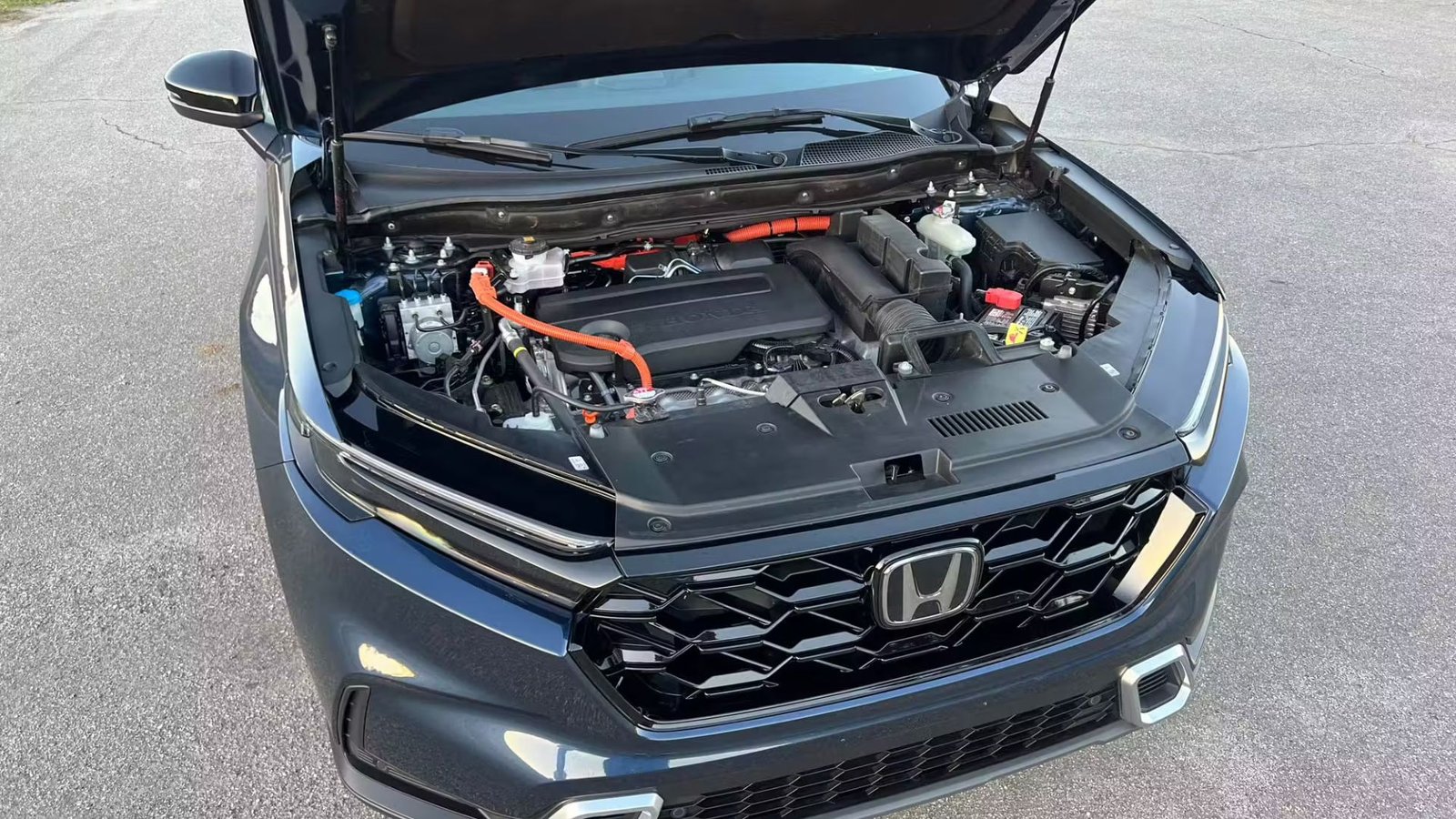
The future of car engines lies in hybrid and electric innovations, as they promise to revolutionize the automotive industry. With a growing focus on sustainability and reducing carbon emissions, manufacturers are rapidly shifting away from traditional internal combustion engines (ICE) toward hybrid and electric powertrains. These innovations not only offer a more eco-friendly alternative but also present significant advancements in performance and efficiency. Understanding the potential of hybrid and electric engines is crucial as they will dominate the future of transportation.

The Rise of Hybrid Engines

Hybrid and electric innovations have become more prevalent as consumers demand fuel efficiency and environmental responsibility. These typeof engines which combine an internal combustion engine with an electric motor, are a key step toward fully electric vehicles. Hybrid cars have gained popularity for their ability to reduce fuel consumption without sacrificing performance, making them an attractive choice for drivers who want a balance between traditional and electric power.

  • Efficiency and Flexibility: Hybrid engines allow cars to operate on both gasoline and electric power. This system provides flexibility, especially in regions where charging infrastructure for electric vehicles is still developing. By switching between power sources, hybrid engines offer improved fuel economy, especially during city driving where electric motors are more efficient.
  • Regenerative Braking: One of the most notable features of hybrid engines is regenerative braking, which recovers energy typically lost during braking and stores it in the battery. This innovation increases the overall efficiency of the vehicle and reduces the need for frequent battery recharges, providing drivers with a more seamless experience.

Electric Innovations Driving the Future

As manufacturers continue to explore hybrid and electric innovations, fully electric vehicles (EVs) have become the centerpiece of this technological shift. Electric vehicles use battery-powered electric motors to replace internal combustion engines, offering a cleaner and quieter alternative. EVs are set to become the dominant force in the automotive industry, with advancements in battery technology and charging infrastructure leading the way.

  • Zero Emissions: The biggest advantage of electric vehicles is that they produce zero emissions, making them a vital solution for reducing the environmental impact of transportation. Unlike traditional engines, EVs do not burn fossil fuels, which drastically reduces greenhouse gas emissions and air pollution.
  • Enhanced Performance: Electric motors provide instant torque, resulting in faster acceleration and a smoother driving experience compared to internal combustion engines. With fewer moving parts, EVs also require less maintenance, which translates to lower long-term costs for owners.
  • Battery Technology Advancements: Battery technology plays a critical role in the future of EVs. Recent developments in lithium-ion batteries have increased driving range and reduced charging times, making electric cars more practical for everyday use. Manufacturers are also exploring solid-state batteries, which promise even greater energy density and faster charging capabilities, further enhancing the appeal of electric vehicles.

The Role of Automakers in the Shift

The transition to hybrid and electric innovations is being driven by major automakers worldwide. Companies like Tesla, Toyota, and General Motors are leading the charge by investing heavily in research and development to produce cutting-edge hybrid and electric vehicles. Governments are also playing a role by implementing stricter emission regulations and offering incentives to encourage the adoption of eco-friendly vehicles.

  • Tesla’s Impact: Tesla has been at the forefront of electric vehicle innovation, pushing the boundaries of what EVs can achieve. With impressive driving ranges, fast-charging networks, and advanced autonomous driving features, Tesla has set the standard for the future of electric mobility.
  • Traditional Automakers Adapting: Established automakers such as Toyota and General Motors are also embracing the future of car engines. Toyota, a pioneer of hybrid technology with the Prius, continues to develop more efficient hybrids, while General Motors has committed to an all-electric future with plans to phase out gasoline-powered vehicles by 2035.

Conclusion

The future of car engines is undoubtedly shaped by hybrid and electric innovations, which are transforming the way we think about transportation. As automakers continue to improve hybrid technology and electric vehicle capabilities, we can expect to see cleaner, more efficient, and high-performing cars on the road. With advancements in battery technology, performance, and charging infrastructure, hybrid and electric vehicles are set to lead the future of the automotive industry. Embracing these innovations not only benefits the environment but also enhances the overall driving experience for consumers.
Best Engine Oils for Long-Lasting Performance

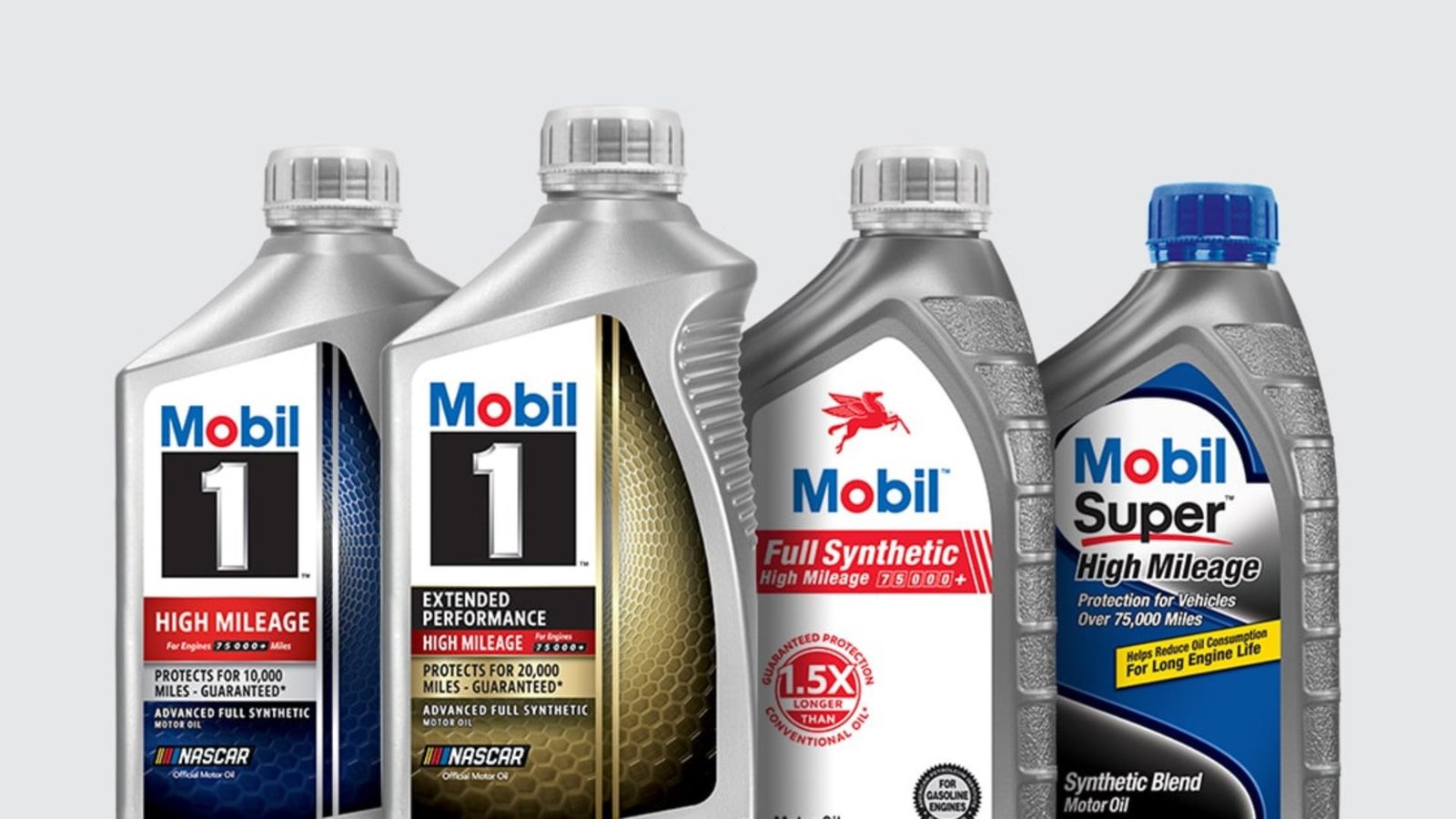
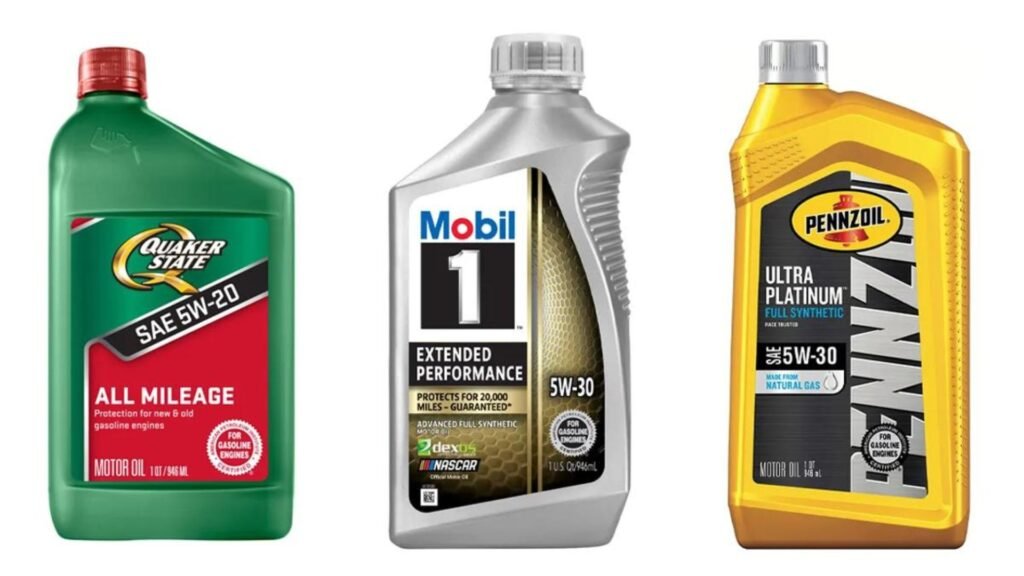
Choosing the right engine oil is crucial for maintaining your vehicle’s performance and longevity. When it comes to engine oils for long-lasting performance, the right choice can enhance engine efficiency, reduce wear and tear, and improve fuel economy. Here’s a guide to help you select the best engine oils for long-lasting performance for your vehicle.

1. Synthetic Oils

Synthetic oils are often the top choice for engine longevity. They are designed to offer superior performance compared to conventional oils. Synthetic oils provide better protection against high temperatures and extreme cold, and they help in reducing engine sludge. They also offer improved lubrication, which can enhance engine efficiency and extend its lifespan.

Engine Oils for Long-Lasting Performance

2. Full Synthetic Oil

Full synthetic oil is a type of synthetic oil that is formulated with a blend of chemical compounds to offer high performance and protection. It provides excellent high-temperature stability and is less likely to break down under stress. For long-lasting performance, full synthetic oil is highly recommended due to its ability to keep engines cleaner and running smoother over extended periods.

3. Synthetic Blend Oil

Synthetic blend oil is a mix of synthetic and conventional oils. It provides many benefits of synthetic oils, such as better performance and protection, while being more affordable. Synthetic blend oils are a good option if you want enhanced protection without the cost of full synthetic oils. They are ideal for drivers who need reliable performance under varying driving conditions.

4. High Mileage Oil

If your car has over 75,000 miles, high mileage oil might be the best choice for maintaining its engine. High mileage oils contain additives that help to reduce oil consumption, minimize leaks, and protect against engine wear. They are specially formulated to address the needs of older engines, ensuring continued performance and durability.

5. Conventional Oil

Conventional oil is derived from crude oil and has been used for many years. While it’s not as advanced as synthetic or high mileage oils, it can still provide reliable performance for engines that don’t require the extra protection. Conventional oil is often less expensive and suitable for vehicles with simpler engine requirements.

6. Extended Performance Oil

Extended performance oil is designed to last longer between oil changes. It offers enhanced protection and can often extend the time between oil changes to 10,000 miles or more. This type of oil is ideal for drivers who want to reduce maintenance intervals without compromising on engine care.

7. Diesel Engine Oil

It includes additives that help in managing soot and other byproducts of diesel combustion. Diesel engine oils are essential for maintaining the performance and longevity of diesel-powered vehicles.

8. Low Viscosity Oil

type of oil provides better protection during cold starts and is beneficial for engines that operate in very cold climates. It helps in maintaining proper lubrication and reducing engine wear.

9. Racing Oil

For performance vehicles or racing applications, racing oil is engineered to withstand extreme conditions. It offers high protection and stability under high temperatures and stress. Racing oils are ideal for vehicles that undergo heavy-duty driving or racing but may not be necessary for everyday vehicles.

10. Additives

Additives can include detergents, dispersants, and anti-wear agents that help maintain engine cleanliness, reducing friction, and preventing wear. Choosing an oil with the right additives can improve engine efficiency and longevity.

11. API Certification

When selecting engine oil, look for API certification on the label. The American Petroleum Institute (API) certifies oils that meet specific performance standards. Choosing API-certified oils ensures that the oil meets industry standards for quality and performance.

12. Brand Reputation

Brand reputation can be an indicator of oil quality. Reputable brands often invest in research and development to produce high-quality engine oils.

13. Oil Change Frequency

Regardless of the type of oil you choose, regular oil changes are essential for maintaining engine performance. Follow your vehicle’s manufacturer recommendations for oil change intervals to ensure optimal engine care and performance.

14. Environmental Considerations

If you’re concerned about the environment, eco-friendly oils are available. They offer similar performance benefits as conventional oils while being more environmentally responsible.

15. Consult Your Owner’s Manual

Always consult your owner’s manual when choosing engine oil. Following these guidelines ensures that you select the most appropriate oil for your engine’s needs.

Conclusion

Choosing the right engine oils for long-lasting performance involves understanding your vehicle’s requirements and considering various factors like oil type, viscosity, and additives. Whether you opt for synthetic, high mileage, or conventional oil, the key is to select an oil that meets your engine’s needs and adhere to regular maintenance schedules. By making an informed choice, you can ensure that your engine remains in excellent condition and performs reliably over the long term.

How to Choose the Right Engine Oil for Your Vehicle

How to choose the right engine oil for your vehicle is a common question among car owners. Selecting the proper engine oil ensures that your vehicle performs optimally while protecting the engine from wear and tear. With so many options on the market, choosing the right oil may seem overwhelming. However, by understanding key factors like oil types, viscosity grades, and manufacturer recommendations, you can make an informed decision that will keep your engine running smoothly.

How to Choose the Right Engine Oil for Your Vehicle

Understanding Oil Types

The first step in how to choose the right engine oil for your vehicle is knowing the different types of oil available. Engine oils typically fall into three main categories: conventional, synthetic, and synthetic blend. Each has unique properties that cater to specific vehicle needs.

  • Conventional Oil: Conventional oil is the most basic type of motor oil, made from crude oil. It is suitable for older vehicles or cars that operate under standard conditions. Although it is less expensive, conventional oil tends to break down faster and requires more frequent changes.
  • Synthetic Oil: Synthetic oil is chemically engineered to provide superior performance in extreme temperatures and conditions. It lasts longer and offers better protection for high-performance engines, making it ideal for modern cars and trucks. While it may be more expensive, synthetic oil reduces engine wear, improves fuel efficiency, and extends the time between oil changes.
  • Synthetic Blend Oil: As the name suggests, synthetic blend oil combines elements of both synthetic and conventional oils. This oil provides better performance than conventional oil but at a lower cost than full synthetic. It is perfect for drivers who want better protection without paying the premium price of synthetic oil.

Viscosity Grades: What They Mean

Another important factor in how to choose the right engine oil for your vehicle is understanding viscosity grades. Viscosity refers to how easily the oil flows at different temperatures. The Society of Automotive Engineers (SAE) has developed a numerical system to rate oil viscosity, and these numbers appear on the oil bottle (e.g., 5W-30, 10W-40).

  • What the Numbers Mean: The first number followed by “W” (for winter) indicates how well the oil flows in cold temperatures. Lower numbers mean the oil flows more easily in cold conditions, which is important for starting your engine in the winter. The second number indicates how well the oil flows at high operating temperatures. Higher numbers provide better protection when the engine is hot.
  • Choosing the Right Grade: It’s essential to use the oil viscosity recommended by your vehicle manufacturer, which is usually found in your owner’s manual. Choosing the wrong viscosity can lead to poor engine performance, reduced fuel efficiency, and increased wear on engine components.

Following Manufacturer Recommendations

How to choose the right engine oil for your vehicle becomes much easier when you follow your vehicle manufacturer’s guidelines. The manufacturer designs the engine with specific performance characteristics in mind, so they will recommend the best oil type and viscosity for optimal performance.

  • Checking the Owner’s Manual: Always refer to your owner’s manual to determine the exact oil specifications required for your vehicle. The manual will tell you the recommended viscosity grade, oil type, and any certifications to look for, such as API (American Petroleum Institute) or ILSAC (International Lubricants Standardization and Approval Committee).
  • Consider Driving Conditions: If you frequently drive in extreme temperatures, tow heavy loads, or take your vehicle off-road, you may need to adjust your oil choice. Synthetic oil is often the better option for vehicles that undergo high stress or operate in harsh conditions.

Additional Factors to Consider

While oil type, viscosity, and manufacturer recommendations are the most critical factors, several additional considerations can help you make the best decision for how to choose the right engine oil for your vehicle.

  • High-Mileage Oil: If your vehicle has over 75,000 miles, consider using high-mileage oil. This type of oil is designed with additives that help reduce oil consumption, minimize leaks, and prevent sludge buildup, which are common issues in older engines.
  • Oil Additives: Some oils come with additives that can improve engine performance. For example, detergents in oil help keep the engine clean by preventing sludge, while anti-wear agents reduce friction between moving parts. Make sure to choose an oil with additives that suit your vehicle’s specific needs.

Conclusion

How to choose the right engine oil for your vehicle is a crucial aspect of vehicle maintenance. By understanding the different oil types, selecting the proper viscosity grade, and following manufacturer recommendations, you can ensure that your engine remains in peak condition. Regularly changing your oil with the correct type not only enhances engine performance but also extends the life of your vehicle. With so many options available, making the right choice will protect your engine and save you money on repairs in the long run.

Understanding Engine Performance Metrics

Understanding engine performance metrics is crucial for anyone interested in vehicles, as these metrics define how well an engine operates. Whether you’re a car enthusiast or just someone trying to make informed decisions, knowing how to interpret engine performance data is essential. Metrics such as horsepower, torque, and fuel efficiency give insights into how powerful, responsive, and economical a vehicle is.

Understanding Engine Performance Metrics

Horsepower: The Measure of Power

Understanding engine performance metrics begins with horsepower, which is perhaps the most well-known metric for measuring an engine’s output. Horsepower refers to the rate at which an engine performs work, meaning how fast it can convert fuel into power.

  • Horsepower Explained: Horsepower measures how much power the engine can produce over a period of time. Higher horsepower means the vehicle can accelerate faster and reach higher top speeds. Cars designed for speed, such as sports cars or performance sedans, often have engines with significant horsepower ratings.
  • Why Horsepower Matters: The more horsepower a vehicle has, the more energy it can generate to perform tasks such as towing or climbing steep hills. While high horsepower is great for speed and performance, it usually comes at the expense of fuel efficiency.

Understanding engine performance metrics requires analyzing multiple data points from reliable sources. While monitoring torque curves and horsepower outputs, we’ve found specialized tools provide the most accurate measurements.

Advanced diagnostic platforms like those discussed at Mopar Search help technicians interpret complex engine data. For comprehensive performance analysis, many professionals cross-reference their findings with established industry benchmarks.

Interestingly, the precision engineering behind performance tracking shares similarities with systems used by platforms like Jokaviproom Official, where real-time data accuracy remains equally critical.

Proper metric interpretation ultimately separates adequate diagnostics from truly exceptional engine performance insights.

Torque: The Measure of Pulling Power

Another critical factor in understanding engine performance metrics is torque. Torque measures the engine’s ability to perform work in terms of rotational force, which is particularly important for towing and hauling.

  • Torque Explained: Torque is the force the engine generates to turn the wheels, often felt when you first press the gas pedal. Vehicles with high torque, such as trucks and off-road vehicles, are capable of towing heavy loads and climbing steep inclines with ease.
  • Why Torque Matters: High torque values mean more pulling power, which is crucial for heavy-duty tasks like towing trailers or carrying large payloads. It also affects acceleration, especially at low speeds. Unlike horsepower, torque is more about work at lower speeds, making it vital for off-road and utility vehicles.

Fuel Efficiency: How Far You Can Go

Understanding engine performance metrics also involves looking at fuel efficiency. This metric determines how much fuel the engine consumes relative to the distance traveled, usually measured in miles per gallon (MPG).

  • Fuel Efficiency Explained: Fuel efficiency measures how well an engine converts fuel into usable energy for movement. An efficient engine will get more miles per gallon, meaning less frequent refueling. Fuel efficiency is crucial for those who prioritize saving money at the pump or driving long distances on a single tank.
  • Why Fuel Efficiency Matters: In today’s world of high fuel costs and environmental concerns, an efficient engine is important for reducing both fuel expenses and carbon emissions. Manufacturers strive to build engines that balance power and efficiency, especially in hybrid and electric vehicles.

RPM and Redline: How Fast the Engine Turns

When understanding engine performance metrics, revolutions per minute (RPM) and redline are also important. RPM refers to the speed at which the engine’s crankshaft rotates, while redline marks the upper limit of safe RPM operation.

  • RPM Explained: RPM measures how many times the engine’s crankshaft completes a full rotation each minute. Lower RPM levels are associated with better fuel efficiency, while higher RPMs are linked to increased power output but more strain on the engine.
  • Why RPM and Redline Matter: Pushing the engine beyond its redline can cause significant damage due to the excessive heat and wear produced. Knowing when to shift gears to maintain optimal RPM levels helps in balancing performance and engine longevity.

Compression Ratio: Power and Efficiency Balance

Understanding engine performance metrics also means knowing the engine’s compression ratio, which measures how much the engine compresses the air-fuel mixture before ignition.

  • Compression Ratio Explained: Higher compression ratios typically result in more power because the fuel is burned more efficiently. However, engines with higher compression ratios may require premium fuel to avoid knocking.
  • Why Compression Ratio Matters: The compression ratio directly affects an engine’s power and efficiency. High-performance engines usually have higher compression ratios, leading to better power output, while lower ratios are more focused on reliability and everyday use.

Conclusion

Understanding engine performance metrics is key to making the best decisions when it comes to vehicle selection and maintenance. Metrics like horsepower, torque, fuel efficiency, RPM, and compression ratio offer insights into the strengths and weaknesses of any engine. Whether you’re aiming for speed, towing power, or fuel savings, knowing how to evaluate these metrics will help you make informed decisions. From daily commuting to high-performance driving, understanding these factors ensures you get the most out of your vehicle.

Tips for Maintaining Your Engine in Cold Weather

Cold weather can put your engine to the test. To keep your car running smoothly during winter, you need to take extra care of your engine. Here are some essential tips for maintaining your engine in cold weather.

1. Use the Right Oil

Choosing the right oil for your engine is crucial when temperatures drop and it is one of the tips for maintaining your engine in cold weather. In cold weather, engine oil can thicken, making it harder for your engine to start. Check your owner’s manual to see if you should switch to a lower-viscosity oil in winter. Synthetic oils often perform better in cold temperatures and can help your engine start more easily.

Maintaining Your Engine in Cold Weather

2. Check the Battery

Cold weather can reduce the performance of your car’s battery. Ensure that your battery is in good condition before winter arrives. Check the battery terminals for corrosion and clean them if necessary. If your battery is old or weak, consider replacing it to avoid issues in freezing temperatures.

3. Inspect the Cooling System

Your engine’s cooling system is just as important in winter as it is in summer. Make sure your coolant level is adequate and that the mixture of antifreeze and water is correct. A 50/50 mix is generally recommended to prevent freezing and overheating. Also, check for leaks in the cooling system.

4. Replace Old Spark Plugs

Old or worn spark plugs can cause starting problems in cold weather. Inspect your spark plugs and replace them if they are worn out. New spark plugs ensure a stronger and more reliable ignition, which is essential for cold starts.

5. Ensure Proper Tire Pressure

Cold weather can cause tire pressure to drop. Check your tire pressure regularly and inflate your tires to the recommended levels. Proper tire pressure ensures better traction and handling, which is important for driving safely in winter conditions.

6. Use a Block Heater

If you live in an area with extremely cold temperatures, consider using an engine block heater. A block heater warms up the engine coolant before you start the car, which makes it easier for your engine to start and reduces wear on engine components.

7. Keep the Fuel Tank Full

Keeping your fuel tank at least half full during winter helps prevent condensation from forming in the tank. Condensation can lead to water in your fuel lines, which may cause freezing and starting issues. A full tank also helps with better fuel circulation.

8. Check Your Belts and Hoses

Cold weather can cause engine belts and hoses to become brittle and prone to cracking. Inspect these components for any signs of wear or damage. Replacing old or damaged belts and hoses before winter can prevent unexpected breakdowns.

9. Monitor the Heating System

Your engine’s heating system helps regulate the temperature of your engine and keep you warm inside the car. Ensure that your heater is functioning properly before the cold weather hits. A well-functioning heating system can prevent engine overheating and provide comfort during winter drives.

10. Test the Defroster

The defroster is essential for maintaining visibility in cold weather. Check that your defroster is working correctly to ensure that your windshield stays clear of frost and ice. Proper defrosting is crucial for safe driving in winter conditions.

11. Keep Your Car Clean

Snow, ice, and road salt can cause damage to your car’s exterior and undercarriage. Wash your car regularly during winter to remove salt and grime. This helps prevent rust and corrosion, which can affect your engine and other components.

12. Use Winter Wipers and Fluid

Winter wiper blades are designed to handle snow and ice better than standard blades. Also, use winter windshield washer fluid that won’t freeze. This ensures clear visibility and helps you see better while driving in winter weather.

13. Regularly Inspect Your Exhaust System

Cold weather can affect your exhaust system. Inspect it for any leaks or damage. A properly functioning exhaust system is important for safe operation and prevents harmful gases from entering your car’s cabin.

14. Keep an Emergency Kit

Always have an emergency kit in your car during winter. Include items like a blanket, flashlight, first aid kit, and basic tools. In case of a breakdown or if you get stranded, having an emergency kit can be a lifesaver.

15. Schedule Regular Maintenance

Regular maintenance is key to keeping your engine running smoothly in any weather. Follow your car’s maintenance schedule and address any issues promptly. Regular checks and servicing can help you avoid problems and ensure that your engine performs well in cold weather.

As winter approaches, drivers are rightly focused on engine maintenance to ensure reliable starts in freezing temperatures. Just as a well-maintained engine performs predictably under stress, informed decisions in other areas, like soccer betting, rely on understanding the conditions and doing your research. Following a consistent pre-winter checklist for your vehicle is the best defense against the cold.

Key tips include checking your antifreeze mixture, using the correct oil viscosity, and keeping the battery terminals clean. A little preventative care can save you from a costly breakdown on a frosty morning.

Conclusion

Maintaining your engine in cold weather requires extra attention to detail. From using the right oil and checking your battery to inspecting your cooling system and keeping your car clean, following these tips will help you keep your engine in top shape during winter. By preparing your vehicle and staying on top of maintenance, you can avoid common cold weather issues and ensure a smoother, safer drive.

Upgrading Your Engine: What You Need to Know

Upgrading your engine can significantly improve your vehicle’s performance, fuel efficiency, and longevity. Engine upgrades are popular among car enthusiasts seeking more power, better fuel economy, or enhanced driving experiences. However, understanding the key aspects of upgrading your engine is essential to make informed decisions and get the best results.

Upgrading Your Engine: What You Need to Know

Choosing the Right Upgrades

Upgrading your engine begins with choosing the right components to match your goals. Engine upgrades can range from minor improvements to full rebuilds, depending on your needs and budget.

  • Cold Air Intakes: One of the simplest and most effective upgrades involves installing a cold air intake. It allows your engine to draw in cooler air, which improves combustion efficiency and increases horsepower. Cold air intakes are affordable and easy to install, making them a popular choice for beginners.
  • Exhaust System Upgrades: Another common upgrade is a performance exhaust system. It reduces backpressure and allows the engine to expel exhaust gases more efficiently, leading to improved horsepower and torque. A performance exhaust system also enhances the engine’s sound, adding a sportier tone to your vehicle.
  • Turbochargers and Superchargers: For significant power gains, many enthusiasts turn to forced induction systems like turbochargers and superchargers. These components force more air into the engine, which increases power output. While they offer substantial performance boosts, they require careful tuning and installation to ensure engine reliability.

The Importance of Tuning

Upgrading your engine often involves re-tuning the engine’s computer systems to accommodate the new components. Without proper tuning, your upgrades may not deliver the expected performance improvements.

  • Engine Control Unit (ECU) Tuning: After installing performance upgrades, you’ll need to adjust the ECU to optimize the engine’s air-fuel ratio, ignition timing, and boost levels. ECU tuning ensures that your engine operates efficiently with the new upgrades, maximizing power and performance. Some aftermarket upgrades may come with pre-tuned ECUs, but custom tuning provides the best results.
  • Dyno Testing: For more precise tuning, many enthusiasts opt for dyno testing. This process measures the engine’s power output and performance on a dynamometer, allowing technicians to fine-tune the engine for optimal performance. Dyno tuning is essential for high-performance upgrades like turbochargers or superchargers.

Considering Longevity and Reliability

Upgrading your engine not only boosts performance but also impacts its longevity and reliability. It’s essential to consider the long-term effects of your upgrades to avoid potential issues down the road.

  • Cooling System Upgrades: As you increase the engine’s power output, it generates more heat. Upgrading your cooling system with a larger radiator or better fans can help prevent overheating and ensure your engine runs at optimal temperatures. Neglecting to upgrade the cooling system can lead to engine damage, especially in high-performance setups.
  • Reinforced Components: When adding significant horsepower, you may need to reinforce other engine components. Upgraded pistons, connecting rods, and crankshafts can handle the added stress and prevent catastrophic engine failure. Reinforced components are crucial for high-performance builds, particularly in forced induction setups.
  • Fuel System Enhancements: Upgraded engines often require more fuel to match the increased air intake. Consider upgrading the fuel pump, injectors, and fuel lines to ensure the engine receives the proper fuel supply. A well-matched fuel system prevents lean conditions that can damage the engine over time.

Conclusion

Upgrading your engine is an exciting way to enhance your vehicle’s performance and driving experience. Whether you’re looking for more horsepower, better fuel efficiency, or a unique sound, there are countless upgrade options available. Remember that proper tuning, reliable components, and attention to your engine’s long-term health are key to achieving the best results. With careful planning and the right upgrades, you can transform your vehicle into a high-performance machine.

How to Improve Your Car Engine’s Horsepower

Increasing your car engine’s horsepower can enhance performance and driving pleasure. Whether you want a quicker acceleration or a more powerful top speed, there are several ways to boost your car engine’s horsepower. Here’s a comprehensive guide on how to improve your car engine’s horsepower.

1. Upgrade the Air Intake System

One of the first steps in boosting your car engine’s horsepower is to upgrade the air intake system. A high-performance air intake allows your engine to breathe better by increasing airflow. This means your engine can burn fuel more efficiently, leading to improved horsepower. Consider installing a cold air intake or a high-flow air filter for noticeable gains.

How to Improve Your Car Engine's Horsepower
How to Improve Your Car Engine’s Horsepower

2. Install a Performance Exhaust System

A performance exhaust system can significantly increase your car engine’s horsepower. By reducing exhaust backpressure and improving exhaust flow, this upgrade allows your engine to expel gases more efficiently. This not only enhances horsepower but also improves fuel efficiency and engine sound.

3. Tune Your Engine

Engine tuning is another effective way to improve your car engine’s horsepower. A professional engine tune can adjust various parameters, such as fuel-air mixture and ignition timing, to optimize engine performance. An ECU (Engine Control Unit) remap can unlock additional horsepower by fine-tuning these settings.

4. Upgrade the Fuel System

Improving your car engine’s horsepower often involves upgrading the fuel system. Installing high-performance fuel injectors or a fuel pump can increase the amount of fuel delivered to your engine. This allows for better combustion and, consequently, more horsepower. Ensure that your fuel system upgrades are compatible with your engine.

5. Enhance the Turbocharger or Supercharger

If your car is equipped with a turbocharger or supercharger, enhancing these components can lead to a significant increase in horsepower. Upgrading to a larger or more efficient turbocharger or supercharger can provide a substantial boost in power. This modification is ideal for those seeking serious performance improvements.

6. Improve the Engine’s Internal Components

Upgrading internal engine components, such as the camshaft, pistons, and valves, can enhance horsepower. Performance camshafts, for example, can improve engine timing and efficiency. High-performance pistons and valves can withstand higher pressures, allowing for increased horsepower.

7. Reduce Engine Drag

Reducing engine drag is another way to boost horsepower. Ensure that your engine is properly maintained, with clean and well-lubricated components. High-quality engine oil and regular maintenance can reduce friction and drag, allowing your engine to perform at its best.

8. Lightweight Components

Installing lightweight engine components can also improve horsepower. Replacing heavy parts with lighter alternatives, such as lightweight flywheels or performance pulleys, reduces the engine’s workload. This can lead to improved acceleration and responsiveness.

9. Improve Engine Cooling

An efficient engine cooling system can prevent overheating and maintain optimal performance. Upgrading to a high-performance radiator or installing an additional oil cooler can help keep engine temperatures in check. Cooler engine temperatures ensure that your engine performs efficiently, which can contribute to increased horsepower.

10. Use High-Quality Fuel

Using high-octane or premium fuel can improve your car engine’s horsepower. High-quality fuel burns more efficiently and can enhance engine performance. Ensure that your engine is tuned to take advantage of the benefits of high-octane fuel.

11. Install Performance Spark Plugs

Performance spark plugs can enhance ignition efficiency and combustion quality. By improving the spark and ensuring a more complete burn of the fuel-air mixture, performance spark plugs can contribute to a small but noticeable increase in horsepower.

12. Optimize Engine Timing

Engine timing plays a crucial role in performance. Adjusting the timing of the ignition and valve openings can improve engine efficiency and horsepower. Professional tuning can help you achieve the optimal timing for your specific engine setup.

13. Upgrade the Ignition System

A high-performance ignition system can provide a stronger and more consistent spark. This can lead to better fuel combustion and, in turn, increased horsepower. Consider upgrading to a performance ignition coil and wires for improved results.

14. Improve Aerodynamics

While not directly related to engine modifications, improving your car’s aerodynamics can reduce drag and enhance overall performance. A more aerodynamic vehicle requires less engine power to achieve the same speed, effectively increasing your car engine’s effective horsepower.

15. Regular Maintenance

Finally, regular maintenance is crucial for maintaining and improving your car engine’s horsepower. Ensure that your engine is always in good condition by following the manufacturer’s maintenance schedule. Regular oil changes, air filter replacements, and spark plug checks can keep your engine performing at its best.

Modern Perks for Auto Enthusiasts

Whether you’re restoring classic Mopar vehicles or researching performance mods, it’s always rewarding to take a break and enjoy a different kind of thrill. Online platforms now offer various ways to unwind, including entertaining and engaging gaming options. For those curious about welcome bonuses and how they work, there’s a lot to explore beyond the garage. Find out more and discover how to add a little fun to your downtime.

Conclusion

Improving your car engine’s horsepower involves a combination of upgrades and maintenance. From enhancing the air intake system to tuning the engine and upgrading internal components, there are many ways to boost your engine’s performance. By implementing these strategies, you can enjoy a more powerful and responsive driving experience.

The Role of Computer Systems in Modern Car Engines

The role of computer systems in modern car engines is crucial for optimizing performance, efficiency, and safety. These systems have revolutionized how engines operate, offering unprecedented control and precision. This post explores how computer systems enhance engine functionality, contribute to vehicle performance, and ensure reliability in modern automobiles.

The Role of Computer Systems in Modern Car Engines

Precision in Engine Control

The role of computer systems in engine control involves managing various engine functions with high accuracy.

  • Engine Control Units (ECUs): The ECU is the brain of the engine, processing data from various sensors to optimize engine performance. It adjusts fuel injection, ignition timing, and air-fuel ratios based on real-time conditions. This precise control ensures optimal engine performance and efficiency.
  • Adaptive Learning: Modern ECUs can learn and adapt to driving conditions and driver habits. This adaptability improves fuel efficiency and engine response over time. The ECU modifies engine parameters to match driving conditions, enhancing overall vehicle performance.
  • Emission Control: Computer systems play a critical role in managing emissions. They regulate the air-fuel mixture and control catalytic converters to reduce harmful emissions. By optimizing combustion, these systems help meet stringent environmental regulations and improve air quality.

Enhancing Performance and Efficiency

The role of computer systems extends to enhancing both performance and fuel efficiency in modern engines.

  • Turbocharging and Supercharging: Computer systems manage turbochargers and superchargers to boost engine power. By controlling boost levels and managing air intake, these systems enhance engine performance while maintaining efficiency. This technology allows for powerful yet fuel-efficient engines.
  • Variable Valve Timing: Advanced computer systems control variable valve timing (VVT), which adjusts the timing of the intake and exhaust valves. This adjustment improves engine efficiency and performance across different RPM ranges. VVT technology helps achieve better fuel economy and dynamic performance.
  • Fuel Management: Modern engines use computer systems to manage fuel injection with precision. They calculate the optimal amount of fuel needed based on driving conditions and engine load. This precise fuel management improves fuel efficiency and reduces emissions.

Monitoring and Diagnostics

The role of computer systems in monitoring and diagnostics is essential for maintaining engine health and performance.

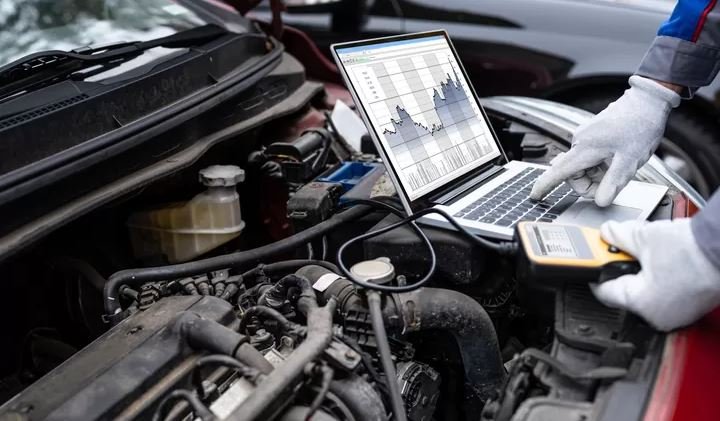
  • Real-Time Diagnostics: Computer systems continuously monitor engine performance and diagnose potential issues. They provide real-time data on engine health, allowing for timely maintenance and repairs. This diagnostic capability helps prevent major engine failures and prolongs engine life.
  • Trouble Codes: When an issue arises, the ECU generates trouble codes that help mechanics identify specific problems. These codes assist in diagnosing and repairing engine issues efficiently. Access to accurate trouble codes simplifies the repair process and ensures effective maintenance.
  • Performance Monitoring: Computer systems track various performance metrics such as engine temperature, RPM, and fuel consumption. They provide valuable insights into engine performance and help identify areas for improvement. Performance monitoring aids in optimizing engine efficiency and reliability.

Conclusion

The role of computer systems in modern car engines is integral to enhancing performance, efficiency, and reliability. By providing precise control, improving fuel management, and offering real-time diagnostics, these systems have transformed engine technology. As automotive technology continues to evolve, computer systems will remain central to advancing engine performance and ensuring vehicle reliability.

Best Car Engine Brands to Consider in 2024

When selecting a new vehicle or upgrading an existing one, the car engine brands to consider in 2024 can make all the difference. Engine performance, reliability, and innovation vary significantly across brands, so it’s important to choose wisely. Here’s a guide to some of the top car engine brands to consider in 2024.

Car Engine Brands to Consider in 2024

1. Toyota

Toyota continues to be a leading choice for car engine brands to consider in 2024. Known for its reliability and efficiency, Toyota engines offer excellent fuel economy and long-term durability. Their hybrid engines, such as those found in the Prius and RAV4 Prime, showcase impressive technology and performance.

Car Engine Brands to Consider in 2024

2. Honda

Honda is another top contender among car engine brands to consider in 2024. With a reputation for producing engines that deliver both power and efficiency, Honda’s VTEC engines are particularly noteworthy. They offer a blend of high performance and fuel economy, making them popular choices among drivers.

3. Ford

For those interested in performance and innovation, Ford stands out in the list of car engine brands to consider in 2024. Ford’s EcoBoost engines provide a great balance of power and fuel efficiency. The brand’s commitment to performance is evident in engines like the 5.0L V8 found in the Mustang, which combines impressive horsepower with a thrilling driving experience.

4. BMW

When it comes to luxury and high performance, BMW is a brand worth considering in 2024. BMW’s engines are renowned for their precision engineering and dynamic performance. The brand’s turbocharged inline-6 engines, used in models like the 330i and 540i, offer a combination of smooth power delivery and exceptional efficiency.

5. Mercedes-Benz

Mercedes-Benz is a prominent name in luxury cars, and its engines are a key reason why. The brand’s MBUX engines, which feature advanced technology and high performance, are among the best car engine brands to consider in 2024. Whether it’s the turbocharged 4-cylinder engines or the robust V8s, Mercedes-Benz engines are engineered for both comfort and power.

6. Audi

Audi offers a range of high-performance engines that make it a top choice in 2024. Their Quattro all-wheel-drive system and turbocharged engines provide excellent handling and acceleration. The 2.0T and V6 engines found in models like the Audi A4 and Q7 deliver a refined driving experience with strong performance metrics.

7. Subaru

Known for its ruggedness and all-weather capabilities, Subaru is a brand to consider for engine reliability and performance. Subaru’s boxer engines are unique in their design and contribute to a lower center of gravity, which enhances handling. The brand’s engines are particularly effective in models like the Outback and WRX, offering both durability and driving pleasure.

8. Nissan

Nissan offers a range of engines that are worth considering in 2024. Their VQ-series engines are well-regarded for their balance of power and efficiency. The brand’s commitment to innovation is evident in their turbocharged engines, which provide strong performance while maintaining good fuel economy.

9. Hyundai

Hyundai has made significant strides in engine technology and performance. Their engines, like the turbocharged units in the Hyundai Elantra N, are known for their responsiveness and efficiency. Hyundai’s focus on improving fuel efficiency and reducing emissions makes it a brand to watch in 2024.

10. Jaguar

For those seeking luxury and performance, Jaguar offers engines that deliver both. The brand’s Ingenium engines, used in models like the Jaguar F-Type, provide a blend of power and refinement. Jaguar’s engines are designed to offer a high-performance driving experience with a touch of elegance.

11. Porsche

Porsche is synonymous with high performance, and its engines are no exception. The brand’s flat-six engines, found in models like the Porsche 911, are celebrated for their exceptional power and responsiveness. Porsche’s engineering excellence ensures that their engines provide an exhilarating driving experience.

12. Land Rover

For off-road enthusiasts, Land Rover is a brand to consider.

13. Volvo

Volvo combines safety and performance in its engine offerings. The brand’s Drive-E engines, featured in models like the Volvo XC90, offer a blend of efficiency and power. Volvo’s commitment to reducing emissions and enhancing fuel economy makes its engines a solid choice for 2024.

14. Tesla

While not a traditional engine manufacturer, Tesla deserves mention for its innovative electric powertrains. Tesla’s electric engines offer high performance with zero emissions. Their advanced battery technology and electric motors make Tesla a leading choice for those interested in electric vehicles.

15. Infiniti

Infiniti, Nissan’s luxury brand, provides engines that combine performance with luxury. Their V6 and turbocharged engines, used in models like the Infiniti Q50, offer a smooth and powerful driving experience. Infiniti’s focus on luxury and performance makes its engines a notable option for 2024.

Conclusion

Choosing the right car engine brands to consider in 2024 involves evaluating various factors like performance, reliability, and technology. From Toyota’s reliability to Tesla’s innovative electric powertrains, each brand offers unique strengths. By understanding these options, you can make an informed decision that best suits your driving needs and preferences.

Chrysler’s Role in Shaping the Modern American Automobile

Chrysler’s role in shaping the modern American automobile is pivotal and influential. Over the decades, Chrysler has introduced groundbreaking technologies, innovative designs, and significant advancements that have shaped the American car market. This post delves into how Chrysler has contributed to the evolution of modern automobiles, focusing on its impact on design, safety, and performance.

Chrysler’s Role in Shaping the Modern American Automobile

Transformative Design Innovations

Chrysler’s role in automotive design has set new benchmarks in the industry, influencing the look and functionality of modern cars.

  • Aerodynamic Designs: Chrysler has been a pioneer in integrating aerodynamic principles into its vehicle designs. The company’s emphasis on sleek and streamlined shapes has improved both performance and fuel efficiency. For instance, the Chrysler Airflow was an early example of aerodynamic innovation that influenced future designs.
  • Minivan Revolution: In the 1980s, Chrysler introduced the minivan, transforming family transportation. The Dodge Caravan and Chrysler Voyager set new standards for versatility and interior space. These models became benchmarks for practical family vehicles, shaping the segment’s future.
  • Feature Integration: Chrysler has consistently introduced advanced features that have become industry standards. Innovations such as power windows, air conditioning, and advanced infotainment systems have improved driver and passenger comfort. These features have set expectations for modern vehicle interiors.

Advancements in Safety and Performance

Chrysler’s role in enhancing safety and performance has had a lasting impact on modern vehicles, making them safer and more efficient.

  • Safety Technologies: Chrysler has been at the forefront of safety innovations. The introduction of anti-lock braking systems (ABS), electronic stability control (ESC), and advanced airbag systems has significantly improved vehicle safety. These technologies have become essential in modern cars, setting high safety standards.
  • Performance Enhancements: Chrysler’s development of powerful engines and efficient drivetrains has influenced modern performance metrics. The Hemi engine, for example, offers a blend of high power and fuel efficiency, shaping contemporary performance expectations. Chrysler’s advancements in engine technology have impacted the performance capabilities of modern vehicles.
  • Off-Road Excellence: Through its Jeep brand, Chrysler has made significant contributions to off-road vehicle technology. Jeep’s development of 4×4 systems and rugged suspensions has set benchmarks for off-road capability. These innovations have defined the standards for off-road and adventure vehicles.

Influence on American Car Culture

Chrysler’s role in American car culture extends beyond technology and design, influencing consumer preferences and automotive trends.

  • Iconic Vehicles: Chrysler has produced several iconic models that have become symbols of American automotive culture. Vehicles like the Chrysler 300, Dodge Charger, and Jeep Wrangler have left a lasting impact. These models represent Chrysler’s commitment to style, performance, and innovation.
  • Design Trends: Chrysler’s distinctive design philosophy has influenced automotive aesthetics. The company’s bold, innovative designs have set trends that other manufacturers have followed. Chrysler’s approach to vehicle design continues to inspire the industry and shape modern automotive looks.
  • Cultural Presence: Chrysler vehicles have frequently appeared in films, television shows, and popular media, further cementing their place in American culture. This visibility has contributed to the brand’s iconic status and influence on car culture.

Conclusion

Chrysler’s role in shaping the modern American automobile is characterized by transformative design, safety advancements, and cultural influence. The company’s innovative technologies, design philosophies, and performance enhancements have set new industry standards. Chrysler’s contributions continue to impact the evolution of modern vehicles, making it a key player in the automotive industry’s development.

Welcome to MoparSearch: Your Ultimate Mopar Hub!

Are you a true Mopar enthusiast? MoparSearch is your premier online destination, a central hub where you easily connect with everything Mopar. We built this website specifically for you, the dedicated Mopar owner, mechanic, and fan. Therefore, we provide powerful search tools, rich information, and a vibrant community. Quickly find what you need and join fellow Mopar lovers.

We understand your passion for these iconic American vehicles. Consequently, our mission is simple: we empower you with knowledge and resources. So, whether you're restoring a classic muscle car, maintaining your daily driver, or simply exploring the rich history of Mopar, MoparSearch gives you the tools. Discover the Mopar world like never before!

Explore the Mopar Universe

We celebrate this heritage by providing comprehensive resources. Therefore, you can find everything from detailed specifications to hard-to-locate parts right here. Our site organizes information logically, ensuring a smooth and productive search experience.

Car Engine

Your Mopar vehicle's engine is truly its heart. Thus, understanding and maintaining it becomes crucial. At MoparSearch, we provide extensive resources for all Mopar engines. Initially, discover comprehensive guides for popular engines below.

  • The legendary HEMI
  • The robust Slant-6
  • The powerful Magnum series

Engine Specifications and Troubleshooting

You'll find articles on engine specifications, including:

  • Displacement
  • Horsepower
  • Torque figures

Additionally, we provide in-depth breakdowns of different engine generations. This helps you identify the correct engine for your specific model and year. We also offer advice on common engine problems and effective troubleshooting methods.

Performance Upgrades and Maintenance

Moreover, we delve into performance upgrades. Many Mopar owners want more power from their machines. Consequently, we feature articles and guides on engine modifications. These include:

  • Camshaft upgrades
  • Cylinder head porting
  • Forced induction options (e.g., superchargers, turbochargers)

We explain the benefits and challenges of each modification, helping you choose the right path for your performance goals. This is different from the chance involved in games like JoKaRoom online roulette. In addition, you'll find detailed step-by-step instructions for various engine maintenance tasks, such as:

  • Oil changes
  • Spark plug replacements
  • Timing belt adjustments

Engine History and Legacy

Beyond technical details, we also explore the historical significance of Mopar engines. Learn about the iconic Big Block engines that powered classic muscle cars, or understand the evolution of the Small Block designs. We share stories of these incredible powerplants and their impact on automotive history. Dive into:

  • The origins of the HEMI name and its racing dominance
  • The simplicity and reliability of the Slant-6
  • The transition from carburetion to fuel injection
  • The development of modern variable valve timing systems
  • Key engineers and designers who shaped Mopar powertrains
  • Racing victories and notable Mopar-powered vehicles

Therefore, MoparSearch becomes your go-to source for everything related to Mopar engines, combining technical depth with rich historical context.

Car Parts

MoparSearch simplifies the process of finding the right parts for your vehicle. You can easily search for:

  • Original equipment manufacturer (OEM) parts
  • Aftermarket components
  • Rare or discontinued items

Our comprehensive database connects you with suppliers and fellow enthusiasts who might have what you need.

Organized Part Categories

First, explore our parts categories. These include sections for:

  • Drivetrain components: Transmissions, differentials, axles
  • Body and exterior parts: Fenders, hoods, grilles, trim pieces
  • Interior components: Seats, dashboards, door panels
  • Electrical systems
  • Braking components
  • Suspension parts

This organized structure ensures you quickly locate the specific part you seek.

Part Details and Verification

Moreover, each part listing provides crucial details. You'll often see:

  • Part numbers
  • Compatibility information
  • Diagrams

We provide tips for identifying genuine Mopar parts and avoiding counterfeits. Knowing these details saves you time and money.

Community Parts Exchange

Furthermore, our community features a "Parts Wanted" and "Parts for Sale" section. Here, you can connect directly with other Mopar enthusiasts. Perhaps someone in our community has that elusive fender you need, or you might find a buyer for your spare transmission. This direct connection fosters a strong, supportive Mopar community. Therefore, MoparSearch empowers you to find every piece your Mopar needs, easily and efficiently.

Chrysler

MoparSearch offers extensive resources for all Chrysler models. Discover detailed histories, specifications, and repair guides for your favorite Chrysler cars.

Classic Chrysler Heritage

Initially, delve into the heritage of classic Chrysler models. We feature information on iconic cars like:

  • The Imperial
  • The 300 Letter Series
  • The early New Yorkers

Learn about their design philosophies, engine options, and cultural impact. This helps you understand the rich lineage of your Chrysler vehicle. Furthermore, we provide detailed maintenance schedules and common repair procedures for these vintage models. Thus, you preserve their beauty and functionality for years to come.

Modern Chrysler Models and Maintenance

Moving into more modern eras, our Chrysler section covers popular vehicles like the:

  • Chrysler 300
  • Pacifica
  • Town & Country

You'll find specific articles on their unique features, engine choices, and available trim levels. We also offer practical advice on:

  • Everyday maintenance
  • Common issues
  • Recommended service intervals

Therefore, you keep your modern Chrysler running optimally.

Technological Innovations and Buyer's Guides

Moreover, we explore Chrysler's technological innovations. Learn about their pioneering work in areas like:

  • Automatic transmissions
  • Power steering
  • Fuel injection systems

Our Chrysler section includes buyer's guides. If you're considering purchasing a used Chrysler, these guides offer valuable insights. We cover:

  • What to look for
  • Common pitfalls to avoid
  • How to assess a vehicle's condition

This is a different kind of decision-making than one might find when playing a game like baccarat online. Thus, you make smart purchasing decisions. MoparSearch truly celebrates the enduring legacy of Chrysler, providing a comprehensive resource for all its models.

Dodge Truck

On MoparSearch, we dedicate an entire section to these legendary vehicles. Explore the evolution of Dodge trucks, find detailed specifications, and access essential maintenance information.

History and Model Information

First, discover the rich history of Dodge trucks. We feature comprehensive timelines, showcasing models like the:

  • Early Power Wagons
  • D-Series pickups
  • Iconic Ram trucks

Learn about their design innovations, engine options, and their pivotal role in various industries. This helps you appreciate the strong foundation of your Dodge truck.

Furthermore, we provide in-depth information on specific Dodge truck models. Whether you own a classic D-100, a second-generation Ram 2500, or a modern Ram 1500, you'll find relevant content. We cover:

  • Engine variations
  • Transmission types
  • Axle configurations

Additionally, we detail common maintenance tasks unique to trucks, such as:

  • Towing capacities
  • Payload ratings
  • Four-wheel-drive system care

Therefore, you maximize your truck's utility and longevity.

Performance Modifications and Accessories

Moreover, many Dodge truck owners love to customize and upgrade their vehicles. Consequently, our section includes articles on performance modifications. You'll find guides on:

  • Suspension lifts
  • Larger tire fitment
  • Exhaust system upgrades
  • Diesel engine tuning

In addition, we offer advice on truck accessories, from:

  • Bed liners and tonneau covers
  • Winches and off-road lighting

For other types of online play, you can find information on online slots on this page. Thus, you effectively personalize your Dodge truck for work or play.

Troubleshooting and Practical Advice

Our Dodge Truck section also addresses common issues and troubleshooting tips. Learn how to identify and resolve problems related to:

  • Towing
  • Heavy hauling
  • Off-road driving

This practical advice keeps you prepared for any challenge. Consequently, MoparSearch becomes your essential resource for all things Dodge Truck, empowering you to conquer any road or trail.

Jeep

At MoparSearch, we passionately support your Jeep adventures. Discover extensive resources for all Jeep models, from the original Willys to the latest Wrangler and Grand Cherokee.

Legendary Origins and Model Guides

Initially, explore the legendary origins of Jeep. We delve into the history of the Willys MB, its vital role in wartime, and its transition to civilian life. Learn how Jeep built its reputation for ruggedness and reliability from the very beginning.

Furthermore, our Jeep section offers detailed information on popular models. Whether you drive a classic CJ, a Cherokee XJ, a Grand Cherokee WJ, or a modern Gladiator, you'll find dedicated content. We cover:

  • Engine options
  • Transmission types
  • Transfer case specifics

Additionally, we provide comprehensive guides on various four-wheel-drive systems, explaining how each system works and its optimal use in different conditions. Thus, you fully understand your Jeep's capabilities.

Off-Road Modifications and Trail Preparation

Our site features extensive articles on:

  • Lifts
  • Larger tires
  • Differential lockers
  • Armor upgrades

We provide practical advice on selecting the right modifications for your intended use, whether it's rock crawling, overlanding, or simply improving street presence. This careful planning is different from the spontaneity of some online games, such as the ones you can learn about on the site officiel de lariviera casino. We also offer guidance on preparing your Jeep for challenging trails, including:

  • Recovery gear essentials
  • Basic off-road driving techniques

This helps you safely and effectively explore new paths.

Off-Road Maintenance

Our Jeep section also includes maintenance tips specific to off-road vehicles. Learn how to:

  • Inspect your suspension
  • Check fluid levels after water crossings
  • Service your axles

This preventative maintenance ensures your Jeep remains trail-ready. Consequently, MoparSearch is your ultimate companion for all Jeep enthusiasts, helping you unlock your vehicle's full potential and embark on unforgettable adventures.

Beyond the Basics

We know you love more than just Mopar engines and car parts. That's why MoparSearch gives you much more than the basics. We want to support your Mopar journey in every way. Whether you're a car owner, a hobbyist, or a collector, we offer content that goes far beyond tools and repairs.

We Add New Topics Often

We always look for new things to share. Each week, we update the site with fresh ideas, new guides, and exciting stories. For example, you can find:

  • Real-life stories from Mopar owners across the country
  • Behind-the-scenes tours of Mopar garages and workshops
  • Tips for selling or buying classic Mopars
  • Event coverage from car shows, meetups, and drag races

We never stop adding value. Every time you visit, you can find something interesting, useful, or fun.

We Support Mopar Fans

You are not alone. Thousands of people love Mopar just like you. So, we provide resources to help you connect with others. Our community focuses on Mopar, a different interest from online gaming, where, for instance, in Canada, people might look for information on ca crazyvegas online craps. For example:

  • Read our blog posts for updates and tips
  • Follow our social media pages to see what other Mopar fans are doing
  • Read our interviews with Mopar collectors, mechanics, and racers

These connections help you feel part of something bigger. Together, we build a strong Mopar family.

We Explore Mopar History

Many Mopar lovers enjoy learning about the past. That's why we share stories about:

  • The early days of Chrysler, Dodge, and Plymouth
  • Famous engines and muscle cars from the 1960s and 70s
  • Old ads, brochures, and factory documents
  • Design changes through the years
  • The evolution of Mopar trucks and Jeeps

We explain everything in simple words. We also include pictures, videos, and timelines. This way, you can enjoy learning even if you are just starting.

We Talk About Mopar in Daily Life

Mopar is not just about race cars or show cars. Many people drive their Mopars every day. So, we talk about things that matter to real drivers:

  • How to keep your car in top shape during cold or hot weather
  • How to get the best fuel mileage
  • What insurance options work best for Mopar models
  • How to protect your car from rust, theft, or wear and tear
  • Where to find good mechanics if you can't fix it yourself

We make sure our advice is clear, honest, and helpful for all drivers.

We Help You Grow Your Knowledge

You don't need to be an expert. We explain:

  • What do different car terms mean
  • How a part works inside your engine or suspension
  • Why do certain upgrades give better results?
  • Which tools are safe and easy to use at home

We want you to feel smarter and more confident every time you work on your vehicle.

We Care About the Future

Mopar is also moving forward. New models use electric power, hybrid systems, and high-tech features. We stay up to date and share what's coming next. You'll read about:

  • Electric Dodge Chargers and what to expect
  • Updates in Jeep technology for off-road fun
  • New laws or rules about car emissions and safety
  • Factory news and upcoming Mopar events

This helps you stay informed and ready for tomorrow's Mopar world.

Tech Tips and How-To Guides

We believe you can fix and improve your Mopar vehicle if you have the right help. That's why we created simple and clear guides for you. Our Tech Tips and How-To Guides show you how to take care of your car step by step. We keep things easy to follow, even if you are just starting. These tips save you time, save you money, and help you feel proud of your skills.

Learn Common Repairs for Mopar Models

Every car has issues over time, but some are more common in certain models. We help you spot and fix the most frequent problems in Chrysler, Dodge, Jeep, and Ram vehicles. For example:

  • Is your Dodge not starting? We'll help you check the battery and ignition.
  • Does your Jeep make a strange noise? We'll show you how to inspect the brakes and suspension.

We give you simple instructions, the tools you need, and photos that guide you.

Keep Your Car Healthy with Preventive Maintenance

It's much better to stop a problem before it happens. That's why we give you easy maintenance checklists. Learn how to:

  • Change your oil at the right time
  • Replace old air filters
  • Check fluid levels (brake, coolant, transmission)
  • Inspect tires for wear
  • Clean battery terminals

By following our tips, you avoid big repair bills and keep your ride smooth and safe.

Easy DIY Projects for Beginners and Experts

You don't need to be a pro to work on your car. With our how-to guides, you can do many repairs and upgrades at home. Start with small jobs and move to bigger ones as you grow in confidence. Our top DIY projects include:

  • Changing the engine oil and filter
  • Swapping old spark plugs
  • Installing new headlights or tail lights
  • Replacing brake pads
  • Changing your car's serpentine belt
  • Doing a full fluid flush

We explain each step in plain English. We also list the tools and parts you need so you can plan.

Fix Electrical Problems with Easy Diagrams

Car electronics can be confusing, but we make them easier. If your lights don't work or your car won't start, it may be a wiring issue. Our guides show you:

  • How to check fuses and relays
  • What to do if the power windows stop working
  • How to fix battery drains
  • Where to find ground wires
  • How to use a multimeter for testing We even provide simple wiring diagrams so you can trace the problem and fix it without stress.

Restore Classic Mopars with Care

Do you love classic cars like the Dodge Charger or Plymouth Barracuda? Our restoration tips help you bring them back to life. To explore different online entertainment options in New Zealand, you can Read more. We guide you in:

  • Removing rust and repainting body panels
  • Fixing torn seats and dashboards
  • Finding original trim parts and chrome
  • Rebuilding old engines and transmissions
  • Restoring gauges and wiring in the dashboard

Whether you're fixing a barn find or touching up a show car, we have tips for every step. You'll turn old metal into shining beauty again.

Learn the Basics of Performance Tuning

Do you want more power from your engine? Or better sound from your exhaust? We explain basic performance upgrades in simple ways. For those interested in exploring different online games, you can explore now to learn about baccarat. You'll learn:

  • What a cold air intake does
  • How to upgrade your exhaust system
  • The purpose of performance chips and tuners
  • Why dyno tuning improves horsepower
  • How to boost torque for towing or racing

We show you how to safely upgrade without damaging your car. Start small, test often, and enjoy the results.

Always Stay Up to Date

We don't just post guides and forget them. Our Mopar experts and mechanic contributors check and update them often. As new models come out or parts change, we add fresh info to keep everything correct.

Conclusion

We built MoparSearch as a dynamic, evolving platform for Mopar lovers. We continuously add new content, expand our databases, and enhance our features. Ultimately, your involvement makes this community thrive.

Start your Mopar journey with us now!