How to Prepare Your Jeep for Extreme Weather Conditions

Owning a Jeep means you’re ready for adventure, no matter the weather. Whether you’re facing scorching heat, icy roads, or heavy rain, it’s essential to prepare your Jeep for extreme weather conditions to ensure safety and performance. This guide will provide you with the necessary steps to get your Jeep ready for anything Mother Nature throws your way.

1. Preparing Your Jeep for Cold and Snowy Conditions

Check Your Tires

  • Winter Tires: Invest in a good set of winter tires if you frequently drive in snowy or icy conditions. Winter tires offer better traction on cold surfaces, helping you maintain control.
  • Tire Pressure: Cold weather causes tire pressure to drop, which can affect handling and fuel efficiency. Regularly check and maintain the recommended tire pressure.

Battery Health

  • Battery Check: Cold weather can reduce your battery’s efficiency. Have your battery tested to ensure it’s in good condition, and replace it if it’s older than three years.
  • Cold Cranking Amps (CCA): Ensure your battery has a high CCA rating to handle the strain of starting your Jeep in freezing temperatures.

Fluids and Wipers

  • Antifreeze: Top off your antifreeze and check for the correct mix ratio to prevent your engine from freezing.
  • Winter Wiper Blades: Install winter wiper blades to handle snow and ice buildup. Use washer fluid designed for low temperatures to avoid freezing.

Emergency Kit

  • Winter Survival Kit: Carry an emergency kit with essentials like blankets, a shovel, ice scraper, flashlight, food, water, and extra clothing in case you get stranded.

2. Preparing Your Jeep for Hot and Arid Conditions

Cooling System Maintenance

  • Radiator Check: Inspect your radiator and coolant levels. Overheating is a common issue in hot weather, so ensure your cooling system is working efficiently.
  • Coolant: Use the appropriate coolant mix for high temperatures and consider a coolant flush if it’s been a while since the last one.

Tire Care

  • Tire Pressure: Hot weather causes tire pressure to increase, which can lead to blowouts. Regularly monitor tire pressure and adjust as needed.
  • Tire Condition: Heat can exacerbate tire wear. Check for any signs of damage or excessive wear and replace tires if necessary.

Battery and Air Conditioning

  • Battery Check: Heat can also affect battery performance. Make sure your battery is in good condition and replace it if necessary.
  • Air Conditioning: Ensure your A/C system is fully charged and working well, as you’ll be relying on it heavily during hot weather.

Interior Protection

  • Sun Protection: Use sunshades to protect your Jeep’s interior from UV damage and reduce heat buildup. Consider using seat covers to protect leather seats from cracking.

3. Preparing Your Jeep for Wet and Muddy Conditions

Tire and Tread

  • All-Terrain Tires: Equip your Jeep with all-terrain or mud-terrain tires that provide excellent traction on wet and muddy surfaces.
  • Tire Tread: Ensure your tires have sufficient tread depth to prevent hydroplaning and improve grip on slippery surfaces.

Check Seals and Weatherstripping

  • Waterproofing: Inspect door seals, window seals, and weatherstripping for any signs of wear or gaps. Replace any damaged seals to prevent water ingress.
  • Drain Plugs: If your Jeep is equipped with drain plugs, make sure they are secure and functional to prevent water from entering the cabin.

Brakes and Suspension

  • Brake Check: Wet conditions can affect braking performance. Ensure your brakes are in good working order, and consider upgrading to performance brake pads if needed.
  • Suspension Inspection: Check your suspension components, especially if you’ll be driving in deep mud, as these conditions can put extra strain on your Jeep’s suspension system.

Lights and Visibility

  • Headlights: Clean your headlights and ensure they are properly aligned. Consider upgrading to brighter bulbs or LED lights for better visibility in foggy or rainy conditions.
  • Windshield Wipers: Replace worn windshield wipers and make sure your washer fluid is topped off with a formula that works well in rainy weather.

4. General Tips for All Weather Conditions

Regular Maintenance

  • Fluid Levels: Regularly check and top off all fluids, including oil, transmission fluid, and brake fluid, to ensure your Jeep runs smoothly in any weather.
  • Inspections: Have your Jeep inspected by a professional mechanic before heading into extreme conditions, especially if you’re planning an off-road adventure.

Emergency Preparedness

  • Tools and Spare Parts: Carry essential tools, spare parts (like a serpentine belt, fuses, and a tire repair kit), and fluids in case of breakdowns.
  • Recovery Gear: If you plan to drive off-road, have recovery gear like a tow strap, winch, and D-ring shackles on hand.

Conclusion

Preparing your Jeep for extreme weather conditions is not just about ensuring performance; it’s also about keeping yourself and your passengers safe. By following these tips and regularly maintaining your Jeep, you’ll be ready to tackle any weather with confidence. Whether you’re braving a snowy mountain pass, enduring the heat of the desert, or navigating through muddy trails, your Jeep will be prepared for the adventure.

Finding the Right Car Parts for Your Make

When it comes to finding the right car parts for your make, getting it right is crucial. Using the correct parts ensures your vehicle runs smoothly and avoids costly repairs down the road. Here’s a guide to help you identify and select the right car parts for your vehicle.

1. Know Your Vehicle’s Specifications

Before you start searching for the right car parts for your make, understand your vehicle’s specifications. Check the owner’s manual for details like the model number, engine type, and production year. This information helps you find parts that fit your vehicle perfectly.

Finding the Right Car Parts for Your Make

2. Use OEM Parts

Original Equipment Manufacturer (OEM) parts are designed specifically for your make and model. When finding the right car parts for your make, choosing OEM parts ensures compatibility and maintains your vehicle’s performance and safety standards.

3. Check Part Numbers

Every car part has a unique part number. When finding the right car parts for your make, use these part numbers to match the exact component you need. This step avoids confusion and ensures you get the correct part for your vehicle.

4. Verify Compatibility

Not all parts fit every model, even within the same make. Ensure the part you’re buying is compatible with your specific vehicle. Many online retailers offer tools to check compatibility, which is useful when finding the right car parts for your make.

5. Choose Reputable Suppliers

When finding the right car parts for your make, buy from reputable suppliers or authorized dealers. Reliable sources provide genuine parts and offer customer support if you encounter any issues. Avoid low-quality parts from unknown sources to ensure your vehicle’s reliability.

6. Research Aftermarket Options

If OEM parts are too expensive, consider high-quality aftermarket options. Look for reputable aftermarket brands known for their quality. While shopping for the right car parts for your make, ensure that aftermarket parts meet or exceed the original specifications.

7. Read Reviews and Ratings

Customer reviews and ratings can provide insights into the quality of car parts. When finding the right car parts for your make, check reviews for feedback on performance, durability, and fit. Positive reviews can guide you towards reliable parts.

8. Consult with a Mechanic

If you’re unsure about finding the right car parts for your make, consult with a professional mechanic. They can offer advice based on their experience and help you select parts that are best suited for your vehicle’s needs.

9. Compare Prices

Prices can vary significantly between different suppliers. When finding the right car parts for your make, compare prices from multiple sources. Look for discounts or promotions to get the best value without compromising on quality.

10. Check for Warranties

Parts with warranties offer added protection and peace of mind. When finding the right parts for your make, choose parts that come with a warranty. This ensures you can get a replacement or refund if the part fails.

11. Understand Return Policies

Before purchasing, familiarize yourself with the supplier’s return policy. If you accidentally order the wrong part, understanding the return process will make it easier to resolve the issue. When finding the right parts for your make, having a clear return policy is essential.

12. Look for Certifications

Certified parts meet specific quality and performance standards. When finding the right parts for your make, check for certifications that indicate the part has been tested and approved. Certified parts are more likely to perform well and last longer.

13. Verify Installation Requirements

Some parts may require special tools or professional installation. When finding the right parts for your make, check if the part has specific installation requirements. Ensure you have the necessary tools or professional assistance to complete the installation.

Conclusion

Finding the right car parts for your make involves careful consideration and research. By understanding your vehicle’s specifications, using reputable sources, and comparing options, you can ensure that you select parts that fit and perform well. Following these strategies will help you maintain your vehicle’s reliability and longevity.

The Future of Car Parts: 3D Printing and Beyond

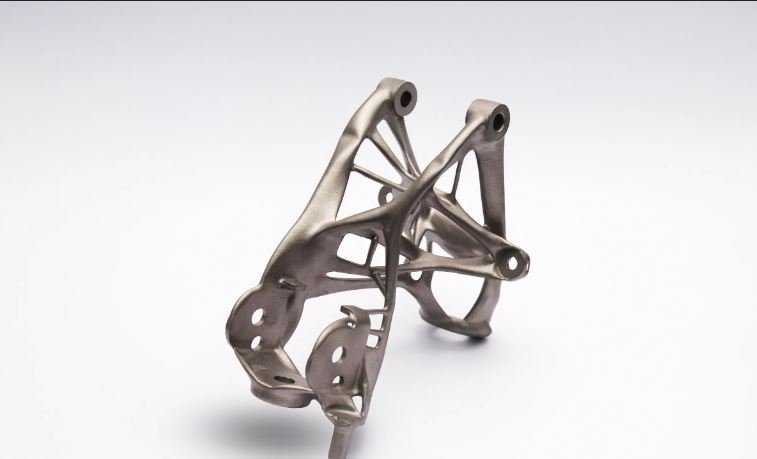
The future of car parts promises to transform the automotive industry dramatically. Advances in technology, especially 3D printing, are revolutionizing how car parts are designed, manufactured, and distributed. This shift impacts not only the efficiency of production but also the overall customization of vehicles.

The Future of Car Parts: 3D Printing and Beyond

The Role of 3D Printing in Car Parts

The car component advancement begins with 3D printing technology. 3D printing enables manufacturers to create complex car parts quickly and cost-effectively. Traditional manufacturing processes often involve lengthy setups and expensive molds. In contrast, 3D printing reduces these costs by allowing rapid prototyping and production. As a result, manufacturers can design and produce customized parts on demand.

The flexibility of 3D printing leads to more innovation in car part design. For instance, engineers can experiment with new materials and structures that were previously impossible. They can create parts with intricate geometries, which improves vehicle performance and efficiency. Furthermore, 3D printing reduces waste by using only the necessary amount of material. This environmental benefit aligns with the growing focus on sustainability in the automotive industry.

Benefits of Advanced Manufacturing Techniques

The future of car parts also includes advancements beyond 3D printing. Techniques like additive manufacturing and digital fabrication are gaining traction. Additive manufacturing builds parts layer by layer, enhancing precision and reducing material usage. This approach allows for the creation of lightweight and strong components, which can significantly improve vehicle performance.

Digital fabrication complements these techniques by integrating computer-aided design (CAD) with manufacturing processes. This integration streamlines the production process and ensures accuracy in every part produced. By combining these technologies, manufacturers can produce high-quality parts more efficiently. Consequently, they can offer better performance and reliability in their vehicles.

Customization and On-Demand Production

The future of car parts focuses on customization and on-demand production. Consumers increasingly seek personalized vehicles tailored to their preferences. With 3D printing, manufacturers can easily produce bespoke parts that meet specific customer requirements. This capability enhances the overall driving experience and customer satisfaction.

On-demand production also eliminates the need for large inventories. Traditional manufacturing often requires storing a significant number of parts, which can lead to excess inventory and higher costs. However, with 3D printing, parts can be produced as needed, reducing storage costs and improving supply chain efficiency. This shift not only lowers operational costs but also enables faster response times to market demands.

The future of car parts promises to bring even more innovations. Technologies like smart materials and embedded electronics are on the horizon. Smart materials can adapt their properties in response to environmental conditions, offering dynamic performance improvements. Meanwhile, embedded electronics can enhance functionality and connectivity in car parts, leading to more advanced and integrated vehicle systems.

Conclusion

The future of car parts looks bright with the advent of 3D printing and other advanced technologies. 3D printing offers unparalleled flexibility and cost-efficiency, while additive manufacturing and digital fabrication enhance precision and material use. Customization and on-demand production provide significant benefits, from personalized vehicles to reduced inventory costs. As technology continues to evolve, the automotive industry will likely see even more transformative changes in car part manufacturing. Staying ahead of these advancements will be crucial for both manufacturers and consumers seeking to optimize vehicle performance and sustainability.

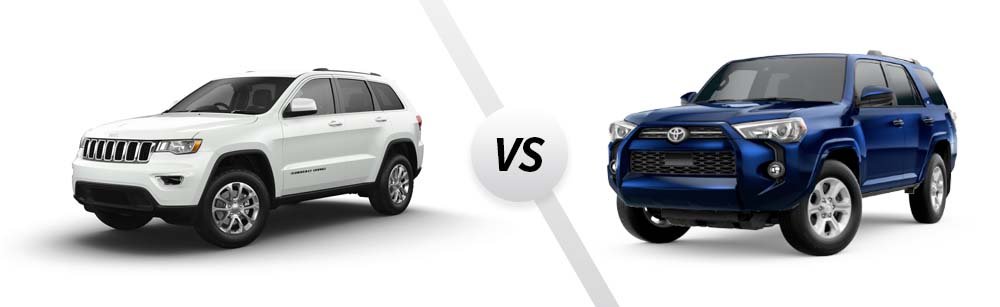
Jeep Grand Cherokee vs. Toyota 4Runner: A Comparison

When it comes to choosing a midsize SUV that offers a blend of off-road capability, comfort, and reliability, two names often come to mind: the Jeep Grand Cherokee and the Toyota 4Runner. Both of these vehicles have earned a reputation for toughness and versatility, but they cater to slightly different audiences. In this comparison, we’ll dive deep into the features, performance, and overall value of these two popular SUVs to help you decide which one is the better fit for your lifestyle.

1. Performance and Engine Options

Jeep Grand Cherokee

  • Engine Options: The Jeep Grand Cherokee offers a range of engines to suit various driving needs. These include the standard 3.6-liter V6, a powerful 5.7-liter V8, and a high-performance 6.4-liter V8 available in the SRT model. There’s also the supercharged 6.2-liter V8 found in the Trackhawk, delivering an impressive 707 horsepower.
  • Towing Capacity: Depending on the engine, the Grand Cherokee can tow between 6,200 and 7,200 pounds, making it a strong contender for those who need to haul trailers or boats.
  • Fuel Efficiency: The Grand Cherokee offers decent fuel efficiency for its class, with the V6 engine achieving up to 26 mpg on the highway.

Toyota 4Runner

  • Engine Options: The Toyota 4Runner is powered by a single engine: a 4.0-liter V6 that produces 270 horsepower. While reliable, this engine is less powerful compared to the Grand Cherokee’s options.
  • Towing Capacity: The 4Runner can tow up to 5,000 pounds, which is sufficient for most recreational activities, though it falls short of the Grand Cherokee’s capacity.
  • Fuel Efficiency: The 4Runner’s V6 engine offers slightly lower fuel efficiency, with up to 19 mpg on the highway, reflecting its older powertrain design.

2. Off-Road Capability

Jeep Grand Cherokee

  • Off-Road Models: The Grand Cherokee Trailhawk is the model of choice for serious off-road enthusiasts. It comes equipped with Jeep’s Quadra-Drive II 4×4 system, an electronic limited-slip rear differential, and skid plates, making it highly capable on challenging terrains.
  • Ground Clearance: The Grand Cherokee offers up to 10.8 inches of ground clearance with its adjustable air suspension system, which is advantageous when tackling rocky or uneven paths.
  • Terrain Management: Jeep’s Selec-Terrain system allows drivers to choose between multiple modes (Auto, Snow, Sand, Mud, Rock) for optimized performance in various conditions.

Toyota 4Runner

  • Off-Road Models: The 4Runner TRD Pro is Toyota’s top off-road variant, featuring FOX® shocks, a locking rear differential, and Crawl Control, which makes it highly adept at handling rugged trails.
  • Ground Clearance: The 4Runner offers 9.6 inches of ground clearance, which is slightly less than the Grand Cherokee but still substantial for off-road adventures.
  • Terrain Management: The 4Runner comes with Toyota’s Multi-Terrain Select system, which adjusts throttle and traction control for optimal performance on different surfaces.

3. Interior and Comfort

Jeep Grand Cherokee

  • Interior Quality: The Grand Cherokee boasts a more refined and luxurious interior, especially in higher trims. Premium materials, leather upholstery, and wood accents create a sophisticated cabin.
  • Technology: The Uconnect® infotainment system with an 8.4-inch touchscreen, Apple CarPlay, Android Auto, and available navigation are some of the tech highlights. An optional 19-speaker Harman Kardon audio system adds to the premium feel.
  • Space: The Grand Cherokee offers ample passenger space, particularly in the front and rear seats, but its cargo space (36.3 cubic feet behind the second row) is slightly less than the 4Runner’s.

Toyota 4Runner

  • Interior Quality: The 4Runner’s interior is functional and durable, with a focus on utility rather than luxury. It features easy-to-clean materials, but the overall design is more rugged and less refined.
  • Technology: The 4Runner comes with an 8-inch touchscreen, Apple CarPlay, Android Auto, and a simple-to-use interface. However, it lacks the high-end features found in the Grand Cherokee.
  • Space: The 4Runner shines in cargo capacity, offering 47.2 cubic feet of space behind the second row. This expands to 89.7 cubic feet with the seats folded down, making it ideal for carrying large loads.

4. Safety and Reliability

Jeep Grand Cherokee

  • Safety Features: The Grand Cherokee comes with a host of advanced safety features, including adaptive cruise control, blind-spot monitoring, lane departure warning, and automatic emergency braking.
  • Reliability: Jeep’s reliability scores have improved in recent years, but the Grand Cherokee’s dependability is still considered average compared to its competitors.

Toyota 4Runner

  • Safety Features: The 4Runner includes Toyota Safety Sense™ P, which offers pre-collision warning, lane departure alert, and adaptive cruise control, though some features are less advanced than those in the Grand Cherokee.
  • Reliability: The 4Runner is known for its exceptional reliability, often ranking among the most dependable vehicles in its class. It’s a great choice for buyers prioritizing long-term durability.

5. Pricing and Value

Jeep Grand Cherokee

  • Starting Price: The Jeep Grand Cherokee has a starting price around $40,000, with higher trims and engine options significantly increasing the cost.
  • Value: While the Grand Cherokee offers a lot of features and a more luxurious feel, it can get expensive quickly, especially when opting for higher trims and performance models.

Toyota 4Runner

  • Starting Price: The 4Runner starts at around $40,000, similar to the Grand Cherokee, but remains more affordable as you move up the trim levels.
  • Value: The 4Runner provides excellent value for those looking for a rugged, reliable SUV with strong resale value and proven longevity, even if it lacks some of the high-tech features of the Grand Cherokee.

Conclusion: Which SUV is Right for You?

Choosing between the Jeep Grand Cherokee and the Toyota 4Runner ultimately depends on your priorities. If you’re looking for a more luxurious interior, a variety of powerful engine options, and advanced technology, the Jeep Grand Cherokee is the better choice. On the other hand, if you prioritize off-road capability, reliability, and cargo space, the Toyota 4Runner may be the better fit.

Both SUVs offer strong off-road credentials and solid performance, but your decision should reflect how you plan to use the vehicle—whether it’s tackling tough trails, enjoying a comfortable commute, or a mix of both.

Best Strategies for Replacing Car Parts on Your Own

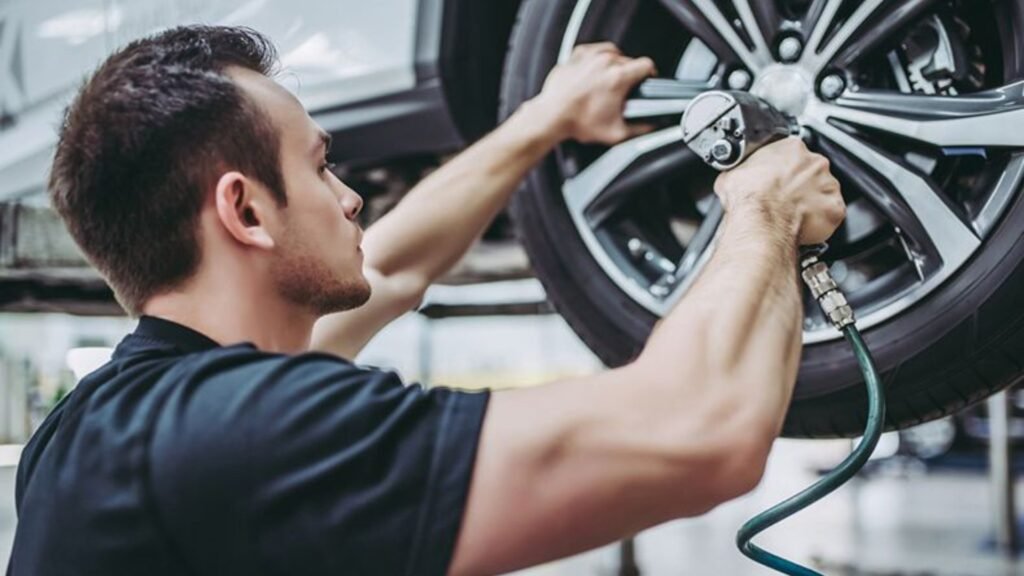
When it comes to replacing car parts on your own, having a clear strategy can make all the difference. Doing it yourself not only saves money but also gives you a deeper understanding of your vehicle. Here are some effective strategies to help you tackle car repairs with confidence.

1. Start with Basic Tools

Before you dive into replacing car parts on your own, make sure you have the right tools. A basic toolkit should include screwdrivers, wrenches, pliers, and a jack. These essentials will help you handle most car repair tasks without any hassle.

Replacing Car Parts on Your Own

2. Consult Your Vehicle’s Manual

Your car’s manual is a valuable resource when replacing car parts on your own. It provides specific instructions and diagrams tailored to your vehicle. Always refer to the manual to ensure you follow the correct procedures for each repair.

3. Watch Tutorial Videos

There’s a wealth of information available online. Watching tutorial videos can be incredibly helpful when replacing car parts on your own. These videos offer step-by-step guides and tips from experienced mechanics, making complex repairs more manageable.

4. Order the Right Parts

Ensure you purchase the correct parts for your vehicle. When replacing car parts on your own, double-check the part numbers and compatibility. Ordering the right parts upfront prevents delays and additional work.

5. Prepare Your Workspace

A clean, organized workspace is essential when replacing car parts on your own. Make sure you have adequate lighting and space to work. Remove any clutter to avoid losing small parts and to work efficiently.

6. Take Safety Precautions

Safety should be your top priority. When replacing car parts on your own, always wear protective gloves and eyewear. Ensure the vehicle is securely lifted and stable before working underneath it to prevent accidents.

7. Label and Keep Track of Parts

As you disassemble parts of your vehicle, label them and keep track of their order. This practice simplifies the reassembly process and ensures that you don’t forget where each part goes when replacing car parts on your own.

8. Follow a Checklist

Create a checklist of steps to follow for each repair. This strategy helps you stay organized and ensures you don’t skip any critical steps when replacing car parts on your own. Check off each item as you complete it to keep track of your progress.

9. Avoid Rushing

Take your time and don’t rush through repairs. Rushing can lead to mistakes and damage to your vehicle. When replacing car parts on your own, patience is key. Carefully follow each step to achieve the best results.

10. Seek Help When Needed

If you encounter a problem that seems too complex, don’t hesitate to seek help. Forums, online communities, and local mechanics can provide valuable advice when replacing car parts on your own. It’s better to ask for help than to risk making a mistake.

11. Keep Spare Parts Handy

Sometimes, things go wrong during a repair. Keeping a few extra parts on hand can be a lifesaver when replacing car parts on your own. This precaution helps you avoid delays if a part doesn’t fit or if you need a replacement.

12. Test Your Repairs

After you’ve completed a repair, always test your work. Make sure everything is functioning correctly before considering the job finished. This step is crucial for ensuring that your repairs are successful and that your vehicle is safe to drive.

13. Document Your Work

Taking photos or notes during your repairs can be very useful. Documenting your work helps you remember what you’ve done and provides a reference for future repairs. This practice is especially helpful when replacing car parts on your own.

14. Keep Receipts and Records

Keep receipts and records of all parts and tools you purchase. This documentation is valuable for tracking expenses and for warranty purposes. When replacing parts on your own, having this information on hand can be beneficial.

Conclusion

Replacing car parts on your own can be a rewarding experience when approached with the right strategies. By preparing properly, following safety precautions, and taking your time, you can successfully handle various repairs and maintain your vehicle with confidence. Remember to use your vehicle’s manual, seek help when needed, and keep track of your progress to ensure your repairs are effective and efficient.

Common Signs of Car Part Failure

Understanding the signs of car part failure can help you address issues before they become major problems. Recognizing these signs early can prevent breakdowns and costly repairs. Here’s a guide to common signs indicating car part failure and what to look out for.

Common Signs of Car Part Failure

1. Engine Warning Light

The engine warning light is a key indicator of potential engine issues:

  • Check Engine Light: Illuminates when the engine control unit detects a problem. It can signal various issues, from minor sensor problems to significant engine failures.
  • Action: Have your vehicle’s computer system checked and diagnosed by a professional to determine the exact cause.

Ignoring this warning can lead to more severe engine damage.

2. Unusual Noises

Different sounds can indicate specific car part failures:

  • Squealing or Grinding Brakes: These sounds often signal worn-out brake pads or rotors. Prompt replacement is necessary to maintain braking performance.
  • Clunking Noises: Clunking noises when turning can indicate issues with the suspension or steering components, such as worn-out ball joints or tie rods.

Addressing unusual noises promptly can prevent further damage and ensure safety.

3. Fluid Leaks

Leaking fluids can signal various car part issues:

  • Oil Leaks: Brown or black puddles under your vehicle may indicate an oil leak. This could be due to a damaged oil pan or gasket.
  • Coolant Leaks: Green or orange fluid under the vehicle suggests a coolant leak, possibly from a radiator or hose.

Regularly check for fluid leaks and address them immediately to avoid engine overheating and other issues.

4. Vibrations or Shaking

Vibrations while driving can point to several potential problems:

  • Imbalanced Tires: Vibration felt through the steering wheel or seat may indicate unbalanced tires. Regular balancing and alignment can correct this.
  • Engine or Transmission Issues: Persistent shaking could signal problems with engine mounts or transmission components.

Have your vehicle inspected to diagnose and fix the source of the vibrations.

5. Difficulty Starting the Engine

Starting issues can be due to several factors:

  • Dead Battery: If the engine cranks slowly or not at all, a dead or weak battery might be the cause.
  • Starter Motor Problems: A clicking sound when turning the key can indicate a faulty starter motor.

Check the battery and starter motor to ensure reliable engine starting.

6. Smoke or Steam from the Engine

Smoke or steam can indicate serious engine problems:

  • White Smoke: White smoke from the exhaust often means coolant is leaking into the engine, possibly due to a blown head gasket.
  • Black Smoke: Black smoke indicates incomplete fuel combustion, which could be due to a clogged air filter or faulty fuel injector.

Investigate and address these issues promptly to prevent engine damage.

7. Warning Sounds from the Dashboard

Dashboard warning sounds can alert you to various problems:

  • Buzzer or Chime: Persistent sounds or chimes usually indicate issues such as low oil pressure, low battery voltage, or an open door.
  • Flashing Lights: Flashing warning lights can signify critical issues that require immediate attention.

Consult your vehicle’s manual to understand the meaning of warning sounds and lights.

Conclusion

Recognizing the common signs of car part failure, such as engine warning lights, unusual noises, fluid leaks, vibrations, starting difficulties, smoke, and dashboard warnings, can help you address issues before they escalate. Regular maintenance and prompt repairs ensure your vehicle remains reliable and safe.

The Future of Jeep: What’s Next for the Brand

Jeep has built a reputation as one of the most iconic and enduring brands in the automotive industry, known for its rugged off-road vehicles that can conquer any terrain. As the automotive world undergoes rapid transformation, Jeep is also looking to the future with new technologies, designs, and strategies. Here’s a look at what’s next for Jeep as it prepares to navigate the evolving landscape of the 21st century.

1. Electrification: The Jeep Wave Goes Green

One of the most significant changes on the horizon for Jeep is the shift towards electrification. With increasing pressure to reduce carbon emissions and promote sustainability, Jeep is actively developing electric and hybrid models that maintain the brand’s off-road capabilities while offering greener alternatives.

1.1. Jeep 4xe Models

Jeep has already introduced its first plug-in hybrid models under the 4xe badge, including the Jeep Wrangler 4xe and Jeep Grand Cherokee 4xe. These models combine traditional off-road prowess with electric power, allowing drivers to enjoy lower emissions and improved fuel efficiency without compromising performance.

1.2. Full Electric Jeep

Looking further ahead, Jeep has announced plans to release fully electric versions of its vehicles. The first all-electric Jeep is expected to hit the market in the coming years, offering silent off-road adventures and zero tailpipe emissions. This marks a significant milestone in Jeep’s journey toward becoming a more sustainable brand.

2. Advanced Technology: Smart Driving and Connectivity

As the automotive industry embraces new technologies, Jeep is also integrating advanced features into its vehicles, enhancing both the driving experience and safety.

2.1. Autonomous Driving Capabilities

Jeep is exploring the integration of autonomous driving features into its lineup. While full self-driving Jeeps may still be a few years away, the brand is expected to introduce advanced driver-assistance systems (ADAS) that offer semi-autonomous capabilities, improving safety and convenience on both highways and off-road trails.

2.2. Enhanced Connectivity

Jeep vehicles are becoming increasingly connected, with features like Uconnect® offering seamless integration with smartphones, navigation, and entertainment. Future Jeeps are likely to build on this connectivity, offering more sophisticated infotainment systems, over-the-air updates, and enhanced vehicle-to-vehicle (V2V) communication.

3. Expanding the Jeep Lineup: New Models and Segments

Jeep is also looking to expand its product lineup, introducing new models and entering segments that align with changing consumer preferences.

3.1. Compact and Subcompact SUVs

As demand for smaller, more city-friendly SUVs grows, Jeep is expected to introduce compact and subcompact models that retain the brand’s adventurous spirit while being more suitable for urban environments. These models will appeal to a younger, more diverse audience.

3.2. Luxury and Performance Models

Jeep is also exploring the development of more luxurious and high-performance models, targeting premium segments where off-road capability meets luxury. These models will feature top-tier materials, advanced technology, and powerful engines, catering to customers looking for the ultimate combination of luxury and ruggedness.

4. Global Expansion: Jeep’s Journey Beyond the U.S.

Jeep’s future also involves expanding its global presence, particularly in regions where the brand is still developing its market share.

4.1. Strengthening Presence in Europe and Asia

Jeep is focusing on growing its footprint in key markets such as Europe and Asia, where there is significant potential for growth. This includes the introduction of region-specific models, adaptations to meet local regulations, and partnerships with local manufacturers.

4.2. Local Manufacturing and Partnerships

To enhance its global reach, Jeep is investing in local manufacturing facilities and forming strategic partnerships. By producing vehicles closer to key markets, Jeep can reduce costs and offer products that are better suited to local tastes and conditions.

5. Sustainability Initiatives: Beyond the Vehicle

As part of its future strategy, Jeep is also looking beyond its vehicles to embrace broader sustainability initiatives.

5.1. Sustainable Manufacturing

Jeep is committed to reducing its environmental impact across the entire manufacturing process. This includes using more sustainable materials, reducing waste, and cutting emissions at its production facilities. Jeep’s future factories are likely to be greener, with a focus on minimizing the carbon footprint.

5.2. Commitment to Conservation

Jeep has long been associated with outdoor adventures, and the brand is increasing its commitment to conservation efforts. This includes supporting initiatives that protect natural habitats, promoting responsible off-roading practices, and partnering with organizations dedicated to preserving the environment.

Conclusion: Jeep’s Exciting Road Ahead

The future of Jeep is filled with exciting possibilities as the brand embraces electrification, advanced technology, and new markets. While Jeep remains deeply connected to its roots as a maker of rugged, off-road vehicles, it is also evolving to meet the demands of a changing world. Whether through the introduction of all-electric models, the development of smart driving technologies, or the expansion into new segments, Jeep is poised to continue its legacy as an iconic and innovative automotive brand.

Top Car Parts You Should Always Keep in Stock

When it comes to maintaining your vehicle, having the right car parts on hand can save you time and hassle. Knowing which car parts you should always keep in stock ensures that you’re prepared for common issues and can avoid delays in getting your vehicle back on the road. Here’s a list of essential parts to have ready.

Car Parts You Should Always Keep in Stock

1. Engine Oil

One of the most crucial car parts you should always keep in stock is engine oil. Regular oil changes are vital for your engine’s health, and having extra oil on hand ensures you can top up or change the oil when needed. Make sure to choose the correct oil type for your vehicle.

Car Parts You Should Always Keep in Stock

2. Air Filters

Air filters are essential for keeping your engine running smoothly. A clean air filter improves fuel efficiency and engine performance. Keeping air filters in stock means you can replace them regularly to maintain optimal engine health.

3. Wiper Blades

Wiper blades are often overlooked but are crucial for clear visibility during rain or snow. Keeping wiper blades in stock allows you to replace them promptly when they wear out, ensuring your windshield stays clean and safe.

4. Brake Pads

Brake pads are a critical component of your vehicle’s braking system. Keeping brake pads in stock means you can replace them before they wear down too much, preventing damage to your rotors and ensuring safe braking performance.

5. Spark Plugs

Spark plugs are essential for engine ignition and overall performance. Keeping spark plugs in stock allows you to replace them as needed to avoid misfires and maintain efficient engine operation.

6. Battery

A car battery can fail unexpectedly, so it’s smart to have a spare battery or at least the necessary tools to jump-start your vehicle. Keeping a battery in stock ensures you’re not caught off guard by a dead battery.

7. Belts and Hoses

Belts and hoses play crucial roles in your vehicle’s engine and cooling system. Keeping belts and hoses in stock means you can replace them before they break, preventing potential engine damage and overheating.

8. Bulbs

Headlights, tail lights, and turn signal bulbs are vital for safe driving. Keeping spare bulbs in stock allows you to replace any burnt-out lights quickly, ensuring you remain visible on the road.

9. Cabin Air Filters

Cabin air filters help keep the air inside your vehicle clean and fresh. Keeping cabin air filters in stock ensures that you can replace them regularly, improving air quality and comfort for you and your passengers.

10. Fuel Filter

A fuel filter ensures that your fuel is clean and free of debris before it reaches the engine. Keeping a fuel filter in stock allows you to replace it periodically, preventing potential fuel system issues and maintaining engine performance.

11. Coolant

Coolant helps regulate your engine’s temperature and prevents overheating. Keeping coolant in stock ensures you can top up or replace it as needed, helping to avoid engine damage due to overheating.

12. Tire Pressure Monitoring Sensors

Tire pressure monitoring sensors alert you to low tire pressure, which can affect safety and fuel efficiency. Keeping tire pressure monitoring sensors in stock allows you to replace faulty ones and maintain proper tire pressure.

13. Jumper Cables

Jumper cables are a must-have for any car owner. Keeping jumper cables in stock means you can assist others or get a jump-start when your battery dies, saving you from being stranded.

14. Fuses

Fuses protect your vehicle’s electrical system from damage. Keeping a variety of fuses in stock ensures you can quickly replace any blown fuses and keep your vehicle’s electrical components working properly.

Conclusion

Knowing which car parts you should always keep in stock can save you time and money while ensuring your vehicle remains in top condition. From essential fluids and filters to crucial components like brake pads and batteries, having these parts on hand allows you to address common issues promptly and avoid unexpected problems. By preparing ahead, you can keep your car running smoothly and stay safe on the road.

A Guide to Jeep’s 4×4 Systems

Jeep has long been synonymous with off-road prowess, and a key component of that reputation is the brand’s advanced 4×4 systems. Whether you’re tackling rocky trails, deep snow, or sandy dunes, Jeep’s 4×4 systems are designed to keep you in control and moving forward. In this guide, we’ll break down the various 4×4 systems that Jeep offers, explaining how each works and what makes them ideal for different types of terrain.

1. Understanding 4×4 Basics

Before diving into Jeep’s specific systems, it’s essential to understand the basics of 4×4 technology. A 4×4 vehicle, also known as four-wheel drive (4WD), sends power to all four wheels simultaneously, providing better traction and control in challenging conditions. Unlike two-wheel drive systems, which only power the front or rear wheels, 4×4 systems are particularly useful in off-road situations where grip can be limited.

1.1. Part-Time vs. Full-Time 4×4

  • Part-Time 4×4: This system allows the driver to manually engage four-wheel drive when needed, usually via a lever or switch. It’s ideal for off-road use but should not be used on dry pavement, as it can cause drivetrain wear.
  • Full-Time 4×4: This system is always engaged, automatically distributing power between the front and rear wheels as needed. It provides better on-road handling while still offering off-road capability.

2. Jeep’s Selec-Terrain® Traction Management System

One of Jeep’s standout features is the Selec-Terrain® Traction Management System, available on models like the Grand Cherokee and Cherokee. This system allows drivers to optimize the vehicle’s performance based on the terrain they’re facing.

2.1. Selec-Terrain® Modes

  • Auto: Automatically adjusts the distribution of power to maintain optimal traction on various surfaces.
  • Snow: Enhances stability and reduces wheel spin for driving in snowy conditions.
  • Sand/Mud: Increases wheel spin for better traction in loose, soft surfaces like sand or mud.
  • Rock: Provides maximum traction and control on rocky terrain, ideal for slow-speed crawling.
  • Sport: Adjusts the system for more aggressive on-road driving, improving throttle response and handling.

3. Jeep’s Quadra-Trac® and Quadra-Drive® Systems

Jeep’s Quadra-Trac® and Quadra-Drive® systems are advanced full-time 4×4 systems that offer seamless performance across various terrains. These systems are particularly known for their ability to distribute power dynamically, ensuring the vehicle maintains traction in even the most challenging conditions.

3.1. Quadra-Trac I®

This is Jeep’s most basic full-time 4×4 system, which provides all-weather capability without any driver input. It’s ideal for drivers who want a simple, effective system that doesn’t require manual engagement.

3.2. Quadra-Trac II®

Quadra-Trac II® adds a two-speed transfer case, offering low-range gearing for more challenging off-road conditions. The system also includes Jeep’s Brake Lock Differential (BLD) system, which can automatically apply brakes to a slipping wheel and send power to the wheels with the most traction.

3.3. Quadra-Drive II®

The most advanced system in the Quadra-Trac lineup, Quadra-Drive II® includes an electronic limited-slip differential (ELSD) for both the front and rear axles. This allows for even more precise power distribution, making it the top choice for serious off-road enthusiasts who need maximum control.

4. Jeep Active Drive and Active Drive Low

Jeep’s Active Drive systems, available on models like the Jeep Renegade and Compass, are designed to offer superior on-road and off-road performance in a more compact package.

4.1. Jeep Active Drive

A fully automatic system that delivers seamless transitions between two-wheel drive and four-wheel drive, depending on road conditions. It’s perfect for drivers who primarily drive on-road but want the confidence of 4×4 capability when needed.

4.2. Jeep Active Drive Low

This system includes a 20:1 crawl ratio, making it ideal for light off-roading. The system offers the benefits of Active Drive with the added capability of low-range gearing for more demanding terrain.

5. Rock-Trac® 4×4 System

The Rock-Trac® 4×4 system is Jeep’s most rugged and capable off-road system, found on models like the Jeep Wrangler Rubicon. It’s designed for extreme off-roading, with features that provide maximum control and torque.

5.1. Features of Rock-Trac®

  • 4:1 Low Gear Ratio: This allows for slow, controlled crawling over rocks and rough terrain, providing more torque at the wheels.
  • Electronic Front Sway Bar Disconnect: This feature improves wheel articulation, allowing the wheels to stay in contact with the ground on uneven surfaces.
  • Tru-Lok® Differentials: Locking differentials on the front and rear axles ensure that power is evenly distributed, preventing wheel spin and enhancing traction.

6. Freedom Drive System

Available on the Jeep Patriot, the Freedom Drive system is a more basic 4×4 system that still offers the essential off-road capability. It’s designed for drivers who occasionally encounter challenging driving conditions but don’t require the advanced features of Jeep’s other systems.

6.1. Freedom Drive I®

A full-time system that provides on-demand 4×4 capability, making it suitable for most road conditions and light off-roading.

6.2. Freedom Drive II®

This system adds a selectable locking mode and a low-range capability, improving the vehicle’s off-road performance. It’s also paired with Jeep’s Hill Descent Control, which helps maintain control when descending steep slopes.

Conclusion

Jeep’s 4×4 systems are designed to offer a wide range of capabilities, from light off-roading to conquering the most challenging terrains. Whether you’re a casual driver who occasionally encounters rough conditions or a dedicated off-road enthusiast, there’s a Jeep 4×4 system tailored to your needs. By understanding the strengths and features of each system, you can choose the right Jeep model to take on your next adventure with confidence.

How to Choose the Right Tires for Your Vehicle

Selecting the right tires for your vehicle is crucial for safety, performance, and fuel efficiency. Tires affect your vehicle’s handling, comfort, and traction. Here’s a guide to help you choose the best tires for your needs.

How to Choose the Right Tires for Your Vehicle

1. Understand Your Tire Specifications

Check your vehicle’s owner’s manual or the tire information placard for recommended tire specifications:

  • Tire Size: Look for the correct tire size, which includes width, aspect ratio, and diameter.
  • Load Index and Speed Rating: Ensure the tires meet or exceed the load index and speed rating specified for your vehicle.

Choosing tires that match these specifications ensures proper fit and performance.

2. Consider Your Driving Conditions

Different tires perform better under specific conditions:

  • All-Season Tires: These are versatile and suitable for most driving conditions, including dry, wet, and light snow.
  • Winter Tires: Designed for severe snow and ice conditions, winter tires provide better traction and control in cold weather.
  • Performance Tires: Ideal for high-performance vehicles, these tires offer enhanced handling and speed capabilities.

Select tires based on your typical driving conditions to ensure optimal performance and safety.

3. Evaluate Tire Tread Patterns

The tread pattern affects traction, handling, and noise levels:

  • Symmetrical Tread: Offers balanced performance and long wear. Suitable for everyday driving.
  • Asymmetrical Tread: Provides enhanced handling and stability, often used in performance tires.
  • Directional Tread: Designed for better traction in wet conditions, often found in high-performance and winter tires.

Choose a tread pattern that matches your driving needs and conditions.

4. Check Tire Quality and Brand

Opt for reputable tire brands known for quality and reliability:

  • Brand Reputation: Established brands often provide better quality and durability.
  • Warranty: Look for tires with a good warranty that covers defects and performance issues.

Investing in high-quality tires from trusted brands can improve safety and longevity.

5. Compare Tire Prices

Prices can vary significantly between different brands and types:

  • Budget vs. Premium: Budget tires might save money upfront but could wear out faster. Premium tires offer better performance and durability.
  • Seasonal Sales: Look for promotions or sales to get the best value for your purchase.

Compare prices while considering quality to find the best balance between cost and performance.

6. Consult with a Professional

If unsure, seek advice from a tire professional or mechanic:

  • Expert Recommendations: Professionals can provide guidance based on your driving habits and vehicle requirements.
  • Installation and Balancing: Proper installation and balancing are essential for tire performance and safety.

Consulting a professional ensures you make an informed decision and get your tires installed correctly.

Conclusion

Choosing the right tires involves understanding tire specifications, considering your driving conditions, evaluating tread patterns, checking tire quality, comparing prices, and consulting professionals. By following these guidelines, you can select tires that enhance your vehicle’s performance, safety, and comfort.

Welcome to MoparSearch: Your Ultimate Mopar Hub!

Are you a true Mopar enthusiast? MoparSearch is your premier online destination, a central hub where you easily connect with everything Mopar. We built this website specifically for you, the dedicated Mopar owner, mechanic, and fan. Therefore, we provide powerful search tools, rich information, and a vibrant community. Quickly find what you need and join fellow Mopar lovers.

We understand your passion for these iconic American vehicles. Consequently, our mission is simple: we empower you with knowledge and resources. So, whether you're restoring a classic muscle car, maintaining your daily driver, or simply exploring the rich history of Mopar, MoparSearch gives you the tools. Discover the Mopar world like never before!

Explore the Mopar Universe

We celebrate this heritage by providing comprehensive resources. Therefore, you can find everything from detailed specifications to hard-to-locate parts right here. Our site organizes information logically, ensuring a smooth and productive search experience.

Car Engine

Your Mopar vehicle's engine is truly its heart. Thus, understanding and maintaining it becomes crucial. At MoparSearch, we provide extensive resources for all Mopar engines. Initially, discover comprehensive guides for popular engines below.

  • The legendary HEMI
  • The robust Slant-6
  • The powerful Magnum series

Engine Specifications and Troubleshooting

You'll find articles on engine specifications, including:

  • Displacement
  • Horsepower
  • Torque figures

Additionally, we provide in-depth breakdowns of different engine generations. This helps you identify the correct engine for your specific model and year. We also offer advice on common engine problems and effective troubleshooting methods.

Performance Upgrades and Maintenance

Moreover, we delve into performance upgrades. Many Mopar owners want more power from their machines. Consequently, we feature articles and guides on engine modifications. These include:

  • Camshaft upgrades
  • Cylinder head porting
  • Forced induction options (e.g., superchargers, turbochargers)

We explain the benefits and challenges of each modification, helping you choose the right path for your performance goals. This is different from the chance involved in games like JoKaRoom online roulette. In addition, you'll find detailed step-by-step instructions for various engine maintenance tasks, such as:

  • Oil changes
  • Spark plug replacements
  • Timing belt adjustments

Engine History and Legacy

Beyond technical details, we also explore the historical significance of Mopar engines. Learn about the iconic Big Block engines that powered classic muscle cars, or understand the evolution of the Small Block designs. We share stories of these incredible powerplants and their impact on automotive history. Dive into:

  • The origins of the HEMI name and its racing dominance
  • The simplicity and reliability of the Slant-6
  • The transition from carburetion to fuel injection
  • The development of modern variable valve timing systems
  • Key engineers and designers who shaped Mopar powertrains
  • Racing victories and notable Mopar-powered vehicles

Therefore, MoparSearch becomes your go-to source for everything related to Mopar engines, combining technical depth with rich historical context.

Car Parts

MoparSearch simplifies the process of finding the right parts for your vehicle. You can easily search for:

  • Original equipment manufacturer (OEM) parts
  • Aftermarket components
  • Rare or discontinued items

Our comprehensive database connects you with suppliers and fellow enthusiasts who might have what you need.

Organized Part Categories

First, explore our parts categories. These include sections for:

  • Drivetrain components: Transmissions, differentials, axles
  • Body and exterior parts: Fenders, hoods, grilles, trim pieces
  • Interior components: Seats, dashboards, door panels
  • Electrical systems
  • Braking components
  • Suspension parts

This organized structure ensures you quickly locate the specific part you seek.

Part Details and Verification

Moreover, each part listing provides crucial details. You'll often see:

  • Part numbers
  • Compatibility information
  • Diagrams

We provide tips for identifying genuine Mopar parts and avoiding counterfeits. Knowing these details saves you time and money.

Community Parts Exchange

Furthermore, our community features a "Parts Wanted" and "Parts for Sale" section. Here, you can connect directly with other Mopar enthusiasts. Perhaps someone in our community has that elusive fender you need, or you might find a buyer for your spare transmission. This direct connection fosters a strong, supportive Mopar community. Therefore, MoparSearch empowers you to find every piece your Mopar needs, easily and efficiently.

Chrysler

MoparSearch offers extensive resources for all Chrysler models. Discover detailed histories, specifications, and repair guides for your favorite Chrysler cars.

Classic Chrysler Heritage

Initially, delve into the heritage of classic Chrysler models. We feature information on iconic cars like:

  • The Imperial
  • The 300 Letter Series
  • The early New Yorkers

Learn about their design philosophies, engine options, and cultural impact. This helps you understand the rich lineage of your Chrysler vehicle. Furthermore, we provide detailed maintenance schedules and common repair procedures for these vintage models. Thus, you preserve their beauty and functionality for years to come.

Modern Chrysler Models and Maintenance

Moving into more modern eras, our Chrysler section covers popular vehicles like the:

  • Chrysler 300
  • Pacifica
  • Town & Country

You'll find specific articles on their unique features, engine choices, and available trim levels. We also offer practical advice on:

  • Everyday maintenance
  • Common issues
  • Recommended service intervals

Therefore, you keep your modern Chrysler running optimally.

Technological Innovations and Buyer's Guides

Moreover, we explore Chrysler's technological innovations. Learn about their pioneering work in areas like:

  • Automatic transmissions
  • Power steering
  • Fuel injection systems

Our Chrysler section includes buyer's guides. If you're considering purchasing a used Chrysler, these guides offer valuable insights. We cover:

  • What to look for
  • Common pitfalls to avoid
  • How to assess a vehicle's condition

This is a different kind of decision-making than one might find when playing a game like baccarat online. Thus, you make smart purchasing decisions. MoparSearch truly celebrates the enduring legacy of Chrysler, providing a comprehensive resource for all its models.

Dodge Truck

On MoparSearch, we dedicate an entire section to these legendary vehicles. Explore the evolution of Dodge trucks, find detailed specifications, and access essential maintenance information.

History and Model Information

First, discover the rich history of Dodge trucks. We feature comprehensive timelines, showcasing models like the:

  • Early Power Wagons
  • D-Series pickups
  • Iconic Ram trucks

Learn about their design innovations, engine options, and their pivotal role in various industries. This helps you appreciate the strong foundation of your Dodge truck.

Furthermore, we provide in-depth information on specific Dodge truck models. Whether you own a classic D-100, a second-generation Ram 2500, or a modern Ram 1500, you'll find relevant content. We cover:

  • Engine variations
  • Transmission types
  • Axle configurations

Additionally, we detail common maintenance tasks unique to trucks, such as:

  • Towing capacities
  • Payload ratings
  • Four-wheel-drive system care

Therefore, you maximize your truck's utility and longevity.

Performance Modifications and Accessories

Moreover, many Dodge truck owners love to customize and upgrade their vehicles. Consequently, our section includes articles on performance modifications. You'll find guides on:

  • Suspension lifts
  • Larger tire fitment
  • Exhaust system upgrades
  • Diesel engine tuning

In addition, we offer advice on truck accessories, from:

  • Bed liners and tonneau covers
  • Winches and off-road lighting

For other types of online play, you can find information on online slots on this page. Thus, you effectively personalize your Dodge truck for work or play.

Troubleshooting and Practical Advice

Our Dodge Truck section also addresses common issues and troubleshooting tips. Learn how to identify and resolve problems related to:

  • Towing
  • Heavy hauling
  • Off-road driving

This practical advice keeps you prepared for any challenge. Consequently, MoparSearch becomes your essential resource for all things Dodge Truck, empowering you to conquer any road or trail.

Jeep

At MoparSearch, we passionately support your Jeep adventures. Discover extensive resources for all Jeep models, from the original Willys to the latest Wrangler and Grand Cherokee.

Legendary Origins and Model Guides

Initially, explore the legendary origins of Jeep. We delve into the history of the Willys MB, its vital role in wartime, and its transition to civilian life. Learn how Jeep built its reputation for ruggedness and reliability from the very beginning.

Furthermore, our Jeep section offers detailed information on popular models. Whether you drive a classic CJ, a Cherokee XJ, a Grand Cherokee WJ, or a modern Gladiator, you'll find dedicated content. We cover:

  • Engine options
  • Transmission types
  • Transfer case specifics

Additionally, we provide comprehensive guides on various four-wheel-drive systems, explaining how each system works and its optimal use in different conditions. Thus, you fully understand your Jeep's capabilities.

Off-Road Modifications and Trail Preparation

Our site features extensive articles on:

  • Lifts
  • Larger tires
  • Differential lockers
  • Armor upgrades

We provide practical advice on selecting the right modifications for your intended use, whether it's rock crawling, overlanding, or simply improving street presence. This careful planning is different from the spontaneity of some online games, such as the ones you can learn about on the site officiel de lariviera casino. We also offer guidance on preparing your Jeep for challenging trails, including:

  • Recovery gear essentials
  • Basic off-road driving techniques

This helps you safely and effectively explore new paths.

Off-Road Maintenance

Our Jeep section also includes maintenance tips specific to off-road vehicles. Learn how to:

  • Inspect your suspension
  • Check fluid levels after water crossings
  • Service your axles

This preventative maintenance ensures your Jeep remains trail-ready. Consequently, MoparSearch is your ultimate companion for all Jeep enthusiasts, helping you unlock your vehicle's full potential and embark on unforgettable adventures.

Beyond the Basics

We know you love more than just Mopar engines and car parts. That's why MoparSearch gives you much more than the basics. We want to support your Mopar journey in every way. Whether you're a car owner, a hobbyist, or a collector, we offer content that goes far beyond tools and repairs.

We Add New Topics Often

We always look for new things to share. Each week, we update the site with fresh ideas, new guides, and exciting stories. For example, you can find:

  • Real-life stories from Mopar owners across the country
  • Behind-the-scenes tours of Mopar garages and workshops
  • Tips for selling or buying classic Mopars
  • Event coverage from car shows, meetups, and drag races

We never stop adding value. Every time you visit, you can find something interesting, useful, or fun.

We Support Mopar Fans

You are not alone. Thousands of people love Mopar just like you. So, we provide resources to help you connect with others. Our community focuses on Mopar, a different interest from online gaming, where, for instance, in Canada, people might look for information on ca crazyvegas online craps. For example:

  • Read our blog posts for updates and tips
  • Follow our social media pages to see what other Mopar fans are doing
  • Read our interviews with Mopar collectors, mechanics, and racers

These connections help you feel part of something bigger. Together, we build a strong Mopar family.

We Explore Mopar History

Many Mopar lovers enjoy learning about the past. That's why we share stories about:

  • The early days of Chrysler, Dodge, and Plymouth
  • Famous engines and muscle cars from the 1960s and 70s
  • Old ads, brochures, and factory documents
  • Design changes through the years
  • The evolution of Mopar trucks and Jeeps

We explain everything in simple words. We also include pictures, videos, and timelines. This way, you can enjoy learning even if you are just starting.

We Talk About Mopar in Daily Life

Mopar is not just about race cars or show cars. Many people drive their Mopars every day. So, we talk about things that matter to real drivers:

  • How to keep your car in top shape during cold or hot weather
  • How to get the best fuel mileage
  • What insurance options work best for Mopar models
  • How to protect your car from rust, theft, or wear and tear
  • Where to find good mechanics if you can't fix it yourself

We make sure our advice is clear, honest, and helpful for all drivers.

We Help You Grow Your Knowledge

You don't need to be an expert. We explain:

  • What do different car terms mean
  • How a part works inside your engine or suspension
  • Why do certain upgrades give better results?
  • Which tools are safe and easy to use at home

We want you to feel smarter and more confident every time you work on your vehicle.

We Care About the Future

Mopar is also moving forward. New models use electric power, hybrid systems, and high-tech features. We stay up to date and share what's coming next. You'll read about:

  • Electric Dodge Chargers and what to expect
  • Updates in Jeep technology for off-road fun
  • New laws or rules about car emissions and safety
  • Factory news and upcoming Mopar events

This helps you stay informed and ready for tomorrow's Mopar world.

Tech Tips and How-To Guides

We believe you can fix and improve your Mopar vehicle if you have the right help. That's why we created simple and clear guides for you. Our Tech Tips and How-To Guides show you how to take care of your car step by step. We keep things easy to follow, even if you are just starting. These tips save you time, save you money, and help you feel proud of your skills.

Learn Common Repairs for Mopar Models

Every car has issues over time, but some are more common in certain models. We help you spot and fix the most frequent problems in Chrysler, Dodge, Jeep, and Ram vehicles. For example:

  • Is your Dodge not starting? We'll help you check the battery and ignition.
  • Does your Jeep make a strange noise? We'll show you how to inspect the brakes and suspension.

We give you simple instructions, the tools you need, and photos that guide you.

Keep Your Car Healthy with Preventive Maintenance

It's much better to stop a problem before it happens. That's why we give you easy maintenance checklists. Learn how to:

  • Change your oil at the right time
  • Replace old air filters
  • Check fluid levels (brake, coolant, transmission)
  • Inspect tires for wear
  • Clean battery terminals

By following our tips, you avoid big repair bills and keep your ride smooth and safe.

Easy DIY Projects for Beginners and Experts

You don't need to be a pro to work on your car. With our how-to guides, you can do many repairs and upgrades at home. Start with small jobs and move to bigger ones as you grow in confidence. Our top DIY projects include:

  • Changing the engine oil and filter
  • Swapping old spark plugs
  • Installing new headlights or tail lights
  • Replacing brake pads
  • Changing your car's serpentine belt
  • Doing a full fluid flush

We explain each step in plain English. We also list the tools and parts you need so you can plan.

Fix Electrical Problems with Easy Diagrams

Car electronics can be confusing, but we make them easier. If your lights don't work or your car won't start, it may be a wiring issue. Our guides show you:

  • How to check fuses and relays
  • What to do if the power windows stop working
  • How to fix battery drains
  • Where to find ground wires
  • How to use a multimeter for testing We even provide simple wiring diagrams so you can trace the problem and fix it without stress.

Restore Classic Mopars with Care

Do you love classic cars like the Dodge Charger or Plymouth Barracuda? Our restoration tips help you bring them back to life. To explore different online entertainment options in New Zealand, you can Read more. We guide you in:

  • Removing rust and repainting body panels
  • Fixing torn seats and dashboards
  • Finding original trim parts and chrome
  • Rebuilding old engines and transmissions
  • Restoring gauges and wiring in the dashboard

Whether you're fixing a barn find or touching up a show car, we have tips for every step. You'll turn old metal into shining beauty again.

Learn the Basics of Performance Tuning

Do you want more power from your engine? Or better sound from your exhaust? We explain basic performance upgrades in simple ways. For those interested in exploring different online games, you can explore now to learn about baccarat. You'll learn:

  • What a cold air intake does
  • How to upgrade your exhaust system
  • The purpose of performance chips and tuners
  • Why dyno tuning improves horsepower
  • How to boost torque for towing or racing

We show you how to safely upgrade without damaging your car. Start small, test often, and enjoy the results.

Always Stay Up to Date

We don't just post guides and forget them. Our Mopar experts and mechanic contributors check and update them often. As new models come out or parts change, we add fresh info to keep everything correct.

Conclusion

We built MoparSearch as a dynamic, evolving platform for Mopar lovers. We continuously add new content, expand our databases, and enhance our features. Ultimately, your involvement makes this community thrive.

Start your Mopar journey with us now!