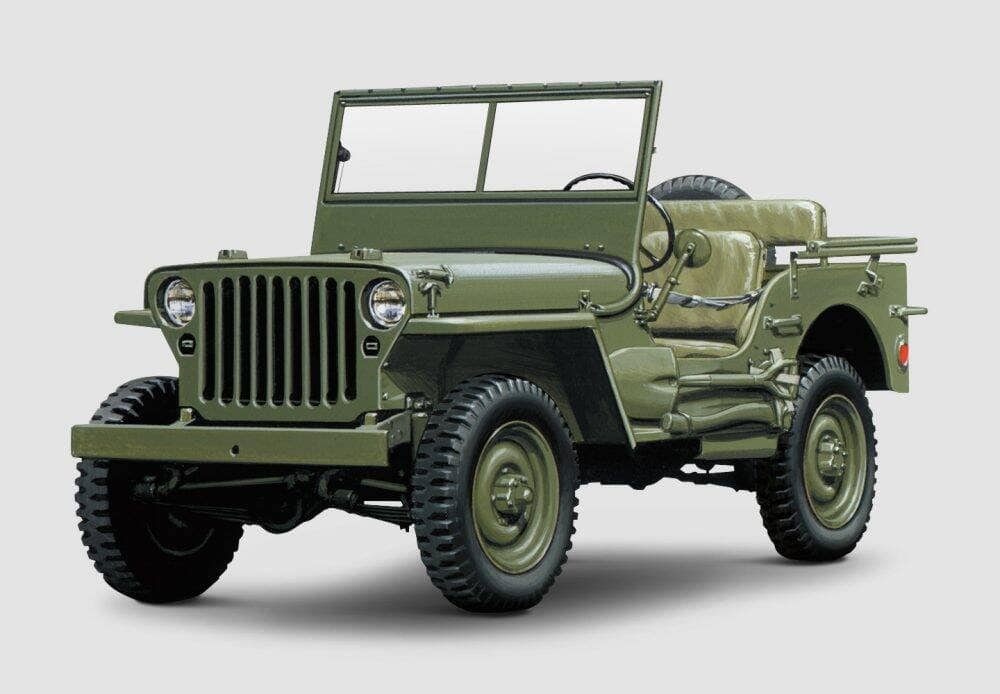
The Best Jeep Accessories for Outdoor Adventures

Jeep vehicles are renowned for their ruggedness and off-road capabilities, making them perfect for outdoor adventures. However, adding the right accessories can elevate your Jeep’s performance, comfort, and safety on challenging terrains. Here’s a guide to the best Jeep accessories for outdoor adventures that will help you get the most out of your off-road experience.

1. High-Performance Tires

1.1. All-Terrain Tires

  • Why They’re Essential: All-terrain tires provide a balance between on-road comfort and off-road capability. They offer enhanced traction on various surfaces, including dirt, gravel, and mud.
  • Top Picks: Look for brands like BFGoodrich All-Terrain T/A KO2 or Goodyear Wrangler Duratrac.

1.2. Mud-Terrain Tires

  • Why They’re Essential: Mud-terrain tires are designed for extreme off-road conditions. They feature deeper treads and larger voids to handle loose, muddy, and rocky terrains.
  • Top Picks: Consider the Nitto Ridge Grappler or the Mickey Thompson Baja MTZ P3.

2. Off-Road Lighting

2.1. LED Light Bars

  • Why They’re Essential: LED light bars provide powerful illumination for nighttime or low-light off-roading. They offer broad coverage and help you see obstacles and trails clearly.
  • Top Picks: The Rigid Industries SR-Series or the KC HiLiTES C-Series are popular choices.

2.2. Spotlights and Floodlights

  • Why They’re Essential: Spotlights and floodlights can be mounted on your Jeep for targeted or wide-area lighting, enhancing visibility during your adventures.
  • Top Picks: The Baja Designs Squadron Pro or the Vision X Xmitter Prime are excellent options.

3. Recovery Gear

3.1. Winch

  • Why It’s Essential: A winch is crucial for self-recovery and assisting others. It helps you get out of tough spots like mud, sand, or steep inclines.
  • Top Picks: The Warn Zeon 10-S or the Smittybilt X20 are reliable winches with high weight ratings.

3.2. Recovery Straps and Shackles

  • Why They’re Essential: Recovery straps and shackles are essential for towing and recovering vehicles in off-road situations. They help you pull out vehicles stuck in difficult conditions.
  • Top Picks: The ARB Recovery Strap and the Factor 55 ProLink are durable and effective options.

4. Skid Plates

4.1. Engine Skid Plate

  • Why It’s Essential: An engine skid plate protects the undercarriage and vital components from damage when driving over rocks or rough terrain.
  • Top Picks: Consider the Rugged Ridge Skid Plate or the AEV Skid Plate System.

4.2. Transfer Case Skid Plate

  • Why It’s Essential: A transfer case skid plate provides protection for the transfer case, preventing damage from impacts and rough surfaces.
  • Top Picks: The Iron Rock Off Road Transfer Case Skid Plate is a strong option.

5. Off-Road Bumpers

5.1. Front Bumper

  • Why It’s Essential: An off-road front bumper offers improved approach angles, better protection, and often includes winch mounts and recovery points.
  • Top Picks: The Warn Front Bumper or the Smittybilt XRC are robust choices.

5.2. Rear Bumper

  • Why It’s Essential: A rear bumper provides protection and may include features like tow hooks and tire carriers, enhancing your Jeep’s utility.
  • Top Picks: The Poison Spyder Rear Bumper or the ARB Rear Bumper are excellent options.

6. Rock Sliders

  • Why They’re Essential: Rock sliders protect the sides of your Jeep from damage while navigating rocky trails and obstacles. They help prevent body damage and provide additional support.
  • Top Picks: The N-Fab Rock Rails or the Metalcloak Rocker Guards are popular choices.

7. Roof Racks

7.1. Roof Rack Systems

  • Why They’re Essential: Roof racks expand your Jeep’s cargo capacity, allowing you to carry extra gear, equipment, and supplies for your adventures.
  • Top Picks: The Thule Tepui or the Rhino-Rack Pioneer Platform are versatile and durable options.

7.2. Roof Top Tents

  • Why They’re Essential: Roof top tents offer a convenient and comfortable sleeping solution for camping off the beaten path.
  • Top Picks: The Tepui Kukenam or the Overland Vehicle Systems Nomadic 3 are well-regarded for their quality and ease of use.

8. Interior Upgrades

8.1. Heavy-Duty Floor Mats

  • Why They’re Essential: Heavy-duty floor mats protect your Jeep’s interior from mud, dirt, and moisture, making it easier to clean after a day of off-roading.
  • Top Picks: The WeatherTech FloorLiner or the Husky Liners WeatherBeater are excellent choices.

8.2. Overhead Storage

  • Why It’s Essential: Overhead storage solutions help organize and keep essential gear within reach, optimizing space inside your Jeep.
  • Top Picks: The GOBI Roof Rack Storage or the Smittybilt Overhead Console are popular and practical options.

9. Air Compressor

  • Why It’s Essential: An air compressor is useful for inflating tires on the go, especially after driving on rough or low-pressure terrain.
  • Top Picks: The ARB Twin Air Compressor or the VIAIR 400P are reliable and efficient choices.

10. Auxiliary Fuel Tank

  • Why It’s Essential: An auxiliary fuel tank extends your Jeep’s range, allowing you to venture further without worrying about running out of fuel.
  • Top Picks: The RotoPax Fuel Pack or the JCR Offroad Auxiliary Tank are durable and easy to install.

Conclusion

Equipping your Jeep with the right accessories can significantly enhance your off-road adventures, providing better performance, protection, and convenience. From high-performance tires and lighting to recovery gear and interior upgrades, these essential accessories will help you tackle any terrain with confidence. Invest in quality products that match your off-roading needs and make the most of your Jeep’s adventurous spirit.

How to Customize Your Jeep for Off-Road Performance

Customizing your Jeep for off-road adventures involves more than just adding flashy accessories. To truly enhance its off-road performance, you’ll need to make thoughtful modifications that improve its capability, durability, and overall driving experience. Here’s a comprehensive guide to help you transform your Jeep into an off-road powerhouse.

1. Upgrade Your Suspension System

1.1. Install a Lift Kit

  • Why It Matters: A lift kit raises the Jeep’s ride height, allowing for greater ground clearance and better approach and departure angles. This helps prevent undercarriage damage and improves your ability to navigate obstacles.
  • Tip: Choose a lift kit that suits your off-roading needs. Consider a suspension lift for more extensive height adjustments or a spacer lift for a more budget-friendly option.

1.2. Upgrade Shocks and Struts

  • Why It Matters: High-quality shocks and struts improve your Jeep’s handling and ride comfort on rough terrain. They help absorb impacts and provide better control over uneven surfaces.
  • Tip: Opt for heavy-duty, off-road shocks that are designed to handle rough conditions and provide better stability.

2. Enhance Your Jeep’s Traction

2.1. Install All-Terrain or Mud-Terrain Tires

  • Why It Matters: Tires are crucial for off-road performance. All-terrain tires offer a balance between on-road comfort and off-road capability, while mud-terrain tires provide superior traction in muddy and loose conditions.
  • Tip: Choose tires with larger, more aggressive treads for better grip. Ensure they are compatible with your Jeep’s lift and wheel setup.

2.2. Add a Limited Slip Differential or Lockers

  • Why It Matters: Limited slip differentials and lockers help distribute power to all wheels, improving traction and stability on challenging terrain.
  • Tip: Consider installing a locking differential for the ultimate traction in extreme off-road conditions.

3. Improve Approach, Departure, and Breakover Angles

3.1. Install a High-Performance Bumper

  • Why It Matters: Off-road bumpers provide better approach and departure angles, protecting your Jeep’s front and rear from damage while navigating obstacles.
  • Tip: Choose a sturdy, lightweight bumper with integrated winch mounts and recovery points.

3.2. Add Rock Sliders

  • Why It Matters: Rock sliders protect the lower sides of your Jeep from damage while climbing over rocks and rough terrain.
  • Tip: Select rock sliders made from durable materials like steel for maximum protection.

4. Upgrade Your Jeep’s Power and Performance

4.1. Install a Performance Air Intake System

  • Why It Matters: A performance air intake system increases airflow to the engine, improving power and efficiency. This is especially beneficial when driving in dusty or sandy conditions.
  • Tip: Choose an intake system designed specifically for off-road use, with high-quality filters and durable construction.

4.2. Upgrade the Exhaust System

  • Why It Matters: A performance exhaust system enhances engine efficiency by reducing back pressure and improving exhaust flow. It can also provide a more aggressive sound.
  • Tip: Opt for a high-performance exhaust system that’s built to withstand off-road conditions and offers better power gains.

5. Enhance Your Jeep’s Visibility and Safety

5.1. Install Off-Road Lighting

  • Why It Matters: Off-road lighting provides better visibility during nighttime or low-light conditions. LED light bars and spotlights are ideal for illuminating dark trails.
  • Tip: Mount lights on the front bumper or roof for optimal coverage. Ensure they are durable and weather-resistant.

5.2. Add a Winch

  • Why It Matters: A winch is essential for self-recovery and helping other off-roaders in difficult situations. It can pull your Jeep out of mud, sand, or other tricky spots.
  • Tip: Choose a winch with a high weight rating and install it on a strong, compatible bumper.

6. Protect Your Jeep from the Elements

6.1. Install a Skid Plate

  • Why It Matters: Skid plates protect vital components like the engine, transmission, and transfer case from damage while driving over rough terrain.
  • Tip: Select a skid plate made from heavy-duty materials like steel or aluminum for maximum protection.

6.2. Add Splash Guards and Mud Flaps

  • Why It Matters: Splash guards and mud flaps prevent mud, rocks, and debris from damaging your Jeep’s undercarriage and paintwork.
  • Tip: Choose guards and flaps designed to withstand harsh conditions and provide ample coverage.

7. Optimize Interior Features for Off-Roading

7.1. Install Heavy-Duty Floor Mats

  • Why It Matters: Off-road driving can lead to muddy and wet conditions inside your Jeep. Heavy-duty floor mats protect your interior from dirt and moisture.
  • Tip: Opt for rubber or all-weather mats that are easy to clean and provide full coverage.

7.2. Upgrade the Interior Lighting

  • Why It Matters: Interior lighting is useful for visibility inside the cabin during nighttime off-roading.
  • Tip: Install LED interior lights that offer bright illumination and can withstand rough conditions.

Conclusion

Customizing your Jeep for off-road performance is an exciting way to enhance its capabilities and enjoy a more thrilling driving experience. By focusing on key areas such as suspension, traction, power, and protection, you can ensure your Jeep is well-prepared for any adventure that comes your way. Remember to choose high-quality components and seek professional installation if needed. With the right upgrades, your Jeep will be ready to tackle any off-road challenge with confidence.

OEM vs. Aftermarket Parts: Which is Better?

When it comes to vehicle repairs and maintenance, choosing between OEM (Original Equipment Manufacturer) parts and aftermarket parts is a crucial decision. Each option offers distinct advantages and potential drawbacks. Here’s a detailed comparison to help you determine which is better for your needs.

1. Understanding OEM Parts

OEM parts are made by the vehicle’s manufacturer or a licensed supplier. They are identical to the parts originally installed in your vehicle during production. Here’s why OEM parts are often preferred:

  • Quality and Compatibility: OEM parts are designed to meet the exact specifications of your vehicle, ensuring perfect fit and function.
  • Warranty: Many OEM parts come with a warranty that matches or exceeds the original vehicle warranty, providing added peace of mind.
  • Longevity: Because they are made to original standards, OEM parts often offer longer durability and reliability.

However, OEM parts tend to be more expensive than aftermarket options, which can be a significant consideration for many drivers.

2. Exploring Aftermarket Parts

Aftermarket parts are produced by companies other than the vehicle’s manufacturer. These parts can vary widely in quality and price. Here’s why aftermarket parts might be a suitable choice:

  • Cost-Effectiveness: Aftermarket parts generally cost less than OEM parts, making them a budget-friendly option.
  • Variety: There is a wide range of aftermarket parts available, offering different brands and performance levels, which can provide more choices for customization.
  • Availability: Aftermarket parts are often more readily available and can be found at various retailers and online stores.

Despite their benefits, aftermarket parts may vary in quality. It’s essential to research and choose reputable brands to ensure you receive reliable components.

3. Pros and Cons of OEM Parts

Pros:

  • Guaranteed fit and function
  • Manufacturer warranty coverage
  • Often higher quality and longer-lasting

Cons:

  • Higher cost
  • Limited options for customization

4. Pros and Cons of Aftermarket Parts

Pros:

  • More affordable
  • Greater variety and customization options
  • Wide availability

Cons:

  • Variable quality
  • Potential compatibility issues
  • Limited warranty coverage

5. Choosing the Right Option

Deciding between OEM and aftermarket parts depends on several factors:

  • Budget: If cost is a primary concern, aftermarket parts may be more suitable.
  • Vehicle Age: For older vehicles, finding OEM parts can be challenging, making aftermarket parts a practical choice.
  • Performance Needs: For high-performance or specialty applications, aftermarket parts might offer enhanced options.

6. Consulting Professionals

When in doubt, consult a trusted mechanic or automotive professional. They can provide recommendations based on your vehicle’s specific needs and your driving habits. Professional advice ensures you make an informed choice that balances quality, cost, and performance.

Conclusion

Both OEM and aftermarket parts have their advantages and disadvantages. OEM parts offer guaranteed quality and compatibility but come at a higher cost. Aftermarket parts provide cost savings and variety but may vary in quality. By considering your budget, vehicle needs, and professional advice, you can make the best decision for your vehicle’s repair and maintenance.

Choosing the Best Car Parts for Your Vehicle

When it comes to maintaining or upgrading your vehicle, choosing the best car parts is crucial. Selecting high-quality components ensures your vehicle runs smoothly and reliably. Let’s go through some essential tips for choosing the best car parts to keep your car in top shape.

Understand Your Vehicle’s Needs

Before choosing the best car parts, it’s important to understand what your vehicle needs. Start by checking your vehicle’s owner’s manual or consulting with a mechanic. This will help you identify the right parts that are compatible with your car’s make and model.

Choosing the Best Car Parts for Your Vehicle

Research the Brand

Not all car parts are created equal. Choosing the best car parts involves researching the brands. Opt for reputable brands known for their quality and reliability. Trusted brands often provide better performance and longer-lasting parts.

Consider OEM vs. Aftermarket Parts

When choosing the best car parts, you’ll need to decide between OEM (Original Equipment Manufacturer) and aftermarket parts. OEM parts are made by the vehicle’s manufacturer and are designed specifically for your car. Aftermarket parts are produced by other companies and may offer cost savings but can vary in quality.

Check for Compatibility

Compatibility is key when choosing the best car parts. Ensure that the parts you select fit your vehicle correctly. Using parts that are not compatible can lead to performance issues or damage. Always verify part numbers and specifications before making a purchase.

Compare Prices

Price can vary significantly between different suppliers and brands. Choosing the best car parts involves comparing prices to find a balance between quality and cost. Be wary of very cheap parts, as they may compromise on quality.

Read Reviews and Ratings

Customer reviews and ratings can provide valuable insights into the quality of car parts. When choosing the best car parts, check online reviews to see what other customers have experienced. This can help you avoid parts that are prone to issues.

Verify Warranties

A warranty can be a good indicator of the part’s quality. Choosing the best car parts means looking for products that come with a warranty. A warranty offers protection in case the part fails or doesn’t meet your expectations.

Consult with a Professional

If you’re unsure about which parts to choose, consult with a professional mechanic. Choosing the best car parts can sometimes be overwhelming, and a mechanic can provide expert advice based on your vehicle’s specific needs.

Check for Return Policies

It’s important to know the return policies of the supplier. Choosing the best parts involves ensuring that you can return or exchange parts if they don’t fit or meet your expectations. This gives you peace of mind when making a purchase.

Assess the Installation Process

Consider how easy or difficult it will be to install the parts. Some parts may require professional installation. Choosing the best parts means understanding whether you can install them yourself or if you’ll need to pay for professional help.

Evaluate Performance Benefits

Look at the performance benefits of the parts you are considering. For example, high-performance brake pads may offer better stopping power. Choosing the best parts involves understanding how the parts will enhance your vehicle’s performance.

Check for Certification

Certified parts often meet higher quality standards. Choosing the best parts means looking for certifications that indicate the part has been tested and approved for safety and performance.

Consider Long-Term Costs

Think about the long-term costs associated with the parts. Sometimes cheaper parts may wear out quickly, leading to more frequent replacements. Choosing the best parts involves weighing initial costs against potential long-term expenses.

Understand Maintenance Requirements

Different parts have different maintenance needs. Choosing the best car parts involves understanding how to care for and maintain them to ensure their longevity and performance.

Buy from Reputable Suppliers

Where you buy your parts is just as important as which parts you choose. Choosing the best car parts means purchasing from reputable suppliers who offer quality products and good customer service.

Conclusion

Choosing the best car parts requires careful consideration of several factors, from compatibility to brand reputation. By following these guidelines, you can ensure that you select high-quality components that enhance your vehicle’s performance and reliability. Always do your research, consult with professionals if needed, and make informed decisions to keep your car running smoothly.

Essential Car Parts Every Driver Should Know

Understanding key car parts can help drivers better maintain their vehicles and respond effectively to common issues. Knowing these parts not only improves your ability to handle basic maintenance but also aids in communicating with mechanics. Here’s a guide to essential car parts every driver should know.

1. Engine

The engine is the heart of your vehicle, converting fuel into power. It consists of various components like pistons, cylinders, and camshafts that work together to generate motion. Regular engine maintenance, such as oil changes and filter replacements, ensures its optimal performance.

2. Transmission

The transmission transfers power from the engine to the wheels. It can be manual or automatic, affecting how you control the vehicle’s speed and torque. Regular checks and fluid changes are crucial for smooth gear shifts and overall transmission health.

3. Brakes

The braking system includes components like brake pads, rotors, and calipers. These parts work together to slow down or stop the vehicle. Routine inspections and timely replacement of brake pads and rotors are essential for safe driving.

4. Battery

The battery supplies electrical power to start the engine and power accessories. It consists of cells that store and release electrical energy. Regularly checking battery charge and ensuring clean terminals can prevent unexpected starting issues.

5. Alternator

The alternator generates electrical power while the engine runs, recharging the battery and powering the vehicle’s electrical systems. A failing alternator can lead to battery drainage and electrical malfunctions. Regular checks ensure it’s working properly.

6. Radiator

The radiator helps maintain the engine’s temperature by cooling the coolant that circulates through the engine. Proper radiator function prevents overheating. Regularly checking coolant levels and inspecting the radiator for leaks or damage is vital for engine health.

7. Suspension

The suspension system includes components like shocks, struts, and springs that absorb road impacts and maintain vehicle stability. A well-maintained suspension ensures a smooth ride and proper handling. Regular inspections can identify issues like worn-out shocks or struts.

8. Air Filter

The air filter prevents debris and contaminants from entering the engine. A clean air filter improves fuel efficiency and engine performance. Regularly checking and replacing the air filter can enhance engine longevity and efficiency.

9. Fuel Filter

The fuel filter removes impurities from the fuel before it reaches the engine. A clogged fuel filter can cause poor engine performance and reduced fuel efficiency. Regular replacement is necessary to ensure clean fuel flow.

10. Exhaust System

The exhaust system channels harmful gases away from the engine and reduces noise. Key components include the muffler and catalytic converter. Regular inspections can prevent issues like increased noise or emissions and ensure compliance with environmental standards.

Conclusion

Familiarizing yourself with essential car parts, such as the engine, transmission, and brakes, enhances your ability to maintain your vehicle and address common issues. Regular maintenance and inspections of these parts ensure your car remains in good working condition, contributing to safer and more reliable driving.

Jeep Maintenance Tips for Off-Road Enthusiasts

Owning a Jeep is an adventure in itself, especially if you’re an off-road enthusiast who takes your vehicle through challenging terrains. To ensure your Jeep remains reliable and performs at its best, regular maintenance is crucial. Here are some key maintenance tips to keep your Jeep in top shape for those off-road adventures.

1. Regularly Inspect and Change Fluids

1.1. Engine Oil

  • Why It Matters: Engine oil lubricates moving parts and keeps the engine running smoothly. Off-road driving can put extra strain on the engine, making regular oil changes essential.
  • Tip: Check your oil level and quality regularly. Change the oil every 3,000 to 5,000 miles, or more frequently if you drive in extreme conditions.

1.2. Transmission Fluid

  • Why It Matters: Transmission fluid helps in the smooth operation of your vehicle’s transmission. Off-road driving can lead to increased heat and strain on the transmission.
  • Tip: Inspect the transmission fluid level and color. Replace it according to your Jeep’s service schedule, or more often if you frequently tackle tough terrain.

1.3. Differential Fluid

  • Why It Matters: Differential fluid lubricates the gears in the differential, which are crucial for transferring power to the wheels. Off-road driving can cause the fluid to degrade faster.
  • Tip: Check the differential fluid levels regularly and replace it every 30,000 to 50,000 miles, or more often if you experience rough off-road conditions.

2. Inspect and Maintain the Suspension System

2.1. Check for Wear and Tear

  • Why It Matters: Your Jeep’s suspension system is put to the test during off-road driving, which can lead to accelerated wear and tear on components.
  • Tip: Regularly inspect shocks, struts, and springs for signs of damage or leaks. Replace any worn-out parts to ensure proper handling and comfort.

2.2. Align the Suspension

  • Why It Matters: Off-road driving can impact wheel alignment, leading to uneven tire wear and handling issues.
  • Tip: Have your Jeep’s alignment checked and adjusted if necessary, especially if you notice uneven tire wear or handling problems.

3. Maintain the Tires

3.1. Check Tire Pressure

  • Why It Matters: Proper tire pressure is crucial for off-road performance and safety. Over or under-inflated tires can affect traction and handling.
  • Tip: Regularly check and adjust tire pressure according to your Jeep’s specifications. Remember to lower tire pressure for better traction on soft surfaces like sand or mud.

3.2. Inspect for Damage

  • Why It Matters: Off-road driving can lead to cuts, punctures, and other damage to your tires.
  • Tip: Regularly inspect tires for visible damage and replace any tires that show signs of excessive wear or punctures.

4. Keep the Cooling System in Check

4.1. Monitor Coolant Levels

  • Why It Matters: The cooling system prevents your engine from overheating, which is especially important during demanding off-road conditions.
  • Tip: Check coolant levels regularly and top up as needed. Flush and replace coolant according to your Jeep’s service schedule to prevent overheating.

4.2. Inspect Radiator and Hoses

  • Why It Matters: Radiator and hose issues can lead to engine overheating, which can be exacerbated by off-road driving.
  • Tip: Regularly inspect the radiator for leaks and ensure that hoses are in good condition. Replace any damaged hoses or components promptly.

5. Clean and Protect Your Jeep

5.1. Wash and Rinse After Off-Roading

  • Why It Matters: Mud, dirt, and debris can cause long-term damage to your Jeep’s exterior and undercarriage.
  • Tip: Rinse off mud and dirt thoroughly after each off-road trip to prevent corrosion and buildup. Pay special attention to the undercarriage and wheel wells.

5.2. Apply Rust Protection

  • Why It Matters: Off-road driving exposes your Jeep to harsh elements, which can accelerate rust and corrosion.
  • Tip: Apply a rust protection treatment to vulnerable areas, especially if you frequently drive in wet or salty conditions.

6. Regularly Check Electrical Systems

6.1. Inspect Battery and Connections

  • Why It Matters: Off-road driving can subject your Jeep’s electrical system to vibrations and extreme conditions.
  • Tip: Check battery terminals for corrosion and ensure connections are secure. Replace the battery if it shows signs of weakness or damage.

6.2. Test Lights and Electronics

  • Why It Matters: Proper lighting and electronics are crucial for off-road safety and navigation.
  • Tip: Regularly test headlights, tail lights, and other electrical components to ensure they are functioning correctly. Replace any faulty bulbs or components.

7. Schedule Professional Inspections

7.1. Annual Check-Ups

  • Why It Matters: Professional inspections can identify potential issues before they become major problems.
  • Tip: Schedule an annual check-up with a mechanic who is familiar with off-road vehicles. This can help catch issues early and ensure your Jeep remains in top condition.

7.2. Specialized Off-Road Service

  • Why It Matters: Off-road driving puts unique demands on your vehicle that may require specialized knowledge.
  • Tip: Consider visiting a mechanic or service center that specializes in off-road vehicles for more thorough maintenance and repairs.

Conclusion

Proper maintenance is key to ensuring that your Jeep remains reliable and performs at its best during off-road adventures. By following these tips and staying on top of routine care, you can keep your Jeep in top shape and ready for any challenge that comes your way. Regular inspections, fluid checks, and proactive care will help you enjoy many more adventures in your rugged and dependable Jeep.

Best Practices for Servicing Your Jeep

When it comes to maintaining your Jeep, following the right steps is essential. Servicing your Jeep regularly keeps it running smoothly and extends its life. Here’s a guide to help you understand the best practices for keeping your Jeep in top shape.

Follow the Manufacturer’s Maintenance Schedule

One of the most important steps in servicing your Jeep is sticking to the manufacturer’s maintenance schedule. This schedule includes regular intervals for oil changes, tire rotations, and other essential services. Adhering to this schedule ensures that your Jeep receives the care it needs at the right times.

Servicing Your Jeep
Servicing Your Jeep

Change the Oil Regularly

Oil is crucial for your engine’s performance. Servicing your Jeep includes changing the oil and oil filter at recommended intervals. Fresh oil helps to lubricate engine parts and prevent overheating. If you drive your Jeep in harsh conditions, consider changing the oil more frequently.

Inspect and Replace the Air Filter

A clean air filter improves engine efficiency and fuel economy. Servicing your Jeep means checking the air filter regularly and replacing it when it’s dirty. A clean filter allows your engine to breathe better, enhancing overall performance.

Check the Tires

Your Jeep’s tires need regular attention to ensure safety and performance. Servicing your Jeep involves checking tire pressure, tread depth, and alignment. Properly inflated and aligned tires improve handling and fuel efficiency.

Monitor Fluid Levels

Keeping an eye on fluid levels is a key part of servicing your Jeep. Regularly check the levels of coolant, brake fluid, transmission fluid, and power steering fluid. Topping off or replacing fluids as needed helps maintain your Jeep’s performance and prevents potential damage.

Inspect the Brakes

Brakes are essential for your safety. Servicing your Jeep includes inspecting the brake pads, rotors, and fluid regularly. Replace worn brake pads and ensure that the brake system is functioning correctly to avoid any braking issues.

Examine the Battery

A well-functioning battery is crucial for starting your Jeep and powering electrical systems. Servicing your Jeep involves checking the battery’s charge and condition. Clean any corrosion from the terminals and ensure that the battery is securely mounted.

Check the Suspension System

Your Jeep’s suspension system affects ride quality and handling. Servicing your Jeep includes inspecting shock absorbers, struts, and other suspension components for wear. Addressing any issues with the suspension helps maintain a smooth and safe ride.

Test the Lights and Electrical System

Proper lighting is essential for safe driving. Servicing your Jeep means checking all lights, including headlights, taillights, and turn signals, to ensure they’re working correctly. Also, inspect the electrical system for any issues that could affect your Jeep’s performance.

Clean the Exterior and Interior

Regular cleaning is part of servicing your Jeep. Washing the exterior removes dirt and grime that can cause rust. Cleaning the interior helps maintain the overall condition of your Jeep and keeps it comfortable.

Check the Belts and Hoses

Belts and hoses are critical for various engine functions. Servicing your car involves inspecting these components for any signs of wear or damage. Replace any worn belts or hoses to prevent potential breakdowns.

Inspect the Differential and Transfer Case

For off-road enthusiasts, the differential and transfer cases are vital components. Servicing your car includes checking the fluid levels and conditions of these parts. Regular maintenance helps ensure they operate smoothly, especially during tough off-road conditions.

Examine the Exhaust System

The exhaust system needs regular inspection to ensure it’s in good condition. Servicing your car includes checking for leaks, rust, or damage in the exhaust system. A well-maintained exhaust system helps keep your Jeep running efficiently and quietly.

Lubricate Moving Parts

Lubrication is key to maintaining various parts of your Jeep. Servicing your car involves lubricating door hinges, lock mechanisms, and other moving parts. This helps prevent rust and ensures smooth operation.

Review the Owner’s Manual

The owner’s manual provides valuable information about servicing your Jeep. Review it regularly to understand specific maintenance requirements and recommendations for your Jeep model. Following these guidelines ensures you don’t miss any important service intervals.

Conclusion

Servicing your Jeep involves a range of tasks that keep your vehicle running smoothly and safely. By following these best practices, you can ensure that your Jeep remains in top condition, whether you’re on the road or off the beaten path. Regular maintenance is key to enjoying a reliable and enjoyable driving experience.

Maintaining Your Jeep for Optimal Performance

Proper maintenance ensures that your Jeep continues to perform at its best, whether you’re on rugged trails or everyday roads. Regular upkeep not only extends the vehicle’s lifespan but also enhances its off-road capabilities and overall reliability. Here’s a guide to maintaining your Jeep for optimal performance.

1. Regular Oil Changes

Changing the engine oil regularly is crucial for maintaining your Jeep’s performance. Follow the manufacturer’s recommendations for oil type and change intervals. Fresh oil lubricates the engine, reduces friction, and helps prevent overheating. Regular oil changes ensure smooth operation and longevity of your engine.

2. Inspecting and Replacing Filters

Check and replace the air, fuel, and cabin filters as recommended. The air filter prevents debris from entering the engine, while the fuel filter ensures clean fuel delivery. A clean cabin filter improves air quality inside the vehicle. Regular filter maintenance supports engine efficiency and overall vehicle health.

3. Maintaining Tire Health

Inspect your Jeep’s tires regularly for proper inflation, tread depth, and signs of wear. Properly inflated tires improve fuel efficiency and handling, while adequate tread depth ensures better traction, especially off-road. Rotate the tires as recommended to promote even wear and extend their lifespan.

4. Checking Fluid Levels

Regularly check and top off essential fluids, including coolant, brake fluid, transmission fluid, and power steering fluid. Proper fluid levels ensure that your Jeep’s systems operate correctly and prevent potential damage. Flushing and replacing fluids according to the manufacturer’s schedule helps maintain optimal performance.

5. Inspecting the Suspension System

The suspension system is vital for off-road performance and ride comfort. Regularly inspect components like shocks, struts, and control arms for signs of wear or damage. Address any issues promptly to maintain your Jeep’s handling and stability, especially on rough terrain.

6. Cleaning and Protecting the Exterior

Regularly wash and wax your Jeep to protect the exterior from dirt, salt, and other environmental factors. A clean and well-maintained exterior prevents rust and damage, preserving the vehicle’s appearance and value. Pay special attention to undercarriage cleaning, especially after off-road excursions.

7. Conducting Routine Inspections

Perform routine inspections of key components such as the battery, belts, and hoses. Check for corrosion on battery terminals, cracks in belts, and leaks in hoses. Regular inspections help identify potential issues before they become major problems, ensuring your Jeep remains in top condition.

8. Scheduling Professional Maintenance

In addition to regular DIY maintenance, schedule periodic professional service. A qualified mechanic can perform in-depth inspections, diagnostics, and repairs that go beyond routine tasks. Professional maintenance ensures that your Jeep receives comprehensive care and addresses any complex issues.

Conclusion

Maintaining your Jeep for optimal performance involves regular oil changes, filter replacements, tire inspections, and fluid checks. Additionally, monitoring the suspension system, cleaning the exterior, and scheduling professional service contribute to your vehicle’s longevity and reliability. By following these maintenance practices, you can ensure that your Jeep continues to deliver exceptional performance on and off the road.

The Evolution of the Jeep Wrangler

The Jeep Wrangler is one of the most iconic and enduring SUVs in automotive history. Known for its rugged design and off-road capabilities, the Wrangler has undergone significant changes since its inception, evolving from a military workhorse to a modern-day adventure vehicle. Here’s a look at the evolution of the Jeep Wrangler and how it has adapted to changing times while maintaining its legendary status.

1. The Origins of the Jeep Wrangler

1.1. The CJ Series (1945-1986)

  • CJ-2A (1945-1949): The CJ-2A was the first civilian Jeep model, designed for versatility and off-road performance. It featured a flat-fender design and a simple, utilitarian approach, catering to post-war consumers seeking a reliable and rugged vehicle.
  • CJ-5 (1954-1983): Introduced in the 1950s, the CJ-5 retained the classic Jeep look but added improvements like a more comfortable interior and updated suspension. It became popular for its rugged off-road capabilities and was widely used in both civilian and military applications.
  • CJ-7 (1976-1986): The CJ-7 brought a new level of comfort and capability, featuring a longer wheelbase and optional automatic transmission. It also introduced more modern amenities while preserving the classic Jeep look.

2. The Birth of the Wrangler

2.1. YJ Series (1987-1995)

  • Design and Features: The YJ marked the official transition from the CJ to the Wrangler nameplate. It introduced square headlights, which were a departure from the CJ’s round lights, and updated suspension for improved ride comfort. The YJ also featured a more refined interior and greater attention to safety and emissions standards.
  • Performance: Despite its more modern features, the YJ remained true to its off-road roots, offering robust 4WD systems and a durable chassis suitable for both urban and off-road adventures.

3. The Modern Wrangler Era

3.1. TJ Series (1997-2006)

  • Design and Features: The TJ reintroduced round headlights, paying homage to the classic Jeep look. It featured a redesigned suspension system, the “Coil Spring Suspension,” which improved ride quality and handling. The TJ also offered enhanced safety features and a more refined interior.
  • Performance: The TJ was praised for its off-road capabilities and versatility, with options like the Rubicon trim that offered additional off-road enhancements such as locking differentials and increased ground clearance.

3.2. JK Series (2007-2018)

  • Design and Features: The JK series represented a significant redesign, with a more modern and spacious interior, improved safety features, and advanced technology options. It introduced a four-door model, the Wrangler Unlimited, which appealed to families and those needing more cargo space.
  • Performance: The JK continued the Wrangler’s tradition of off-road excellence, with improved engines, better handling, and optional features like the “Trail Rated®” badge, denoting its readiness for tough off-road conditions.

3.3. JL Series (2018-Present)

  • Design and Features: The JL represents the latest iteration of the Wrangler, blending modern technology with classic Jeep design. It offers a more refined interior, advanced infotainment systems, and numerous customization options. The JL also includes updated safety features and improved fuel efficiency.
  • Performance: The JL continues to excel in off-road performance, with features like the “Selec-Trac” and “Command-Trac” 4WD systems, a more robust suspension, and various trim levels catering to different driving needs, from daily commuting to serious off-roading.

4. Key Innovations and Changes

  • Technology Upgrades: Throughout its evolution, the Wrangler has integrated advancements such as touch-screen infotainment systems, smartphone connectivity, and driver assistance features while maintaining its rugged appeal.
  • Comfort and Convenience: Modern Wranglers offer improved comfort with features like heated seats, advanced climate control, and enhanced noise insulation, balancing off-road capability with everyday usability.
  • Eco-Friendly Options: The latest Wrangler models include hybrid options, reflecting the automotive industry’s shift towards more eco-friendly solutions while retaining off-road performance.

5. Conclusion

The Jeep Wrangler’s evolution from the CJ series to the JL reflects a journey of continuous improvement while staying true to its off-road heritage. Each generation has brought enhancements in technology, comfort, and performance, ensuring that the Wrangler remains a top choice for adventure enthusiasts and everyday drivers alike. As the Wrangler continues to evolve, it will undoubtedly maintain its iconic status and appeal to new generations of drivers seeking a blend of rugged capability and modern features.

Jeep vs. Land Rover: Which SUV is Better

When it comes to choosing an SUV, Jeep and Land Rover are two prominent brands known for their rugged, off-road capabilities and luxurious features. Each brand has a rich history and a reputation for producing high-quality vehicles, but they cater to different types of drivers. This comprehensive comparison will help you decide which SUV brand—Jeep or Land Rover—is better suited for your needs.

1. Brand Overview

1.1. Jeep

Jeep, an American automaker, is famous for its off-road prowess and iconic models like the Wrangler and Grand Cherokee. Jeep vehicles are known for their rugged durability and versatility, making them popular among adventure seekers and outdoor enthusiasts.

1.2. Land Rover

Land Rover, a British luxury SUV manufacturer, is renowned for its sophisticated design and advanced off-road technologies. With models like the Range Rover and Defender, Land Rover combines luxury with rugged performance, appealing to those who want a blend of elegance and adventure.

2. Off-Road Capabilities

2.1. Jeep

  • Trail Rated®: Jeep models, especially the Wrangler and Gladiator, are known for their Trail Rated® badges, signifying their ability to handle extreme off-road conditions.
  • 4WD Systems: Jeep offers advanced 4WD systems with features like locking differentials and high ground clearance.
  • Terrain Management: Jeep vehicles often come with terrain management systems that allow drivers to adjust settings based on the driving conditions.

2.2. Land Rover

  • Terrain Response® System: Land Rover’s Terrain Response® system adapts the vehicle’s settings to different terrains, including mud, sand, and snow.
  • Air Suspension: Many Land Rover models feature air suspension, which provides adjustable ride height and enhanced off-road capability.
  • Advanced Technology: Land Rover incorporates technologies such as the All-Terrain Progress Control (ATPC) for improved traction and control.

3. Luxury and Comfort

3.1. Jeep

  • Interior Quality: Jeep’s luxury models, like the Grand Cherokee Overland and Summit trims, offer high-quality materials and advanced features, but they typically focus more on functionality.
  • Comfort Features: Jeep vehicles include features like heated seats, premium audio systems, and advanced climate control in higher trims.

3.2. Land Rover

  • Luxurious Interiors: Land Rover is known for its opulent interiors with premium materials, sophisticated design, and cutting-edge technology.
  • Comfort Options: Land Rover vehicles offer features like massage seats, panoramic sunroofs, and high-end infotainment systems.

4. Performance

4.1. Jeep

  • Engine Options: Jeep offers a range of engines, from fuel-efficient V6 options to powerful V8s in models like the Grand Cherokee SRT.
  • Towing Capacity: Jeep trucks, like the Gladiator, are known for their impressive towing capabilities.

4.2. Land Rover

  • Engine Variety: Land Rover provides a selection of engines, including turbocharged four-cylinders and powerful V8s in models like the Range Rover Sport.
  • Refined Performance: Land Rover vehicles offer smooth rides and responsive handling, combining luxury with performance.

5. Technology and Safety

5.1. Jeep

  • Infotainment System: Jeep’s Uconnect® system offers user-friendly interfaces with features like Apple CarPlay and Android Auto.
  • Safety Features: Higher trims include advanced safety features such as adaptive cruise control, lane departure warning, and automatic emergency braking.

5.2. Land Rover

  • Infotainment System: Land Rover’s InControl® Touch Pro system provides a high-resolution touchscreen, navigation, and connectivity features.
  • Advanced Safety: Land Rover includes cutting-edge safety technologies such as adaptive cruise control, blind-spot monitoring, and automated parking.

6. Cost and Value

6.1. Jeep

  • Pricing: Jeep offers a range of pricing, with more affordable options like the Compass and Renegade, and premium models like the Grand Cherokee.
  • Value for Money: Jeep provides good value for money, especially in terms of off-road capabilities and rugged durability.

6.2. Land Rover

  • Pricing: Land Rover’s vehicles are generally more expensive, reflecting their luxury status and advanced features.
  • Luxury Value: Land Rover’s higher price point is justified by its luxurious interiors, advanced technologies, and superior off-road performance.

7. Conclusion

Choosing between Jeep and Land Rover ultimately depends on your preferences and needs. If you prioritize rugged off-road capabilities and value for money, Jeep offers excellent options with its Trail Rated® models and practical features. On the other hand, if you seek luxury, refined performance, and advanced technology, Land Rover provides a premium experience with its sophisticated vehicles.

Both brands have their strengths, so consider what aspects are most important for your lifestyle. Test-driving models from both brands will also help you make an informed decision and find the SUV that best suits your driving needs.