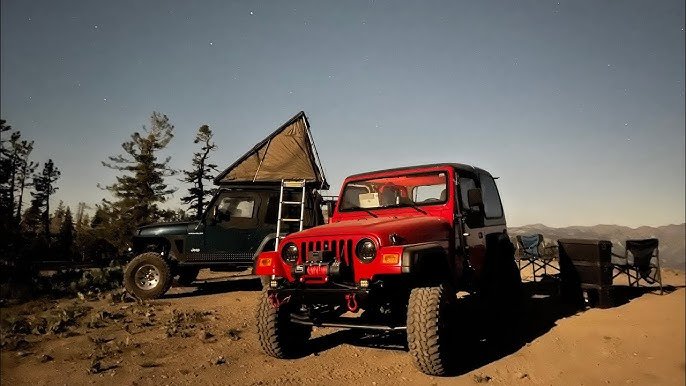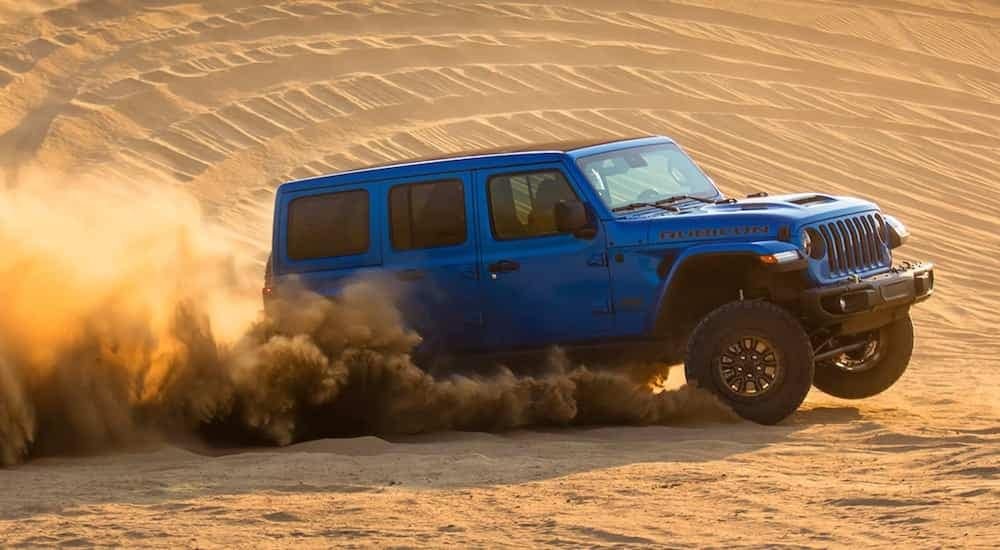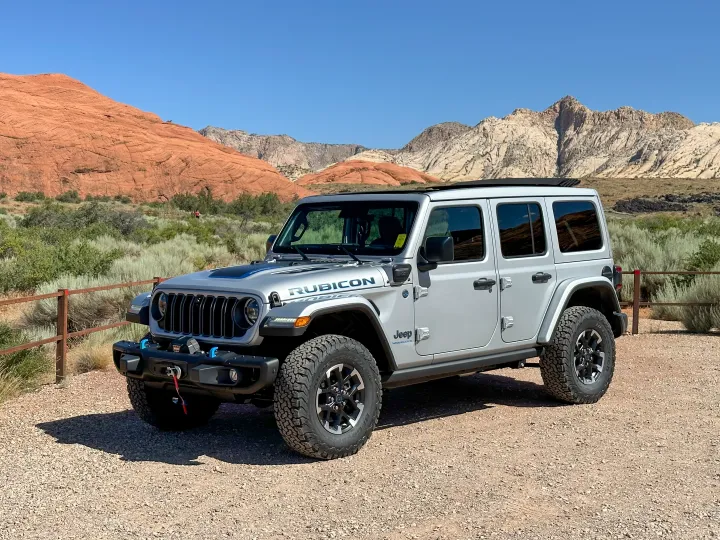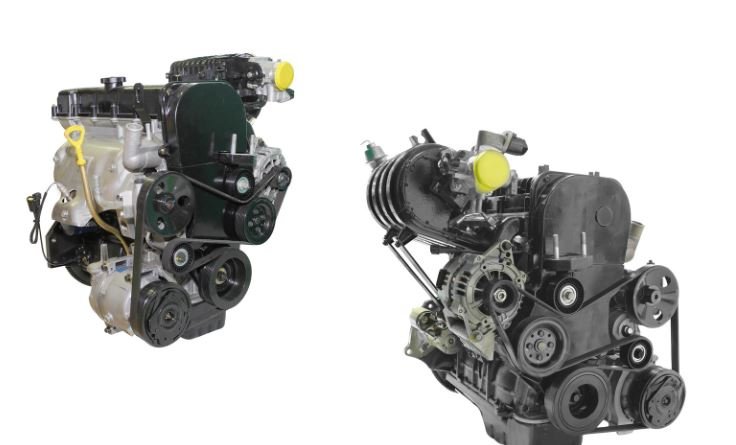
Preparing Your Jeep for Winter Off-Roading

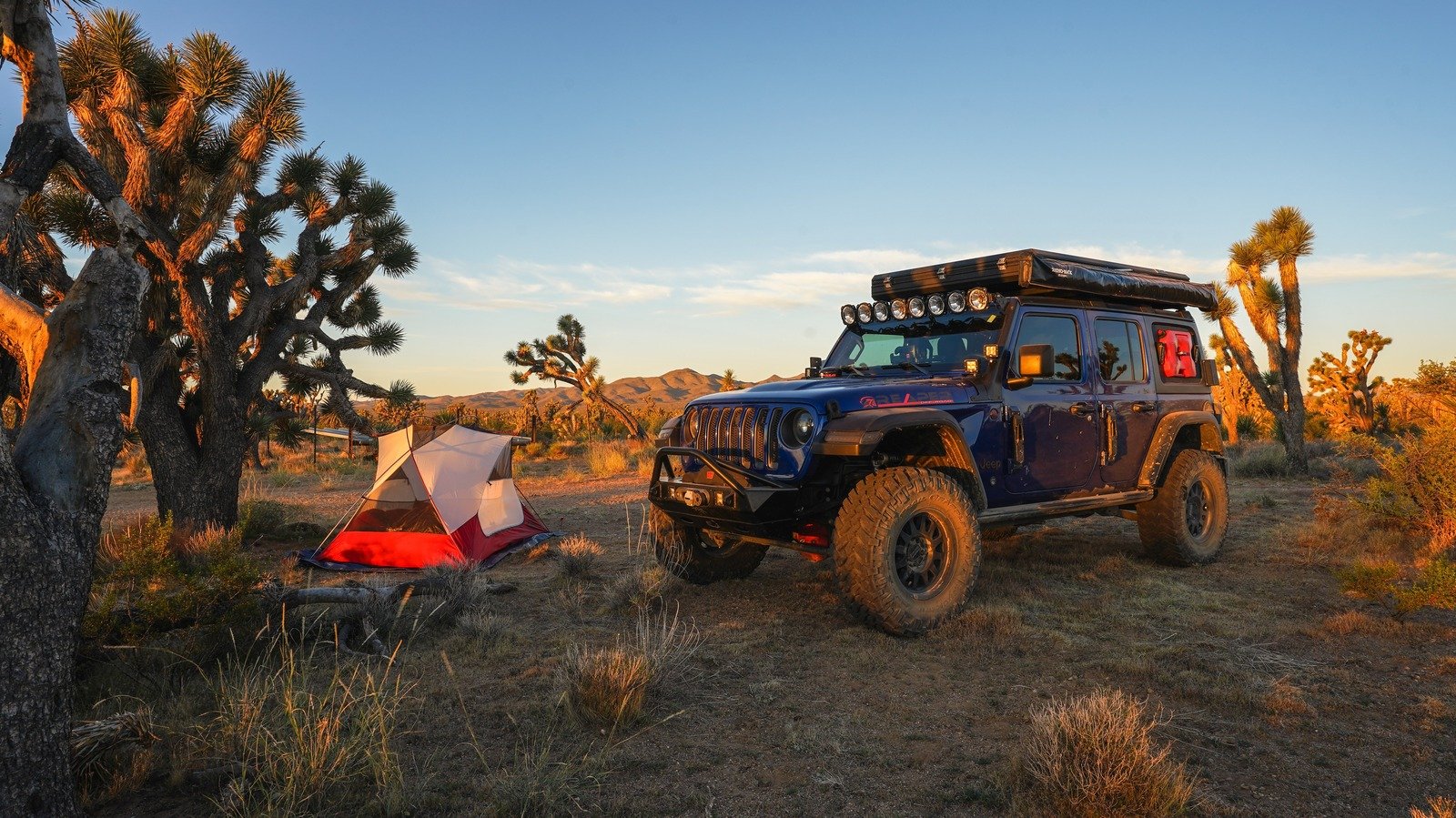
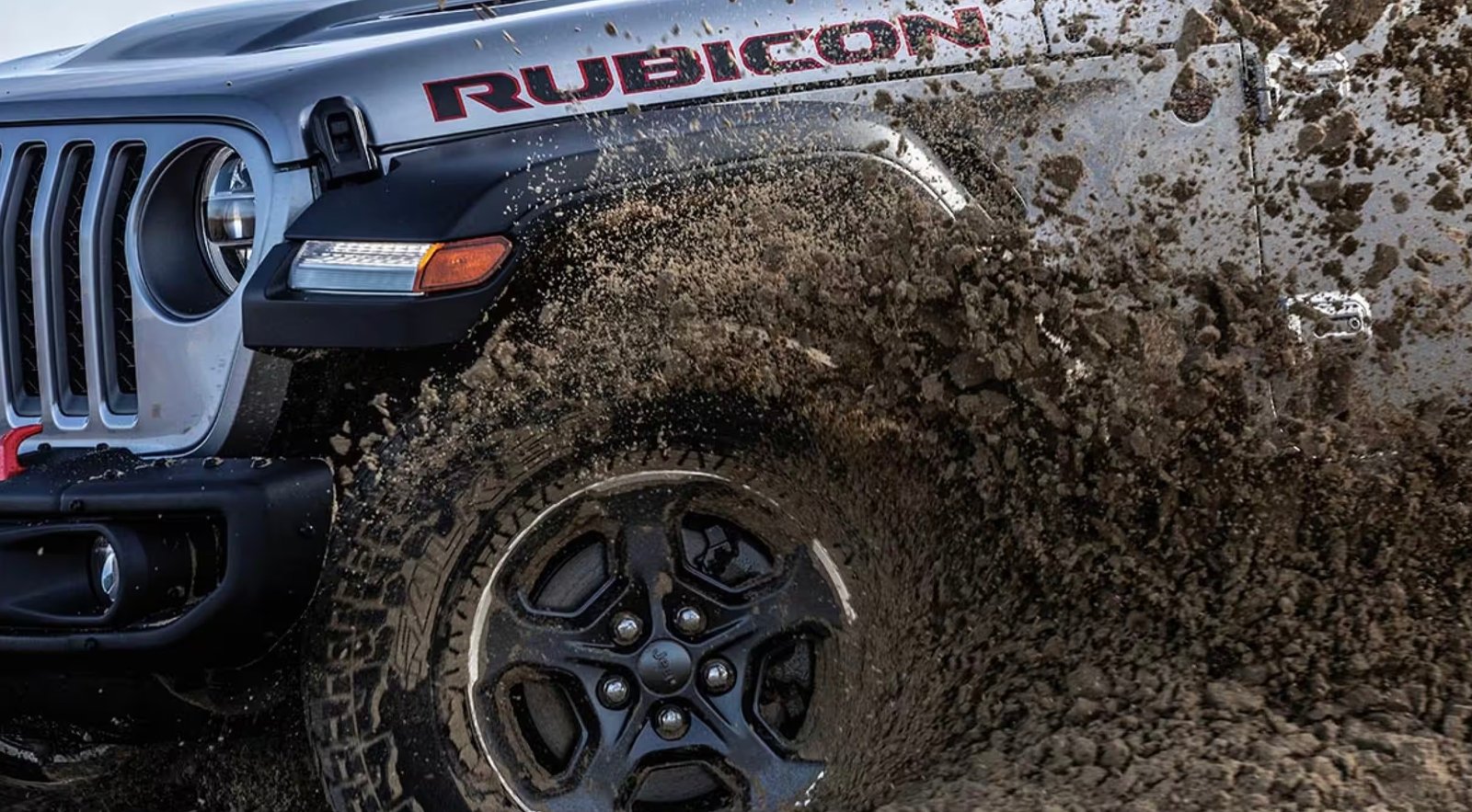
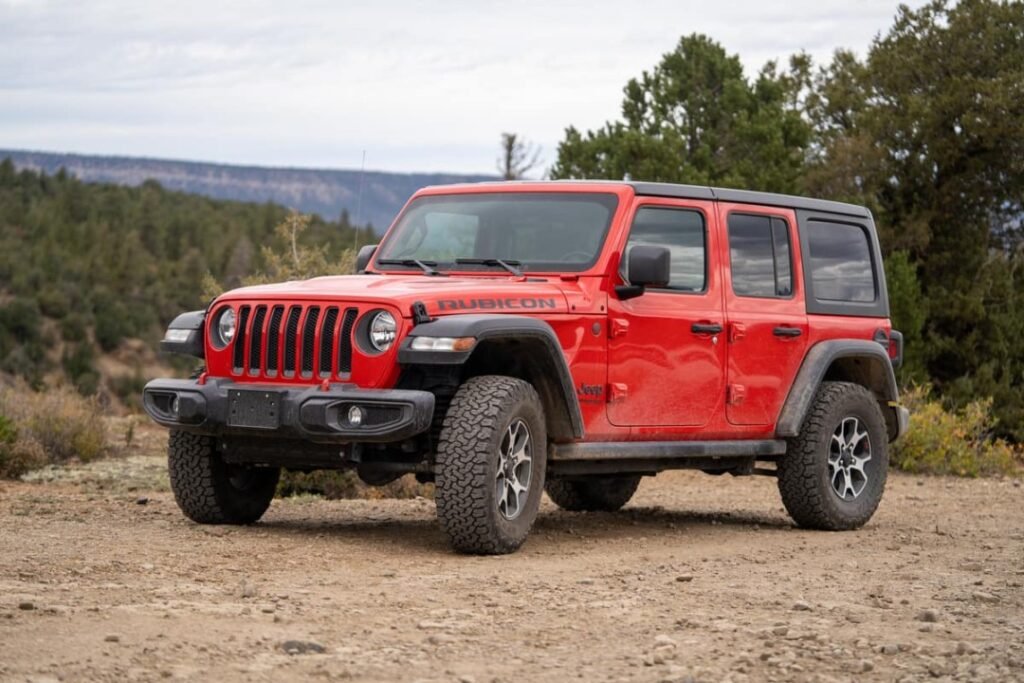
Winter off-roading can be an exhilarating experience, but it also requires some extra preparation. Preparing your Jeep for winter off-roading is crucial to ensure both safety and performance. Here’s a guide to help you get your Jeep ready for those snowy, icy adventures.

Check Your Tires

When preparing your Jeep for winter off-roading, the first step is to ensure your tires are up to the challenge. Winter tires or all-terrain tires with deep treads are essential for better traction on snow and ice. Make sure the tires are properly inflated, as cold weather can cause them to lose pressure.

Preparing Your Jeep for Winter Off-Roading

Inspect Your Battery

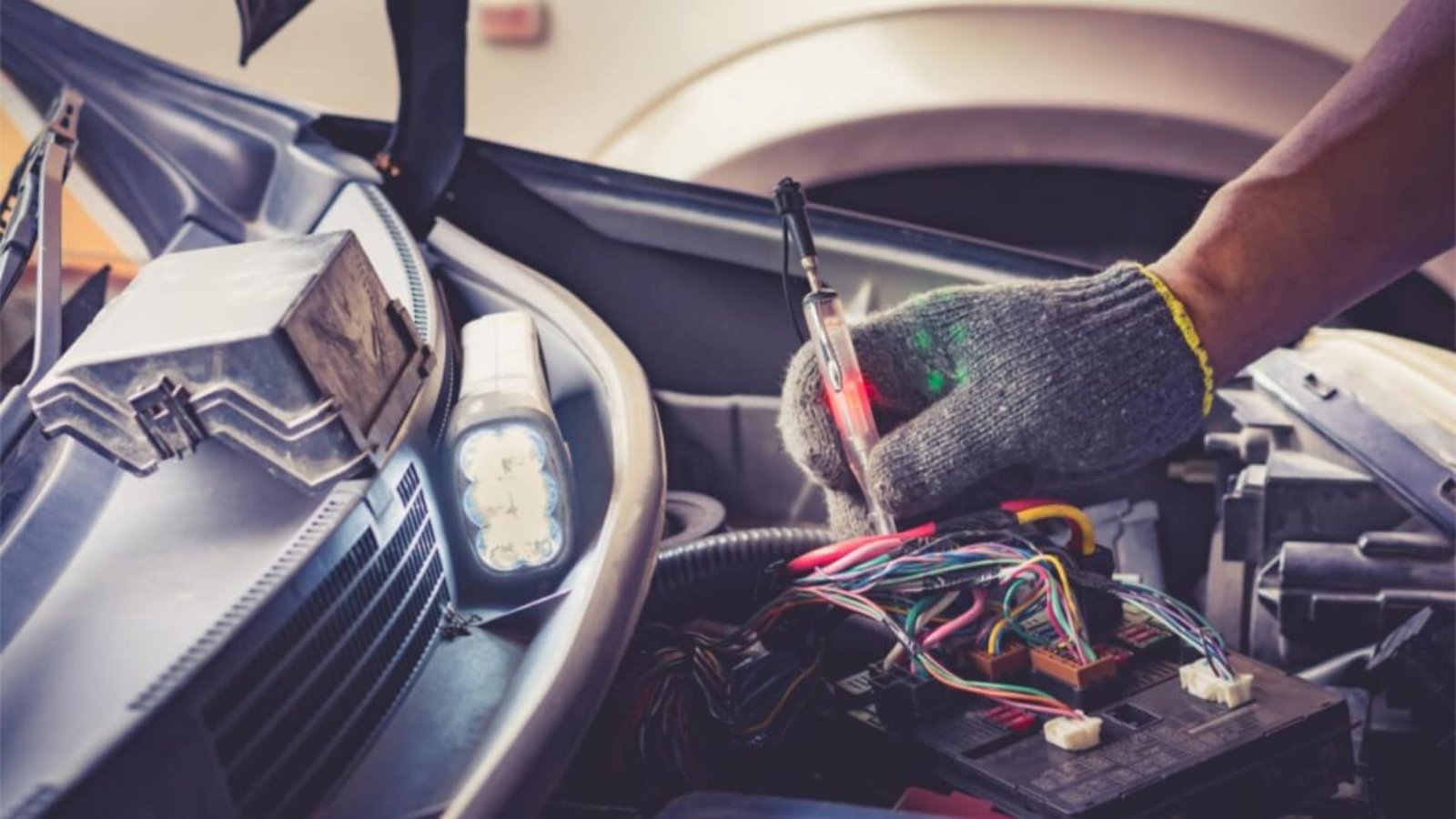
Cold temperatures can affect your battery’s performance. Before heading out, prepare your Jeep for winter off-roading by checking the battery’s charge and condition. If your battery is old or showing signs of wear, consider replacing it to avoid getting stuck in the middle of nowhere.

Change the Oil

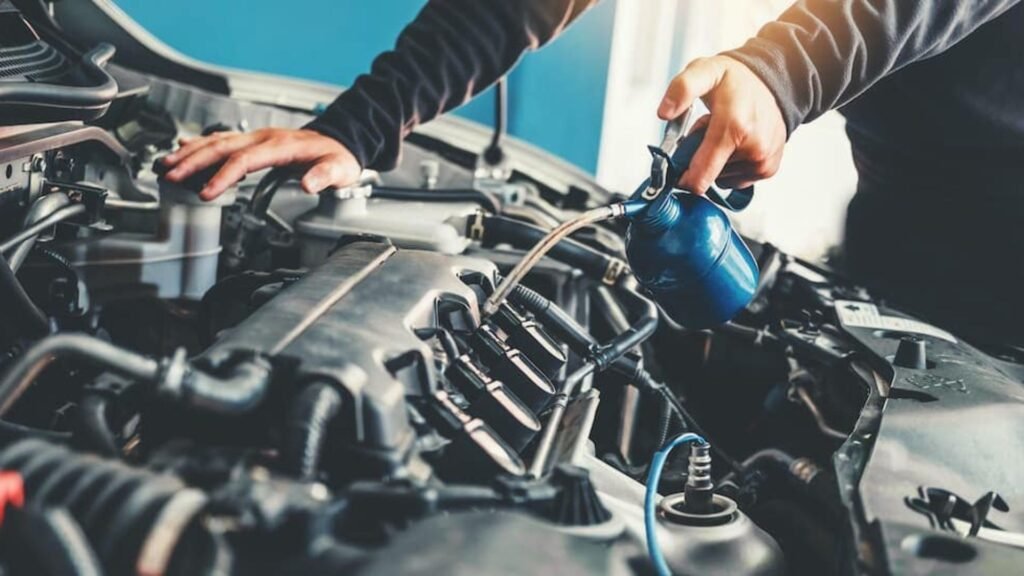
Winter conditions can make engine oil thicker, which affects performance. To ensure your Jeep runs smoothly, prepare your Jeep for winter off-roading by using a thinner oil designed for colder temperatures. This helps the engine start more easily and run more efficiently.

Test Your 4WD System

A reliable four-wheel-drive system is essential for winter off-roading. Preparing your Jeep for winter off-roading involves testing the 4WD system to ensure it engages and functions correctly. If you notice any issues, address them before hitting the trails.

Check Your Lights

Visibility is crucial in winter conditions. Before you go off-roading, prepare your Jeep for winter off-roading by checking that all your lights, including headlights, taillights, and fog lights, are working properly. Clear any snow or ice from the lights to maximize visibility.

Top Off Fluids

Ensure all your fluids are at the appropriate levels. This includes windshield washer fluid, coolant, and brake fluid. Preparing your Jeep for winter off-roading means topping off these fluids to avoid running into issues on the road.

Prepare Your Winch

If you have a winch, make sure it is in good working condition. Preparing your Jeep for winter off-roading includes checking the winch cable for any wear and tear and ensuring it is properly lubricated. A functional winch can be a lifesaver if you get stuck.

Pack an Emergency Kit

An emergency kit is a must-have for winter off-roading. Preparing your Jeep for winter off-roading involves packing essentials like a shovel, blankets, first-aid supplies, and non-perishable food. This kit can help you stay safe if you find yourself stranded.

Inspect Your Brakes

Brakes are vital for safety, especially on slippery surfaces. Before you head out, prepare your Jeep for winter off-roading by having your brakes inspected. Replace any worn brake pads and ensure the brake system is in top condition.

Check the Heater and Defroster

A functioning heater and defroster are important for comfort and visibility. Preparing your Jeep for winter off-roading means testing these systems to make sure they are working properly. They help keep your windshield clear and your cabin warm.

Secure Your Gear

Loose gear can become a hazard during off-roading. Preparing your Jeep for winter off-roading involves securing all your equipment and supplies to prevent them from shifting or causing injury. Use storage solutions and tie-downs to keep everything in place.

Review Your Off-Roading Skills

Winter off-roading requires different skills compared to summer driving. Preparing your Jeep for off-roading includes reviewing techniques for driving on snow and ice, such as smooth acceleration and braking.

Clean Your Jeep

Before heading out, give your Jeep a good cleaning. Preparing your Jeep for off-roading includes removing any dirt or debris from under the vehicle. This helps prevent rust and ensures that everything operates smoothly.

Check the Alignment

Proper alignment is essential for safe handling. Preparing your Jeep for off-roading involves checking the alignment to ensure that your Jeep handles well and maintains stability on slippery surfaces.

Verify Your Spare Tire

Make sure your spare tire is in good condition and properly inflated. Preparing your Jeep for off-roading means being ready for any unexpected issues, including a flat tire.

Inspect Under the Hood

Finally, take a look under the hood. Preparing your Jeep for off-roading includes checking for any leaks, worn belts, or other issues that could affect your vehicle’s performance. Address any problems before heading out.

Conclusion

Preparing your Jeep for winter off-roading involves a thorough check of various components and systems. By following these steps, you can ensure that your Jeep is ready to handle the challenges of winter adventures. Stay safe and enjoy your off-roading experience!

Jeep Grand Cherokee: Luxury Meets Off-Road Performance

The Jeep Grand Cherokee stands as a pinnacle of luxury combined with off-road prowess. Known for its refined interior and rugged capabilities, this SUV offers a unique blend of comfort and performance. Here’s how the Grand Cherokee excels in both luxury and off-road environments.

Jeep Grand Cherokee: Luxury Meets Off-Road Performance

1. Refined Luxury Interiors

The Grand Cherokee impresses with its luxurious interiors. High-quality materials, including leather upholstery and real wood accents, enhance its upscale feel. Advanced technology features, such as a large touchscreen infotainment system with the Uconnect® interface, ensure a modern and comfortable driving experience. Heated and ventilated seats add to the luxury, making every journey enjoyable.

2. Advanced Off-Road Capabilities

Despite its luxury status, the Grand Cherokee excels off-road. It comes equipped with advanced four-wheel-drive systems like Quadra-Trac II® and Quadra-Drive® II. These systems provide superior traction and control on various terrains. Additionally, the Grand Cherokee offers adjustable air suspension, allowing it to clear obstacles and navigate rough trails with ease.

3. Powerful Engine Options

The Grand Cherokee offers a range of powerful engines to suit different driving needs. From the efficient V6 engine to the high-performance V8 options, drivers can choose the powertrain that best fits their lifestyle. The available 6.4L HEMI® V8 engine delivers impressive horsepower and torque, enhancing both towing capacity and off-road performance.

4. Innovative Safety Features

Safety is a priority in the Grand Cherokee, with a suite of advanced safety features. These include adaptive cruise control, blind-spot monitoring, and automatic emergency braking. The SUV’s robust safety system helps protect passengers and provides peace of mind whether on city streets or off-road trails.

5. Versatile Cargo Space

The Grand Cherokee offers versatile cargo space to accommodate various needs. With rear seats folded, it provides ample room for gear and equipment, making it ideal for adventure trips. The SUV’s practical design includes features like a power liftgate and adjustable cargo floor, enhancing convenience and functionality.

6. Innovative Technology and Connectivity

The Grand Cherokee integrates cutting-edge technology to enhance the driving experience. Features like a high-definition touchscreen, smartphone integration with Apple CarPlay and Android Auto, and a premium audio system keep drivers connected and entertained. This tech-forward approach ensures that luxury and performance go hand in hand.

Conclusion

The Jeep Grand Cherokee skillfully merges luxury with off-road capability. Its refined interiors, advanced technology, and powerful engine options make it a top choice for those seeking both comfort and rugged performance. Whether navigating city streets or exploring off-road trails, the Grand Cherokee offers a balanced driving experience that meets the demands of diverse lifestyles.

How to Choose the Best Jeep for Your Lifestyle

Jeep is renowned for its rugged, versatile vehicles that excel both on and off the road. With a diverse lineup ranging from compact SUVs to powerful trucks, choosing the best Jeep for your lifestyle can be a daunting task. This guide will help you navigate the options and find the Jeep that best fits your needs, whether you’re an adventure enthusiast, a family driver, or a city commuter.

1. Assess Your Lifestyle Needs

Before diving into specific Jeep models, it’s essential to evaluate your lifestyle and driving needs. Consider the following aspects:

  • Daily Commute: How often do you drive, and what types of roads do you usually travel?
  • Off-Road Activities: Are you looking for a vehicle primarily for off-roading, or do you need occasional off-road capability?
  • Family Requirements: Do you need extra space for passengers or cargo?
  • Towing and Hauling: Will you be towing trailers or carrying heavy loads regularly?

2. Determine the Right Jeep Model

Based on your lifestyle needs, here are some Jeep models that cater to different requirements:

2.1. For Adventure Seekers: Jeep Wrangler

Features:

  • Off-Road Prowess: High ground clearance, solid axles, and advanced 4WD systems.
  • Versatility: Removable doors and roof for an open-air experience.
  • Trail Rated®: Meets Jeep’s off-road performance standards.

Best For: Enthusiasts who need a rugged vehicle for extreme off-roading and outdoor adventures.

2.2. For Families: Jeep Grand Cherokee

Features:

  • Luxury and Comfort: High-quality interior materials and advanced tech.
  • Spacious: Ample cargo space and comfortable seating for up to five passengers.
  • Advanced Safety Features: Includes adaptive cruise control, lane departure warning, and more.

Best For: Families needing a blend of luxury, comfort, and off-road capability.

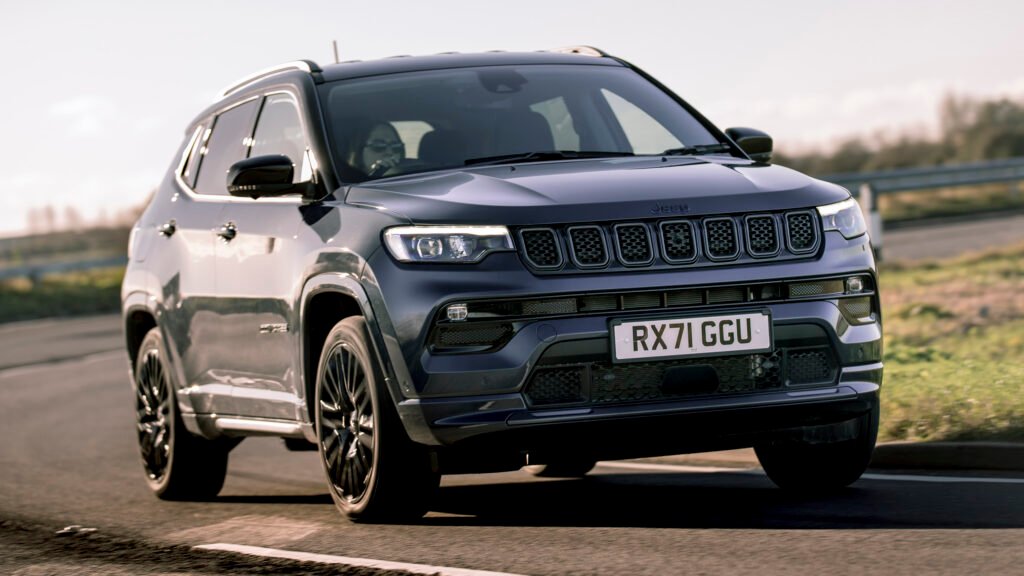
2.3. For Urban Commuters: Jeep Compass

Features:

  • Compact Size: Easy to maneuver in city traffic and tight parking spaces.
  • Efficient: Good fuel economy for daily commuting.
  • 4WD Options: Available for those who want occasional off-road capability.

Best For: City dwellers who want a compact SUV with occasional off-road capabilities.

2.4. For Work and Utility: Jeep Gladiator

Features:

  • Pickup Truck: Offers cargo space with a five-foot bed.
  • Towing Capacity: Can tow up to 7,700 pounds.
  • Off-Road Ready: Similar off-road features as the Wrangler.

Best For: Those needing a workhorse with off-road capabilities and ample cargo space.

2.5. For Compact Adventure: Jeep Renegade

Features:

  • Small and Agile: Ideal for urban driving with off-road readiness.
  • Trailhawk® Model: Equipped with features for off-road challenges.
  • Selectable Traction: Offers multiple drive modes for different conditions.

Best For: Drivers who want a compact SUV with good off-road capabilities and urban usability.

3. Consider Your Budget

Jeep models vary in price, from the more affordable Renegade to the premium Grand Cherokee. Determine your budget, including potential costs for maintenance, insurance, and fuel. It’s also a good idea to consider the long-term value and resale potential of the model you choose.

4. Test Drive and Research

Once you’ve narrowed down your options, schedule test drives to experience each Jeep model firsthand. Pay attention to handling, comfort, and features. Additionally, research reviews, owner testimonials, and expert opinions to make an informed decision.

5. Evaluate Additional Features

Jeep offers a range of optional features and packages, including advanced safety systems, premium audio, and off-road upgrades. Decide which features are essential for your lifestyle and whether they are worth the extra investment.

Conclusion

Choosing the best Jeep for your lifestyle involves understanding your driving needs, evaluating various models, and considering your budget. Whether you’re seeking off-road adventure, family comfort, or urban agility, Jeep offers a model that can meet your requirements. By assessing your lifestyle and preferences, you can find the perfect Jeep to enhance your driving experience.

Jeep’s Impact on American Car Culture

Jeep has significantly influenced American car culture with its rugged design, off-road capabilities, and iconic status. From its military roots to becoming a symbol of adventure, Jeep has left an indelible mark on automotive enthusiasts and everyday drivers alike. Here’s a look at how Jeep has shaped American car culture.

Jeep’s Impact on American Car Culture

1. The Birth of a Legend: Military Origins

Jeep’s journey began during World War II, where it played a crucial role as a military vehicle. The original Jeep, the Willys MB, became famous for its durability and versatility in challenging conditions. Post-war, the Jeep’s rugged design and off-road capabilities transitioned from military to civilian use, marking the start of its iconic status.

2. Cultural Icon: The Jeep Wrangler

The Jeep Wrangler has become a symbol of adventure and freedom in American car culture. Its distinctive design, with features like the seven-slot grille and removable doors, appeals to those seeking a unique driving experience. The Wrangler’s ability to tackle rough terrains and its open-air driving option make it a favorite among off-road enthusiasts and adventure seekers.

3. Community and Events: Jeep Culture

Jeep has fostered a strong community of enthusiasts through various events and gatherings. Jeep Jamboree, a series of off-road events, and the annual Moab Easter Jeep Safari are prime examples of how Jeep brings together its fans. These events celebrate Jeep’s off-road heritage and create a sense of camaraderie among owners and enthusiasts.

4. Customization and Personalization

Jeep encourages owners to personalize their vehicles, enhancing its appeal within American car culture. From lift kits and off-road tires to custom paint jobs and accessories, Jeep’s extensive aftermarket options allow drivers to tailor their vehicles to their preferences. This culture of customization reflects Jeep’s commitment to individuality and self-expression.

5. Media and Pop Culture Influence

Jeep’s presence in media and pop culture has solidified its status as an American icon. The brand frequently appears in movies, TV shows, and advertisements, often portrayed as a vehicle of adventure and exploration. This media visibility reinforces Jeep’s image as a symbol of ruggedness and freedom.

6. Environmental and Adventure Advocacy

Jeep has also impacted car culture by promoting environmental and adventure advocacy. The brand’s commitment to off-road conservation and responsible driving practices highlights its role in preserving natural landscapes. Initiatives like the Trail Rated® badge and support for outdoor organizations align Jeep with responsible adventure, influencing how car culture views off-road driving.

Conclusion

Jeep’s impact on American car culture is profound, stemming from its military origins to becoming a symbol of adventure and individuality. With iconic models like the Wrangler, a strong enthusiast community, and a significant media presence, Jeep continues to shape automotive culture in the U.S. Its commitment to customization, adventure, and environmental advocacy ensures its enduring influence on American car enthusiasts.

Top Jeep Models for Adventure Seekers

For adventure enthusiasts, few vehicles match the rugged capability and off-road prowess of a Jeep. Known for their durability and performance, Jeep models are designed to handle the toughest terrains and provide an exhilarating driving experience. Whether you’re tackling rocky trails or exploring remote landscapes, these Jeep models stand out as the best choices for adventure seekers.

1. Jeep Wrangler

1.1. Iconic Design and Performance

The Jeep Wrangler is arguably the most iconic model in Jeep’s lineup and is synonymous with off-road adventure. Its boxy design, high ground clearance, and solid axles make it exceptionally capable on rough terrain. The Wrangler comes with various engine options, including a turbocharged four-cylinder and a powerful V6.

1.2. Key Features

  • Trail Rated® Badge: Ensures the Wrangler meets specific off-road performance standards.
  • 4WD Systems: Features like Command-Trac® and Rock-Trac® offer exceptional traction and control.
  • Removable Roof and Doors: Provides an open-air driving experience for those who want to connect with nature.

2. Jeep Gladiator

2.1. The Ultimate Off-Road Pickup

The Jeep Gladiator combines the off-road capability of the Wrangler with the practicality of a pickup truck. This versatile vehicle is ideal for adventure seekers who need cargo space along with rugged performance. The Gladiator’s high ground clearance and 4WD options make it well-suited for both on- and off-road use.

2.2. Key Features

  • Enhanced Towing Capacity: Capable of towing up to 7,700 pounds, making it perfect for hauling adventure gear.
  • Five-Foot Bed: Offers ample cargo space for transporting equipment or supplies.
  • Off-Road Packages: Options like the Rubicon trim provide specialized features for extreme terrain.

3. Jeep Grand Cherokee

3.1. Luxury Meets Off-Road Capability

The Jeep Grand Cherokee is a blend of luxury and off-road capability. It offers a refined interior with advanced technology while maintaining strong off-road performance. The Grand Cherokee’s adjustable air suspension and powerful engine options make it a versatile choice for adventure seekers who value comfort as well as capability.

3.2. Key Features

  • Quadra-Lift® Air Suspension: Allows for adjustable ride height to tackle various terrains.
  • Selec-Terrain® Traction Management System: Provides multiple drive modes for different conditions.
  • Advanced Safety Features: Includes adaptive cruise control, lane departure warning, and more.

4. Jeep Compass

4.1. Compact and Capable

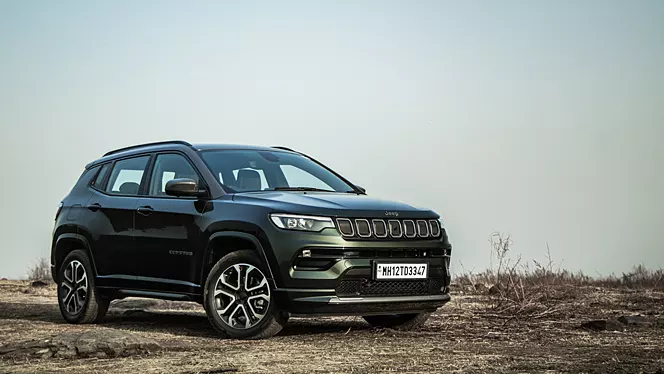
The Jeep Compass is a compact SUV that offers impressive off-road capability in a more manageable size. It’s a great choice for adventure seekers who want a vehicle that is both versatile and practical. The Compass’s available 4WD system and rugged design make it capable of handling off-road challenges.

4.2. Key Features

  • Active Drive 4WD System: Provides excellent traction and control on challenging terrains.
  • High Ground Clearance: Helps navigate rough trails and obstacles.
  • Uconnect® Infotainment System: Keeps you connected and informed while on the go.

5. Jeep Renegade

5.1. Small but Mighty

The Jeep Renegade is a subcompact SUV that punches above its weight in terms of off-road capability. Its compact size makes it ideal for urban environments, but its rugged design and available 4WD system ensure it can handle off-road adventures as well.

5.2. Key Features

  • Trailhawk® Model: Includes off-road features like skid plates and improved ground clearance.
  • Selec-Terrain® Traction Management System: Offers multiple driving modes for different conditions.
  • Compact Size: Easier to maneuver in tight spaces while still being adventure-ready.

Conclusion

Jeep offers a range of models that cater to different adventure needs, from the iconic Wrangler to the versatile Gladiator and the luxurious Grand Cherokee. Each model brings its own set of features and capabilities, ensuring that there’s a Jeep for every type of adventure seeker. Whether you’re looking for extreme off-road capability, practical cargo space, or a blend of luxury and ruggedness, these top Jeep models are designed to take you on your next great adventure.

Best Jeeps for Long-Distance Driving

When it comes to long-distance driving, selecting the right vehicle is crucial for comfort and reliability. If you’re considering a Jeep, you might wonder which models are best suited for extended journeys. Here are some top picks and key factors to consider when choosing the best Jeeps for long-distance driving.

Why Choose a Jeep for Long-Distance Driving?

Jeeps are well-known for their ruggedness and off-road capabilities, but they also offer several benefits for long-distance driving. Many Jeep models provide a balance of comfort, durability, and performance, making them suitable for extended trips. When choosing Jeeps for long-distance driving, look for features like comfortable seating, ample cargo space, and strong fuel efficiency.

Jeeps for Long-Distance Driving

1. Jeep Grand Cherokee

The Jeep Grand Cherokee is an excellent choice for long-distance journeys. It offers a spacious interior, comfortable seating, and a smooth ride. With its advanced suspension system and powerful engine options, this SUV handles highway driving with ease. The Grand Cherokee also features a variety of tech options, including an infotainment system that helps make long drives more enjoyable.

2. Jeep Cherokee

Another great option is the Jeep Cherokee. This model is slightly smaller than the Grand Cherokee but still offers ample room and comfort. It provides a good balance between performance and fuel efficiency, making it a practical choice for long trips. The Cherokee’s interior is designed for comfort, with supportive seats and a user-friendly infotainment system.

3. Jeep Wrangler Unlimited

For those who prefer a more rugged option, the Jeep Wrangler Unlimited is worth considering. While it’s known for its off-road prowess, the Unlimited version provides extra space and comfort for longer drives. The larger size and additional features make it a more practical choice for extended road trips. Keep in mind, though, that the Wrangler’s ride might be less smooth compared to other Jeep models.

4. Jeep Wagoneer

The Jeep Wagoneer is a newer addition to the Jeep lineup and stands out for its luxury and spaciousness. Designed with long-distance comfort in mind, the Wagoneer offers a high-quality interior, plenty of cargo space, and advanced driver-assist features. It’s ideal for those who want a blend of luxury and ruggedness.

5. Jeep Compass

The Jeep Compass is a compact SUV that still delivers comfort and capability. It’s a good choice for those who prefer a smaller vehicle that’s easier to manoeuvre while still providing a comfortable ride. The Compass comes with modern features and offers decent fuel efficiency, making it a solid option for long drives.

Comfort Features to Look For

When selecting the best Jeeps for long-distance driving, consider these comfort features:

1. Comfortable Seating

Long drives require supportive and adjustable seats. Look for models with high-quality upholstery, lumbar support, and multiple adjustment options.

2. Advanced Infotainment Systems

A good infotainment system with navigation, Bluetooth connectivity, and smartphone integration can make long journeys more enjoyable.

3. Adequate Cargo Space

For extended trips, ample cargo space is essential. Ensure the Jeep you choose has enough room for luggage and other travel essentials.

4. Smooth Ride Quality

Models with advanced suspension systems provide a smoother ride, reducing fatigue on long journeys.

Fuel Efficiency Considerations

Fuel efficiency is another important factor when choosing Jeeps for long-distance driving. While Jeeps are generally not known for their fuel economy, some models offer better mileage than others. The Jeep Grand Cherokee and Jeep Cherokee tend to be more fuel-efficient compared to the larger Jeep Wagoneer and Jeep Wrangler Unlimited.

Conclusion

Choosing the right Jeep for long-distance driving involves considering comfort, cargo space, fuel efficiency, and reliability. The Jeep Grand Cherokee, Jeep Cherokee, Jeep Wrangler Unlimited, Jeep Wagoneer, and Jeep Compass are all excellent options, each offering unique benefits for extended trips. By focusing on these factors, you can select a Jeep that will make your long journeys enjoyable and hassle-free.

The History of Jeep: From Military Origins to Mainstream Icon

The Jeep brand has a storied history that spans over 80 years, transforming from a military vehicle into one of the most recognized and beloved brands in the automotive industry. This blog post explores the evolution of Jeep, highlighting key milestones in its journey from military necessity to mainstream success.

1. The Birth of the Jeep: World War II Era

1.1. The Original Design

The story of Jeep begins during World War II, when the U.S. Army needed a versatile, durable, and reliable vehicle for combat and reconnaissance. In 1940, the Army issued a contract for the development of a light reconnaissance vehicle. The design was to be rugged, lightweight, and capable of handling rough terrains.

Three companies—Bantam, Willys-Overland, and Ford—were tasked with creating prototypes. Willys-Overland’s design, known as the Willys MB, became the most successful and was adopted by the military. This vehicle was later nicknamed “Jeep,” a term believed to be derived from the phonetic pronunciation of the letters “G.P.,” which stood for “General Purpose.”

1.2. Iconic Features

The original Jeep was characterized by its boxy shape, high ground clearance, and 4WD capabilities. It featured a 2.2-liter four-cylinder engine, solid axles, and a robust chassis, making it ideal for military use. The vehicle’s ability to traverse difficult terrains and carry out essential tasks earned it a reputation for reliability and durability.

2. Post-War Era and Civilian Models

2.1. Transition to Civilian Use

After World War II, the Jeep’s popularity led to its production for civilian use. In 1945, Willys-Overland introduced the CJ (Civilian Jeep) series, which was designed for farm work, recreational activities, and everyday use. The CJ-2A, the first model in this series, retained many features from its military predecessor but was adapted for civilian needs.

2.2. Growth and Innovation

Throughout the 1950s and 1960s, Jeep continued to innovate and expand its lineup. The introduction of the CJ-5 in 1954 brought new features such as a more powerful engine and improved suspension. In 1962, Jeep launched the Wagoneer, a pioneering vehicle in the SUV market with a more comfortable and refined design, setting the stage for future SUVs.

3. The Rise of the Jeep Brand

3.1. Ownership Changes

In 1970, the Jeep brand underwent significant changes when it was acquired by American Motors Corporation (AMC). Under AMC, Jeep continued to grow and introduce new models, including the Cherokee, which became one of the most popular compact SUVs in the 1980s.

3.2. Chrysler Acquisition

In 1987, Chrysler acquired AMC and, consequently, the Jeep brand. Chrysler’s ownership brought further innovations and expansions. The Jeep Grand Cherokee, introduced in 1992, became a best-seller and solidified Jeep’s reputation as a leading SUV manufacturer.

4. Modern Era and Global Expansion

4.1. The Jeep Brand Today

In the 2000s and 2010s, Jeep continued to evolve and expand its model lineup. The introduction of models like the Jeep Compass and Renegade broadened its appeal to a global audience. Jeep’s focus on combining off-road capability with modern technology and comfort helped maintain its popularity.

4.2. Embracing Sustainability

In recent years, Jeep has embraced sustainability with the introduction of hybrid and electric models. The Jeep Wrangler 4xe, a plug-in hybrid version of the classic Wrangler, represents the brand’s commitment to combining its off-road heritage with eco-friendly technology.

5. Jeep’s Cultural Impact

5.1. Icon of Adventure

Jeep’s reputation for ruggedness and adventure has made it a cultural icon. The brand’s association with exploration, freedom, and resilience is reflected in its marketing and the loyal following of Jeep enthusiasts worldwide.

5.2. Pop Culture Presence

Jeep has also made its mark in popular culture, appearing in numerous films, television shows, and advertisements. Its iconic design and association with adventure have made it a symbol of outdoor exploration and rugged individualism.

Conclusion

From its origins as a military vehicle in World War II to its status as a mainstream icon, Jeep’s history is a testament to its innovation, adaptability, and enduring appeal. The brand’s evolution reflects its commitment to delivering vehicles that combine off-road capability with modern comfort and technology. As Jeep continues to embrace new technologies and expand its global reach, it remains a symbol of adventure and resilience, capturing the imagination of drivers around the world.

Jeep vs. Competitors: What Sets It Apart?

Jeep has long been synonymous with off-road adventure and rugged reliability. As the automotive market grows, many brands offer vehicles with off-road capabilities. However, Jeep remains distinctive in several key areas. Here’s a comparison of Jeep vs competitors, highlighting what sets it apart.

Jeep vs. Competitors: What Sets It Apart?

1. Off-Road Prowess: Jeep’s Legendary Capability

Jeep stands out for its unmatched off-road prowess. The brand’s vehicles, particularly the Wrangler and Gladiator, excel in rugged terrains. Jeep’s advanced 4WD systems, including the Rock-Trac® and Selec-Trac® systems, provide exceptional traction and control. While competitors offer off-road packages, few match Jeep’s extensive history and specialization in off-road engineering.

2. Trail Rated® Badge: A Symbol of Excellence

The Trail Rated® badge is a hallmark of Jeep’s commitment to off-road performance. This badge signifies that a vehicle has passed rigorous tests in traction, ground clearance, maneuverability, articulation, and water fording. While some competitors offer off-road capable vehicles, Jeep’s Trail Rated badge is a unique certification that reflects a higher standard of off-road readiness.

3. Iconic Design and Heritage

Jeep’s design is instantly recognizable, with its iconic grille and rugged appearance. The Wrangler, in particular, has maintained its classic design while incorporating modern features. Competitors often have off-road models that focus more on utility than style. Jeep’s ability to blend tradition with innovation sets it apart, appealing to both enthusiasts and casual drivers.

4. Customization and Accessories

Jeep offers extensive customization options, allowing owners to personalize their vehicles with a range of accessories. From lift kits and off-road tires to roof racks and winches, Jeep’s accessory catalog supports a wide variety of modifications. While competitors also offer customization, Jeep’s extensive range and the brand’s focus on off-road accessories provide a unique advantage.

5. Community and Culture

Jeep has cultivated a strong community of enthusiasts and adventurers. Events like Jeep Jamboree and Trail Rated challenges create a sense of camaraderie among owners. This vibrant culture is a significant part of the Jeep experience. Although other brands have enthusiast communities, Jeep’s long-standing heritage and dedicated fan base contribute to a unique and passionate culture.

6. Innovative Technologies and Features

Jeep integrates advanced technologies in its vehicles, such as the Uconnect® infotainment system, off-road driving aids, and adaptive cruise control. These features enhance both off-road and on-road experiences. While competitors also offer technology, Jeep’s focus on combining ruggedness with modern convenience provides a well-rounded driving experience.

Conclusion

Jeep differentiates itself from competitors through its legendary off-road capabilities, unique Trail Rated badge, iconic design, extensive customization options, and strong community. These attributes combine to offer a distinctive driving experience that few other brands can match. Whether you’re exploring rough trails or enjoying daily commutes, Jeep’s blend of heritage and innovation sets it apart.

A Beginner’s Guide to Jeep Off-Roading

Off-roading with a Jeep can be an exhilarating experience, combining the thrill of adventure with the capability of one of the most iconic off-road vehicles. If you’re new to off-roading, this guide will help you get started with essential tips, tricks, and equipment to make your adventures both enjoyable and safe.

1. Understanding Your Jeep’s Off-Road Capabilities

1.1. Jeep Models for Off-Roading

Jeep offers a range of models designed for off-road adventures. While the Jeep Wrangler is the most popular choice due to its rugged design and off-road features, other models like the Jeep Gladiator and Cherokee also have off-road capabilities.

  • Jeep Wrangler: Known for its high ground clearance, durable suspension, and advanced 4WD systems, the Wrangler is a top choice for serious off-roading.
  • Jeep Gladiator: This truck offers the same off-road prowess as the Wrangler but with added cargo space and towing capabilities.
  • Jeep Cherokee: While not as rugged as the Wrangler, the Cherokee offers respectable off-road capabilities with the available Trailhawk package.

1.2. Key Off-Road Features

  • 4WD Systems: Understand the difference between part-time and full-time 4WD systems. The Jeep Wrangler’s full-time 4WD system provides better traction and control in varying conditions.
  • Ground Clearance and Approach/Departure Angles: High ground clearance and favorable approach/departure angles are crucial for navigating obstacles and rough terrain.

2. Essential Gear and Equipment

2.1. Safety Gear

  • Seat Belts and Safety Harnesses: Always wear your seatbelt. For more rugged off-roading, consider additional safety harnesses.
  • First Aid Kit: Carry a well-stocked first aid kit in case of emergencies.

2.2. Recovery Gear

  • Tow Strap: A heavy-duty tow strap is essential for recovery if you get stuck.
  • Hi-Lift Jack: This versatile tool can help lift your Jeep if you need to change a tire or get it unstuck from mud or rocks.
  • Shovel: A compact shovel can help you dig out your Jeep if it gets stuck.

2.3. Additional Equipment

  • Air Compressor: An air compressor is useful for adjusting tire pressure based on terrain.
  • Spare Tire and Tools: Always carry a spare tire and the tools needed for a tire change.
  • Off-Road Lights: Additional lighting can be beneficial for night-time or low-light conditions.

3. Basic Off-Roading Techniques

3.1. Tire Pressure Adjustment

Lowering your tire pressure can increase traction on soft or uneven surfaces like sand or mud. Remember to re-inflate your tires once you’re back on regular roads.

3.2. Navigating Obstacles

  • Rock Crawling: Approach obstacles slowly and steadily. Use your vehicle’s low-range gearing to maintain control.
  • Mud and Sand: Maintain momentum to avoid getting bogged down. Avoid sudden acceleration or braking.

3.3. Using 4WD Effectively

  • Engage 4WD: Engage your 4WD system before you encounter difficult terrain. Don’t wait until you’re stuck to switch to 4WD.
  • Differential Lock: Use the differential lock feature for better traction on slippery surfaces.

4. Off-Roading Etiquette and Safety

4.1. Respect the Environment

  • Stay on Designated Trails: Avoid creating new trails to preserve natural habitats and avoid damaging the environment.
  • Leave No Trace: Pack out all trash and avoid leaving marks on the landscape.

4.2. Follow Local Regulations

  • Permits and Rules: Check for any required permits or regulations in the area where you plan to off-road. Respect all local rules and guidelines.

4.3. Off-Roading with Others

  • Buddy System: It’s always safer to go off-roading with a friend or group. Ensure someone knows your route and estimated return time.

5. Joining Off-Roading Communities

5.1. Clubs and Forums

Joining off-roading clubs and forums can provide valuable advice, support, and opportunities to join group excursions. Connecting with experienced off-roaders can enhance your skills and enjoyment.

5.2. Events and Meetups

Participate in off-roading events and meetups to learn from others, test your skills, and enjoy the camaraderie of fellow Jeep enthusiasts.


Embarking on an off-road adventure with your Jeep can be a rewarding and exhilarating experience. By understanding your Jeep’s capabilities, preparing with the right equipment, and following essential techniques and safety practices, you’ll be well on your way to enjoying many thrilling off-road journeys.

Tips for Finding Genuine Jeep Parts

Finding genuine Jeep parts is crucial for keeping your vehicle running smoothly and maintaining its value. Whether you’re replacing a worn-out component or upgrading your Jeep, using authentic parts ensures compatibility and reliability. Here are some essential tips for finding genuine Jeep parts.

Why Genuine Jeep Parts Matter

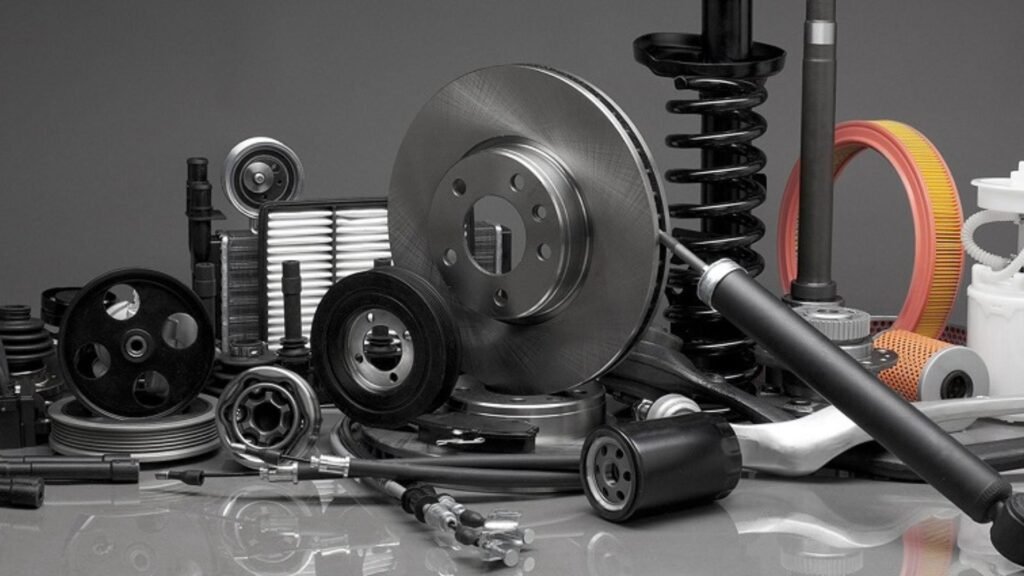
When it comes to maintaining your Jeep, finding genuine Jeep parts is key. Authentic parts are designed specifically for your vehicle, ensuring they fit perfectly and perform as expected. They also uphold the safety and performance standards set by the manufacturer, which can be compromised with aftermarket or counterfeit parts.

Finding Genuine Jeep Parts

1. Buy from Authorized Dealers

One of the most reliable ways of finding genuine Jeep parts is to purchase them from authorized dealers. These dealers have direct access to OEM (Original Equipment Manufacturer) parts and can provide you with the correct components for your Jeep. You can find authorized dealers through the Jeep website or by contacting local dealerships.

2. Check the Jeep Website

The official Jeep website is a valuable resource for finding genuine Jeep parts. It provides information on parts, accessories, and where to purchase them. You can also use the website to look up part numbers and ensure that you are getting the right component for your specific model.

3. Verify Part Numbers

When finding genuine Jeep parts, always verify the part numbers. Each component has a unique number that matches specific Jeep models and years. Check the part number on the Jeep website or consult with a dealer to ensure you’re purchasing the correct item.

4. Use Reputable Online Retailers

If you prefer shopping online, use reputable online retailers that specialize in Jeep parts. Websites like Mopar or well-known auto parts retailers often have a section dedicated to genuine Jeep components. Be cautious of lesser-known websites that might sell counterfeit parts.

5. Inspect the Packaging

When receiving parts, inspect the packaging to ensure that it’s from a reputable source. Genuine Jeep parts usually come in branded packaging with clear labelling. If the packaging looks suspicious or lacks proper branding, the parts might not be authentic.

6. Ask for a Certificate of Authenticity

For high-value components, ask the seller for a certificate of authenticity. This document verifies that the part is genuine and provides assurance of its quality. Reputable dealers and manufacturers can supply this certificate upon request.

7. Consult Your Mechanic

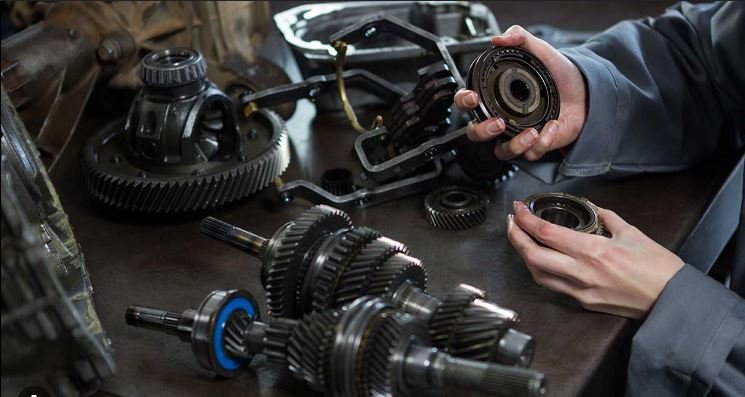
If you’re unsure about finding genuine Jeep parts, consult your mechanic. Professional mechanics often have experience with authentic parts and can recommend reliable sources. They can also help you identify and order the correct parts for your Jeep.

8. Look for Warranty Information

Genuine Jeep parts typically come with a warranty. When purchasing parts, check the warranty details to ensure you’re covered in case of defects or issues. A warranty is a good indicator of authenticity and quality.

9. Beware of Deals That Seem Too Good to Be True

While it’s tempting to grab a bargain, extremely low prices can be a red flag. Genuine Jeep parts are usually priced according to their quality and reliability. If a deal seems too good to be true, it might be worth investigating further to avoid counterfeit parts.

10. Verify Compatibility

Ensure that any part you purchase is compatible with your specific Jeep model and year. Use the Jeep website or consult with a dealer to confirm compatibility. Installing incorrect parts can lead to performance issues and additional costs.

11. Research the Seller

Before buying parts, research the seller’s reputation. Read reviews and check their ratings to ensure they have a history of providing genuine products. Avoid sellers with negative feedback or those who lack verifiable contact information.

12. Check for Return Policies

Verify the return policy of the seller before making a purchase. A flexible return policy protects in case the part is incorrect or doesn’t meet your expectations. Ensure you understand the terms and conditions of returns and exchanges.

13. Use Jeep Forums and Communities

Jeep forums and online communities can be excellent resources for finding genuine Jeep parts. Enthusiasts and experienced Jeep owners often share their tips and recommendations for reliable parts sources. Join these communities to gain insights and advice.

Conclusion

Finding genuine Jeep parts is essential for maintaining your vehicle’s performance and safety. By following these tips, you can ensure you’re purchasing authentic components that will keep your Jeep running smoothly. From buying from authorized dealers to verifying part numbers, these steps will help you avoid counterfeit parts and keep your Jeep in top condition.