The Evolution of the Jeep Wrangler

The Jeep Wrangler has become an iconic symbol of ruggedness, off-road capability, and American automotive history. Its journey from a military vehicle to a modern off-road legend reflects both innovation and respect for tradition. Let’s explore the key milestones in the evolution of the Jeep Wrangler.

The Evolution of the Jeep Wrangler

1. Willys MB: The Original Jeep

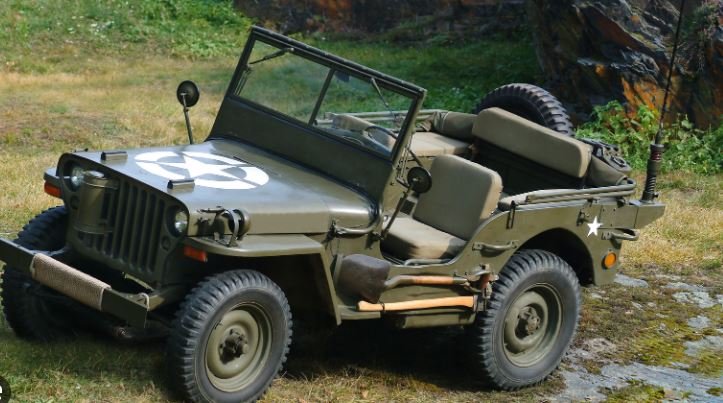
The Jeep Wrangler’s roots trace back to the 1941 Willys MB, which was developed for military use during World War II. Known for its toughness, the Willys MB earned a reputation as a versatile, all-terrain vehicle that could tackle mud, rocks, and water with ease. Its success during the war solidified its status as the ultimate off-road vehicle and laid the foundation for future Jeep models.

2. CJ Series: From Military to Civilian

After the war, the Willys MB evolved into the CJ (Civilian Jeep) series, beginning with the CJ-2A in 1945. The CJ models retained the rugged off-road capabilities of the military Jeep but were adapted for civilian use. They featured a more comfortable ride, updated styling, and the addition of features like doors and roofs. The CJ series became popular among outdoor enthusiasts and farmers, making Jeep a household name.

3. The Birth of the Wrangler: YJ Model (1986-1995)

In 1986, Jeep introduced the first Wrangler, known as the YJ, as the successor to the CJ series. The YJ kept the traditional Jeep design but added significant improvements to make it more suitable for everyday driving. The most noticeable change was the introduction of square headlights, which set it apart from its predecessors. It also offered better handling and comfort, making it more practical for city driving while still maintaining its off-road prowess.

4. TJ Model (1997-2006): A Return to Tradition

The TJ Wrangler marked a return to the classic Jeep look with the reintroduction of round headlights in 1997. This model focused on enhancing off-road capability while improving comfort and safety. The TJ introduced the coil-spring suspension, which provided a smoother ride on both pavement and rough terrain. This era solidified the Wrangler’s status as the go-to vehicle for adventure seekers.

5. JK Model (2007-2018): Modernizing the Wrangler

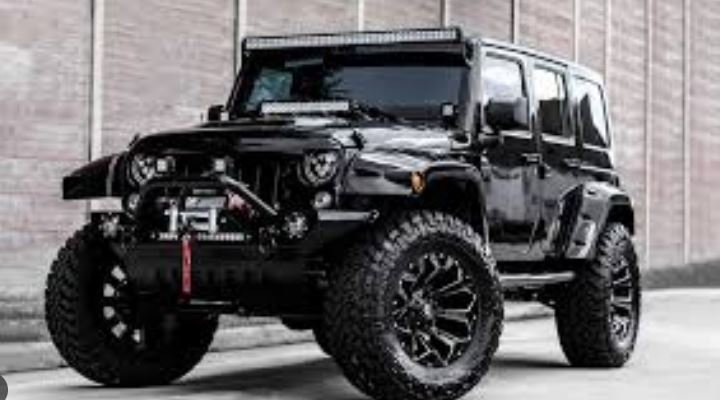
The JK Wrangler brought the Jeep into the modern era with a host of new features and options. It offered more interior space, improved safety features, and modern amenities like power windows and air conditioning. The JK also introduced the four-door Wrangler Unlimited, which became incredibly popular for its combination of off-road capability and family-friendly practicality. The JK set sales records and further expanded the Wrangler’s fan base.

6. JL Model (2018-Present): Technology Meets Tradition

The current generation of the Jeep Wrangler, known as the JL, debuted in 2018. While retaining the Wrangler’s classic rugged design, the JL features modern technology and creature comforts. It includes advanced safety features, an updated Uconnect® infotainment system, and a more fuel-efficient engine lineup, including a turbocharged four-cylinder and an eco-friendly plug-in hybrid model (Wrangler 4xe). The JL continues to balance off-road capability with everyday usability.

Conclusion

The Jeep Wrangler has evolved from a simple military vehicle into a modern icon of off-road capability. Each generation has built upon the strengths of its predecessors while incorporating modern features that enhance comfort, safety, and technology. Through decades of innovation, the Wrangler remains true to its roots as the ultimate adventure vehicle.

Tips for Buying a Used Jeep

If you’re considering buying a used Jeep, you’re likely looking for a reliable and adventurous vehicle that can handle various terrains. Jeeps are known for their ruggedness and off-road capabilities, but buying a used one requires careful consideration. Here’s a guide to help you make an informed decision when buying a used Jeep.

1. Research the Model

Before you start shopping, research the specific Jeep model you’re interested in. Jeep offers several models, each with different features and capabilities. Popular models include the Jeep Wrangler, Cherokee, and Grand Cherokee. Understanding the common issues and features of the model you’re interested in can help you make a better choice.

Buying a Used Jeep
Buying a Used Jeep

2. Check the Vehicle History Report

When buying a used Jeep, it’s crucial to check its vehicle history report. This report will provide details about previous ownership, any accidents, and service history. Use services like Carfax or AutoCheck to get a comprehensive report. A clean history report can give you confidence in the vehicle’s condition.

3. Inspect the Exterior and Interior

Carefully inspect both the exterior and interior of the used Jeep. Look for signs of wear and tear, rust, or damage. On the exterior, check for scratches, dents, and uneven paint. For the interior, examine the seats, dashboard, and electronics. Ensure that all features are functioning correctly.

4. Test Drive the Jeep

A test drive is essential when buying a used Jeep. It allows you to assess how the vehicle performs on the road. Pay attention to the engine’s noise, the transmission’s smoothness, and the responsiveness of the brakes. Test the Jeep in different driving conditions, including highway and off-road if possible.

5. Evaluate the Jeep’s Off-Road Capability

Since Jeep vehicles are renowned for their off-road prowess, check how well the Jeep handles off-road conditions. Examine the four-wheel-drive system, suspension, and ground clearance. Ensure that these components are in good working order, especially if you plan to use the Jeep for off-roading.

6. Look for Signs of Modification

Many Jeep owners modify their vehicles for better off-road performance. While some modifications can be beneficial, others might affect the vehicle’s reliability. Check for any aftermarket parts or modifications and evaluate whether they have been installed correctly.

7. Verify Maintenance Records

Review the maintenance records of the used Jeep. Regular maintenance is crucial for the longevity of any vehicle. Ensure that the Jeep has been serviced regularly and that any necessary repairs have been completed. Look for records of oil changes, brake replacements, and other routine services.

8. Check for Recalls

Research if the specific Jeep model has had any recalls. You can find this information on the National Highway Traffic Safety Administration (NHTSA) website.

9. Get a Pre-Purchase Inspection

Consider getting a pre-purchase inspection from a qualified mechanic. A professional can identify any hidden issues that might not be visible during a regular inspection. This step can help you avoid costly repairs down the road and provide peace of mind.

10. Compare Prices

Compare prices for similar used Jeep models in your area. Websites like Kelley Blue Book or Edmunds can help you determine the fair market value. This comparison will give you a better idea of whether the asking price for the Jeep is reasonable.

11. Check the Jeep’s VIN

Verify the Jeep’s Vehicle Identification Number (VIN) to ensure it matches the records.

12. Test the Jeep’s Electronics

Check all electronic features, including the radio, navigation system, and power windows. Ensuring that these components are functioning correctly will help you avoid potential issues with the vehicle’s electronics.

13. Evaluate the Tires

Inspect the tires for wear and tear. Check for even tread wear and ensure that the tires have sufficient tread depth. Replacing tires can be expensive, so it’s essential to address any issues before finalizing the purchase.

Conclusion

Buying a used Jeep can be a rewarding experience if you take the time to evaluate the vehicle thoroughly. By researching the model, checking the vehicle history, inspecting the Jeep, and taking other essential steps, you can make an informed decision. Whether you’re looking for a rugged off-roader or a reliable daily driver, these tips will help you find the right used Jeep for your needs.

Customizing Your Dodge Truck for Performance and Style

Customizing your Dodge truck is a fantastic way to enhance its performance and make it uniquely yours. Whether you’re aiming for improved functionality or a standout look, there are plenty of modifications and upgrades to consider. In this guide, we’ll explore the top ways to customize your Dodge truck for both performance and style.

1. Performance Upgrades

1.1. Engine Tuning

One of the most effective ways to boost your truck’s performance is through engine tuning. An aftermarket engine tuner can enhance horsepower and torque, making your truck more powerful and responsive.

Benefits:

  • Increased horsepower and torque
  • Improved throttle response
  • Better overall performance

Recommended Upgrades:

  • ECU tuning chips
  • Performance chips
  • Custom engine remaps

1.2. Exhaust System

Upgrading your truck’s exhaust system not only improves performance but also enhances the sound of your engine. A high-performance exhaust system can increase horsepower and torque while giving your truck a more aggressive tone.

Benefits:

  • Enhanced engine performance
  • Better fuel efficiency
  • Improved engine sound

Recommended Upgrades:

  • Cat-back exhaust systems
  • High-performance mufflers
  • Header and downpipe upgrades

1.3. Cold Air Intake

A cold air intake system improves airflow to your engine, resulting in better combustion and increased power. It also helps to improve fuel efficiency and throttle response.

Benefits:

  • Increased engine horsepower
  • Better fuel economy
  • Improved throttle response

Recommended Upgrades:

  • High-flow air filters
  • Performance intake manifolds
  • Complete cold air intake kits

1.4. Suspension Upgrades

For better handling and stability, consider upgrading your truck’s suspension system. Enhanced suspension components can improve ride quality and off-road capabilities.

Benefits:

  • Better ride quality
  • Improved handling and stability
  • Enhanced off-road performance

Recommended Upgrades:

  • Performance shock absorbers
  • Heavy-duty springs
  • Lift kits and leveling kits

2. Styling Enhancements

2.1. Custom Wheels and Tires

Custom wheels and tires can dramatically change the appearance of your Dodge truck. Choose wheels that match your style and tires that suit your driving needs.

Benefits:

  • Enhanced vehicle aesthetics
  • Improved off-road capability
  • Better traction and handling

Recommended Upgrades:

  • Alloy or chrome wheels
  • All-terrain or mud-terrain tires
  • Wheel spacers and adapters

2.2. Body Kits and Accessories

Adding body kits and accessories can give your truck a unique and aggressive look. These upgrades can also improve aerodynamics and functionality.

Benefits:

  • Unique and customized appearance
  • Improved aerodynamics
  • Enhanced functionality

Recommended Upgrades:

  • Front bumper guards
  • Side skirts and fender flares
  • Custom grilles and spoilers

2.3. Lighting Upgrades

Upgrading your truck’s lighting can enhance both style and safety. Choose from a range of lighting options to make your truck stand out and improve visibility.

Benefits:

  • Enhanced nighttime visibility
  • Stylish appearance
  • Improved safety

Recommended Upgrades:

  • LED headlights and taillights
  • Off-road lighting bars
  • Custom light housings

2.4. Interior Customization

Personalize your truck’s interior to match your style and comfort preferences. Interior upgrades can make your driving experience more enjoyable and functional.

Benefits:

  • Enhanced comfort and style
  • Improved functionality
  • Personalized driving experience

Recommended Upgrades:

  • Custom seat covers and upholstery
  • Upgraded floor mats and cargo liners
  • Enhanced audio and entertainment systems

3. Practical Considerations

3.1. Budgeting for Customization

Customizing your Dodge truck can be a significant investment. It’s important to set a budget and prioritize upgrades that offer the best value for your money.

Tips:

  • Research costs and benefits of each upgrade
  • Consider DIY options for cost savings
  • Plan your modifications in phases if necessary

3.2. Professional Installation

For some upgrades, professional installation may be necessary to ensure proper fitment and performance. Consult with experts to avoid potential issues and ensure quality workmanship.

Tips:

  • Choose reputable installation shops
  • Ask for references and reviews
  • Verify warranties and guarantees

Conclusion

Customizing your Dodge truck is a great way to enhance its performance and style. From engine tuning and suspension upgrades to custom wheels and interior modifications, there are numerous ways to make your truck truly your own. Whether you’re looking for improved functionality or a standout look, the right upgrades can transform your Dodge truck into a personalized powerhouse.

By investing in the right performance parts and style enhancements, you can enjoy a truck that not only performs at its best but also reflects your unique personality.

Jeep’s Off-Road Legacy: Conquering Any Terrain

Jeep has long been synonymous with rugged off-road capability, earning a reputation for conquering the toughest terrains. From rocky trails to desert dunes, Jeep vehicles have proven their durability and performance across various environments. Let’s explore how Jeep has built and maintained its off-road legacy over the years.

Jeep Off-Road Legacy: Conquering Any Terrain

1. World War II Origins: Built for Toughness

Jeep’s off-road legacy began during World War II with the development of the Willys MB, a military vehicle designed to handle extreme conditions. The Willys MB became famous for its durability and reliability in combat zones. It could navigate through mud, sand, and rocky terrain with ease. Jeep’s military origins laid the foundation for its off-road reputation, and the brand has carried this legacy into its civilian models ever since.

2. The Jeep Wrangler: A True Off-Road Icon

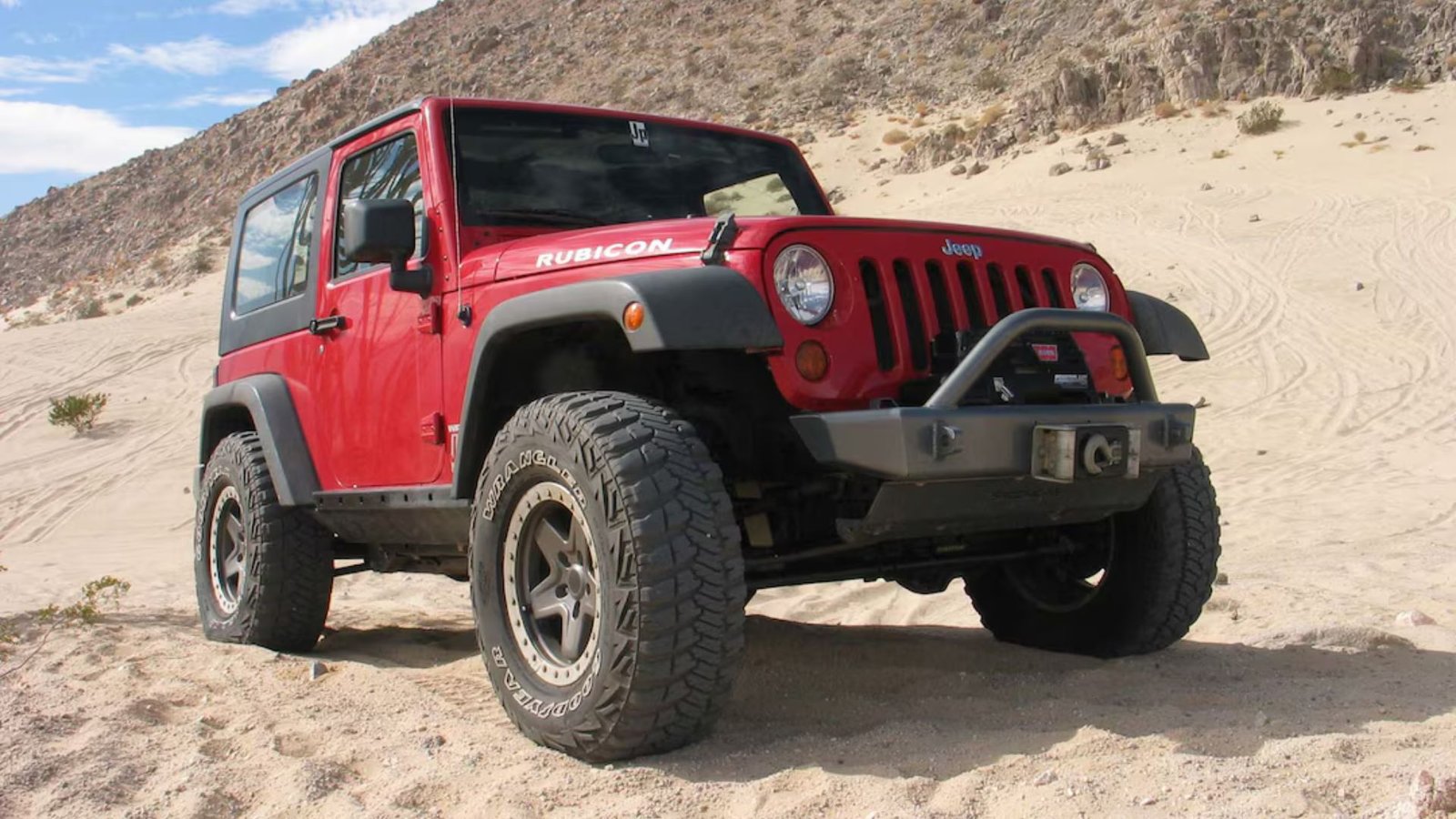
The Jeep Wrangler stands as the embodiment of Jeep’s off-road prowess. With its solid axles, high ground clearance, and legendary 4×4 system, the Wrangler is built for serious off-road enthusiasts. Jeep continues to enhance the Wrangler with modern features like electronic locking differentials and sway bar disconnects, allowing for improved articulation on uneven surfaces. Whether navigating rocky trails or forging through muddy waters, the Wrangler’s design ensures it can handle any challenge.

3. Trail-Rated for Extreme Capability

Jeep’s “Trail Rated” badge signifies the brand’s commitment to off-road performance. Jeep rigorously tests its Trail Rated vehicles across five key categories: traction, water fording, maneuverability, articulation, and ground clearance. This testing ensures that every Trail Rated Jeep, from the Cherokee to the Gladiator, is ready for demanding off-road conditions. Jeep’s dedication to testing and refinement sets it apart as a leader in off-road capability.

4. Innovative Off-Road Technologies

While Jeep has a storied history of off-road success, the brand continues to push innovation. Modern Jeep vehicles come equipped with advanced off-road technologies like Selec-Terrain® Traction Management System, which allows drivers to adjust settings based on the terrain they’re navigating. Features like off-road cruise control (Selec-Speed® Control) and the available full-time 4×4 system add extra layers of control and convenience, ensuring Jeep remains at the forefront of off-road technology.

Conclusion

Jeep’s off-road legacy continues to evolve with each generation of vehicles. From its World War II origins to the modern-day Wrangler and advanced off-road technologies, Jeep has consistently proven its ability to conquer any terrain. With a commitment to innovation and durability, Jeep maintains its position as the ultimate off-road vehicle.

Best Dodge Truck Models for Family Use

If you’re considering a Dodge truck for family use, you’re probably looking for a vehicle that offers both practicality and comfort. Dodge trucks are known for their durability and performance, but some models are better suited for family needs than others. Here’s a look at the best Dodge truck models for family use and what makes them stand out.

1. Dodge Ram 1500

The Dodge Ram 1500 is one of the top Dodge truck models for family use. This truck combines a spacious interior with a smooth ride, making it an excellent choice for families.

A Dodge Truck Model for Family Use
Dodge Truck Models for Family Use

Interior Comfort: The Ram 1500 offers a roomy cabin with plenty of legroom and headroom for passengers. The rear seats are comfortable, and the truck provides ample storage space for family gear.

Technology: It comes with a user-friendly infotainment system that includes features like Apple CarPlay and Android Auto, keeping everyone entertained on long trips.

Safety: The Ram 1500 is equipped with a range of safety features, including adaptive cruise control and automatic emergency braking, ensuring a safer drive for your family.

2. Dodge Ram 2500

For families needing more space and capability, the Dodge Ram 2500 is a great option. This model offers enhanced towing capacity and a robust design, making it suitable for larger families or those with heavy-duty needs.

Interior Space: The Ram 2500 boasts a spacious cabin that comfortably seats up to six people. It also offers a variety of configurations, including a Mega Cab option that provides extra rear-seat space.

Performance: With its powerful engine options, including turbo-diesel, the Ram 2500 handles towing and heavy loads with ease. This makes it ideal for families who tow trailers or boats regularly.

Comfort: Despite its larger size, the Ram 2500 doesn’t compromise on comfort. It features a smooth ride and a high-quality interior that includes available leather upholstery and heated seats.

3. Dodge Ram 3500

The Dodge Ram 3500 is the most capable of the Dodge truck models and is perfect for families who need top-tier towing and payload capacity.

Heavy-Duty Capability: The Ram 3500 excels in towing and hauling, making it ideal for families with heavy-duty needs. Its available dual rear wheels enhance stability and towing power.

Spacious Cabin: The Ram 3500 offers a large, comfortable cabin with plenty of room for passengers. The interior features high-quality materials and available luxury options like ventilated seats.

Technology and Safety: This model includes advanced technology and safety features such as a high-resolution touchscreen, lane departure warning, and a surround-view camera system, ensuring a safer and more enjoyable ride.

4. Dodge Dakota

Though not as recent, the Dodge Dakota remains a solid choice for families looking for a midsize truck with a comfortable interior and good performance.

Compact Size: The Dakota’s smaller size compared to full-size trucks can be advantageous for manoeuvrability and parking, while still offering ample interior space.

Comfort Features: It comes with a range of comfort features, including supportive seats and a straightforward infotainment system that’s easy for the whole family to use.

Performance: The Dakota offers a good balance of power and efficiency. Therefore, making it suitable for daily family use as well as occasional hauling needs.

5. Dodge Durango (Though not a truck, it’s worth mentioning)

While the Dodge Durango is an SUV rather than a truck, it’s worth mentioning as it combines the ruggedness of Dodge with the versatility of an SUV.

Family-Friendly: The Durango offers three rows of seating, accommodating up to seven passengers comfortably. It’s a great option for families needing extra space.

Performance and Features: It includes powerful engine options, advanced technology, and safety features similar to those found in Dodge trucks.

Conclusion

Choosing the right Dodge truck for family use involves considering factors like space, comfort, and performance. The Dodge Ram 1500, Ram 2500, and Ram 3500 each offer unique advantages depending on your family’s needs, whether it’s comfort, towing capability, or spaciousness. For those who need a versatile SUV, the Dodge Durango provides another excellent option.

Dodge Trucks: Best Models for Heavy-Duty Work

When it comes to tackling the toughest jobs, Dodge trucks are renowned for their durability and performance. For heavy-duty work, choosing the right truck is crucial to ensure efficiency and reliability. In this blog post, we’ll explore the best Dodge truck models for heavy-duty tasks, highlighting their features and capabilities.

1. Dodge Ram 3500

Overview: The Dodge Ram 3500 is a top choice for heavy-duty work, known for its exceptional towing and payload capacities. It’s designed to handle the most demanding tasks with ease.

Key Features:

  • Towing Capacity: Up to 37,090 lbs when properly equipped, making it ideal for hauling large trailers and equipment.
  • Payload Capacity: Up to 7,680 lbs, providing ample space for carrying heavy loads.
  • Engine Options: Available with a 6.7L Cummins Turbo Diesel engine, delivering impressive torque and power.
  • Suspension: Heavy-duty rear suspension system to handle intense workloads and off-road conditions.

Why It’s Great for Heavy-Duty Work: The Ram 3500’s powerful engine options and high towing and payload capacities make it a go-to truck for tasks such as construction, hauling, and towing large equipment.

Dodge Trucks: Best Models for Heavy-Duty Work

2. Dodge Ram 2500

Overview: The Dodge Ram 2500 strikes a balance between power and comfort, making it a versatile choice for heavy-duty work without sacrificing everyday usability.

Key Features:

  • Towing Capacity: Up to 20,000 lbs, suitable for medium to large trailers and equipment.
  • Payload Capacity: Up to 4,010 lbs, accommodating substantial loads.
  • Engine Options: Comes with a 6.4L HEMI V8 engine or the 6.7L Cummins Turbo Diesel, offering robust performance.
  • Technology: Equipped with advanced safety and towing technology, including a trailer brake controller and integrated trailer wiring.

Why It’s Great for Heavy-Duty Work: The Ram 2500 provides a great mix of power, comfort, and technology, making it suitable for both work and recreational use. It’s ideal for contractors and those who need a reliable truck for daily heavy-duty tasks.

3. Dodge Power Wagon

Overview: The Dodge Power Wagon is specifically designed for off-road adventures and rugged terrain, making it a solid choice for heavy-duty work in challenging conditions.

Key Features:

  • Towing Capacity: Up to 10,580 lbs, which is sufficient for off-road trailers and equipment.
  • Payload Capacity: Up to 1,500 lbs, ideal for carrying gear and supplies.
  • Engine: Powered by a 6.4L HEMI V8 engine, providing strong performance for rough terrains.
  • Off-Road Features: Includes features like locking differentials, an electronic sway bar disconnect, and skid plates for enhanced off-road capability.

Why It’s Great for Heavy-Duty Work: The Power Wagon excels in off-road environments and challenging work sites, offering robust performance and specialized features for those who work in rugged conditions.

4. Dodge Ram Chassis Cab

Overview: The Dodge Ram Chassis Cab is a versatile truck designed for customization and heavy-duty applications. It’s ideal for businesses and industries that require a specialized work vehicle.

Key Features:

  • Towing Capacity: Up to 35,220 lbs, suitable for large trailers and commercial equipment.
  • Payload Capacity: Varies based on configuration, with options for high payload capacity.
  • Engine Options: Available with a 6.4L HEMI V8 or a 6.7L Cummins Turbo Diesel engine.
  • Customization: Offers a range of upfits and customization options for various business needs.

Why It’s Great for Heavy-Duty Work: The Chassis Cab is highly customizable, making it a great choice for businesses that need a truck tailored to specific heavy-duty applications, such as delivery vehicles or work trucks.

5. Dodge Ram 1500 TRX

Overview: While the Ram 1500 TRX is more commonly known for its off-road prowess, it also boasts impressive heavy-duty capabilities that make it a strong contender for certain heavy-duty tasks.

Key Features:

  • Towing Capacity: Up to 8,100 lbs, suitable for lighter trailers and recreational equipment.
  • Payload Capacity: Up to 1,310 lbs, ideal for carrying various types of gear.
  • Engine: Equipped with a supercharged 6.2L HEMI V8 engine, providing exceptional performance and power.
  • Off-Road Features: Includes advanced off-road technologies and features like Bilstein shocks and terrain management systems.

Why It’s Great for Heavy-Duty Work: The TRX combines heavy-duty performance with high-end off-road capabilities, making it a versatile option for those who need both power and ruggedness.

Conclusion

Dodge trucks have long been a staple in the heavy-duty work category, offering a range of models designed to meet the demands of various industries and applications. From the powerful Ram 3500 to the versatile Ram 2500, these trucks provide the strength, durability, and features necessary for tackling tough jobs. Whether you need maximum towing capacity, off-road capability, or customization options, Dodge has a truck that fits your heavy-duty needs.

Tips for Buying a Used Dodge Truck

Buying a used Dodge truck can be a great way to get a reliable vehicle without paying the full price of a new one. However, it’s important to know what to look for to ensure you get a good deal. If you’re thinking about buying a used Dodge truck, here are some tips to help you make the right choice.

1. Research the Model

Check reviews and reliability ratings for the specific year and trim level. Understanding the common issues and maintenance requirements for that model will help you make a more informed decision when inspecting trucks.

Buying a Used Dodge Truck

2. Set Your Budget

Decide on a budget before you begin your search for a used Dodge truck. This includes not only the purchase price but also potential repairs, taxes, and registration fees. Sticking to your budget will prevent you from overspending and help you narrow down your options to trucks within your price range.

3. Check the Vehicle History Report

When buying a used Dodge truck, always check the vehicle history report. This report will provide crucial information about the truck’s past, including any accidents, title issues, or odometer discrepancies. Services like Carfax or AutoCheck can provide detailed reports that help you avoid trucks with hidden problems.

4. Inspect the Truck’s Exterior

Thoroughly inspect the exterior of the used Dodge truck for any signs of damage or rust. Look for dents, scratches, and uneven paint, which might indicate past accidents or poor maintenance. Pay special attention to the truck’s frame and undercarriage for any signs of rust or damage that could affect its durability.

5. Review the Truck’s Interior

The condition of the interior can tell you a lot about how well the truck has been maintained. Check the seats, dashboard, and controls for any signs of excessive wear or damage. Make sure all the features, such as air conditioning, radio, and power windows, are working properly.

6. Test Drive the Truck

A test drive is essential when buying a used Dodge truck. Pay attention to how the truck handles on the road, including its acceleration, braking, and steering. Listen for any unusual noises, such as knocking or squealing, which could indicate mechanical issues. Test driving will help you gauge the overall condition and performance of the truck.

7. Check the Truck’s Maintenance Records

Ask the seller for the truck’s maintenance records. Regular maintenance is crucial for a truck’s longevity and performance. Review these records to see if the truck has been properly serviced and if any major repairs have been made. Well-documented maintenance history is a good indicator of a well-cared-for vehicle.

8. Verify the Truck’s Mileage

The mileage on a used Dodge truck is a key factor in determining its value and potential lifespan. Compare the truck’s mileage with its age to ensure it aligns with average usage. A truck with unusually high mileage may require more frequent repairs, while one with very low mileage might be priced higher.

9. Inspect the Truck’s Engine

Under the hood, check the engine for any signs of leaks, corrosion, or damage. Look at the engine oil and transmission fluid levels and quality. The fluids should be clean and at the proper levels. Any issues with the engine can be costly to repair, so make sure it’s in good condition.

10. Evaluate the Tires

Examine the condition of the truck’s tires. They should have even wear and sufficient tread depth. Uneven tire wear can indicate alignment issues or suspension problems. Replacing tires can be expensive, so factor their condition into your overall assessment.

11. Look for Signs of Off-Road Use

If the truck has been used off-road, there might be additional wear and tear. Check the undercarriage for signs of damage from rough terrain, such as scratches or dents. Off-road usage can affect the truck’s overall condition and performance.

12. Negotiate the Price

Once you’ve inspected the truck and are satisfied with its condition, it’s time to negotiate the price. Use the information from your research and inspection to justify a fair price. Be prepared to negotiate based on any issues you’ve discovered or market value comparisons.

13. Get a Pre-Purchase Inspection

Consider having a professional mechanic perform a pre-purchase inspection. They can identify any hidden issues that might not be visible during your inspection. A pre-purchase inspection can provide peace of mind and help you make a more informed decision.

14. Verify the Seller’s Credibility

Make sure you’re buying from a reputable seller. Check for reviews or ratings if you’re buying from a dealership or used truck lot. If purchasing from a private seller, ensure they have a clean title and are transparent about the truck’s history and condition.

Conclusion

Buying a used Dodge truck can be a smart investment if you follow these tips. By researching the model, inspecting the truck thoroughly, and verifying its history, you can make a more informed purchase. Remember to set a budget, negotiate the price, and consider a pre-purchase inspection to ensure you get a reliable and well-maintained truck.

The Impact of Dodge Trucks on the American Auto Industry

Dodge trucks have left a significant mark on the American auto industry, shaping both market trends and consumer preferences. Known for their durability, performance, and innovation, Dodge trucks have become a symbol of rugged reliability. This blog post delves into how Dodge trucks have influenced the automotive landscape in the United States.

1. Pioneering Innovations in Truck Design

Why It’s Important: Dodge has been at the forefront of truck design innovations, introducing features and technologies that have set new standards in the industry.

Highlights:

  • HEMI Engines: Dodge’s introduction of the HEMI engine in the 1950s revolutionized truck performance, offering increased power and efficiency.
  • Ram Box Cargo Management System: The Ram Box, introduced in 2009, provided a new level of cargo versatility and storage solutions for truck owners.

2. Shaping the Pickup Truck Market

Why It’s Important: Dodge trucks have played a crucial role in shaping the pickup truck market by meeting diverse consumer needs and preferences.

Highlights:

  • Ram 1500, 2500, and 3500: These models have catered to a wide range of customers, from everyday drivers to heavy-duty users, establishing Dodge’s reputation for versatility and strength.
  • Market Share: Dodge trucks have consistently been among the top-selling trucks in the U.S., reflecting their significant market influence.

3. Advancing Truck Performance and Capability

Why It’s Important: Dodge trucks have set benchmarks for performance and capability, pushing the boundaries of what pickup trucks can achieve.

Highlights:

  • Towing and Payload Capacity: Dodge trucks, especially the Ram 3500, have been leaders in towing and payload capacities, making them popular choices for those needing robust workhorses.
  • Off-Road Capability: The Ram Rebel and Power Wagon models have excelled in off-road performance, appealing to adventure enthusiasts and outdoor workers.

4. Influencing Truck Culture and Identity

Why It’s Important: Dodge trucks have become ingrained in American culture, influencing perceptions of strength, reliability, and ruggedness.

Highlights:

  • Advertising and Branding: Dodge’s advertising campaigns have emphasized the durability and toughness of their trucks, contributing to a strong brand identity.
  • Cultural Impact: Dodge trucks are frequently featured in films, television shows, and popular media, reinforcing their status as symbols of American toughness.

5. Commitment to Sustainability and Innovation

Why It’s Important: Dodge has been working towards integrating sustainability into their truck lineup while maintaining performance standards.

Highlights:

  • EcoDiesel Engines: The introduction of EcoDiesel engines in Dodge trucks represents a step towards more environmentally friendly options without compromising performance.
  • Electric Truck Initiatives: Dodge’s plans to introduce electric trucks, like the RAM 1500 REV, reflect their commitment to adapting to the future of automotive technology.

6. Impact on Truck Competition and Market Trends

Why It’s Important: Dodge trucks have influenced competition within the pickup truck market, driving other manufacturers to innovate and enhance their offerings.

Highlights:

  • Competitive Benchmark: Dodge’s advancements in truck features and performance have set benchmarks that competitors strive to match or exceed.
  • Market Trends: The success of Dodge trucks has driven trends in truck design, safety features, and technology integration across the industry.

7. Enhancing Driver Experience and Comfort

Why It’s Important: Dodge trucks have focused on improving driver comfort and experience, setting standards for interior design and technology.

Highlights:

  • Luxurious Interiors: Models like the Ram 1500 Limited offer premium interiors and advanced technology, enhancing the overall driving experience.
  • Technology Integration: Dodge has integrated modern technology, including infotainment systems and driver assistance features, to keep up with evolving consumer expectations.

Conclusion

Dodge trucks have made a lasting impact on the American auto industry through their innovations, market influence, and cultural significance. From pioneering engine technologies to setting new standards for performance and comfort, Dodge has contributed to shaping the truck market and driving industry trends. As Dodge continues to innovate and adapt, their influence on the automotive landscape will undoubtedly persist.

Dodge Truck Maintenance Tips for Longevity

Regular maintenance ensures that your Dodge truck stays reliable and performs at its best for many years. Dodge trucks are built for durability, but proper care is essential to keep them running smoothly. Here are some maintenance tips to help extend the life of your Dodge truck.

Dodge Truck Maintenance Tips for Longevity

1. Stay on Top of Oil Changes

Routine oil changes are vital for keeping your Dodge truck’s engine running smoothly. Regularly changing the oil prevents buildup of dirt and sludge that can damage engine components. Follow the manufacturer’s recommendations on oil change intervals, usually every 5,000 to 7,500 miles. Clean oil ensures optimal engine performance and prevents wear over time.

2. Inspect and Rotate Tires Regularly

Maintaining proper tire pressure and rotating your tires regularly helps ensure even wear and improves fuel efficiency. Tire rotations extend the life of your tires and improve handling, especially under heavy loads. Check tire pressure monthly and inspect the tread for wear. Properly inflated and rotated tires enhance safety and maximize the lifespan of your Dodge truck’s tires.

3. Keep the Brakes in Good Condition

Brake maintenance is crucial for both safety and longevity. Listen for any squeaking or grinding sounds, which may indicate worn brake pads. Inspect your brake system regularly and replace pads when necessary to avoid damaging rotors. Routine brake fluid checks and replacements are also essential for keeping the system responsive. Proper brake maintenance ensures safe operation and prevents costly repairs.

4. Check the Transmission Fluid

Transmission fluid plays a key role in the smooth shifting of gears and overall vehicle performance. Regularly check the transmission fluid level and ensure it is clean. Low or dirty transmission fluid can lead to poor shifting and transmission damage. Follow Dodge’s recommended schedule for fluid replacement to ensure longevity and avoid expensive repairs.

5. Monitor Coolant Levels

Proper engine cooling is critical, especially if you use your Dodge truck for towing or heavy-duty work. Check your coolant levels regularly and top them off if needed. Replacing the coolant according to the manufacturer’s recommendations helps prevent overheating and keeps the engine running efficiently. Keeping the cooling system in check extends your truck’s engine life and maintains overall performance.

6. Replace Air Filters as Needed

A clean air filter helps your truck’s engine breathe efficiently, improving fuel economy and performance. Inspect your air filter every 12,000 to 15,000 miles and replace it if dirty. If you often drive in dusty or off-road conditions, consider changing it more frequently. Keeping a clean air filter ensures optimal fuel efficiency and helps protect your engine from debris.

Conclusion

By following these essential maintenance tips, you can ensure that your Dodge truck remains reliable and performs at its peak for many years. Regular oil changes, tire care, brake maintenance, and monitoring fluids all contribute to the longevity of your vehicle. Proper upkeep helps prevent costly repairs and keeps your truck running smoothly.

How to Upgrade Your Dodge Truck for Better Performance

Are you looking to enhance your Dodge truck’s performance? Upgrading your Dodge truck for better performance can make a significant difference in how it handles on and off the road. Whether you’re interested in boosting power, improving fuel efficiency, or enhancing off-road capability, there are several key upgrades you can consider. In this article, we’ll guide you through the top strategies for upgrading your Dodge truck to maximize its performance.

1. Install a High-Performance Air Intake System

One of the first upgrades to consider for improving your Dodge truck’s performance is installing a high-performance air intake system. A high-performance intake system increases the airflow to the engine, which can lead to better acceleration and more power. It also helps the engine breathe more efficiently, improving fuel economy and overall performance.

How to Upgrade Your Dodge Truck for Better Performance

2. Upgrade Your Exhaust System

Upgrading your exhaust system is another effective way to boost performance. A performance exhaust system can reduce exhaust backpressure, allowing your engine to expel gases more quickly and efficiently. This can result in increased horsepower and torque. Look for a system designed specifically for your Dodge truck model to ensure the best fit and performance.

3. Consider a Performance Chip or Tuner

A performance chip or tuner can help you optimize your truck’s engine settings for better performance. These devices adjust various parameters like fuel-to-air ratios and ignition timing, which can improve horsepower, torque, and fuel efficiency. Make sure to choose a tuner that is compatible with your Dodge truck model for the best results.

4. Upgrade Your Suspension System

Improving your truck’s suspension system can greatly enhance its performance, especially if you plan on off-roading. Upgrading to high-quality shocks, struts, or a complete suspension kit can improve handling, ride comfort, and stability. This upgrade is particularly beneficial if you frequently drive on rough or uneven terrain.

5. Install Performance Tires

Upgrading to performance tires can improve your truck’s handling and traction. High-performance tires provide better grip on various surfaces, including wet or off-road conditions. They also enhance the overall driving experience by offering a smoother and more responsive ride. Be sure to choose tires that match your truck’s needs and driving conditions.

6. Upgrade Your Brake System

A performance brake system is essential for safely managing the increased power from other upgrades. High-performance brakes, including larger rotors and better brake pads, can improve stopping power and reduce brake fade. This is particularly important if you’ve increased your truck’s horsepower or if you frequently tow heavy loads.

7. Improve Engine Cooling

Keeping your engine cool is crucial for maintaining performance and reliability. Upgrading to a high-performance radiator or adding an engine oil cooler can help manage engine temperatures more effectively. This is especially important if you plan on using your truck for heavy-duty tasks or high-performance driving.

8. Enhance Aerodynamics

Improving your truck’s aerodynamics can help reduce drag and improve fuel efficiency. Adding features like a front air dam, side skirts, or a rear spoiler can help streamline airflow around your truck. These upgrades can contribute to better fuel economy and overall performance.

9. Upgrade to a Better Differential

If you’re looking to improve traction and handling, consider upgrading to a performance differential. A better differential can provide improved power distribution to the wheels, enhancing traction and stability, especially in off-road conditions. This upgrade is particularly useful if you drive in challenging environments or tow frequently.

10. Install a High-Performance Battery

A high-performance battery can ensure that your truck’s electrical system operates smoothly, especially when you’ve added power-hungry accessories. Look for a battery with a higher cranking amps rating and better overall durability. This ensures reliable starts and consistent performance under demanding conditions.

11. Add a Performance Oil Filter

Switching to a high-performance oil filter can help your engine run more efficiently. These filters are designed to provide better filtration and higher flow rates, which can improve engine performance and longevity. A clean engine operates more efficiently and can lead to better overall performance.

12. Upgrade the Fuel System

Enhancing your fuel system can lead to better engine performance and efficiency. Consider upgrading to a high-performance fuel pump or injectors to ensure that your engine receives the optimal amount of fuel. This can improve horsepower and fuel efficiency, especially if you’ve made other performance upgrades.

13. Improve Lighting for Better Visibility

Better visibility can enhance your driving experience, especially off-road. Upgrading to high-performance LED or HID lights can provide brighter and more reliable illumination. This can improve safety and performance when driving in low-light or challenging conditions.

14. Invest in a Performance Tuning Package

A comprehensive performance tuning package can offer a range of upgrades for your Dodge truck. These packages often include several components such as a performance chip, exhaust system, and intake system. Investing in a tuning package can provide a balanced improvement in power, efficiency, and overall performance.

Conclusion

Upgrading your Dodge truck for better performance involves a combination of strategic enhancements and regular maintenance. By installing a high-performance air intake system, upgrading the exhaust system, and investing in other key components, you can significantly improve your truck’s power, handling, and overall driving experience. Follow these best practices to ensure that your Dodge truck performs at its best on every adventure.